Table of Contents
Introduction
Cleaning is a part of our daily lives, yet many misconceptions surround it. These cleaning myths can lead to wasted time, ineffective practices, or even harm to your home or health. Despite good intentions, misinformation about cleaning products and techniques often results in subpar outcomes. In this blog, we’ll bust five of the most common cleaning myths, providing insights and practical advice to help you clean smarter, not harder.
Myth vs Reality:
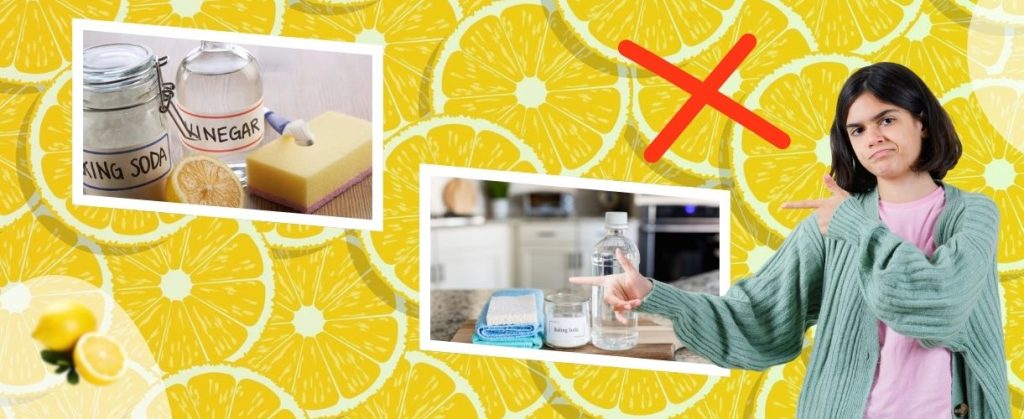
Myth 1: Vinegar Cleans Everything
The Myth:
Vinegar has a reputation as a miracle cleaner that can tackle any surface or stain, making it a go-to choice for many households.
The Reality:
Vinegar is indeed a versatile and effective natural cleaning solution, but it is not a universal cleaner. Its acidic nature works well for specific tasks, such as removing hard water stains, deodorizing, or breaking down light grease. However, it can damage certain materials and is ineffective against tough grime.
Surfaces at Risk: Natural stone surfaces like marble, granite, and limestone are particularly vulnerable to vinegar’s acidity, which can erode their finish over time. Hardwood floors with a protective sealant can also be damaged.
Limited Scope: Vinegar struggles to cut through heavy grease and isn’t effective at disinfecting surfaces, as it doesn’t kill all bacteria and viruses.
[lead-form form-id=1 title=Fill to Get Free Cleaning Checklist]
How to Clean Smarter:
For Vinegar’s Strengths: Use vinegar for descaling kettles, cleaning glass, and deodorizing fridges or bins.
For Delicate Surfaces: Choose pH-neutral cleaners specifically designed for stone or wood.
Boost Its Cleaning Power: Combine vinegar with baking soda for tasks like unclogging drains, but ensure the mixture won’t harm the material you’re cleaning.
By understanding where vinegar shines and where it falls short, you can use it effectively and avoid damaging your surfaces.
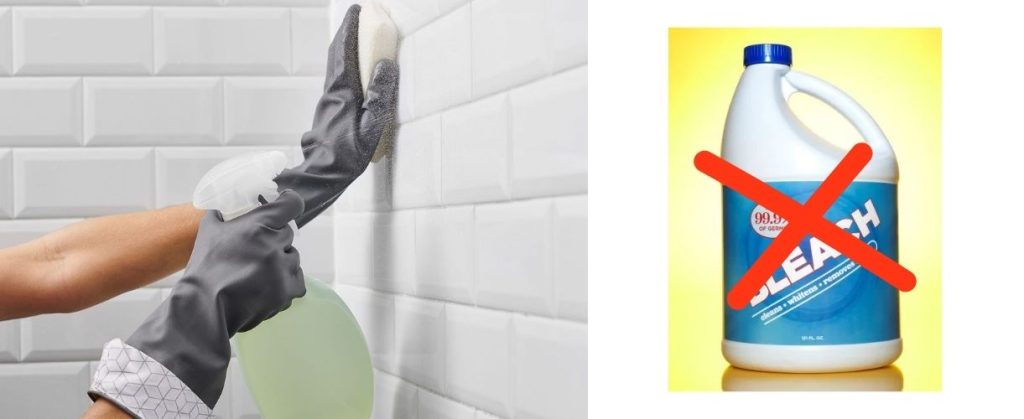
Myth 2: Bleach is a Great Cleaner
The Myth:
Bleach is often marketed as an all-in-one solution for cleaning, disinfecting, and removing stains.
The Reality:
While bleach is a powerful disinfectant, it’s not an effective cleaner. Its primary function is to kill bacteria, viruses, and mold, but it doesn’t remove dirt, grease, or other debris. Applying bleach to a dirty surface won’t clean it; it will only sanitize the grime, which defeats the purpose of cleaning.
Staining Risks: Bleach can discolor fabrics, carpets, or delicate materials.
Health Concerns: Inhaling bleach fumes or mixing it with other chemicals like ammonia can create toxic gases.
You may also like to read about-“Best Way to Do Carpet Steam Cleaning for Allergy Relief”
How to Clean Smarter:
Clean First, Disinfect Second: Use soap or detergent to clean the surface, then apply diluted bleach for disinfection.
Dilute Properly: Follow label instructions to avoid overuse, which can damage surfaces or harm your health.
Safer Alternatives: Opt for oxygen-based bleaches or non-toxic disinfectants for gentler cleaning needs.
Bleach has its place in cleaning, but knowing its limitations ensures that you use it safely and effectively.
Myth 3: More Detergent Means Better Cleaning
The Myth:
Many people believe that using extra detergent or soap will result in cleaner clothes, dishes, or surfaces.
The Reality:
Using too much detergent can have the opposite effect, leading to problems like:
Residue Build-Up: Excess detergent can leave sticky residues on clothes, dishes, or surfaces. These residues attract dirt, making the items get dirty faster.
Clogged Machines: Washing machines and dishwashers can suffer from detergent build-up, leading to foul odors and reduced efficiency.
Fabric Damage: Overuse of laundry detergent can weaken fabrics and cause skin irritation from leftover soap.
You may also like to read about-“From Chaos to Order: Transforming Your Home with Dirt2Tidy’s Domestic Cleaning Services”
How to Clean Smarter:
Follow Manufacturer Guidelines: Use the recommended amount of detergent based on load size and water hardness.
Adjust for Soft Water: If your area has soft water, you need less detergent since it lathers more easily.
Rinse Thoroughly: Whether washing dishes or clothes, ensure all soap residues are rinsed away to prevent buildup.
By using the right amount of detergent, you’ll save money, extend the life of your appliances, and achieve better cleaning results.
Myth 4: Feather Dusters Remove Dust Effectively
The Myth:
Feather dusters are a classic cleaning tool believed to quickly and effectively remove dust from surfaces.
The Reality:
Traditional feather dusters don’t actually remove dust. They push it around, often making it airborne, where it can resettle on surfaces. This not only makes cleaning ineffective but also increases allergens in the air, which can aggravate allergies or asthma.
Limited Reach: Feather dusters struggle to clean small crevices or textured surfaces effectively.
Redistributed Dust: Dust particles are displaced rather than removed, requiring additional cleaning later.
You may also like to read about-“How Domestic Cleaning Services Can Help You Create a Healthy and Clean Home Environment”
How to Clean Smarter:
Switch to Microfiber Cloths: Microfiber cloths trap and hold dust, preventing it from spreading. Use them dry or slightly damp for the best results.
Use a Vacuum Cleaner: Attach a dusting brush or nozzle to vacuum curtains, shelves, or baseboards for a more thorough clean.
Choose Electrostatic Dusters: These attract dust particles and lock them in place, making cleaning faster and more efficient.
Replacing your feather duster with a better alternative ensures you’re removing dust from your home, not just moving it around.
Myth 5: Air Fresheners Clean the Air
The Myth:
Air fresheners are often marketed as products that clean the air and eliminate odors, leaving your home fresh and inviting.
The Reality:
Air fresheners don’t clean the air; they only mask odors by releasing synthetic fragrances. Many air fresheners contain volatile organic compounds (VOCs), which can contribute to indoor air pollution and harm respiratory health over time.
Temporary Fix: Air fresheners don’t address the root cause of odors, which can persist after the fragrance fades.
Potential Health Risks: VOCs from air fresheners can irritate the eyes, throat, and lungs, particularly in individuals with allergies or asthma.
How to Clean Smarter:
Eliminate Odors at the Source: Find the cause of the smell and clean or remove it. For example, empty trash bins regularly, clean out refrigerators, or wash fabrics that trap odors.
Improve Ventilation: Open windows to let fresh air in and stale air out.
Use Natural Alternatives: Place bowls of baking soda, activated charcoal, or coffee grounds in odor-prone areas to absorb smells. Essential oil diffusers can also provide a pleasant scent without harmful chemicals.
Addressing odors at their source ensures your home smells clean naturally, without the need for artificial masking agents.
Why Cleaning Myths Persist:
Cleaning myths often gain traction because they sound plausible or align with common practices. They are perpetuated through word of mouth, social media, and advertising, making it difficult to separate fact from fiction. Recognizing these myths and embracing expert-backed methods can save time, effort, and resources.
Conclusion
Understanding the realities behind cleaning myths is the key to achieving better results with less effort. From knowing when and where to use vinegar or bleach to choosing the right tools and techniques, you can improve your cleaning routine and maintain a healthier home environment.