Table of Contents
When you breathe in lot of dust, you may not think it’s a huge concern, but it may cause a lung diseases called hypersensitivity pneumonitis in certain individuals. It is an allergic response to lot of dust particles, and it may produce symptoms such as coughing and shortness of breath.
You may return to normalcy if you are treated early and avoid breathing in the allergen but if you have left it long term you will need a lung transplant.
Fungus, moulds, bacteria, proteins, and chemicals are just a few of the substances that might induce hypersensitivity pneumonitis when inhaled.
Normally, your immune system, your body’s fight against infections, generates inflammation in your lungs as it clears out the allergens. The irritation eventually subsides. However, in certain “hypersensitive” persons, the lungs remain inflamed, resulting in hypersensitivity pneumonitis symptoms.
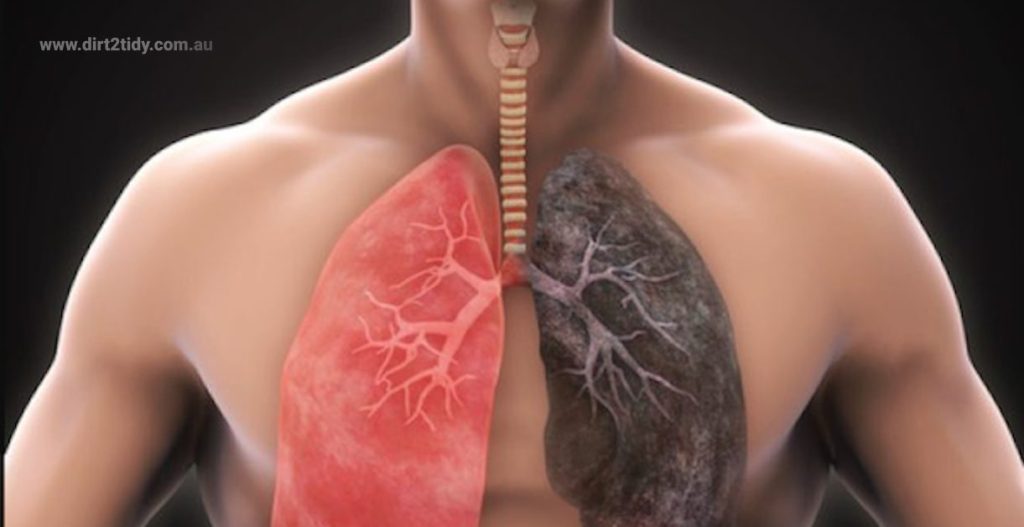
Your lungs health can mend if you detect it early and avoid breathing in additional particles. If you inhale them repeatedly, your lungs inhaled lot of dust will remain inflamed, and scarring may form, making it difficult to breathe properly.
It’s difficult to estimate how many individuals have hypersensitivity pneumonitis since many go undiagnosed or are misdiagnosed with another lung condition, such as asthma.
Particles that Cause Issues
In your house, at work, or practically everywhere else you go, you may breathe in harmful particles. It might take months or years before you develop an allergy to them.
Particles that may induce hypersensitivity pneumonitis can come from a variety of sources, including:
- Fur from animals
- Growing fungus in air conditioners, humidifiers, and heating systems
- feathers and bird droppings
- Animal feed mould that forms on hay, straw, or grain
- Bacteria in hot tub water vapour
If you work in a profession that exposes you to these particles, such as farming, veterinary work, or timber mill activities, you are more likely to develop hypersensitivity pneumonitis. However, most individuals who breathe them in will not get lung illness, thus doctors believe that specific genes play a role.
Why Is Air Pollution Considered a Silent Killer?
When most people think about air pollution, respiratory issues often come to mind. However, the impact of air pollution is vast and insidious, making it a silent threat to our health.
Hidden Organ Damage
Air pollution doesn’t just assault the lungs. Fine particles, known as PM2.5, can invade deeper into the body, affecting internal organs such as the liver and brain. Research, including findings from the National Institutes of Health, has shown that these pollutants can interrupt normal organ functions. This can lead to a range of issues including cognitive decline, memory impairment, and stress on the liver.
Persistent Inflammation
Notably, pollutants like PM2.5 and black carbon can linger in the lungs for extended periods. These particles are culprits of persistent inflammation, which lays the groundwork for oxidative stress. Over time, this stress damages cells and tissues, potentially resulting in chronic diseases.
Unseen But Ubiquitous
The true danger of air pollution lies in its invisibility and pervasiveness. You cannot always see or smell these pollutants, yet they are ever-present in many environments. This makes them an unnoticed but constant threat, contributing to their moniker as a “silent killer.”
By understanding the broader effects of air pollution, we can better appreciate why it demands urgent attention and action.
How to Obtain a Diagnosis
Your doctor will want to know what types of dust you have been exposed to in order to determine whether you have hypersensitivity pneumonitis. They’ll ask you things like:
Do you have any birds as pets?
Have you have a hot tub?
Have you been in the presence of any water damage, particularly from a humidifier, heater, or air conditioner?
Your responses to these questions will also assist your doctor in determining the best course of therapy.
Your doctor will also listen for odd noises in your lungs and examine your blood oxygen levels. You may also be given tests such as:
- Examinations of the blood
- CT scan or X-ray of the chest
- Tests to determine how effectively your lungs are functioning
- Biopsy of the lungs (removing a small piece of lung tissue)
Lung Diseases are fatal
However, dust absorbed from asbestos or fiberglass is a very other story. In this circumstance, a trip to the hospital is both necessary and urgent.
When dealing with dust exposure, it’s crucial to recognize symptoms that indicate the need for immediate medical attention. Experiencing difficulty breathing, such as shortness of breath, wheezing, or a tight feeling in your chest, suggests severe airway irritation. This can quickly escalate, so it’s essential to seek emergency care.
Severe chest pain following dust exposure is alarming. Sharp or persistent pain might signal lung irritation or even a collapsed lung, requiring urgent medical intervention.
If you notice blue-tinged skin or lips, it may indicate a shortage of oxygen in the blood, suggesting severe respiratory distress. This is a medical emergency that demands immediate attention.
Feeling dizzy or faint could mean your body isn’t receiving enough oxygen. If these symptoms occur suddenly or worsen, seek help right away.
Coughing up blood is a significant sign of potential internal damage to the lungs or airways. This symptom should be addressed by a healthcare professional without delay.
Additionally, fever can develop due to regular dust inhalation, leading to mucous membrane irritation and airway swelling. If symptoms worsen or new symptoms appear, it’s crucial to get medical help immediately.
Unfortunately, there is no cure for asbestos inhalation; however, physicians may recommend breathing treatments and medicines to alleviate symptoms. This is why firms exist where people have the necessary equipment and training to securely remove hazardous contaminants.
Working with wood and drywall may be hazardous due to the dust that these materials produce. To avoid dust inhalation, always use a dust mask. Breathing in dust over extended periods of time may cause lung difficulties.
However, if you inhale too much dust when cleaning a filthy room, you may begin to sneeze and/or cough as your body attempts to expel the dust.
When you inhale dust beyond what your body can manage through sneezing or coughing, it can irritate your throat. This irritation often results in a sore, scratchy sensation, accompanied by dryness and discomfort.
A cold glass of water can assist in flushing your throat when this occurs. Additionally, you can find relief by:
- Gargling with salt water to soothe the irritation.
- Consuming warm liquids to ease discomfort.
- Using throat lozenges or cough drops, which may sometimes help the throat heal quicker.
These remedies offer simple yet effective ways to alleviate the symptoms of dust-induced throat irritation, ensuring that your throat feels better faster.
If you’ve been exposed to dust, taking immediate action can help minimize its effects on your health. Here’s a guide to assist you:
Move to Fresh Air
First, get to an area with fresh air to prevent further inhalation. This will help your lungs start the cleaning process right away. If you’re indoors and dust exposure is a recurring issue, consider calling a professional cleaning service to handle the dust for you.
Remove Contaminated Clothing
As soon as you reach a safe area, remove any clothing that has come into contact with the dust. Be cautious to avoid stirring the dust back into the air. Seal the clothing in a bag and wash it separately to avoid contamination. If your skin is exposed, gently wipe it clean with a damp cloth or take a shower to remove dust particles.
Rinse Your Eyes and Nose
Dust can irritate sensitive areas like your eyes and nose. Rinse your eyes with clean, lukewarm water for a few minutes to alleviate discomfort. Blowing your nose gently can help clear dust particles, but avoid doing so too forcefully. Using a saline nasal spray or a Neti pot rinse can also be beneficial.
Drink Plenty of Water
Staying hydrated is key. A cold glass of water can assist to flush your throat when dust exposure occurs. Drinking plenty of fluids, particularly water, helps thin mucus in your lungs, facilitating the removal of trapped dust particles. Hydration also supports overall immune system function. Cough drops may sometimes help the throat heal quicker.
Monitor Your Symptoms
Keep an eye on any symptoms like coughing, wheezing, or chest tightness. If they persist, seek medical attention to rule out any serious conditions such as a respiratory infection. In more acute cases, drinking green tea may help by reinforcing cells in your lungs and reducing irritation if symptoms are mild.
These steps can help ensure a swift recovery and return to comfort after dust exposure.
What Are the 5 Practical Steps to Take After Inhaling Dust and Pollution?
Breathing in dust and pollution can take a toll on your health. Here’s how you can address it effectively:
1. Seek Out Cleaner Air
Start by identifying whether indoors or outdoors offers better air quality. Utilize an air quality monitor or check AQI indices via apps on your phone. Your lungs deserve this refreshing break from pollutants.
2. Hydrate Generously
Staying hydrated plays a crucial role in flushing out toxins inhaled with pollutants. Consider drinking plenty of water and antioxidant-rich beverages like green tea, or ginger-infused water. Remember, avoid caffeinated drinks like coffee or standard tea, as they can dehydrate you.
3. Clean Up Quickly
Pollutants can cling to your clothing and skin. A quick shower and a change into fresh clothes can minimize prolonged exposure. To further ease your breathing, engage in simple breathing exercises and consider using a saline spray for nasal cleansing.
4. Monitor Your Symptoms
Take some time to rest and vigilantly observe any symptoms. These could include chest tightness, a persistent cough, runny nose, headaches, or shortness of breath. Observing these signs can help identify any urgent health issues.
5. Seek Medical Advice Promptly
If symptoms persist or worsen, consult with a healthcare professional immediately. Timely intervention is key to preventing potential health complications associated with prolonged exposure to pollutants. Be open about your symptoms and seek treatment without delay.
Taking these proactive steps could make a noticeable difference in your well-being amidst the challenges of air pollution.

Why is Maintaining Good Respiratory Health Important in Dust-Prone Environments?
Living in a dust-prone environment can pose significant challenges to your respiratory system. Keeping your lungs healthy is crucial, and here’s why:
Strengthen Your Lungs with Exercise
Engaging in regular physical activity enhances lung function, helping your body efficiently handle dust exposure. Aim to move for at least 30 minutes most days to boost lung capacity and endurance.
Stay Hydrated for Clear Airways
Adequate hydration is essential for maintaining clear airways and flushing out dust particles. Drinking plenty of water ensures that your respiratory system functions optimally.
Nourish with a Healthy Diet
Nutrient-rich foods, particularly those full of antioxidants, support lung health. Focus on incorporating a variety of fruits, vegetables, and whole grains to build a robust defense against dust-related health issues.
Avoid Harmful Smoke
Exposure to smoke can magnify the negative effects of dust on your lungs. Steer clear of smoking and environments filled with smoke to prevent compounding respiratory problems.
Manage Stress for Better Breathing
Chronic stress can weaken your respiratory health, making you more susceptible to the impacts of dust. Practices like yoga and meditation can help manage stress, promoting healthier lungs.
Routine Medical Checkups Are Key
Regular visits to healthcare professionals allow for early detection and management of any dust-related respiratory concerns. Consistent monitoring helps maintain optimal lung function and address issues promptly.
By prioritizing these practices, you can significantly mitigate the adverse effects of dust exposure on your respiratory health. This approach not only enhances your overall well-being but also prepares your lungs to better cope with challenging environments.
How to Rinse Your Eyes and Nose After Dust Exposure
Dealing with dust exposure requires careful attention to sensitive areas such as your eyes and nose. Here’s how you can effectively cleanse them:
Eye Rinsing Steps
- Use Lukewarm Water: Gently splash clean, lukewarm water onto your eyes for a few minutes. This helps soothe irritation and wash away any lingering particles.
- Avoid Rubbing: It might be tempting to rub your eyes, but this can exacerbate irritation. Instead, rely on water to do the cleaning.
- Eye Drops: Consider using over-the-counter saline eye drops to further flush out foreign particles and provide relief if discomfort persists.
Nasal Cleansing Techniques
- Soft Nose Blowing: To remove dust particles lodged in your nose, gently blow your nose using a tissue. Be cautious to avoid blowing too hard, as excessive force can irritate your nasal passages.
- Saline Spray: A saline nasal spray can be a simple yet effective tool to help clear dust from your nasal passages, providing relief and preventing further irritation.
- Neti Pot Rinse: For a deeper cleanse, use a Neti pot. Fill it with saline solution, tilt your head, and let the solution flow through each nostril. This method can help clear out stubborn dust particles more thoroughly.
By following these steps, you can ensure that your eyes and nose are free from irritants after encountering dust.
How to Safely Remove Contaminated Clothing After Dust Exposure
After reaching a secure location, it’s crucial to decontaminate by carefully handling any clothing exposed to dust. Here’s a step-by-step guide to ensure safety:
- Remove Clothing Carefully: Begin by taking off the clothing that has been in contact with dust. Be cautious during this process to prevent dust particles from becoming airborne again.
- Seal Contaminated Items: Place the removed clothing in a sealed bag. This minimizes the risk of spreading contamination and makes it easier to manage disposal or cleaning later.
- Wash Accordingly: If the clothing is washable, clean it separately from other laundry. Use an appropriate detergent and follow the washing guidelines to ensure thorough cleaning.
- Clean Exposed Skin: If your skin has been exposed, gently wipe with a damp cloth. Alternatively, a quick shower can help remove any lingering dust particles.
By following these steps, you can safely manage clothing that may have been contaminated with dust, protecting yourself and others from further exposure.
Enhancing Respiratory Health: The Role of Exercise and Diet
1. The Impact of Regular Exercise
Engaging in regular physical activity is a powerful way to boost your lung capacity. Exercise helps your respiratory muscles become more efficient, improving overall lung function. Aim to incorporate at least 30 minutes of moderate exercise most days. Activities like brisk walking, swimming, or cycling can enhance oxygen circulation and strengthen your respiratory system. This not only makes breathing easier but also increases your endurance for daily activities.
2. A Nutritious Diet for Stronger Lungs
A balanced diet is equally crucial for maintaining robust respiratory health. Consuming foods high in antioxidants, such as leafy greens, berries, and nuts, helps combat inflammation and oxidative stress in the lungs. Essential nutrients found in whole grains, fruits, and vegetables support your immune system, reducing the risk of respiratory infections and chronic conditions. Omega-3 fatty acids, found in fish like salmon, also play a role in maintaining lung health by reducing inflammation.
By integrating both regular exercise and a nutritious diet into your lifestyle, you create a strong foundation for optimal respiratory health. This holistic approach not only fortifies your lungs but also enhances your overall well-being.
WHAT ARE THE IMPLICATIONS OF INHALING A LOT OF DUST?
Inhaling a lot of dust may have a variety of negative impacts on your health, ranging from coughing to decreased lung function. Large dust particles irritate your eyes, nose, and throat. Dust may cause hay fever by irritating your mucous membranes and clogging your airways. It may become more difficult to breathe through your nose.
Because dust particles may inflame your trachea and bronchi, it can also cause tracheitis and bronchitis.
If you have asthma, breathing a lot of dust might cause more frequent episodes. Wheezing, coughing, and shortness of breath will occur.
Dust may enter your circulation if you inhale particles with an aerodynamic diameter of less than 2.5 micrometres. As a result, dust particles may enter your kidneys, heart, and brain. Serious health problems may result, possibly leading to cardiac failure.
The danger of dust, particularly ultrafine PM2.5 particles, lies in its ability to bypass the body’s natural defenses. These tiny particles can travel deep into the lungs, reaching the alveolar epithelium, which is crucial for gas exchange. According to a study by Hsiao et al. (2022), PM2.5 is linked to 79% of direct influenza virus infections that penetrate this delicate lung tissue.
Such invasions not only compromise respiratory health but also highlight how PM2.5 can act as a vehicle for viral infections, further exacerbating health risks. Understanding these pathways underscores the importance of mitigating exposure to PM2.5 to safeguard overall health.
People who are exposed to a lot of dust for a lengthy period of time are more likely to develop hypersensitivity pneumonitis. This is a hypersensitive reaction to dust particles that may induce coughing and shortness of breath. If these dust particles enter your lungs, your immune system will attempt to fight them off, causing inflammation.
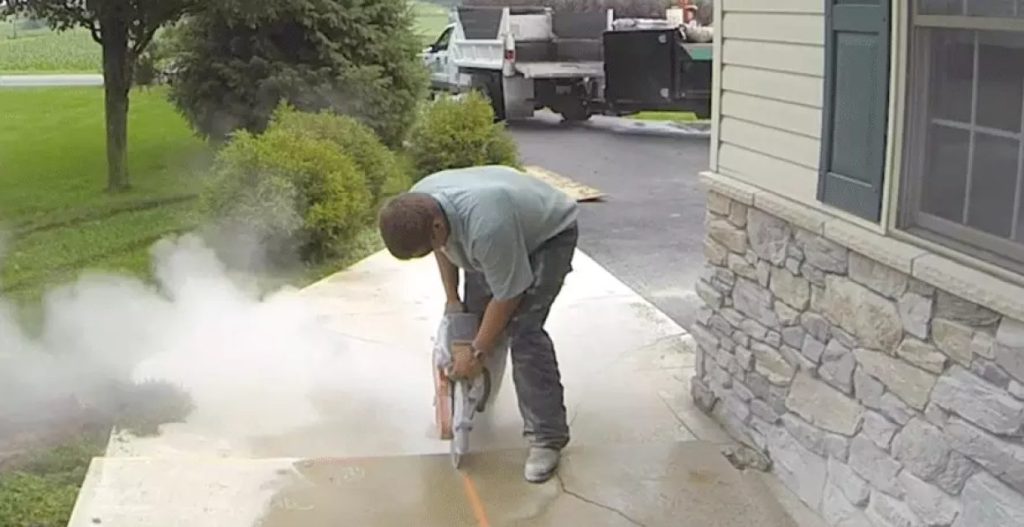
However, if the exposure is sustained, such as breathing in construction dust from the jobsite, your lungs will begin to develop scar tissue. This might make it difficult to breathe and damage your immune system. Dealing with dust is sometimes unavoidable, particularly while working in construction.
How Can I Tell if I’ve Inhaled Too Much Dust?
There are three degrees of dust inhalation symptoms that you may use to determine whether you’ve breathed too much dust. Because symptoms might be similar across levels, it is critical to contact with a doctor to determine the severity of your dust exposure.
The acute level does not stay long and might make you feel as though you had the flu. Coughing, shortness of breath, tight chest, sweating, weariness, fever, and chills are all possible symptoms. If you avoid breathing in additional dust, these symptoms should go away in a few days.
Mild symptoms such as coughing and throat irritation often resolve quickly, typically within a few hours to a day. However, if you have underlying conditions like asthma or allergies, your symptoms may be more severe and require medical attention. In such cases, the duration of symptoms can extend beyond the typical timeframe.
By understanding your body’s response and taking steps to avoid further exposure, you can effectively manage and reduce the duration of these discomforts.”
Subacute dust inhalation occurs as a result of repeated low-level dust exposure. The symptoms will begin with a temperature and will worsen over time. At a more severe degree, you may notice fatigue, shortness of breath, and coughing.
Chronic consequences of dust inhalation develop after prolonged dust exposure. These are the most typical side effects for construction workers who are regularly exposed to dust. Shortness of breath, weariness, coughing, and weight loss are all symptoms. These symptoms will also worsen with time. You should get expert medical help for this.
When Should You Seek Medical Help?
Do not hesitate to get medical help if you experience severe symptoms or your condition does not improve. If symptoms like persistent coughing, wheezing, shortness of breath, or chest tightness continue after inhaling dust, it’s crucial to seek medical attention. Early intervention can be vital for managing potential complications arising from dust exposure.
A healthcare professional can provide a thorough assessment, conduct necessary tests, and recommend the best therapy options based on your specific symptoms and medical history. Remember, timely medical attention—whether in person or through the option to consult a doctor remotely—can make a significant difference in your recovery and overall health management.
Recognizing the Symptoms of Inhaling Concrete Dust
Breathing in concrete dust can lead to several noticeable symptoms. Individuals may experience shortness of breath, which can make simple tasks feel challenging. Chest tightness is another common symptom, resulting in discomfort that may mimic other respiratory issues. Additionally, fevers might develop as the body reacts to foreign particles, potentially causing an overall feeling of illness.
Fatigue often accompanies these symptoms. This persistent tiredness can interfere with daily activities, making it difficult to concentrate or maintain energy levels.
Over time, repeated exposure to concrete dust can weaken the immune system, increasing vulnerability to other illnesses. Understanding these symptoms is key for taking proactive measures to protect your health in environments where dust exposure is prevalent.
How Living a Green Life Reduces Air Pollution Exposure
Embracing a green lifestyle plays a crucial role in diminishing air pollution exposure. Here’s how you can make a difference:
- Cultivate Indoor Plants
Incorporating plants into your home environment is a natural way to filter the air. Many plants, like spider plants and peace lilies, act as effective air purifiers by absorbing toxins and releasing oxygen. - Establish a Rooftop Garden
If space allows, creating a rooftop garden contributes to cleaner air and provides fresh, homegrown produce. This practice not only reduces your carbon footprint but also encourages mindful eating habits by offering a readily available source of organic vegetables and herbs. - Enhance Your Outdoor Space
Surrounding yourself with greenery outdoors results in lower levels of pollutants in the immediate environment. Trees and shrubs act as barriers, trapping dust and harmful gases, contributing to improved air quality.
By taking these steps, you’re not just adopting sustainable habits but actively participating in the fight against air pollution. Each plant you add is a small but significant step toward a cleaner, healthier atmosphere.
How do we keep dust out of our lungs?
Controls must be made to prevent respiratory or other issues caused by dust exposure. According to the hierarchy of control, hazardous chemicals should be replaced by non-hazardous substances as the first concern.
Other engineering control approaches should be developed if replacement is not practicable. Here are several examples:
Application of wet processes
Negative air pressure containment of dust-producing processes (slight vacuum compared to the air pressure outside the enclosure)
- expelling dusty air via a collecting mechanism before releasing it into the environment
- vacuuming instead of sweeping
- excellent housekeeping
- storage and transportation efficiency
- hazardous garbage disposal under strict supervision
- Personal protective equipment may be necessary, but it should only be used as a last option.
Personal protective equipment should not be utilised as a replacement for good dust management and should only be used when other techniques are ineffective or insufficient. Workers must be educated to recognise the importance of avoiding dust hazards.
Enhancing Indoor Air Quality
- Air Filtration: Invest in high-quality air purifiers with HEPA filters for your home and workplace. These devices effectively capture dust particles and other pollutants, ensuring cleaner air indoors.
Routine Dust Control Practices
- Implement regular cleaning methods such as vacuuming, mopping, and wiping surfaces with damp cloths. Regularly washing bedding, curtains, and upholstery can also help to eliminate dust mites and reduce overall dust levels.
Utilizing Personal Protective Equipment
- In dusty environments, respiratory masks, such as N95 masks, are essential for high exposure levels, while surgical masks can suffice for moderate levels. Ensure these masks are worn correctly to maximize protection.
Environmental and Lifestyle Adjustments
- Outdoor Awareness: Stay informed about air quality levels, especially during high pollution periods. Limit outdoor activities when dust levels are elevated and consider wearing a mask during such times.
- Nature Therapy: Spending time in natural, clean environments can rejuvenate your lungs, providing a break from urban dust pollution.
By integrating these comprehensive strategies, we can effectively manage dust exposure and safeguard our respiratory health in both the short and long term.
How Monitoring Air Quality Prevents Pollution Exposure
Monitoring air quality is a crucial step toward reducing your exposure to harmful pollution. Here’s how it can be done effectively:
- Stay Informed: By checking air quality indices (AQI) for your location, you can better plan your activities. Various sites and apps, such as IQAir and AirVisual, provide real-time updates on air quality, helping you decide when it’s safest to go outside.
- Choose Safe Locations: Identifying places with good air quality before you travel can help you avoid areas with high pollution levels. This proactive approach allows you to make informed decisions about your destinations.
- Use Technology: Invest in a personal air quality monitor for real-time insights, both indoors and outdoors. These devices can alert you to rising pollution levels, enabling you to take immediate action, such as moving indoors or wearing a mask.
- Modify Daily Routines: Armed with air quality data, adjust your daily routines to limit exposure during high pollution times. This might include rescheduling outdoor exercise to times when the air is cleaner.
By integrating these practices, you not only protect yourself from pollution but also ensure your activities align with healthier air quality environments.
Final Thoughts on Managing Air Pollution’s Impact on Health
Air pollution reaches beyond just affecting your lungs, influencing your overall health and quality of life. It’s crucial to adopt effective strategies to mitigate these adverse effects. Here are a few practical steps you can take to safeguard your health against air pollution:
- Monitor Air Quality: Use reliable sources like the Air Quality Index or apps from organizations such as IQAir to stay informed about daily pollution levels.
- Invest in Air Purifiers: Consider using air purifiers with HEPA filters in your home to reduce indoor pollutants.
- Use Masks: On days when pollution levels are high, wearing masks like N95 can help filter out harmful particles.
- Improve Ventilation: Enhance indoor air quality by ensuring proper ventilation, possibly by incorporating plants known for cleaning the air, such as spider plants or peace lilies.
- Stay Indoors During Peak Pollution Times: Limit outdoor activities when pollution is at its worst, often during rush hours or in areas with heavy traffic.
By implementing these measures, you can better manage the impact of air pollution on your health and reduce the risk of developing related chronic conditions. Take proactive control of the air you breathe to protect your well-being.
How to Clear Dust from Your Lungs
Breathing in dust can be uncomfortable and potentially harmful over time. However, there are several effective strategies to help clear dust particles from your lungs and alleviate discomfort:
Stay Hydrated
Drinking plenty of water is crucial. Hydration helps thin out mucus in your respiratory system, making it easier for your body to expel dust particles.
Practice Deep Breathing
Engaging in techniques like diaphragmatic breathing can enhance lung function by promoting the expulsion of dust. Dedicate a few minutes each day to these exercises to keep your lungs clear.
Use Effective Coughing Techniques
Controlled coughing can be surprisingly effective in clearing irritants from your airways. Practice deep inhalations followed by short, sharp coughs to facilitate the removal of dust.
Be Physically Active
Regular physical activity, such as walking or aerobics, can help dislodge dust particles from your lungs. Exercise increases your lung capacity and boosts overall lung health.
Try Steam Therapy
Inhaling steam can be a soothing and effective way to release mucus that traps dust in your lungs. Simply fill a bowl with hot water, cover your head with a towel, and breathe in the steam deeply.
Follow a Nutritious Diet
Incorporate foods rich in antioxidants into your diet. These nutrients support lung healing and improve overall respiratory function. Options include fruits, veggies, nuts, and seeds.
By integrating these habits into your daily routine, you can significantly reduce the amount of dust retained in your lungs and promote healthy respiratory function.
Why is Hydration Crucial After Inhaling Dust?
Inhaling dust can introduce unwanted particles into your respiratory system, and staying hydrated plays a key role in mitigating these effects. Here’s why:
- Enhances Lung Function: Proper hydration thins the mucus in your lungs. This thinner mucus is more easily expelled by the body, helping to clear out dust particles and other contaminants. As a result, you enjoy cleaner, more comfortable breathing.
- Boosts Immune System: Water is essential for optimal immune system function. A well-hydrated body is better equipped to fend off illnesses, particularly those triggered by inhaling dust, which can carry bacteria and viruses.
- Facilitates Detoxification: By staying hydrated, you support your body’s natural detox processes. Water helps flush toxins out of your system more effectively, ensuring that harmful particles don’t linger longer than necessary.
- Promotes Overall Health: Beyond lung health, hydration supports numerous bodily functions. Proper fluid intake aids digestion, maintains skin health, and keeps joints lubricated.
In summary, drinking plenty of fluids, especially water, is your first line of defense against the potential hazards of dust inhalation. It aids in cleansing your system and strengthening your immunity, promoting better health and well-being.
Conclusion
Dust and air pollution may seem like everyday inconveniences, but their long-term impact on health can be serious—from triggering hypersensitivity pneumonitis to increasing the risk of chronic respiratory illnesses. The good news is that by understanding the risks, taking simple protective steps like monitoring air quality, staying hydrated, and practicing safe cleaning habits, you can greatly reduce their harmful effects.
Still, prevention goes beyond personal care—it also means maintaining a clean and dust-free environment. Regular, professional cleaning is one of the most effective ways to cut down on dust particles, allergens, and pollutants that accumulate indoors. By keeping your living or working space thoroughly cleaned, you reduce exposure risks and create a healthier environment for yourself and your family.
At Dirt2Tidy, we specialise in more than just surface cleaning. Our teams across 8 major Australian cities provide professional eco-friendly cleaning services designed to improve hygiene and reduce hidden pollutants that affect your health. From deep cleaning, carpet steam cleaning, and upholstery care to end-of-lease and regular home cleaning, we use safe methods and products that not only make your space shine but also support better respiratory health.
With a trusted reputation, attention to detail, and a commitment to customer satisfaction, Dirt2Tidy is here to help you breathe easier and live cleaner.