The Importance of Regular Cleaning for Oven and BBQ Why Heat Is the Best Solution for Mold Removal Benefits of Regular Oven and BBQ Cleaning Tips for Regular Oven and BBQ Cleaning Choosing the Right Cleaning Products Cleaning and Maintaining Gas Grill Grates and Burners Maintenance Schedule for Cleaning Professional Oven and BBQ Cleaning Services Advantages of Hiring Professionals Are you ready to fire up your oven or BBQ for a sizzling feast?
Before you get grilling, it’s crucial to ensure that these cooking appliances are clean and ready for action. Regular cleaning of your oven and BBQ Cleaning is not just about maintaining their appearance; it’s about creating a healthy home environment.
Dirty ovens and BBQs can harbor harmful bacteria, pose fire hazards, and even release toxic fumes. In this blog post, we’ll explore the importance of regular cleaning for your oven and BBQ, the health risks associated with neglecting them, as well as the benefits of keeping these appliances in top shape.
So let’s dive in and discover why cleanliness truly is essential when it comes to your kitchen arsenal! Regular cleaning of your oven and BBQ isn’t just about appearance it’s crucial for safety, health, and cooking quality. Accumulated grease and food residue can harbor harmful bacteria, create fire hazards, and release toxic fumes when heated.
Keeping appliances clean ensures even heat distribution for better-tasting meals, protects sensitive components from damage, improves energy efficiency, and extends the lifespan of your oven and grill. A consistent cleaning routine keeps your cooking safe, efficient, and delicious plus it prevents costly repairs or accidents.
Health Risks Associated with Dirty Oven and BBQ Dirty ovens and barbecues can affect food taste and pose serious health risks. Accumulated grease and food particles create a breeding ground for harmful bacteria like Salmonella and E. coli, which can cause foodborne illnesses with symptoms such as fever, vomiting, and diarrhea.
Neglected cleaning also increases fire hazards, as built-up grease can ignite at high temperatures, releasing toxic fumes that may lead to respiratory issues, including coughing, wheezing, or even asthma. Prolonged exposure to smoke from dirty grills has been linked to a higher risk of lung cancer.
Regular cleaning reduces bacterial growth, lowers fire risks, and keeps your cooking safe and healthy. Bacteria Growth and Food Contamination Neglecting to clean your oven and BBQ creates a perfect breeding ground for harmful bacteria.
Leftover food and grease allow microorganisms to multiply, which can easily contaminate your meals and cause foodborne illnesses such as stomach upsets and diarrhea. Dirty appliances also affect the taste and quality of your food. Regular cleaning prevents bacterial growth, ensuring your meals are safe, healthy, and delicious for you and your family.
Mold in grills can be hazardous if disturbed, releasing spores into the air. Chemical cleaners may leave unsafe residues on food-contact surfaces. The safest method is high heat: run your BBQ at its highest temperature for 15–20 minutes to destroy mold spores and sanitize surfaces without risk.
Tip: Let the heat do the work safe for you and your next meal. Fire Hazards and Toxic Fumes Dirty ovens and BBQs pose serious risks, including fire hazards and toxic fumes. Grease, food particles, and debris can ignite when exposed to high heat, creating a dangerous situation.
Burnt residue and certain materials can also release harmful fumes, which may cause coughing, wheezing, shortness of breath, or even asthma attacks. Prolonged exposure increases the risk of more severe health issues, and using poorly ventilated indoor grills may lead to carbon monoxide poisoning.
Regular cleaning removes grease and food buildup, reducing fire risks and harmful emissions. Additionally, inspect gas lines, electrical components, and ensure proper ventilation while cooking. Using appliance-specific cleaners helps maintain surfaces safely. Tip: Consistent maintenance and safe cleaning practices protect your home, health, and family from potential hazards.
Regular cleaning of your oven and BBQ offers multiple advantages, from better-tasting meals to safer, more efficient appliances.
- Improved Food Taste and Quality Clean appliances prevent leftover grease, grime, and residue from affecting your meals. This ensures better heat distribution, eliminates unpleasant odors, avoids cross-contamination, and guarantees evenly cooked, flavorful dishes every time.
- Extended Lifespan of Appliances Accumulated food particles and grease can cause corrosion, damage internal components, and reduce performance. Regular cleaning prevents wear and tear, identifies potential issues early, and helps your oven and BBQ last longer, saving you from costly replacements or repairs.
- Energy Efficiency and Cost Savings Grease and grime make appliances work harder, consuming more energy.
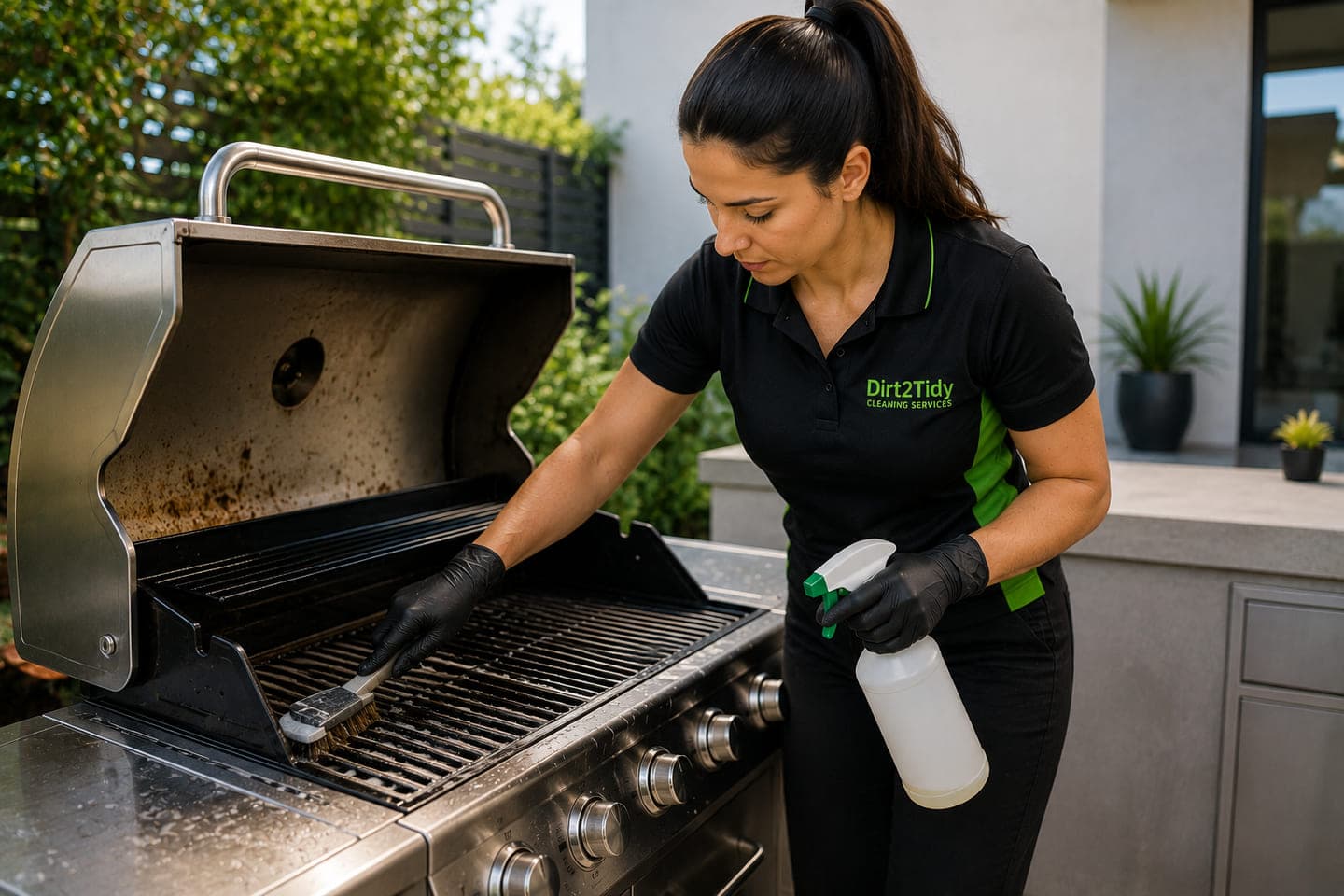
Clean ovens and grills heat more evenly, cook faster, and maintain optimal airflow, reducing energy use and lowering utility bills. Well-maintained appliances also require fewer repairs over time, adding further cost savings. Summary: Routine cleaning keeps your appliances safe, efficient, and flavorful while extending their lifespan and saving energy. Investing a little time into regular maintenance ensures consistently delicious meals and a longer-lasting oven and BBQ. Use the Right Products: Choose cleaners specifically designed for ovens and grills. Avoid harsh chemicals or abrasive tools that can damage surfaces. Remove Debris First: Clear loose food particles and wipe interiors with a damp cloth or sponge. Use a scrub brush or scraper for stubborn stains and grease. Establish a Schedule: Clean your oven and BBQ regularly at least every few months or more often with frequent use to prevent buildup and maintain performance. Follow Safety Precautions: Turn off power or gas before cleaning, and wear protective gloves to avoid burns or chemical exposure.
Practical next steps for Oven And Bbq Cleaning Is Essential For A Healthy
- Share the property type, size, condition and access information before requesting a quote.
- Identify priority rooms, surfaces, stains, pets, furniture and any inspection or handover date.
- Separate cleaning from repairs, pest treatment, plumbing, electrical or restoration work.
- Confirm inclusions, exclusions and optional services before the appointment.