What the from-price quietly assumes
Provider-published pricing pages describe the same structure once you read past the headline.
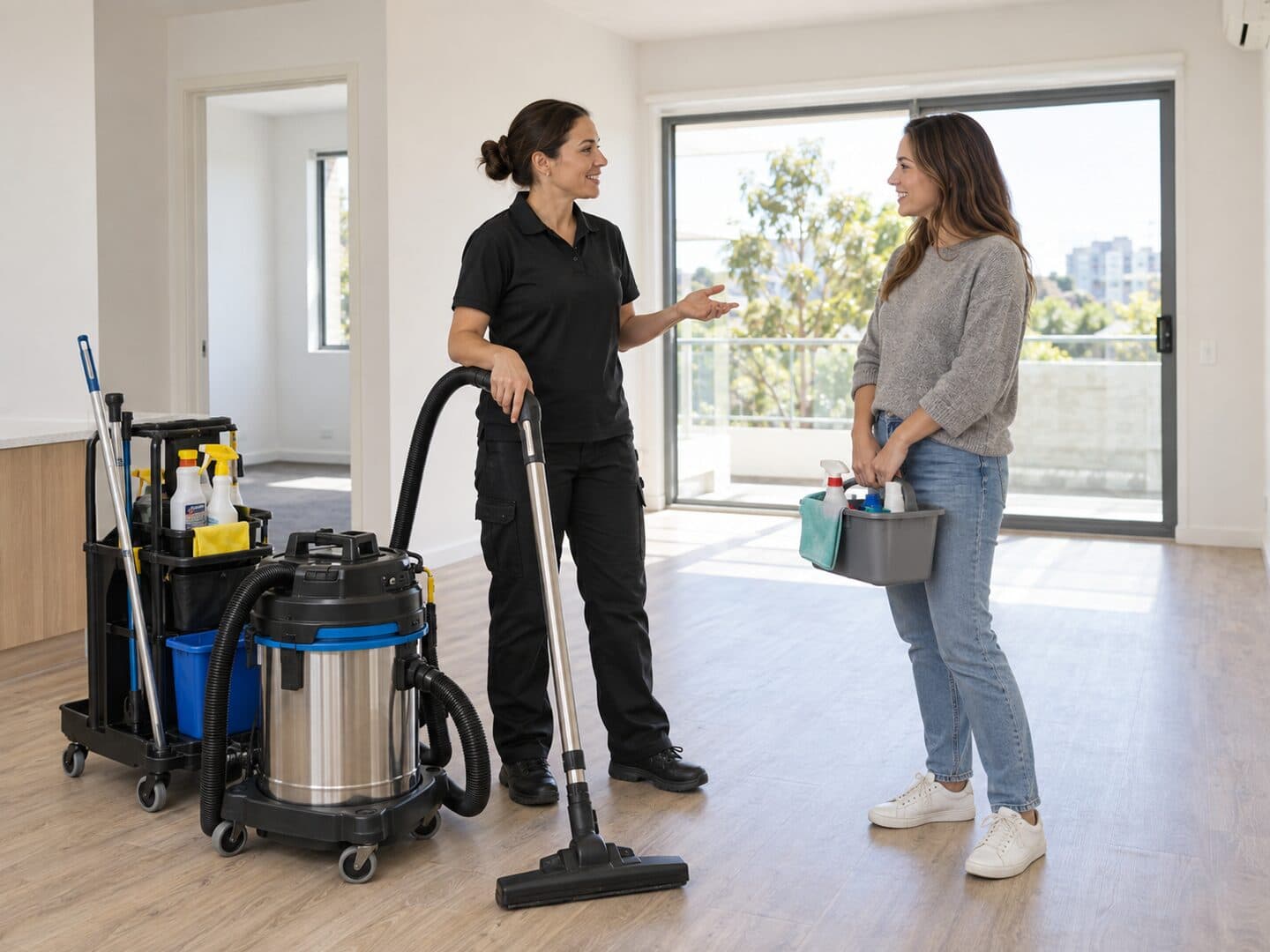
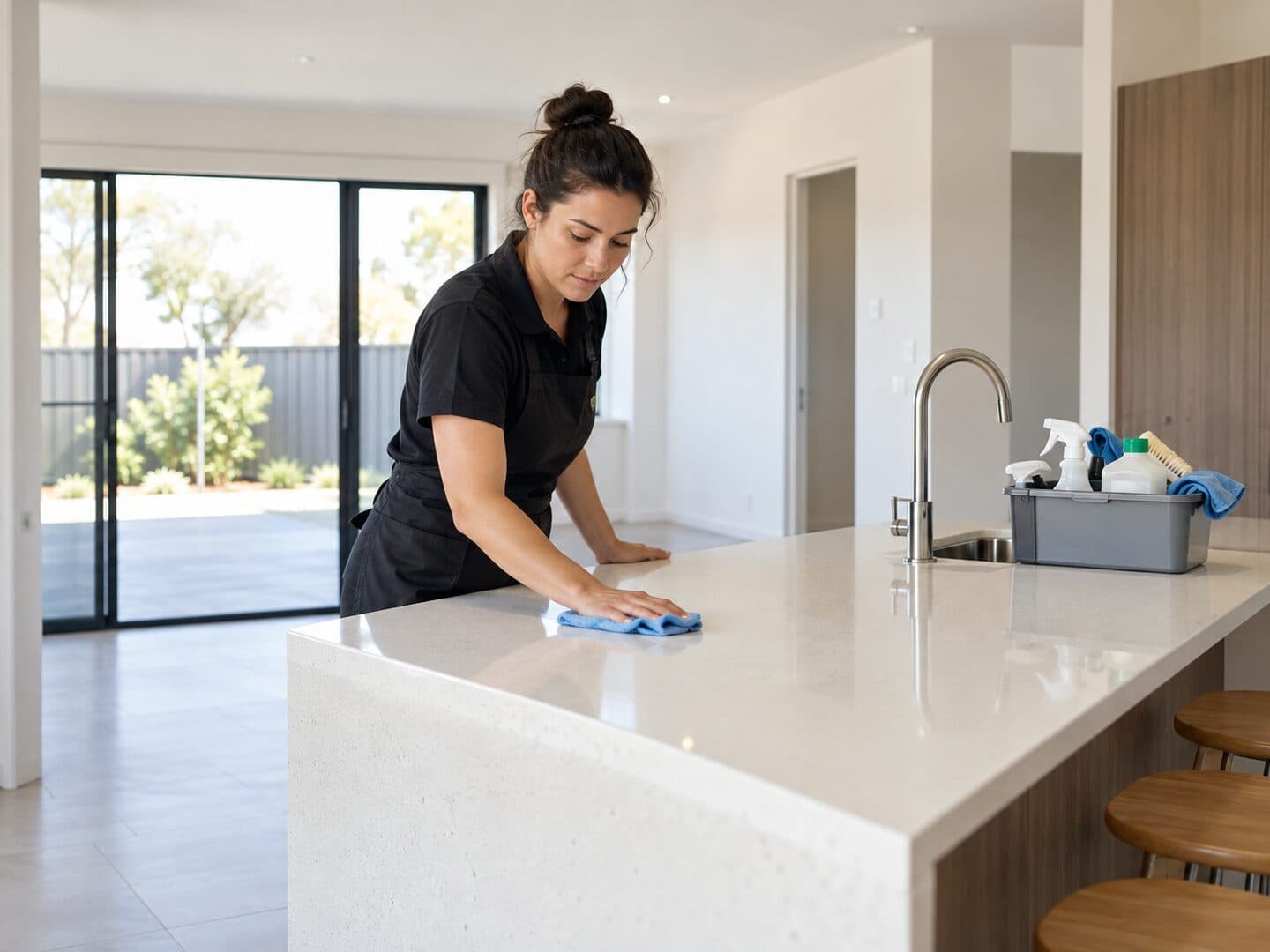
Simply Maid's Sydney end-of-lease pricing guide, for example, presents a starting figure against an idealised property — empty, maintained, one bathroom, ordinary condition — and then lists the additions that move the day: extra wet areas, oven degreasing tiers, interior windows, blinds, balconies and carpet extraction.
That is not a gotcha; it is an honest quote format, as long as the reader sees the assumptions. The spread between two quotes almost never lives in the base line.
It lives in the columns beside it: which tasks count as included, which are optional extras, and what the page quietly assumes about the property's state. Before comparing any two numbers, write down which of those columns each provider actually priced.

What NSW tenancy practice actually asks
NSW Fair Trading's own guidance for tenants moving out sets the benchmark plainly: leave the property in a similar condition to when you moved in, having repaired or paid for damage beyond fair wear and tear, with the entry condition report as the reference document both sides signed.
The bond-refund guidance repeats the same shape — a bond is returned when rent, damage and cleaning obligations are settled, claimed through Rental Bonds Online, with the landlord or agent given their statutory window to agree or dispute before the matter can be taken to the tribunal.
Nowhere in that published process does a specific cleaner, a receipt from a particular company, or a fixed standard of professional invoicing sit inside the rule.
A lease clause may still raise expectations about cleaning, so read your own agreement against Fair Trading's current guidance rather than against anyone's marketing, and treat claims about what an agent 'always requires' as negotiating language rather than law.
What the paperwork proves, in practice, is that the property matched its report — and that is a cleaning-scope conversation about time and method, not a price conversation about which brand of receipt paper appeared on the desk.
The hour drivers
Once the assumptions match, the remaining spread is time. Wet areas come first: each additional bathroom or ensuite is a descale, scrub and polish block, and two-bathroom dwellings price fundamentally differently from one-bathroom ones no matter how equal the bedroom count looks.
Oven condition is the second variable — a maintained oven is a wipe, while years of carbonised grease is a different service tier with different products and hours, and rangehood filters sit in the same decision.
Then the generation of the glazing and tracks: older aluminium sliding windows in strata buildings are individually wiped and tracked, and that line is where many 'cheap' quotes quietly stop, just as wall-washing and skirting boards do in the other direction.
Sydney-specific factors sit on top: end-of-month turnover compression pushes every operator's calendar at once, and access mechanics — lift bookings, parking permits, intercom rules, bin-store logistics — turn quoted minutes into billed ones. Regional NSW adds its own travel and accommodation lines that metro quotes never show.
A quote that does not ask about any of these is pricing the brochure house, not yours.
Making two quotes identical except the price
The fix is a one-page brief sent unchanged to every provider: room counts, bathroom count, floor types, appliance list, a paragraph of condition honestly described, and the same photographs — the oven, the worst glass, the carpet in the main traffic lane, the entry-report pages that flagged anything at move-in.
Ask each bidder to return the same columns: planned hours, inclusions, exclusions, GST treatment, payment timing and a defined re-visit window if the inspection finds gaps. Fair Trading's consumer guidance has long warned against paying large upfront sums for end-of-lease services before work is arranged — a caution worth honouring in either direction.
And specify the receipt before booking, not after: an itemised document naming address, rooms, services and date turns the carpet line in a lease from decoration into evidence.
Aggregate market figures, such as the job averages published on ServiceSeeking's renovation-and-cleaning data pages, describe national booking patterns; they are context for a market, never a benchmark for your two quotes.
What a fair quote cannot include
No cleaning invoice buys a bond outcome. The people who decide the property's state are the agent at the final inspection and, if it escalates, the tribunal process — not the operator holding the squeegee.
A credible NSW quote includes written scope, stated condition assumptions, an hours basis and a paper trail; it does not promise refunds, use scare language about deductions, or price the showroom version of a five-year tenancy. If the copy on any quote promises a result it cannot control, that is the line to question.
Sequencing does the rest: clean after the removalists have taken the furniture out, leave a buffer before the inspection date so anything missed can be revisited while the property is still empty, photograph the rooms on completion, and keep the invoice with the condition report until the bond settles.
The booking pattern that survives handover day is boring by design — one brief, two comparable quotes, dated photos, and the paperwork matching the property you actually left.