Will peroxide kill bed bugs on the skin?

Bed bugs are small, pesky insects that can cause a range of issues, from sleepless nights to itching and irritation. As their name suggests, bed bugs are most commonly found in beds, but they can also infest other areas of your home, including furniture, carpets, and even clothing. For those experiencing bed bug infestations, the search for effective treatments often leads to many remedies, including the use of hydrogen peroxide (H2O2). But does hydrogen peroxide work on bed bugs? Can it kill bed bugs on the skin?

While DIY remedies may provide temporary relief, they rarely eliminate the problem entirely. This is why many homeowners turn to professional cleaning services that include specialised pest control treatments designed to target bed bugs at every stage of their life cycle. These services not only remove visible pests but also address hidden eggs and breeding spots, ensuring your home is truly bed-bug free.

In this blog, we’ll take a closer look at hydrogen peroxide, its potential use in bed bug treatments, and whether or not it’s effective for eliminating these pests from your skin. We will also discuss other proven methods for managing bed bug infestations, how to deal with bites, and the importance of professional treatment options.

Peroxide kill bed bugs?

Bed bugs are parasitic insects that feed on the blood of humans and animals. They are nocturnal creatures that typically hide in cracks, crevices, and seams of furniture or bedding during the day. Bed bugs are flat, oval-shaped insects that measure about 1/4 inch in length. Though not dangerous or known to transmit diseases, their bites can lead to irritation, itching, and allergic reactions.

Signs of a Bed Bug Infestation:

Musty Odor: Bed bugs emit a distinctive, musty odor if the infestation is severe.

Bites: Bed bug bites usually appear as small, red welts on the skin, often in a linear or clustered pattern.

Blood Stains: You may notice small blood stains on your sheets or pajamas.

Dark Spots: Bed bugs leave behind dark spots or fecal stains on bedding, furniture, or walls.

How to Treat Bed Bug Bites

If you’re dealing with bed bug bites, hydrogen peroxide can be used as a mild antiseptic to disinfect the affected area, While there are a variety of pest control hacks out there using hydrogen peroxide, it simply isn’t your best weapon in the fight against bed bugs. Studies have shown that hydrogen peroxide can kill bed bugs when exposed to its vapor for an extended period in controlled fumigation chambers, but this is not a practical or safe way to treat an infestation in your home. Plus, hydrogen peroxide can often discolor fabrics, potentially ruining your bedding and clothing—certainly not the outcome you’re hoping for! but it won’t treat the underlying cause of the bites or kill the bed bugs. Instead, here are a few methods you can use to manage and treat bed bug bites:

1. Clean the Bites

Gently wash the affected areas with mild soap and water. This will help prevent any secondary infections that could arise from scratching the bites.

2. Apply an Antihistamine Cream or Hydrocortisone

To reduce itching and swelling, apply a topical antihistamine cream or hydrocortisone to the bites. These can provide relief from the discomfort caused by bed bug bites.

3. Use Aloe Vera or Calamine Lotion

Aloe vera and calamine lotion are great natural remedies to soothe irritated skin and reduce inflammation caused by bed bug bites. Apply these products directly to the bite site for relief.

4. Avoid Scratching

Although it may be tempting to scratch, avoid doing so. Scratching the bites can cause an infection and worsen the irritation. Try using cold compresses or anti-itch creams to soothe the area.

How to Get Rid of Bed Bugs from Your Home

While hydrogen peroxide may not effectively deal with bed bugs, there are several proven and reliable methods for eliminating these pests from your home. Here’s how to tackle a bed bug infestation:

The Role of Cleaning and Decluttering in Bed Bug Control

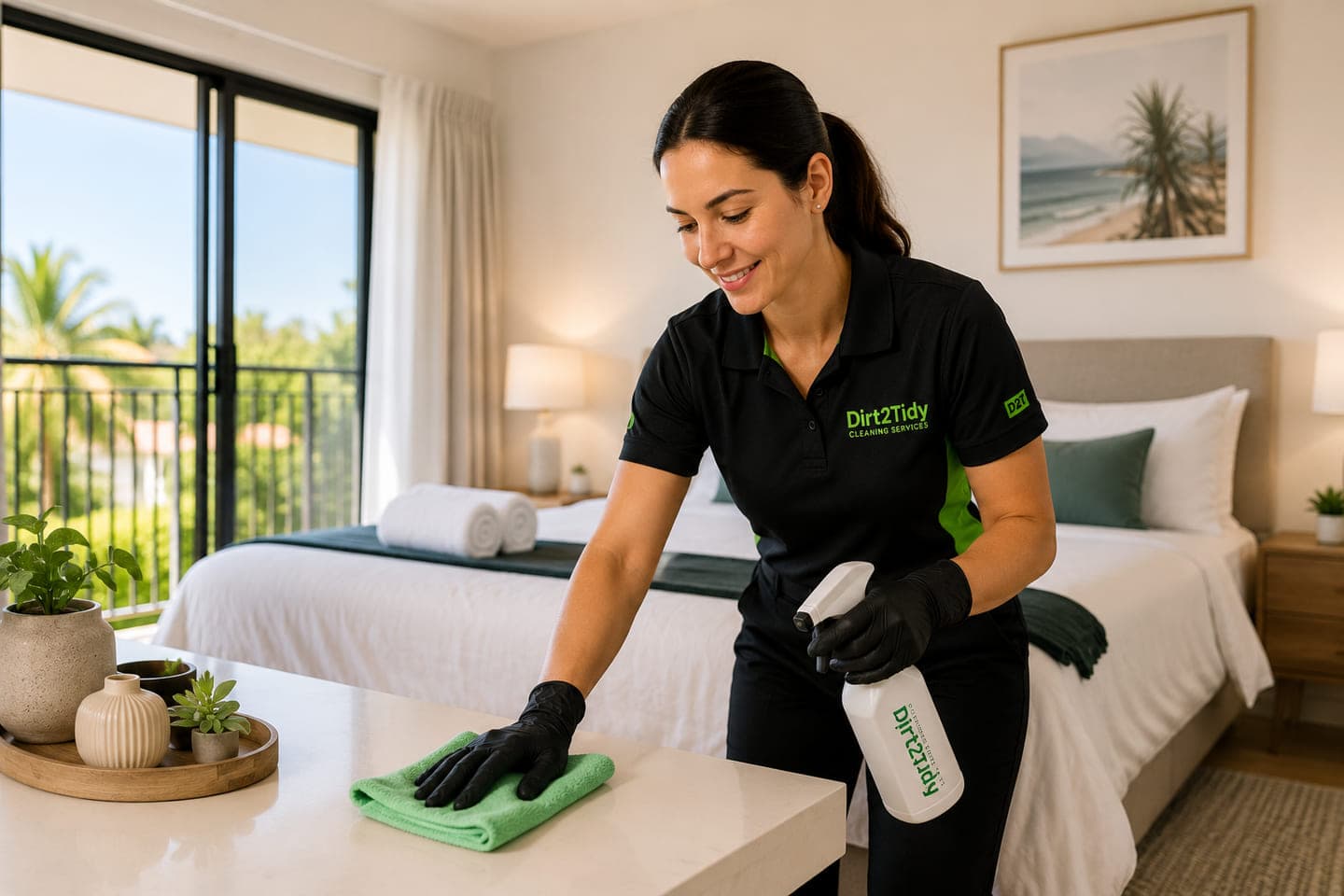
Daily cleaning and decluttering play a crucial part in kicking bed bugs out for good. By regularly vacuuming your bedroom, living room, and any spaces where you’ve noticed activity, you not only remove bugs and eggs but also cut down on their hiding spots. Decluttering—like picking up laundry, clearing under the bed, and organizing around your furniture—makes it far easier to spot any lingering pests and treat affected areas.

While bed bugs don’t care if your home is spotless or messy, keeping things tidy gives them fewer places to escape detection and makes other control methods more effective. Consistent cleaning combined with minimizing clutter creates a hostile environment for bed bugs, which helps speed up their eviction from your home.

1. Thoroughly Inspect Your Home

Bed bugs tend to hide in cracks, crevices, seams of mattresses, and other dark places. Conduct a thorough inspection of your home, especially in areas where you sleep or rest, such as your bed, couch, or furniture. Use a flashlight to help identify the bed bugs or their droppings.

Don’t Overlook Hidden Spots

It’s crucial to pay special attention to cracks, drawers, and out-of-the-way corners when tackling a bed bug infestation. These sneaky pests are masters of hiding and will retreat into the tiniest spaces—between floorboards, inside dresser joints, or behind baseboards—where typical cleaning may not reach. If these hiding spots go untreated, bed bugs can easily survive your initial efforts and start the whole cycle again, making your hard work go to waste. Targeting these hard-to-reach areas cuts off their escape routes and helps break the bed bug life cycle for good.

2. Wash and Dry Bedding and Clothing

Wash all your bedding, clothing, and fabric items in hot water, then dry them on high heat. Bed bugs cannot survive in high temperatures, so using a high-heat dryer cycle can help kill both the bugs and their eggs.

3. Use Bed Bug Traps

Set up bed bug traps around your bed and the areas where you suspect the infestation. These traps can help monitor the situation and catch any bed bugs that may be active.

What Are Bed Bug Interceptors and How Do They Work?

Bed bug interceptors are simple yet effective devices that you place under the legs of your bed or furniture. Think of them as little barriers designed to stop bed bugs in their tracks. They work by creating a moat-like trap: when bed bugs try to climb up or down from your bed or sofa, they fall into the interceptor’s smooth, slippery well and can’t escape.

There are different types available, including pitfall traps. Both are designed to keep bed bugs from crawling onto your bedding and can help you monitor whether any pests are still lurking around. Installing these traps not only safeguards your sleeping spaces but also helps alert you early if bed bugs are still present so you can take swift action.

The Role of Bed Bug-Proof Mattress Protectors

Once you’ve washed and dried all your bedding and clothing at a high temperature—a process that helps kill bed bugs and their eggs—the next step is to guard your sleeping surfaces. A bed bug-proof mattress protector acts as a protective barrier for both your mattress and box spring. These specially designed encasements prevent bed bugs from entering or escaping, effectively trapping any survivors inside and stopping new bugs from getting in.

To use one, simply zip the encasement securely around your mattress (and box spring, for best results). Make sure it fully encloses the entire surface, leaving no gaps where pests could sneak in or out. Leave the protector in place for at least a year, as bed bugs can survive many months without feeding.

With these steps, you’ll make it much harder for bed bugs to bother you while you get a good night’s sleep.

4. Vacuum and Steam Clean

Vacuum your floors, carpets, and furniture thoroughly to remove any visible bed bugs. Use a steam cleaner on your mattress, furniture, and carpets, as heat can kill both bed bugs and their eggs.

5. Prevent Reinfestation of Treated Areas

Once you’ve successfully treated an area for bed bugs, it’s important to keep it pest-free. To avoid accidentally spreading bed bugs back into these cleaned spaces, be sure not to return any clothing, bedding, or personal items from untreated areas until those spaces have also been thoroughly cleaned. Always launder or heat-treat belongings before moving them into a cleared room, and store cleaned items in sealed bags or containers until your whole home is bed bug-free. This extra step helps prevent a recurring infestation and keeps all your hard work from going to waste.

5. Call a Professional Pest Control Service

In severe cases, it’s best to call a professional pest control service to help handle the infestation. They have the experience and tools necessary to eliminate bed bugs effectively and safely from your home.

Natural Remedies to Repel Bed Bugs

While hydrogen peroxide is not a reliable solution, there are other natural remedies that may help repel bed bugs. These include:

Cinnamon and Cloves: Bed bugs are repelled by the scent of cinnamon and cloves. You can place these spices near cracks and crevices to help keep bed bugs at bay.

Essential Oils: Oils such as lavender, tea tree, peppermint, and eucalyptus are known to act as bed bug repellents. You can mix a few drops with water and spray it on affected areas.

Diatomaceous Earth: This fine powder is non-toxic and can be sprinkled around your bed or furniture to kill bed bugs by dehydrating them. For best results, use diatomaceous earth after you have thoroughly vacuumed and cleaned the area. Be sure to apply it not only around your bed but also along baseboards, inside cracks, drawers, and other corners where bed bugs or their eggs might be hiding—places the vacuum can’t always reach. Desiccant dusts like diatomaceous earth work by drying out the bugs, effectively killing them. Always follow the instructions on the product label and use any recommended safety equipment during application for optimal safety and effectiveness.

Final Thoughts

While hydrogen peroxide might have some benefits as a mild disinfectant, it is not effective for killing bed bugs on the skin or addressing an infestation in your home. Bed bugs require targeted pest control methods, and cleaning your skin with hydrogen peroxide may provide temporary relief but not a permanent solution. For those suffering from bed bug bites, it’s best to treat the bites with soothing ointments and focus on tackling the infestation itself using effective pest control measures.

At Dirt2Tidy, we understand how disruptive and uncomfortable bed bug infestations can be. Our expert pest control services are designed to eliminate bed bugs from your home quickly and efficiently, providing you with peace of mind.

If you’re dealing with a bed bug infestation, don’t wait – contact Dirt2Tidy today to schedule an inspection and get rid of those pests for good!

Similar Posts

Leave a Reply