Restaurant Cleaning on the Gold Coast: Scope and Scheduling

Restaurant cleaning needs depend on kitchen layout, operating hours, surfaces, food-handling procedures and the tasks a provider is qualified to perform. A clear scope and schedule are what make it work in a busy hospitality environment. This guide explains how to plan it, with links to the related services.

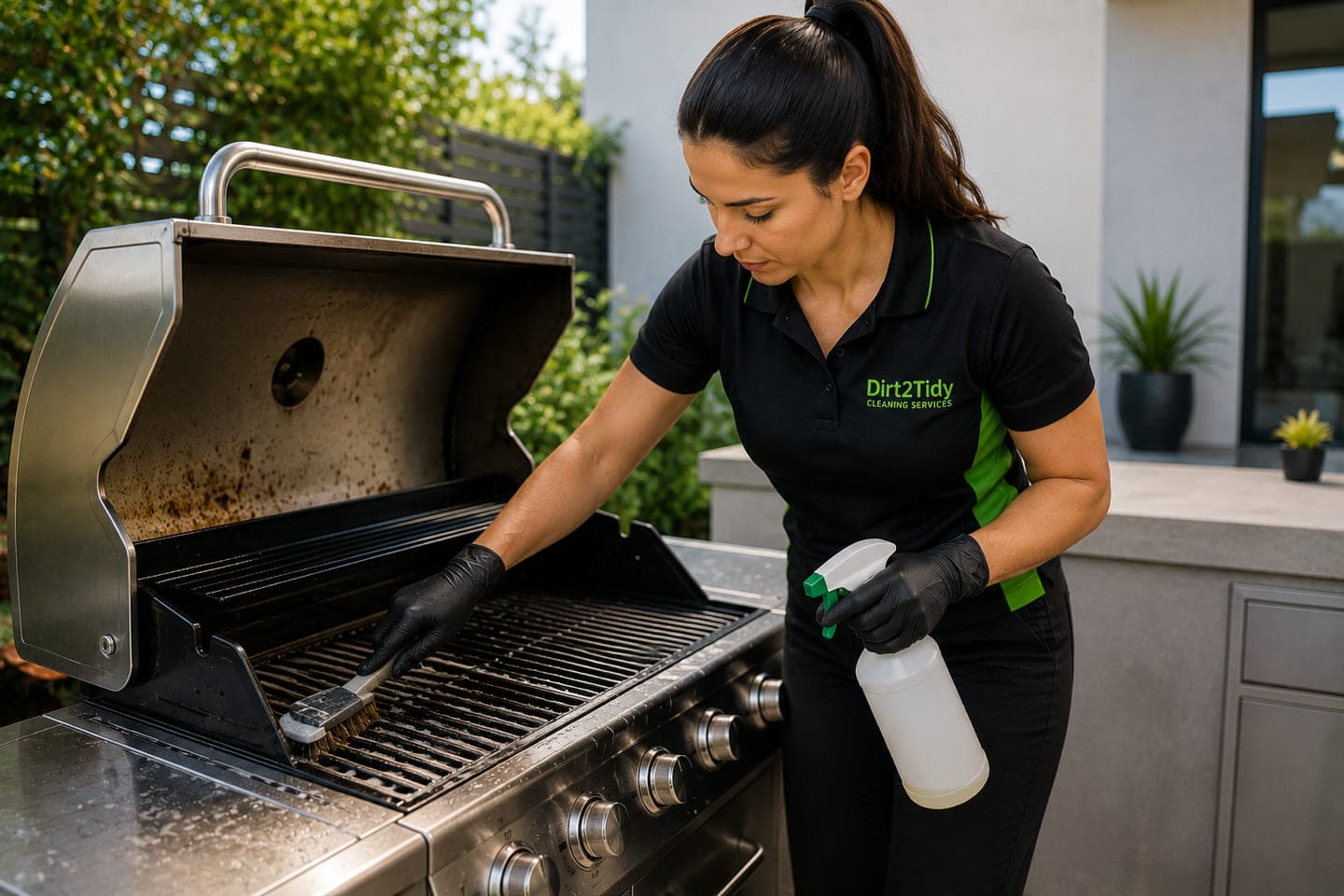
Deep oven cleaning with professional equipment in an Australian kitchen

Define kitchen and dining-area tasks

List floors, benches, sinks, splashbacks, dining surfaces, bins, washrooms, glass, equipment exteriors and the required frequency. Exhaust systems, ovens, grills, grease traps, pest control and specialist floor work may require separate scope. A restaurant clean is a finishing and maintenance service, not a substitute for the specialist trades that own those items.

Coordinate around service hours

Discuss opening hours, food preparation, access, keys, security, storage, utilities, water and drying time. Confirm how the team protects food, utensils and customer areas. Cleaning around a busy kitchen and dining service is a scheduling challenge, and the access and timing should be agreed in writing rather than improvised.

Check product and food-area procedures

Confirm which products are used, how food-contact surfaces are handled, and what preparation is required from the kitchen. A product that suits a dining floor may not suit a food-prep surface. The provider should be able to explain their food-area procedures plainly, and those should be compatible with the venue's own food-safety requirements.

Review provider capability and terms

Ask about experience with comparable venues, insurance, staff training, and how one-off or seasonal requests are handled. A restaurant cleaning contract should be specific about the premises, the tasks, the frequency and the terms, and should clearly separate the cleaning scope from the specialist trades.

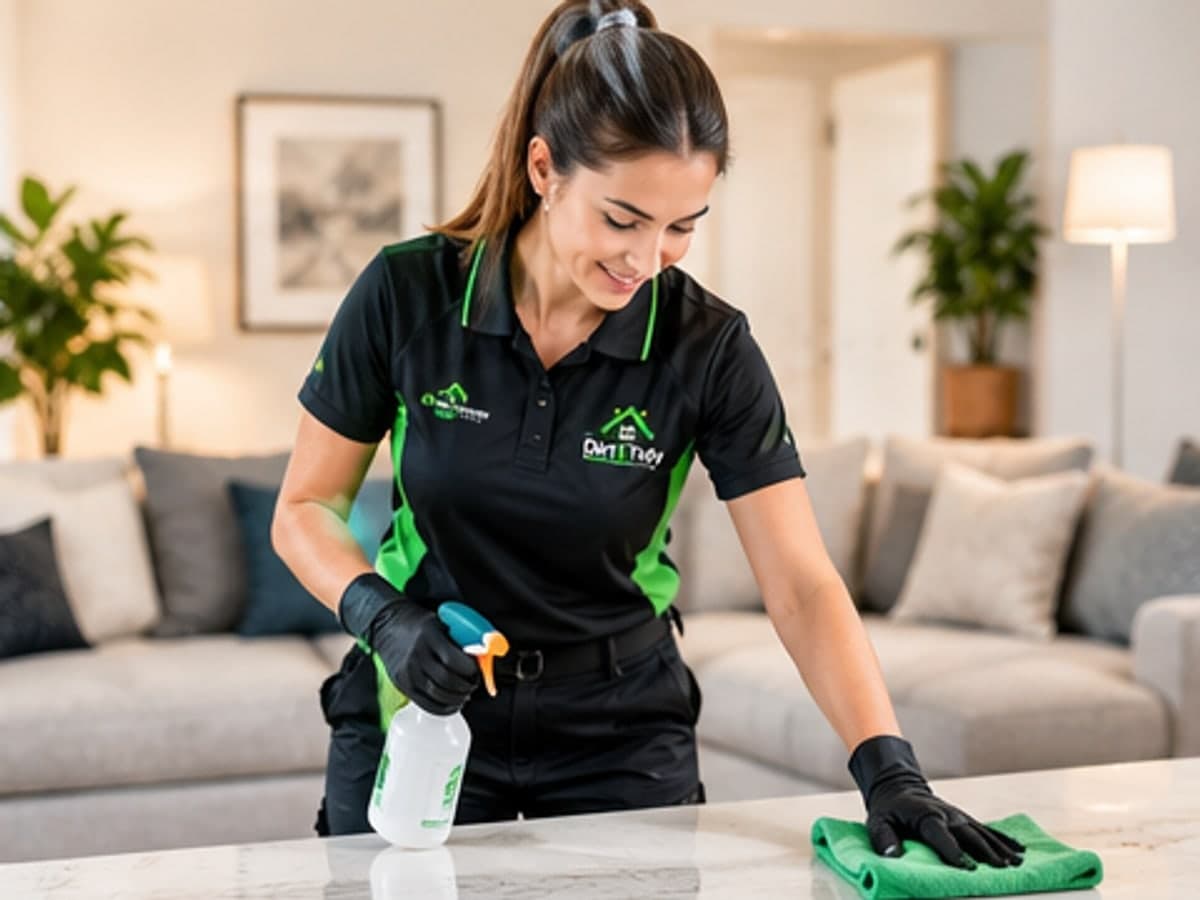
Restaurant dining area with a cleaned table, waste bucket and written cleaning scope for a site-service review
Keep cleaning moving

Related Cleaning Services

More from Dirt2Tidy

Related Cleaning Guides

FAQ

FAQs

Everything about bookings, coverage and what to expect.

No — and any claim that it does is overreaching. A clean, well-maintained restaurant is nicer to work in and reflects well on customers, but food-safety compliance depends on many factors beyond cleaning: temperature control, handling, storage, staff training and the facility's design.

Cleaning is one part of a broader food-safety approach, not a guarantee of compliance.

Usually not — they're separate specialist services. Commercial kitchen exhaust and duct cleaning needs its own specialist crew because of the grease-fire risk and the access involved, and grease traps are a separate maintenance item.

A general restaurant clean covers the surfaces and areas in the agreed scope; the hood and ductwork belong to the specialist trade.

Around the service hours and the kitchen's needs — often after close, or in defined windows between services. The cleaning should be scheduled so it doesn't conflict with food preparation, and so the kitchen is ready for the next service.

Discuss timing, access, utilities and drying with the provider, and confirm it in writing.