Table of Contents
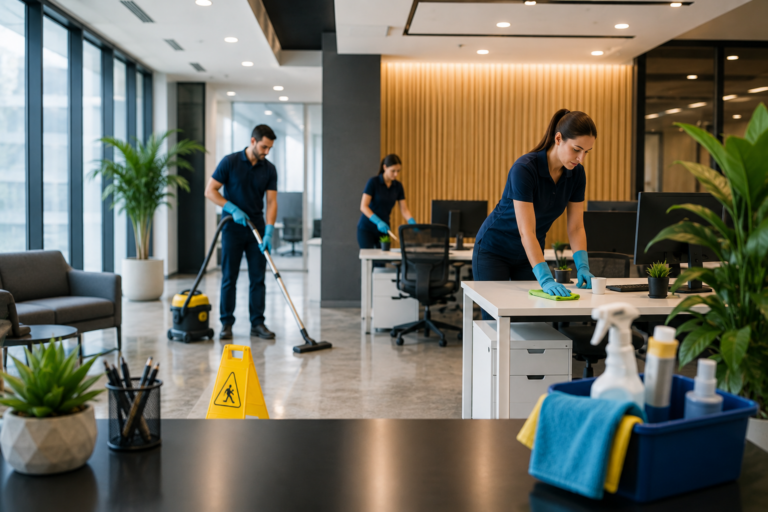
Managing cleanliness in a multi-tenant commercial building is rarely straightforward. Unlike single-occupancy offices, these properties experience continuous foot traffic, shared facilities, and varying tenant expectations. From busy lobbies and elevators to communal kitchens and restrooms, every shared area requires consistent attention to maintain a professional image.
Whether you’re a property manager, building owner, or facility manager, understanding the most common cleaning challenges in multi-tenant commercial buildings can help you create a healthier, safer, and more attractive workplace. More importantly, implementing the right cleaning strategies can improve tenant satisfaction, reduce maintenance costs, and extend the life of your property.
In major Australian cities such as Sydney, Melbourne, and Perth, commercial buildings are becoming larger and more complex. As a result, professional commercial cleaning has become an essential investment rather than an optional service.
This guide explores the biggest cleaning challenges multi-tenant buildings face and offers practical solutions that deliver long-term results.
Why Cleaning Multi-Tenant Commercial Buildings Is Different
Unlike standalone offices, multi-tenant properties accommodate several businesses under one roof. Each tenant has unique schedules, expectations, and usage patterns.
This creates several cleaning complexities:
- Shared responsibilities
- Constant movement of visitors
- Different cleanliness standards
- Increased wear and tear
- High-touch surfaces requiring frequent sanitation
Without a structured cleaning program, even a well-designed commercial property can quickly lose its appeal.
Heavy Foot Traffic Creates Constant Dirt Build-Up
One of the biggest cleaning challenges in multi-tenant commercial buildings is the continuous flow of people throughout the day, increasing the risk of spreading communicable diseases if shared areas are not cleaned and disinfected regularly.
Employees, customers, contractors, and delivery personnel constantly enter and exit the building, bringing in:
- Dust
- Mud
- Leaves
- Water
- Pollutants
- Allergens
High-traffic areas include:
- Building entrances
- Reception areas
- Hallways
- Lift lobbies
- Staircases
Solution
Implement scheduled cleaning throughout the day instead of relying on a single evening clean.
Recommended tasks include:
- Vacuuming entry mats
- Spot mopping floors
- Cleaning glass doors
- Emptying entrance bins
- Removing visible debris immediately
Regular maintenance prevents dirt from spreading throughout the building.
Shared Facilities Become Hygiene Hotspots
Shared amenities often receive the highest level of daily use.
These include:
- Washrooms
- Kitchenettes
- Meeting rooms
- Elevators
- Break rooms
Since multiple companies use these spaces, they accumulate bacteria and grime much faster than private offices.
Poor hygiene can lead to:
- Unpleasant odours
- Increased illness
- Tenant complaints
- Negative visitor impressions
Solution
Develop a high-frequency cleaning schedule focused on sanitation.
Important touchpoints include:
- Door handles
- Lift buttons
- Light switches
- Sink taps
- Microwave handles
- Refrigerator doors
Using hospital-grade disinfectants significantly reduces the spread of germs.
Different Tenant Expectations Can Cause Complaints
Every tenant has different cleanliness expectations.
Some businesses require spotless meeting rooms every morning, while others prioritise spotless kitchens or dust-free workstations.
Without clear communication, cleaning complaints become common.
Solution
Property managers should:
- Create clearly defined cleaning standards
- Set realistic expectations
- Encourage tenants to report issues promptly
- Schedule regular inspections
Professional cleaning companies often use digital reporting systems to ensure every task has been completed.
Waste Management Becomes More Complicated
Multiple businesses generate different types of waste.
Examples include:
- Office paper
- Food waste
- Cardboard packaging
- Recycling
- Electronic waste
Overflowing bins quickly create unpleasant smells and attract pests.
Solution
Introduce an organised waste management system.
This includes:
- Clearly labelled recycling bins
- Daily rubbish collection
- Separate food waste disposal
- Scheduled bin sanitisation
Clean waste disposal areas help maintain hygiene throughout the property.

Maintaining Clean Restrooms Throughout the Day
Restrooms are among the most frequently used spaces in commercial buildings.
Even after morning cleaning, they can become untidy within hours.
Common issues include:
- Empty soap dispensers
- Wet floors
- Overflowing bins
- Water stains
- Unpleasant odours
Solution
High-occupancy buildings benefit from daytime restroom servicing.
Tasks should include:
- Restocking supplies
- Sanitising fixtures
- Emptying bins
- Mopping floors
- Odour control
Frequent inspections help prevent complaints before they arise.
High-Touch Surfaces Need Frequent Disinfection
One overlooked cleaning challenge is the number of surfaces touched by hundreds of people daily.
Examples include:
- Elevator buttons
- Handrails
- Reception counters
- Security access panels
- Door handles
These areas can become breeding grounds for germs.
Solution
Increase disinfecting frequency during business hours.
Use approved disinfectants that effectively eliminate bacteria and viruses without damaging surfaces.
Pay extra attention during flu season or periods of increased illness.
Carpet and Floor Maintenance Requires Ongoing Attention
Commercial flooring experiences significant daily wear.
Carpets trap:
- Dust
- Allergens
- Dirt
- Moisture
Hard floors gradually lose their shine due to constant foot traffic.
Without regular maintenance, flooring deteriorates much faster.
Carpet Care Tips
- Daily vacuuming
- Immediate stain removal
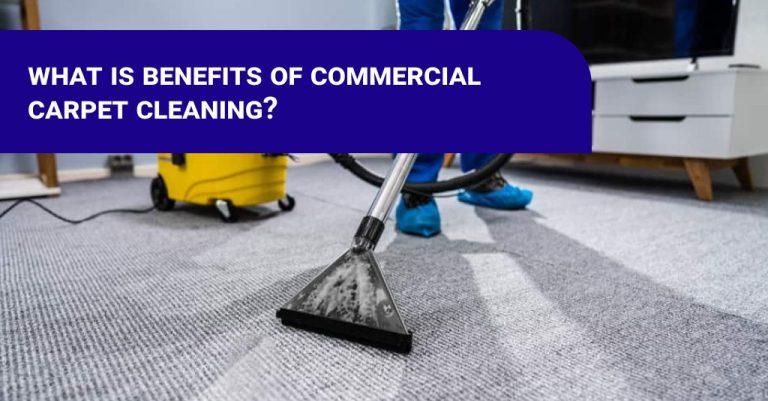
- Quarterly deep cleaning
- Entrance mat maintenance
Hard Floor Maintenance
- Dust mopping
- Machine scrubbing
- Polishing when required
- Protective floor coatings
Proper floor care improves appearance while extending flooring lifespan.
Cleaning Without Disrupting Business Operations
Many commercial buildings operate beyond traditional office hours.
Some tenants work:
- Early mornings
- Evenings
- Weekends
- Overnight
Cleaning at the wrong time can interrupt productivity.
Solution
Flexible scheduling is essential.
Professional cleaners often work:
- Before office hours
- After business closes
- Overnight
- During quiet periods
This ensures tenants enjoy a clean workplace without interruptions.
Why Preventive Cleaning Saves Money
Reactive cleaning often costs more than preventive maintenance.
Ignoring small cleaning issues can result in:
- Permanent carpet stains
- Damaged flooring
- Mold growth
- Expensive repairs
- Higher replacement costs
Preventive cleaning extends the life of building assets while reducing long-term maintenance expenses.
Creating a Consistent Cleaning Schedule
Every multi-tenant property should follow a structured cleaning plan.
A typical schedule may include:
Daily
- Vacuum common areas
- Empty rubbish bins
- Sanitise restrooms
- Clean reception
- Wipe high-touch surfaces
Weekly
- Glass cleaning
- Deep kitchen cleaning
- Floor polishing
- Dust vents
Monthly
- Carpet spot treatment
- Pressure washing entrances
- High dusting
- Upholstery cleaning
Consistency is far more effective than occasional deep cleaning.
How Technology Improves Commercial Cleaning
Modern commercial cleaning has evolved significantly.
Many professional providers now use:
- Digital inspection checklists
- QR-code reporting
- Automated scheduling
- Eco-friendly equipment
- HEPA filtration vacuums
These innovations improve accountability while delivering higher cleaning standards.
Eco-Friendly Cleaning Matters More Than Ever
Many businesses now prioritise sustainability.
Green commercial cleaning helps reduce:
- Chemical exposure
- Water consumption
- Plastic waste
- Indoor air pollution
Eco-friendly cleaning products also create healthier work environments for employees and visitors.
Property managers increasingly choose sustainable cleaning providers to support environmental goals while maintaining excellent hygiene.
Choosing the Right Commercial Cleaning Partner
Not every cleaning company understands the unique demands of multi-tenant commercial properties.
Look for providers offering:
- Flexible cleaning schedules
- Experienced commercial teams
- Fully insured staff
- Quality assurance inspections
- Eco-friendly products
- Custom cleaning plans
- Transparent communication
A trusted commercial cleaning company becomes an extension of your property management team.
Companies like Dirt2Tidy Cleaning Services work with businesses across Sydney, Melbourne, and Perth to create customised cleaning solutions that keep shared commercial spaces clean, healthy, and welcoming. With proactive maintenance and experienced professionals, property managers can reduce complaints while maintaining a consistently professional environment.

Best Practices for Maintaining Multi-Tenant Commercial Buildings
To achieve consistently high cleaning standards:
- Establish clear cleaning responsibilities.
- Increase cleaning frequency in high-traffic areas.
- Prioritise high-touch surface disinfection.
- Schedule regular deep cleaning.
- Encourage tenant communication.
- Use environmentally friendly cleaning products.
- Conduct routine quality inspections.
- Partner with experienced commercial cleaning professionals.
These practices improve building presentation while enhancing tenant satisfaction.
Frequently Asked Questions
What are the biggest cleaning challenges in multi-tenant commercial buildings?
The most common challenges include heavy foot traffic, maintaining shared facilities, waste management, restroom hygiene, high-touch surface disinfection, and coordinating cleaning schedules without disrupting tenants.
How often should common areas be cleaned?
High-traffic areas should be cleaned multiple times throughout the day, while deep cleaning should be scheduled weekly or monthly depending on building occupancy.
Why is professional commercial cleaning important?
Professional cleaners follow structured cleaning plans, use commercial-grade equipment, and maintain consistent hygiene standards that improve tenant satisfaction and protect building assets.
What areas require the most frequent cleaning?
Entrances, elevators, reception areas, shared kitchens, restrooms, stairwells, and frequently touched surfaces require the highest cleaning frequency.
How can property managers reduce tenant cleaning complaints?
Clear communication, regular inspections, scheduled maintenance, rapid response to issues, and working with experienced providers like Dirt2Tidy help minimise complaints and maintain consistent cleanliness.
Final Thoughts
Maintaining cleanliness in a multi-tenant commercial building involves far more than routine vacuuming and emptying bins. Shared spaces, continuous foot traffic, and varying tenant expectations require a strategic cleaning approach that prioritises consistency, hygiene, and preventive maintenance. By addressing common cleaning challenges with structured schedules, regular inspections, and professional expertise, property managers can create healthier workplaces, protect valuable building assets, and deliver a positive experience for every tenant and visitor. Investing in reliable commercial cleaning today helps ensure your property remains professional, welcoming, and well-maintained for years to come.
Keep every shared space spotless and welcome book your professional commercial cleaning service today for a healthier workplace with lasting results.