Confirm construction work and site readiness
Coordinate with the builder or principal contractor on completed work, access, utilities, wet finishes and remaining trades. Keep cleaners out of restricted areas. Suspected asbestos, silica dust, chemical residue or other hazardous materials require assessment and handling by appropriately qualified specialists.
Define the cleaning tasks
List rooms, floors, glass, fixtures, joinery, kitchens, bathrooms and the level of dust or residue. Clarify whether the request is a rough clean, final clean or further presentation visit. Paint, grout and sealant removal, repairs, rubble and hazardous-waste handling may need separate trades.

Plan equipment, protection and waste
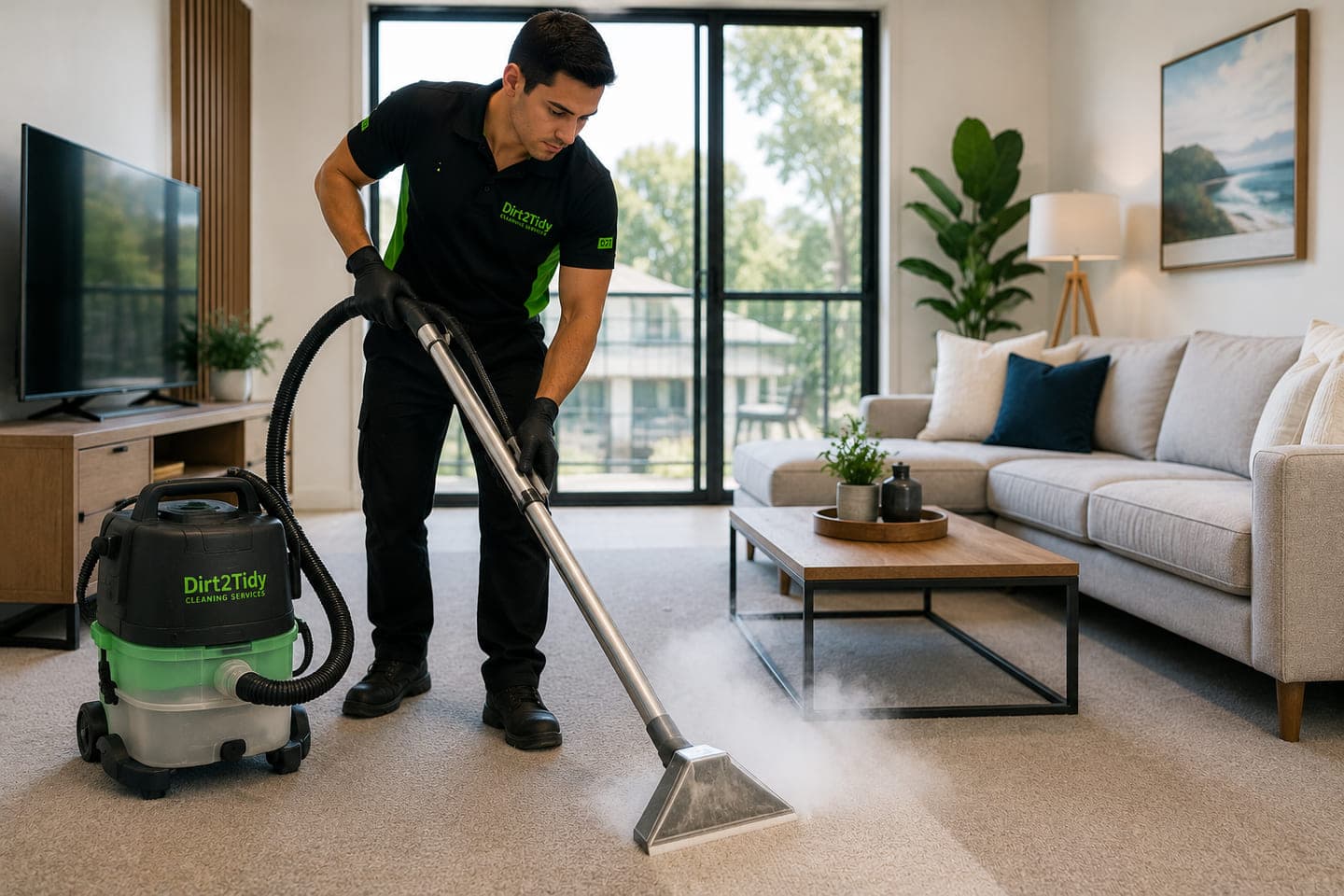
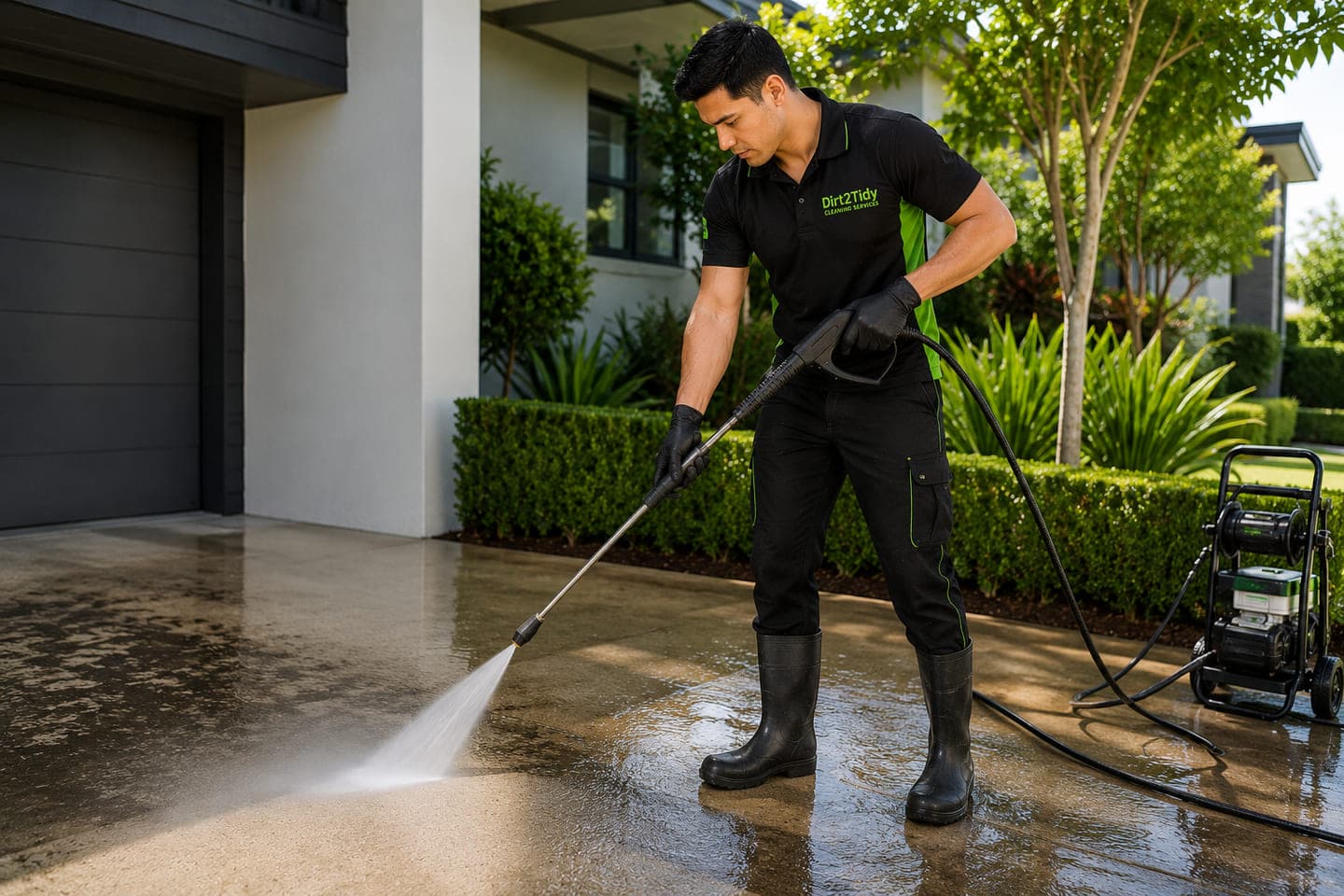
Ask how loose debris and dust will be collected, what surfaces need protection and how wastewater and packaging are managed. New finishes, coatings, electronics and ventilation systems may have specific care instructions. Do not use pressure or wet methods without checking site and manufacturer guidance.
Coordinate handover and exclusions
Agree access, inductions, work hours, parking, water, power, site contact and inspection needs in writing. Document damage or unfinished work separately from cleaning. A cleaning visit cannot certify air quality, legal compliance, occupancy readiness or contractor workmanship.