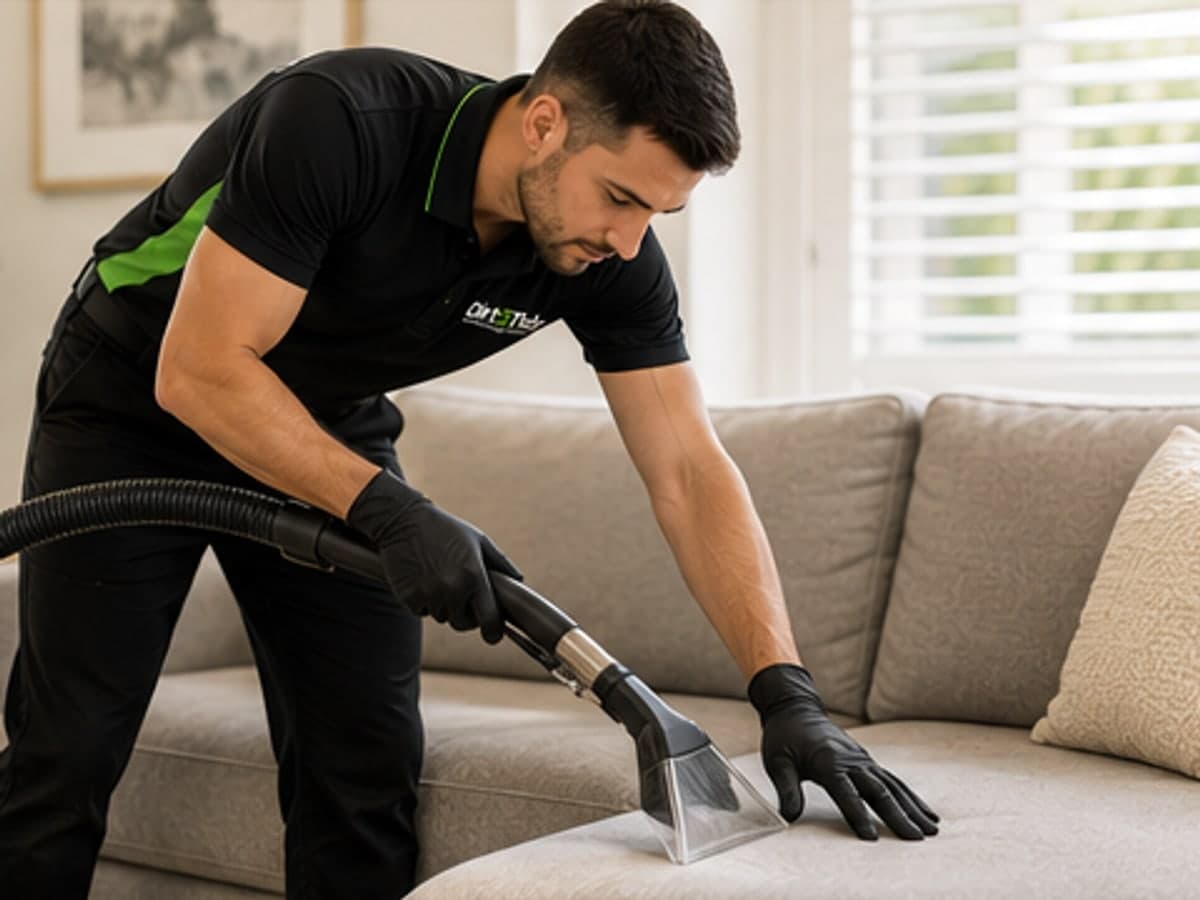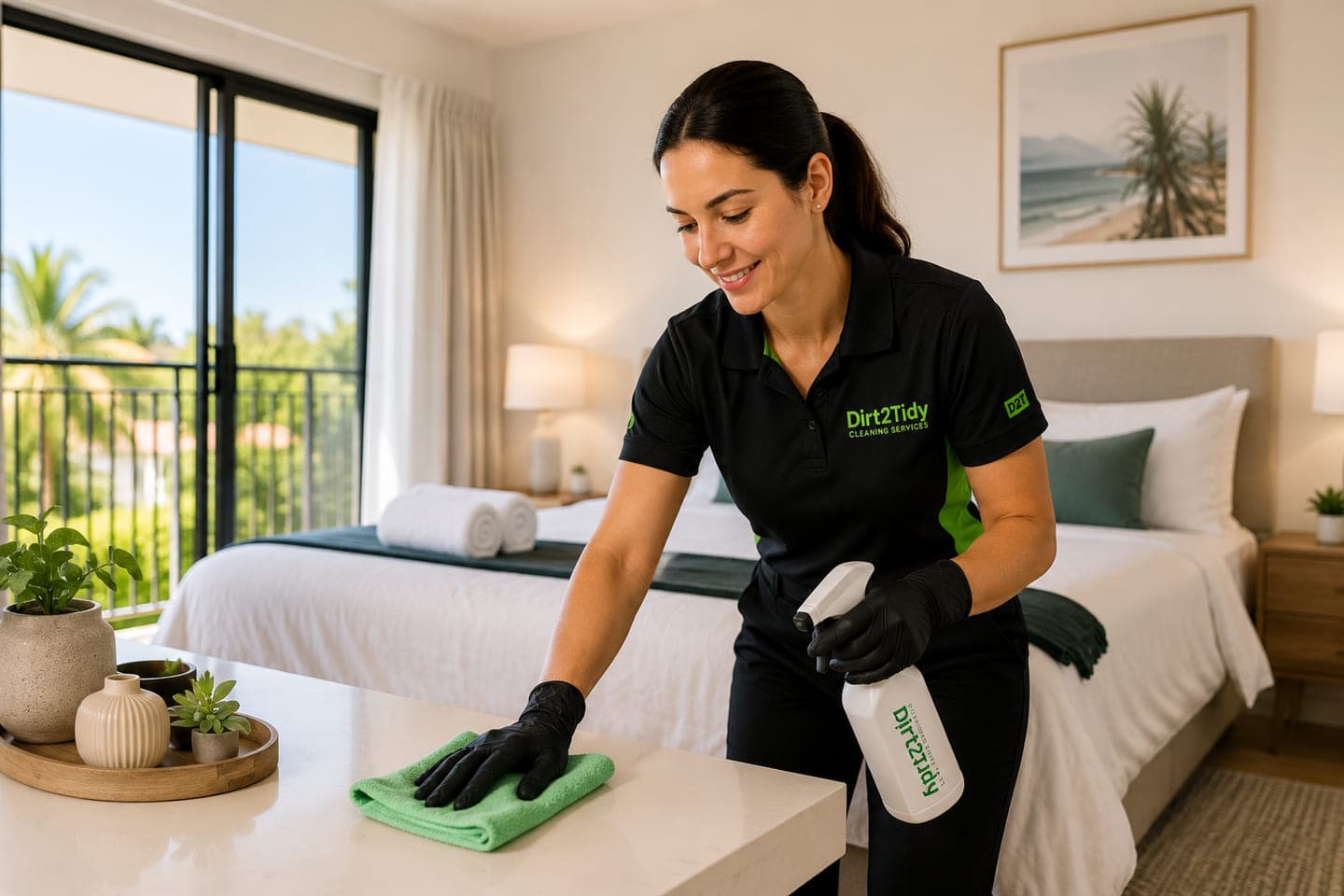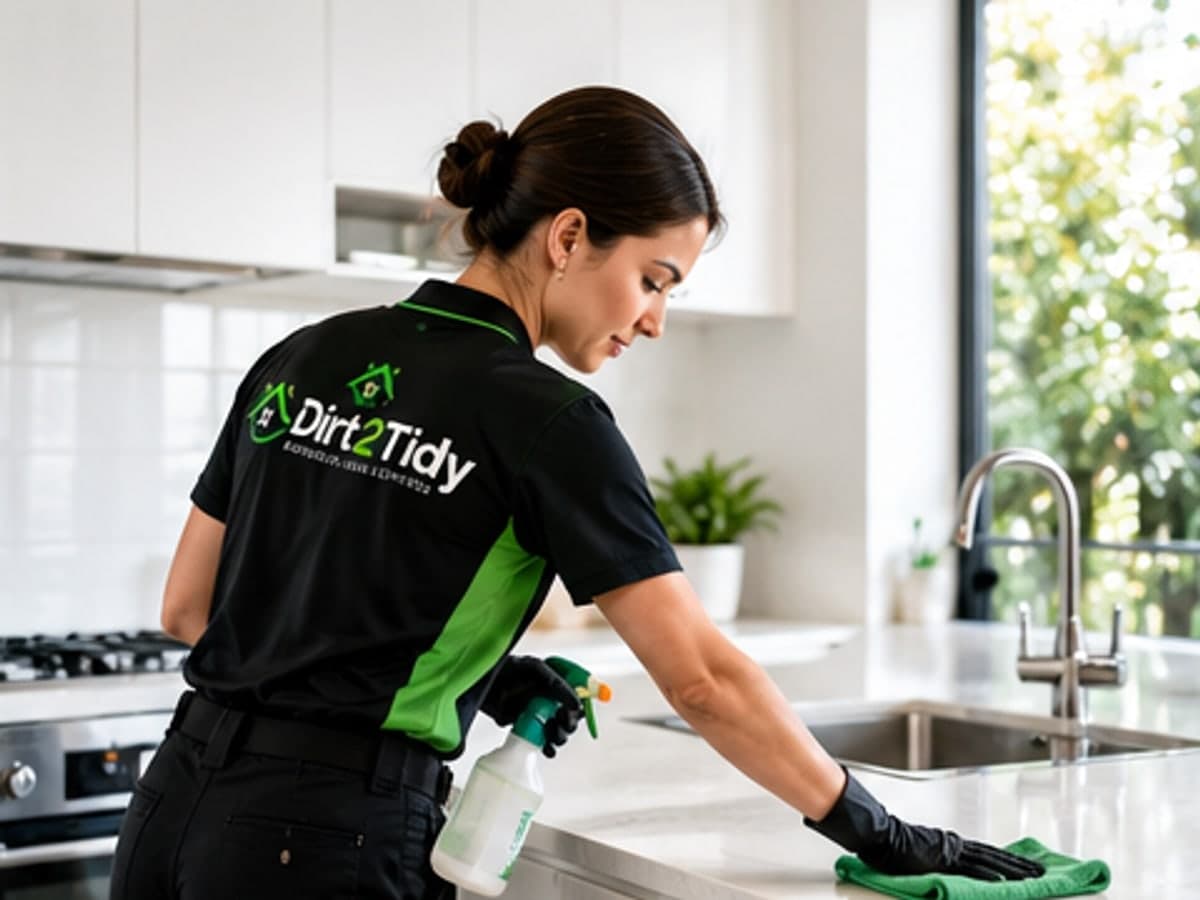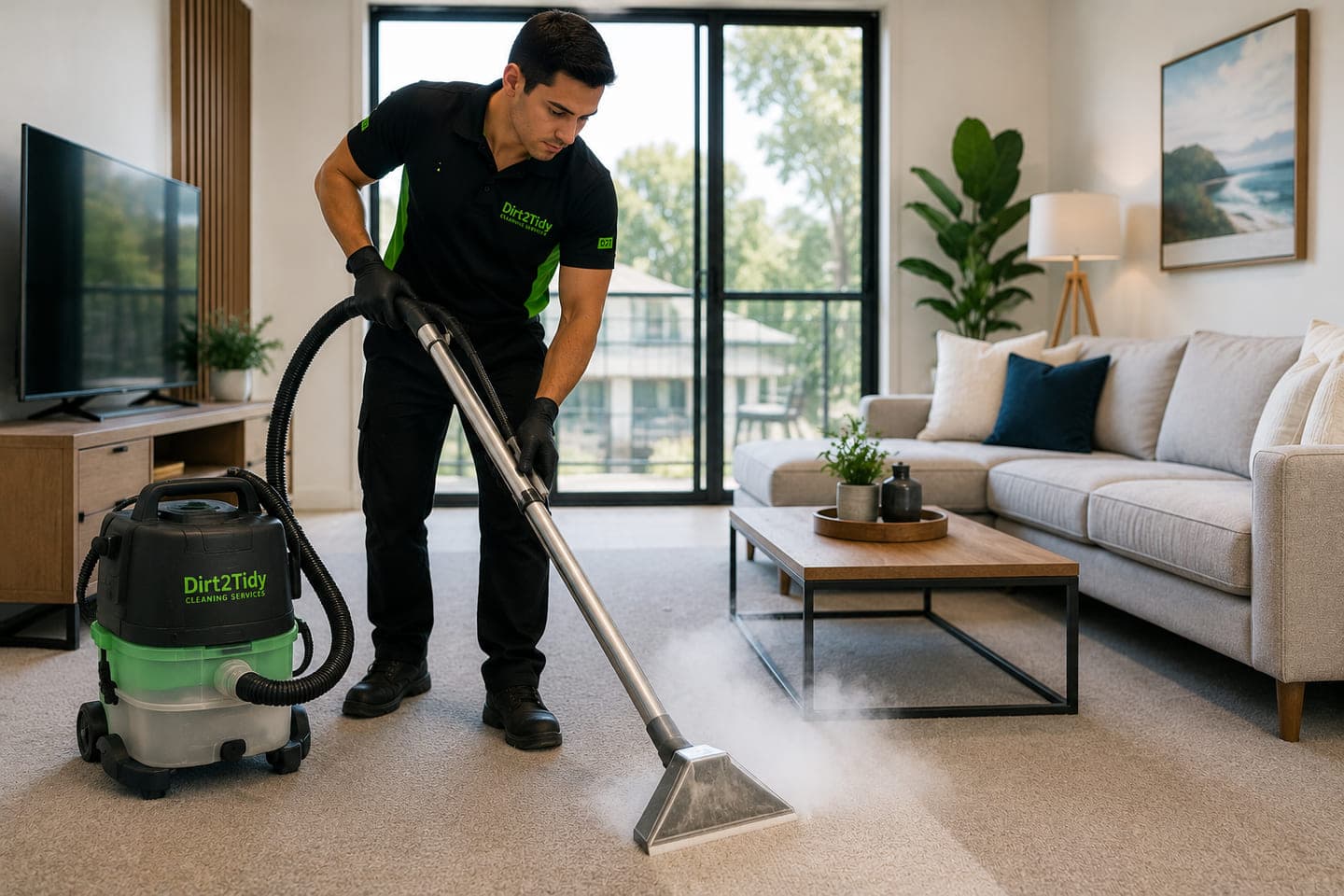
Use fewer, suitable products
Identify the surface and task before selecting a cleaner. Follow label directions for dilution, contact time, ventilation, protective equipment and rinsing. Do not mix vinegar, bleach, ammonia, solvents or other products.
Treat home recipes cautiously
Vinegar, citrus, oils, bicarbonate and alcohol can affect stone, metals, coatings, fabrics and seals. Avoid recipes that involve solvents, food-contact surfaces or unverified antimicrobial claims. Test only when manufacturer guidance allows it.
Reduce waste through practical choices
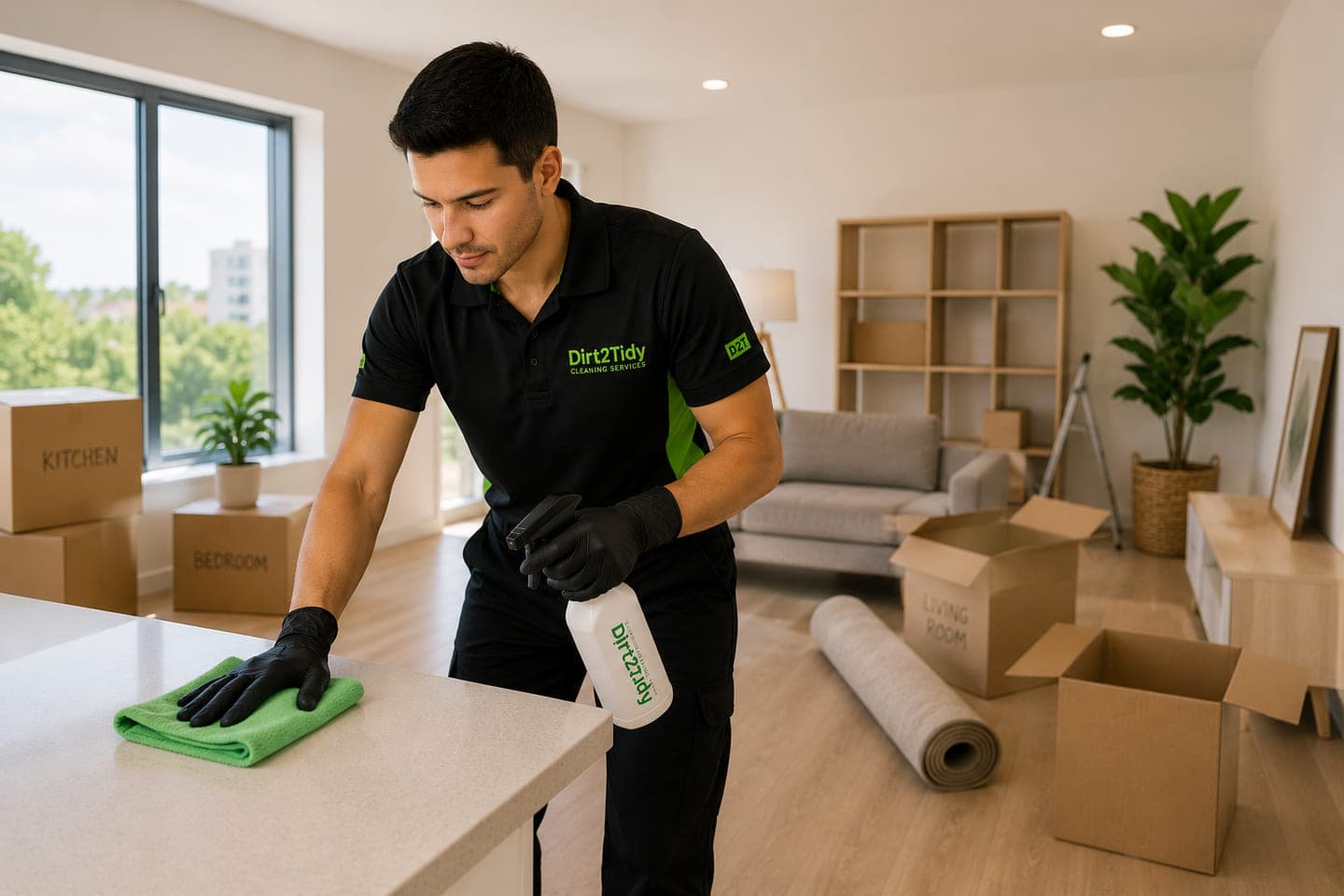
Use washable cloths where suitable, measure product as directed, store products safely and dispose of packaging according to local guidance. Avoid excess water, chemicals or single-use items when a safe reusable option is suitable for the task.
Check environmental claims
Ask what product is used and what supports a claim such as biodegradable or eco-friendly. Review labels and any relevant certification. A marketing phrase does not prove a product is non-toxic, harmless or effective on every surface.