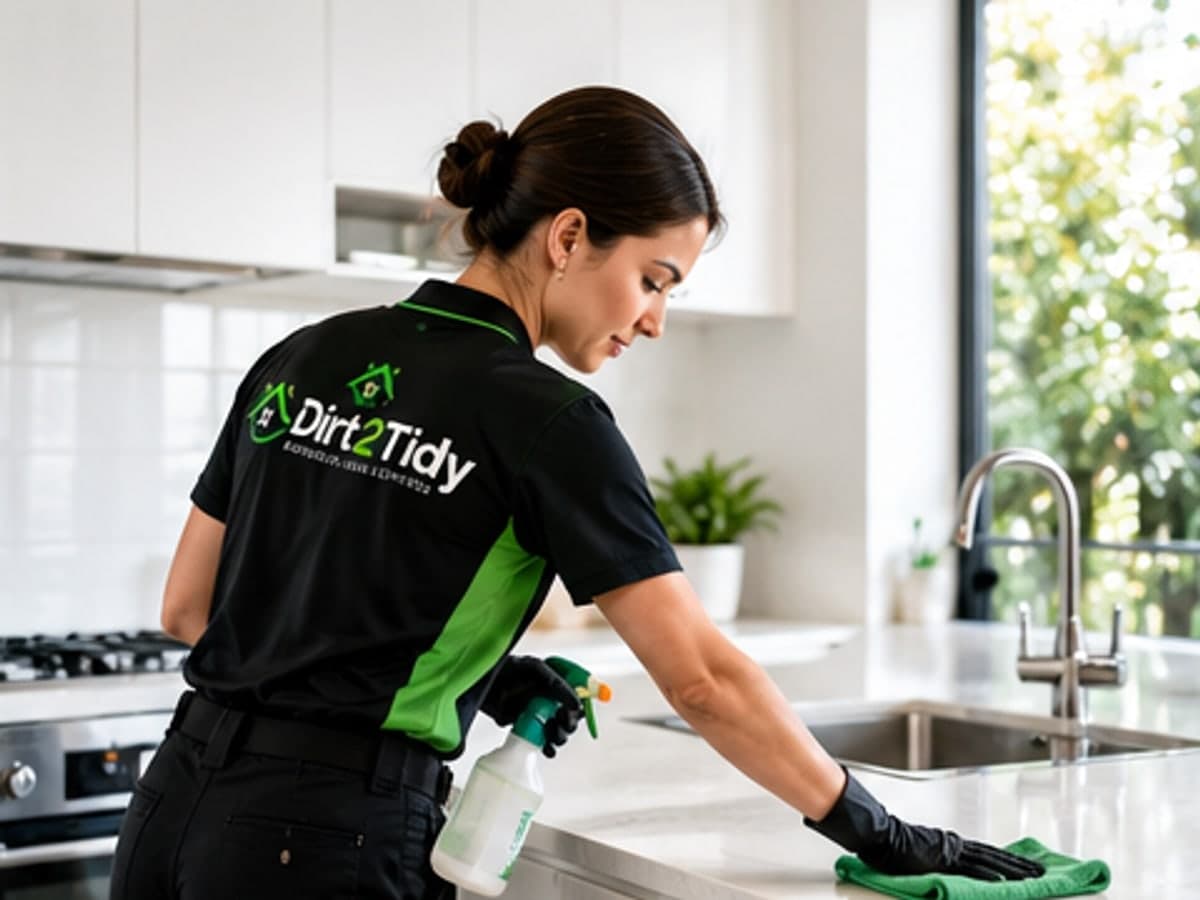
Check product instructions and safety information
Review intended use, dilution, contact time, ventilation, protective equipment, storage and disposal directions. Confirm compatibility with floors, food-contact surfaces, electronics and coatings. Do not mix products or decant them without proper labels.
Assess environmental claims
Ask what a claim covers and whether independent certification or documentation supports it. Terms like biodegradable, natural or non-toxic can refer to different things and should not be treated as a universal safety or performance guarantee.
Train staff and standardise use
Provide the right product, labelled container, measuring process and site procedure for each task. Keep products secured and train staff on dilution, application, rinse requirements and incident reporting.
Plan purchasing and waste
Use only the quantity required, consider refill systems where appropriate and follow local disposal instructions. The cleaning scope should identify who supplies products and consumables; do not assume every provider uses a particular brand or certification.