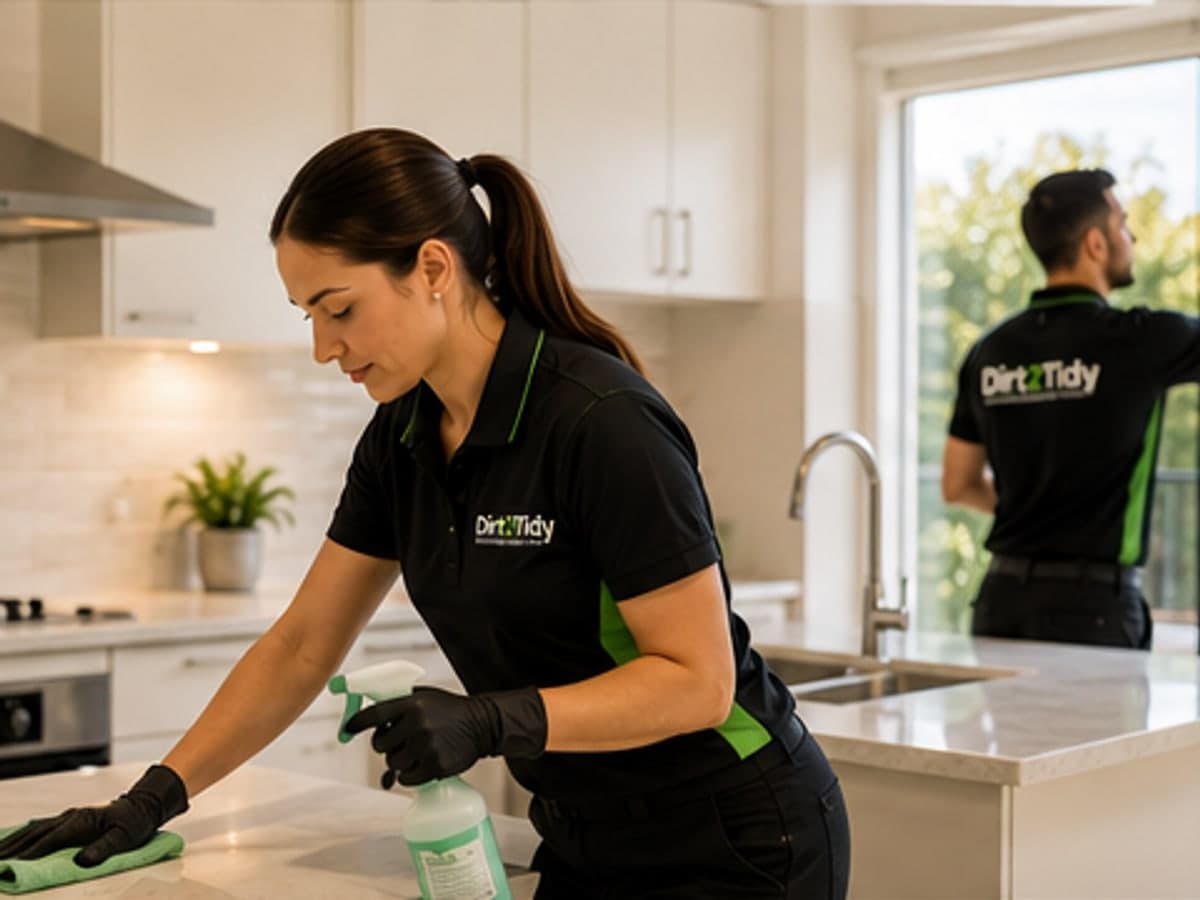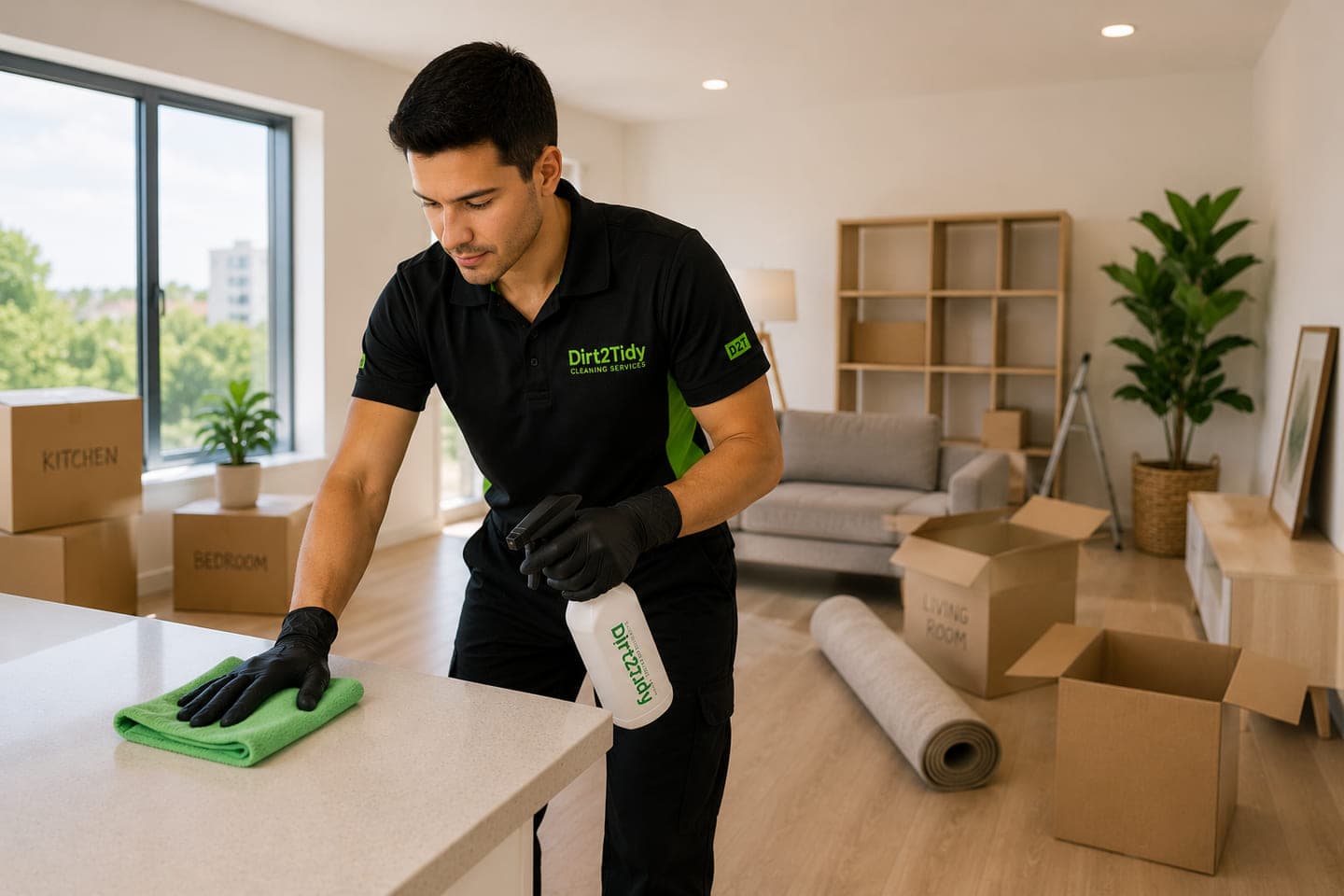

What green cleaning can mean
A responsible green-cleaning plan uses the least harmful effective method for the surface and soil. It may include measured product use, reusable cloths, lower-fragrance options, appropriate dilution, efficient equipment and sensible waste handling. The approach should still deliver a hygienic result.
A cleaner should be able to explain what products are used and where a stronger treatment is necessary.
Look beyond the label
Ask for the product name, safety information and instructions for use rather than relying on broad claims such as chemical-free or non-toxic. Consider fragrance sensitivity, children, pets, ventilation and the material being cleaned. Never mix products, especially acids, bleach or ammonia-based products. Follow the label and keep products away from people, animals and food.
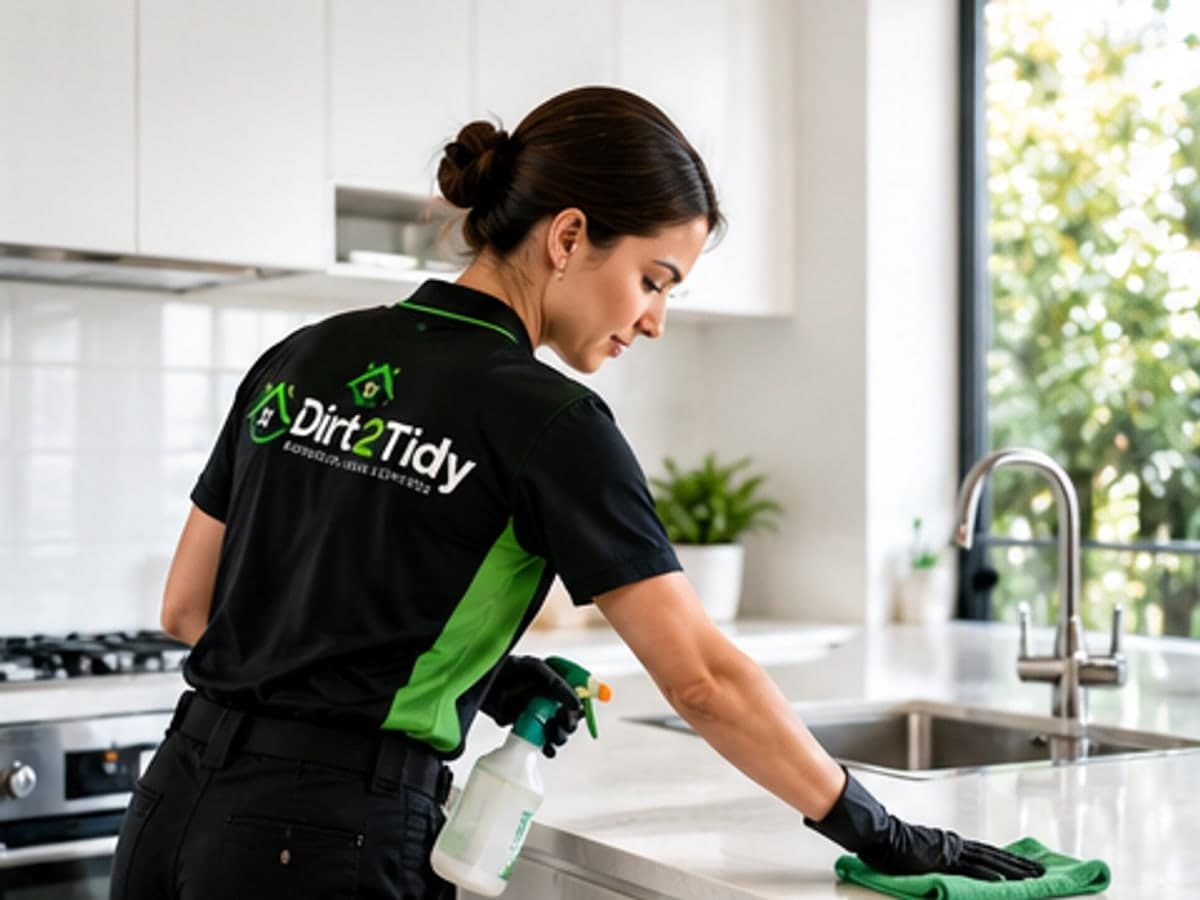
Green methods for an Australian home
Good basics include removing loose dust before wiping, using washable microfibre cloths correctly, avoiding unnecessary water, and choosing reusable equipment where practical. Ventilate rooms and allow surfaces to dry. For mould, heavy grease, biological contamination or a delicate finish, safe handling and the correct specialist method matter more than a marketing claim.
Questions to ask a cleaner
Ask what products and equipment are included, whether a fragrance-free option is available, how waste is handled and whether the method suits your floors, stone, timber or upholstery. Tell the cleaner about sensitivities and priorities before quoting. Dirt2Tidy can discuss a domestic cleaning scope and the practical product choices for your home.