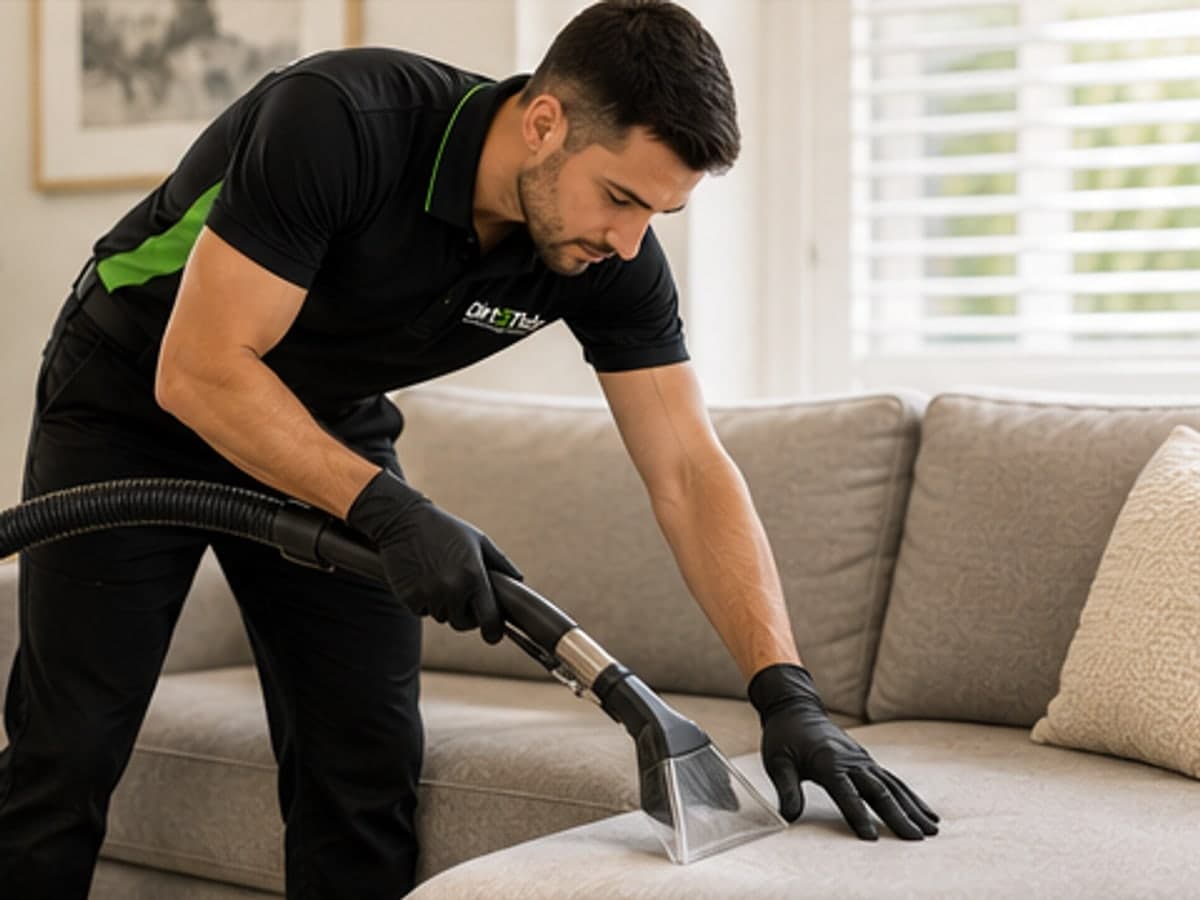
Why Regular and Thorough Carpet Cleaning Matters Adopting a Sustainable Approach to Carpet Care Get Rid of the Garbage and the Allergens Cleaning with No Soap or Detergent and Steam Natural Alternatives to Chemical Carpet Cleaners Industrial Carpet Washing Machines The best approach to maintain spotless mats and carpet is to use reputable carpet cleaners in the cleaning process.
In addition to being effective against unpleasant odours and unsightly spills, they are also simple to master like a professional carpet cleaning service. Since these approaches don’t use harmful synthetics, they’re superior to the standard alternatives.
Carpets can be kept clean while also being kind to the environment with the use of these eco-friendly cleaning techniques like using a carpet steam cleaner for stain removal. Amazingly, you can perform these green carpet cleaning techniques on your own.
Ask about their standard procedures if you plan on hiring a Carpet Steam Cleaning in Sydney. Regularly cleaning your carpets isn’t just for appearances it plays a big role in keeping your home healthy and feeling fresh.
Over time, carpets quietly collect a surprising amount of dust, allergens, pet dander, and even the occasional colony of dust mites. If left unchecked, these hidden guests can lead to not only unpleasant odours but also impact the air quality inside your home.
By removing built-up grime and microscopic irritants, frequent and effective cleaning helps maintain good airflow throughout your rooms, making the air easier for everyone to breathe. It also reduces the risk of irritations or allergies, especially for households with young children or pets who spend time rolling about on the floor.
If you want to go the extra mile, a yearly deep clean whether you do it yourself with eco-friendly solutions or bring in professional help ensures that your carpet remains not only spotless but also a safe and welcoming foundation for your home.
Opting for eco-friendly carpet cleaning isn’t just about keeping your home tidy it’s a smart step toward living more sustainably every day.
By reaching for naturally derived products or tried-and-true methods like using baking soda and vinegar, you limit the amount of harsh chemicals that find their way into our water systems and the broader environment. Regularly cleaning your carpets with greener alternatives also helps reduce your household’s carbon footprint.
Simple swaps, like choosing plant-based cleaners or reusable equipment, make a tangible difference benefiting not just your living spaces but the planet too. Every time you skip a heavy chemical or go for a method that uses less energy and water, you’re putting sustainability into practice, right from your living room.
Cleaning your carpet should begin with a regular vacuuming routine with vacuum cleaner. Doing so will get rid of any leftover soil, debris, or debris-filled water.
Before cleaning, some of the soil in the carpet can become stuck, or it might spread, and this is a major problem that can’t be avoided if you start utilising carpet cleaning techniques.
This means that the most effective first line of defence should be to regularly vacuum your carpet before cleaning it in an eco-friendly approach. This cleaning method utilises high-pressured hot water and non-toxic cleaning agents.
The dirt and bacteria in the carpet are dissolved in the water, and the water is then driven into the carpet fibres. The dirty side receives the detergent, and a thorough scrubbing follows. Following that, flush with fresh water. Air drying is the last step.
Bio clean and Rug shampoo are two examples of environmentally friendly cleaning products. They are, in order, the fruit of an orange tree and a grapefruit tree. Cleaning them is a breeze, and they come out smelling fresh and clean. If you are going to employ a business, be sure they use green cleaning products.
Negative outcomes are possible from the use of hazardous substances like perchloroethylene and naphthalene. They not only leave behind a pungent odour, but also a sticky residue on your carpet.
The Hidden Dangers of Traditional Carpet Cleaners Traditional carpet cleaning solutions often contain a cocktail of harsh chemicals, such as perchloroethylene and naphthalene, which can spell trouble not just for your carpets, but for your health and the planet as well.
These aggressive substances don’t just fight stains they linger in carpet fibres, leaving behind stubborn residues and often a pungent scent that’s far from inviting. What’s more, these chemical residues can actually act like a magnet for dust and dirt.
Over time, this can make your carpet feel stiff and far less comfortable underfoot, while also shortening its usable life. In households with children, pets, or anyone with allergies, the stakes rise even higher.
Airborne particles from chemical cleaners may provoke sneezing fits or trigger allergic reactions certainly not what you signed up for when aiming for a “clean” home. Let’s not overlook the bigger picture either. Conventional cleaners don’t just stay confined to your living room.
Once rinsed, the runoff can leach pollutants into groundwater, adding to the burden on our already stressed water systems. By switching to non-toxic, biodegradable cleaning solutions, you’re not only protecting your carpet and your family but also giving the environment a break.
Having deep clean carpets is excellent for the environment and your family’s health. The non-toxic, environmentally friendly carpet cleaning system protects your family by eliminating 98% of allergens from carpet and upholstery.
By avoiding harsh chemical cleaners, you also prevent harmful fumes and sticky residues that can linger in your home and trigger allergies or sensitivities especially important for households with children, pets, or anyone prone to allergic reactions.
Eco-friendly carpet cleaning products harness the natural cleaning power of ingredients like baking soda, providing effective stain and odour removal without the side effects of conventional cleaners.
This approach safeguards both your living space and the planet, ensuring that every deep clean not only leaves your carpet looking and smelling fresh but also maintains a truly healthy environment for everyone at home. You should treat your carpet before spending money on cleaning supplies. This necessitates identifying areas where problems are quite minimal.
Fortunately, there are a lot of commonplace things you might have lying around the house on the carpet right now. Cleaning services like using baking soda at night and inspecting the carpet when it’s exposed to sunlight and fresh air are effective methods for achieving this.
Cleaning Products for Carpets Products marketed as “green” carpet cleaners often rely on substances produced by plants to neutralise pollutants and odours. They are soft enough that your carpets won’t get damaged. Immediately, clean your carpet to get rid of any trace of soil, and clean the typical trouble spots by making the necessary adjustments.
There are numerous common options if you are unhappy with the way your carpet currently appears. Some Common Mistakes To Avoid While Cleaning Carpets will provide some further helpful advice. Carbonation energy is more effective at removing odours and stains with less than 83% water than sanitising steam is.
Carpets cleaned using smoke removal products may have a sticky residue that attracts spills and stains. Consequently, you will be able to complete these tasks without causing any damage to the carpet if you employ these methods.
Using Carbonated Water to Remove Carpet Stains Carbonated water can be surprisingly effective for tackling fresh stains on your carpet without resorting to harsh chemicals. The bubbles help to lift particles from the fibres, making it a gentle yet handy option for spot cleaning.
To clean a stain with carbonated water: Lightly spray or pour a small amount of carbonated water directly onto the stained area. Allow the fizzing action to break up the stain for a moment. Gently blot (never scrub!) with a clean, dry cloth or paper towel to absorb both moisture and loosened dirt.
For persistent spots, you can follow up with a mild solution of warm water mixed with a non-toxic liquid soap, again blotting rather than rubbing. Finish by blotting with a fresh towel to leave the area as dry as possible and prevent any residue.
This method is quick to try with items you likely have at home and pairs well with other eco-friendly techniques. Carpets cleaned using smoke removal products may have a sticky residue that attracts spills and stains.
The Importance of Spot Testing Before applying any cleaning product whether it’s a homemade solution or a store-bought formula to your carpet, always do a spot test. This quick step helps you avoid unwanted surprises, such as colour fading, fabric damage, or unexpected reactions between the cleaner and your carpet fibres.
Simply choose a small, hidden area (like behind a door or under the sofa) and apply a tiny amount of the product. Let it sit for a few minutes, then blot with a clean cloth and check for any changes in colour, texture, or staining.
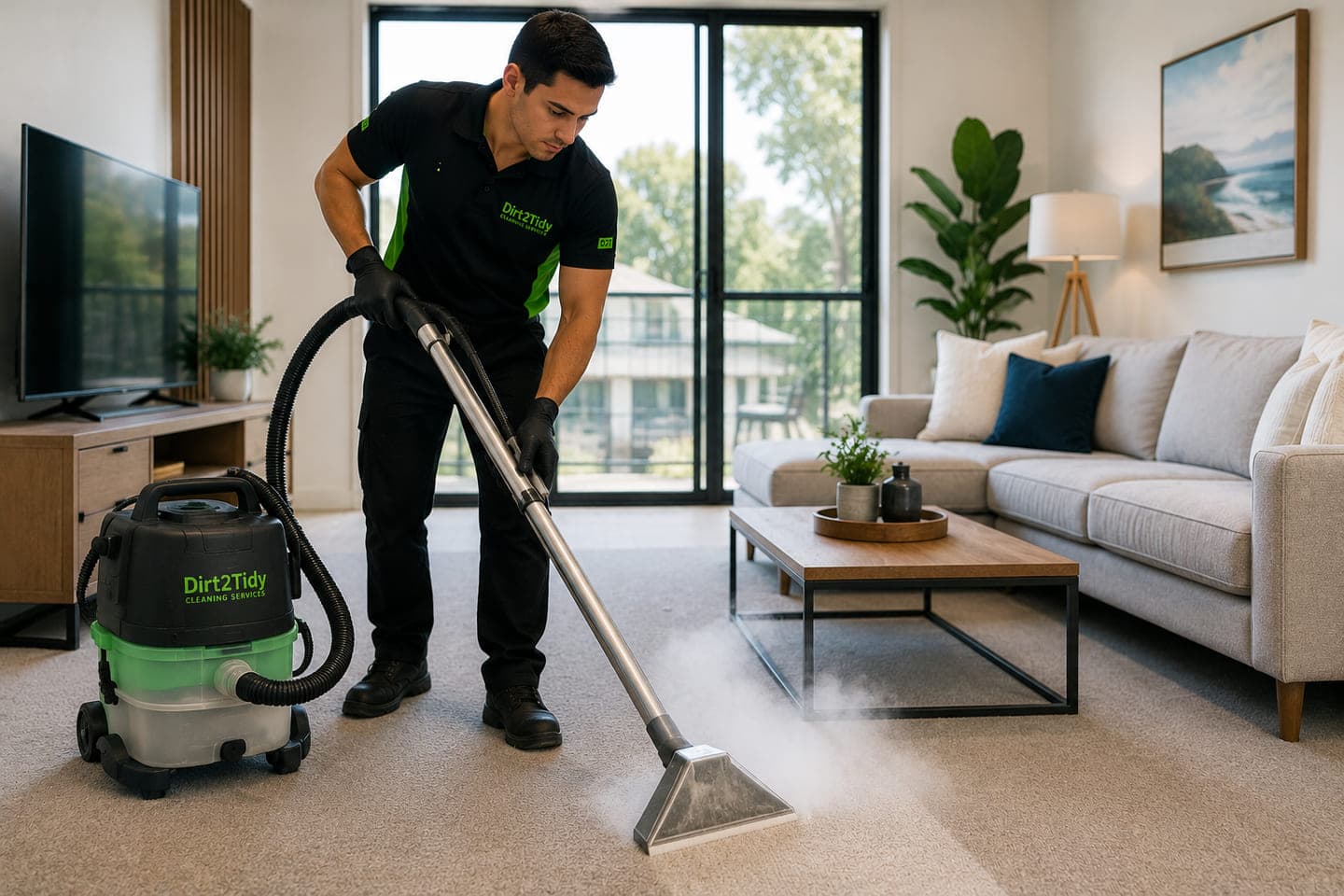
If all is well, you can proceed confidently with cleaning the rest of your carpet. Spot testing protects your carpets from costly mistakes and ensures your eco-friendly (or even not-so-eco-friendly) solutions work as intended. Steam cleaning your carpet eliminates the need for any detergents.
Using hot water, steaming loosens the dirt embedded in the carpet fibres, making them easy to vacuum up. Furthermore, the high temperature of the steam eliminates the need for detergent by killing any germs that may have been present. Some natural detergents, such as vinegar, can be added if desired.
When dealing with mildew and rotting fibres, this is an effective cleaning solution. You shouldn’t be concerned about the odour. It vanishes in just a day at most. Solvent for Organic Materials When it comes to cleaning carpets, hydrocarbon cleaning solvents are a fantastic choice.
Even while there is some worry that the synthesis of these compounds contributes to rising levels of glasshouse gases, they are generally safe for the environment.