Ask how the carpet and fibre will be assessed
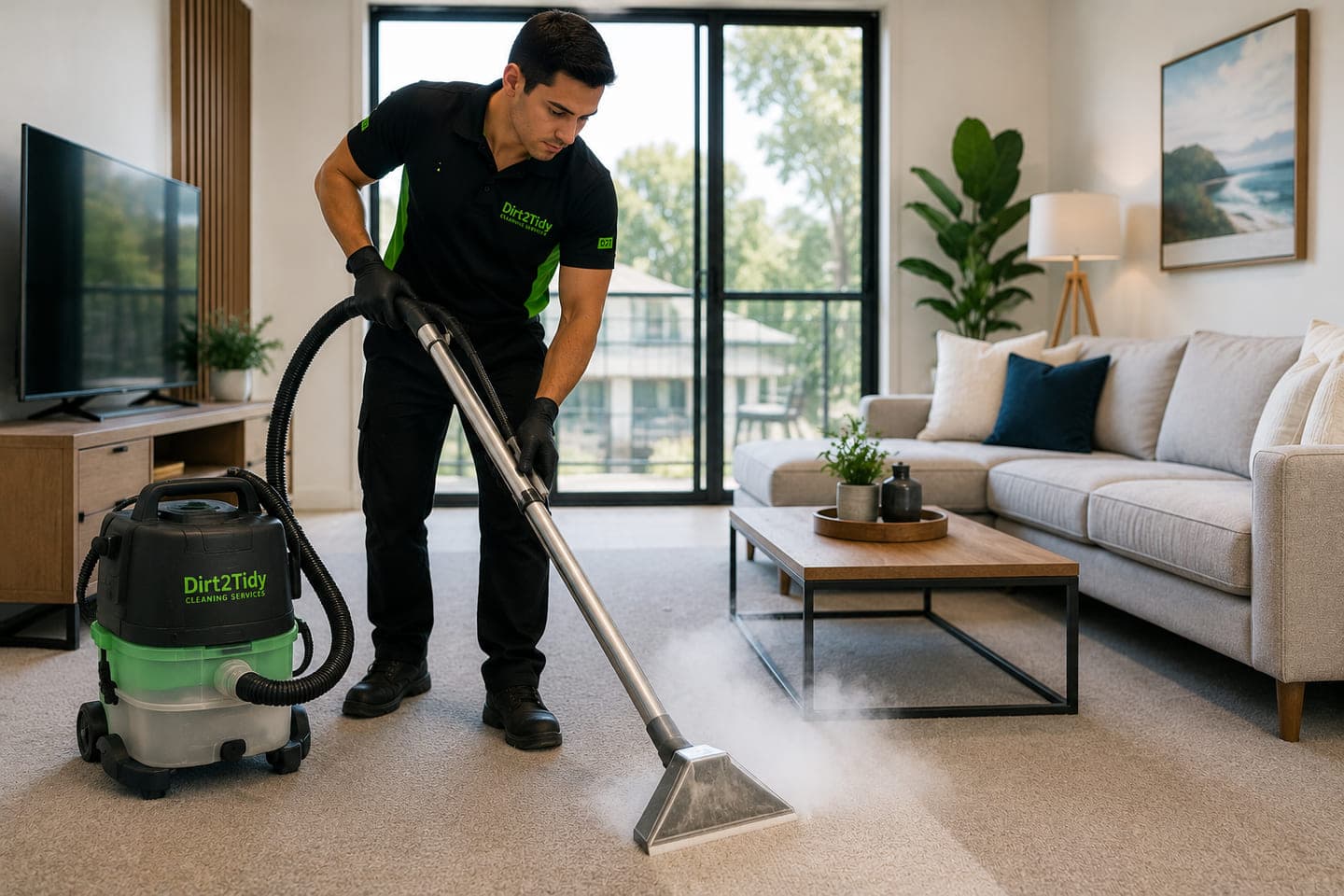
Share the carpet label or fibre type, age, condition, rooms, stairs, stains, odours, prior treatments and access. Extraction, low-moisture and other methods are not suitable for every carpet. Ask what method is proposed and what could change after an inspection.
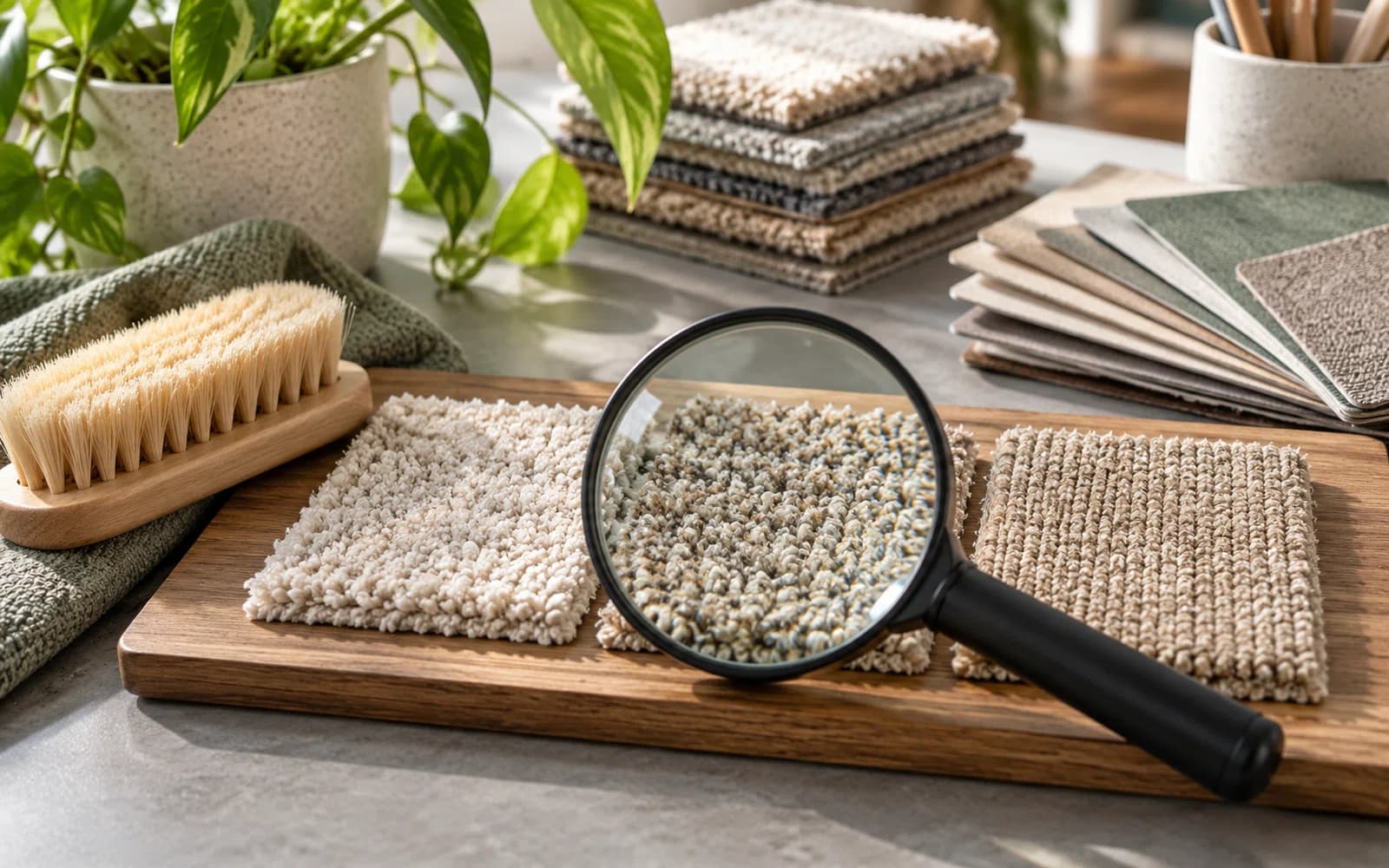
Discuss stains, wear and realistic limits
Discolouration, bleach, dye transfer, rust, permanent marker, worn pile, damaged backing and old treatment may not respond to cleaning. No provider can guarantee every stain will disappear. Tell the cleaner what products were used and avoid applying another spotter before assessment.
Compare drying, furniture and written scope
Confirm which rooms, rugs, stairs and accessible furniture are included, whether moving furniture is expected, and how drying is affected by airflow and carpet construction. Review the price, exclusions and preparation instructions in writing. Ask how to contact the provider if an agreed area needs review.
Choose the provider for fit, not unsupported promises
Look for a clear explanation of method, price, timing and limitations. Cleaning may improve appearance on suitable carpets, but cannot sanitize every fibre, treat a medical condition, restore structural wear or prove improved indoor air quality.
Keep cleaning separate from restoration
A cleaner removes suitable soil from the agreed carpet scope. Repairing tears, replacing underlay, remediating mould, treating pests and correcting water damage are separate specialist tasks. Ask who to contact if inspection finds a condition beyond routine carpet cleaning.