DIY Upholstery Cleaning Hacks for Australian Families

While professional cleaning is important, there are many DIY upholstery cleaning hacks that can help you maintain your furniture between deep cleans.

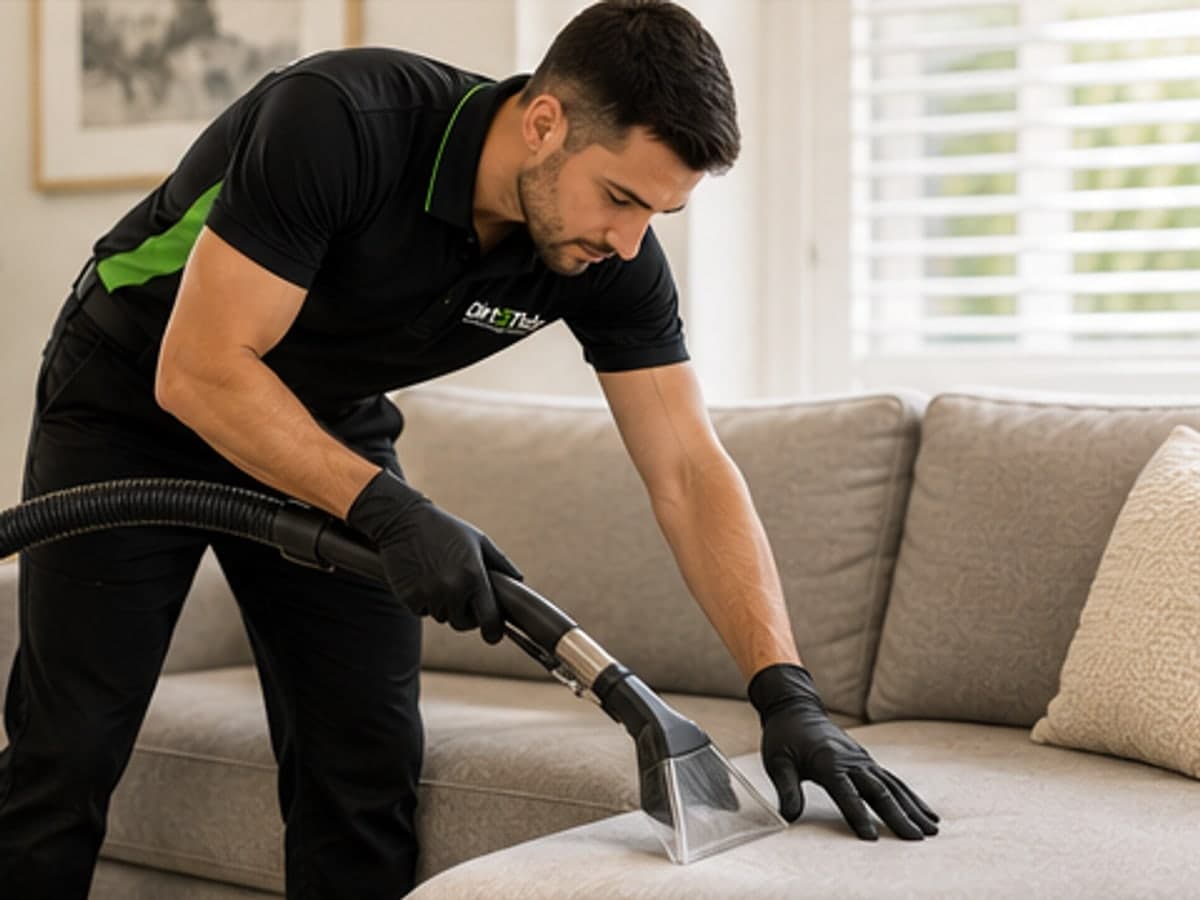
Upholstery cleaning on a sofa in an Australian lounge

Using Everyday Household Items for Effective Cleaning Step-by-Step: Cleaning Your Sofa with Baking Soda and Vinegar How to Make Your Own Upholstery Cleaner Why You Should Avoid Harsh Chemicals on Upholstery Step-by-Step Guide to Removing Tough Stains The Best Techniques for Spot Cleaning How to Refresh and Deodorize Your Upholstery Tips for Preventing Future Stains When to Consider Professional Help What Factors Influence the Cost of Professional Sofa Cleaning?

How to Protect Your Upholstery from Australia’s Weather Conditions Keeping your upholstery clean can be a challenge, especially in busy households with kids, pets, and frequent guests. While professional cleaning is important, there are many DIY upholstery cleaning hacks that can help you maintain your furniture between deep cleans.

This guide provides practical, budget-friendly tips for Australian families to keep their upholstery looking fresh and clean with everyday household items. You don’t need to invest in expensive cleaning products to keep your upholstery clean .

Many everyday household items can be just as effective: Baking Soda: Sprinkle baking soda over your upholstery and let it sit for 15-20 minutes before vacuuming it up. It helps to absorb odors and loosen dirt, making it easier to clean.

White Vinegar: A mixture of equal parts white vinegar and water can be used to spot clean stains. Dab the solution onto the stain with a cloth and blot until the stain lifts. Dish Soap: A small amount of dish soap mixed with water can be used to gently clean fabric upholstery.

Apply with a soft cloth or sponge, blotting gently to lift dirt and stains. Cornstarch: For greasy stains, sprinkle cornstarch on the spot and let it sit for a few hours before vacuuming it up. Cornstarch absorbs the grease, making it easier to remove.

You can also make a cornstarch paste with a bit of water for more stubborn spots, or use it as a dry shampoo for fabrics to freshen up cushions and armrests. Lemon Juice: Ideal for light-coloured fabrics, lemon juice is a natural stain lightener—particularly effective on rust or tannin stains (like tea and coffee).

Mix it with a little salt to make a cleaning paste that’s great for spot treatments, plus it leaves a fresh, pleasant scent behind. Rubbing Alcohol (Isopropyl Alcohol): This handy household staple acts as a solvent, making it perfect for tackling stains like ink, grease, or certain dyes that water alone can’t shift.

Dab gently but keep it away from delicate fabrics like silk or wool, and always use it in a well-ventilated area away from open flames. Baby Wipes: While not a pantry item, baby wipes are a lifesaver for quick touch-ups and emergency spills.

Their gentle formula and soft texture make them ideal for small spots on fabric sofas—just don’t use them for every clean, as it can get pricey. These common household items are safe, effective, and readily available, making them ideal for quick upholstery cleaning.

With a little creativity and the right know-how, you can tackle everything from everyday dirt to unexpected spills without breaking the bank. These common household items are safe, effective, and readily available, making them ideal for quick upholstery cleaning .

Combining baking soda and vinegar is a tried-and-true trick for tackling tough stains and freshening up upholstery. Here’s a simple way to harness their cleaning power for your sofa: Sprinkle the Baking Soda: Dust a generous layer of baking soda directly onto any stains or areas that need a refresh.

Let it sit for about 15–20 minutes. This gives the baking soda time to absorb odors and start loosening dirt. Mix the Cleaning Solution: Fill a spray bottle with equal parts white vinegar and water, then add a small squirt of dish soap (such as Morning Fresh or a similar gentle detergent).

This blend boosts cleaning and helps cut through grease. Spray and Activate: Lightly mist the vinegar mixture over the baking soda-covered spots. You’ll notice a fizzy reaction as the two combine—this bubbling helps lift grime from deep within the fabric fibers.

Let It Work: Allow the bubbly mixture to sit and work its magic for around 10 minutes. The reaction helps break up stubborn stains and draws dirt to the surface.

Practical next steps for Diy Upholstery Cleaning Hacks

Customers searching for diy upholstery cleaning hacks usually need a clear answer before they book. This page focuses on upholstery and soft-furnishing care, including what to prepare, what the cleaning scope should cover and which details affect the final visit.
  • Share the property type, size, condition and access information before requesting a quote.
  • Identify priority rooms, surfaces, stains, pets, furniture and any inspection or handover date.
  • Separate cleaning from repairs, pest treatment, plumbing, electrical or restoration work.
  • Confirm inclusions, exclusions and optional services before the appointment.
Use the related service pages for the detailed scope: Upholstery Cleaning and Carpet Steam Cleaning. The team can confirm the right scope before work begins.
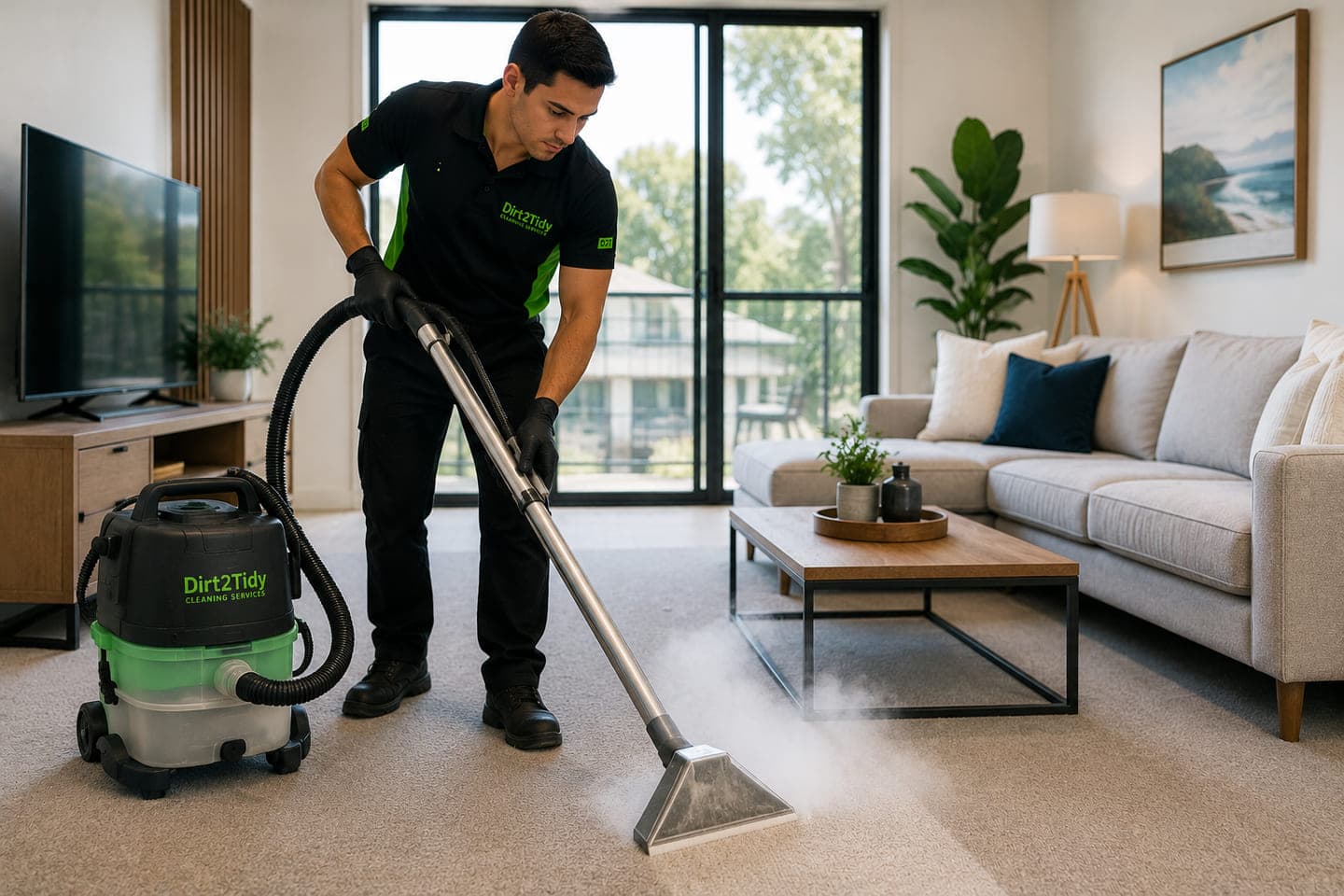
Carpet steam cleaning treatment in an Australian living room
Keep cleaning moving

Related Cleaning Services

More from Dirt2Tidy

Related Cleaning Guides

FAQ

FAQs

Everything about bookings, coverage and what to expect.

Clear loose belongings, confirm access and share the property size, condition, timing and priority areas so the scope is accurate.

Yes. Provide the property details and the work you need, then confirm inclusions and any extras before booking.