Plan before moving anything
List rooms, priorities, belongings, appliances, floors, windows, carpet and access. Remove ordinary clutter while keeping valuables, documents, chemicals and personal property under control. Photograph damage and identify repairs, pests, mould-like growth, leaks and hazardous materials before starting.
Work from dry to wet
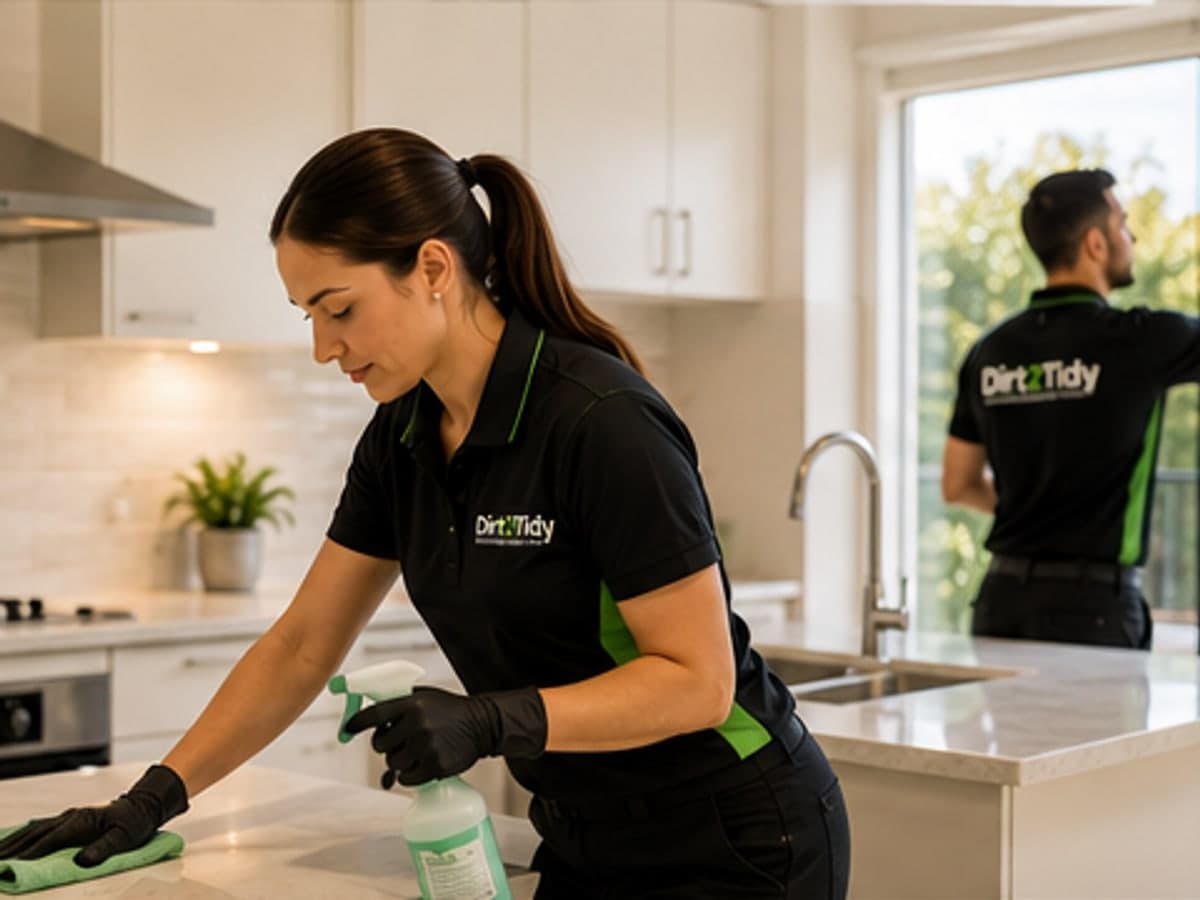
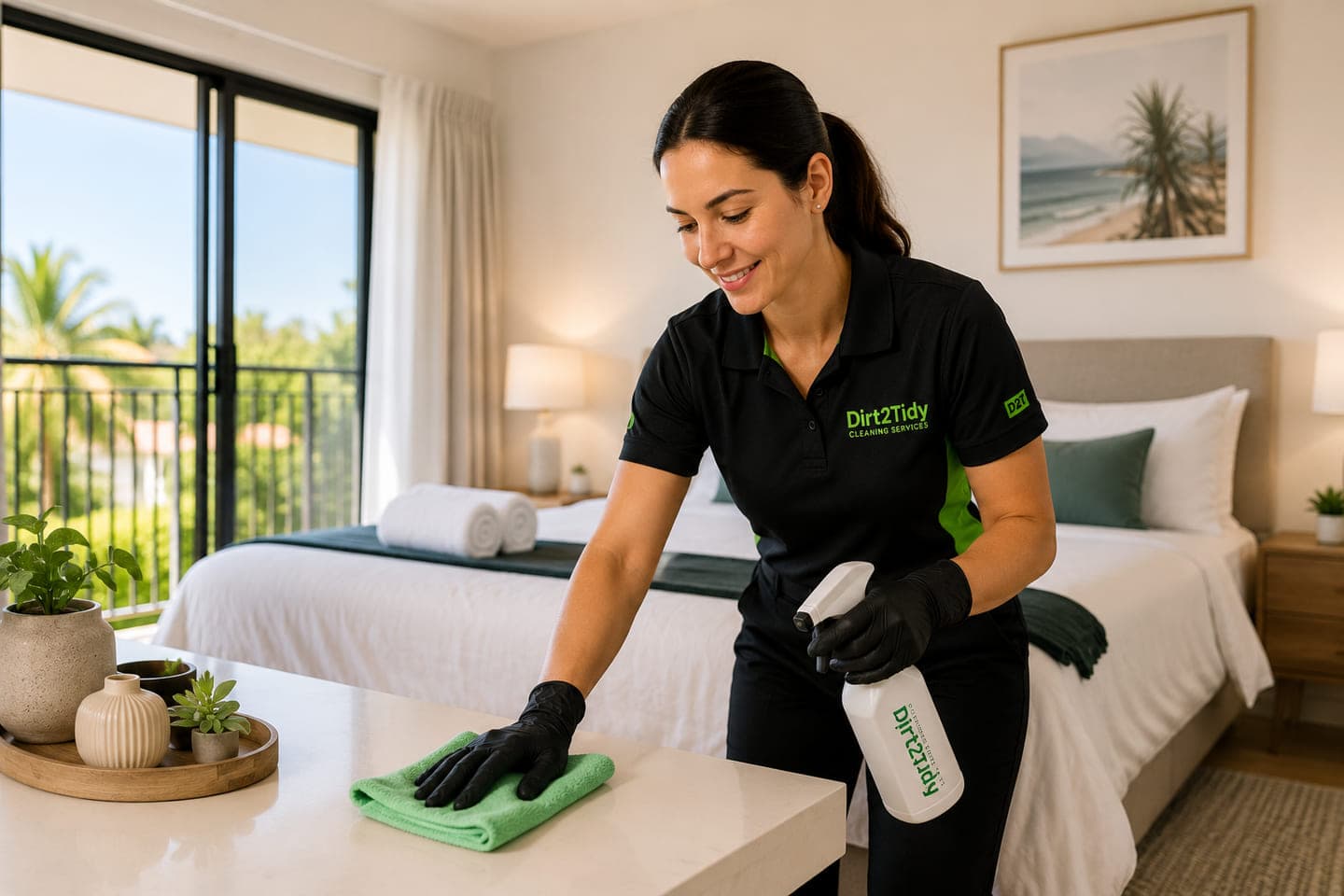
Remove loose dust and soil before wiping, clean higher surfaces before floors and change cloths between bathrooms, kitchens and living areas. Check the fibre, backing, dye and manufacturer guidance for carpet and upholstery, and check surface instructions for stone, timber, paint and appliances.
Control products, moisture and access
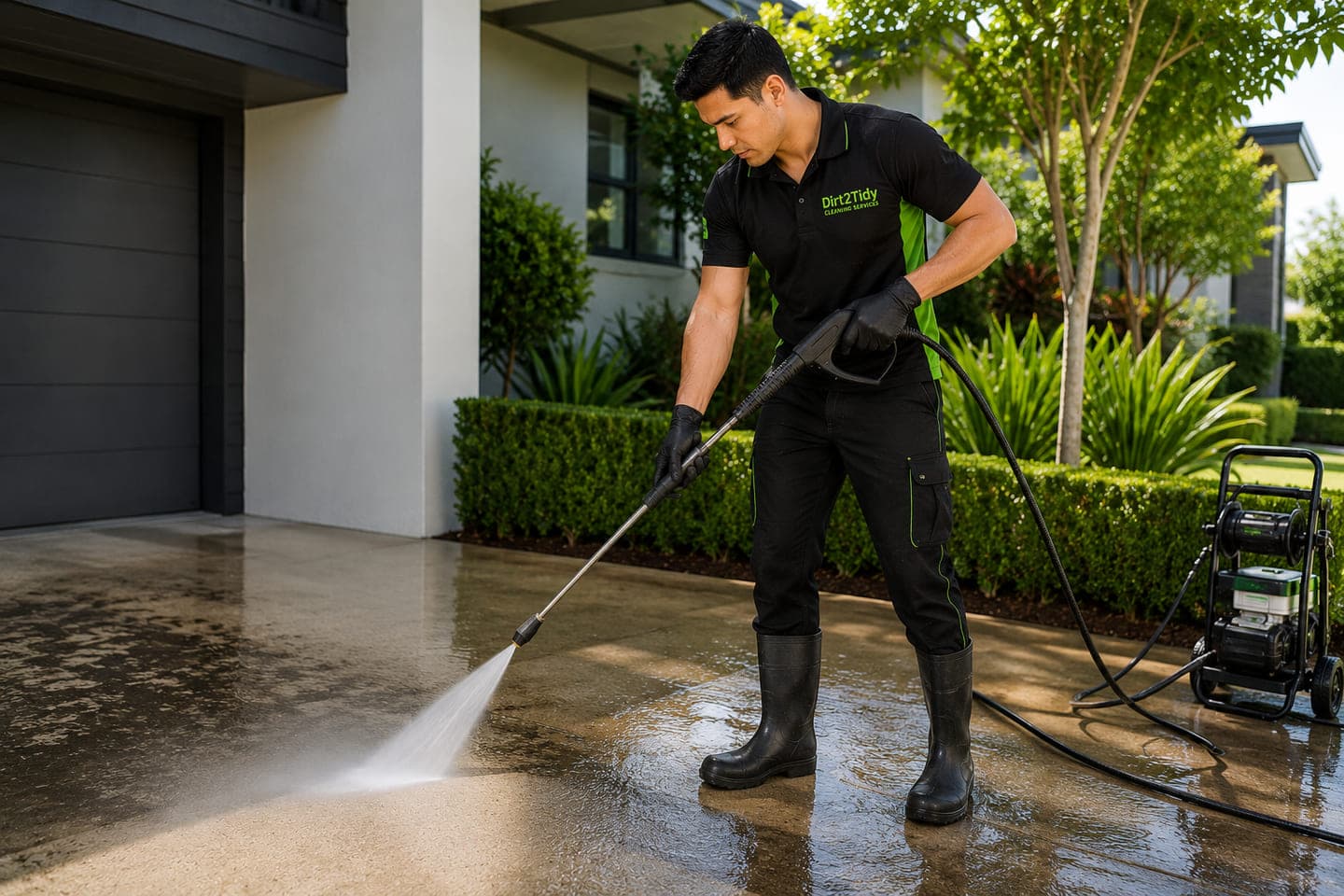
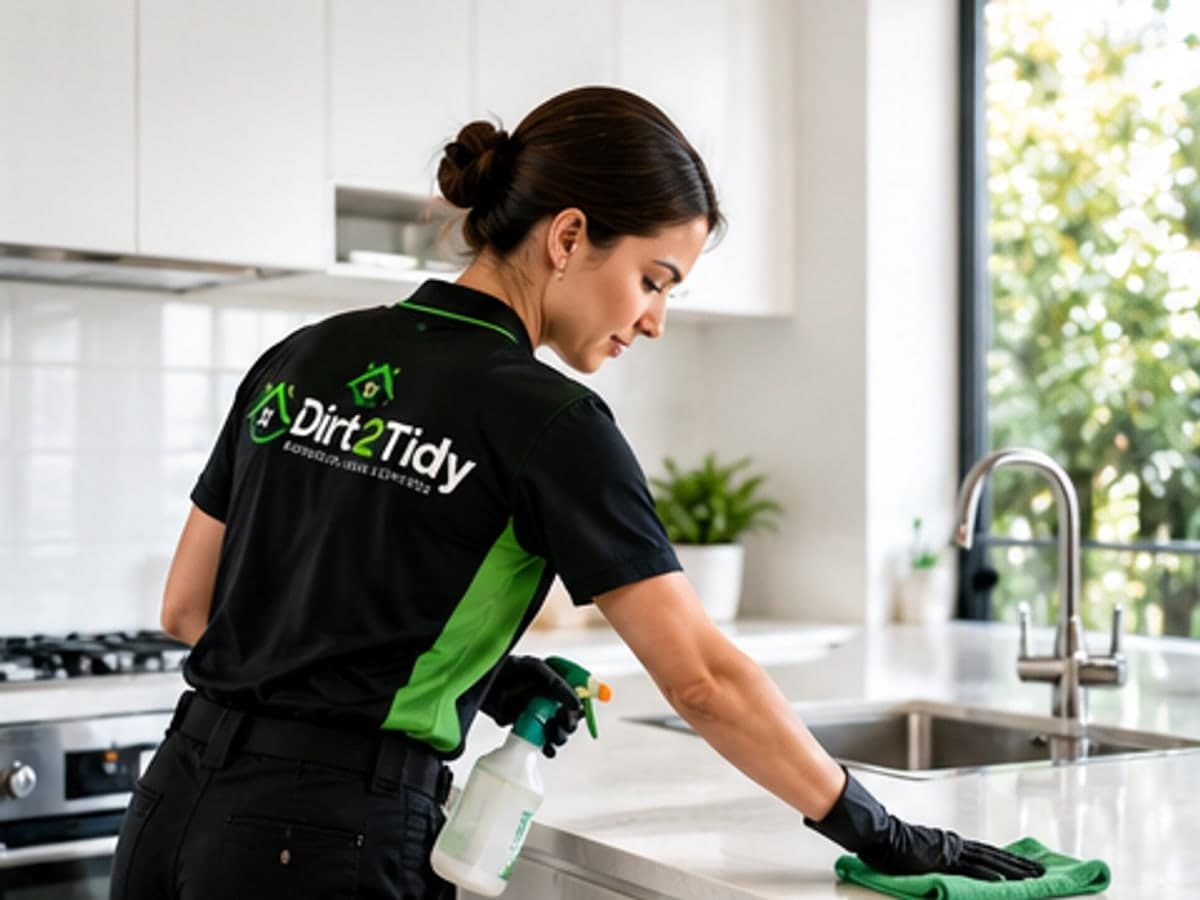
Use the least aggressive compatible product, spot-test unfamiliar methods and never mix chemicals. Keep water away from electrics, unsealed joinery and appliance controls. Do not climb furniture or improvise at height, and allow damp surfaces and fabrics to dry safely before reuse.
Escalate work outside ordinary cleaning
Deep cleaning cannot repair leaks, damaged finishes, broken appliances, pests, extensive mould-like growth, hazardous waste or water damage. Dirt2Tidy can quote a defined domestic or deep-cleaning scope after the property is safe, while specialist work should go to the appropriate provider.