Table of Contents
As a business owner, you know the importance of keeping your space clean and sanitary. Not only does it create a better environment for your customers and employees, but it also helps prevent the spread of germs and illnesses. Hiring professionals can be helpful if you don’t have the time or resources to take on the job yourself. You can hire commercial cleaning services Brisbane to do the job for you. However, if you decide to do the cleaning yourself, here are some quick tips and tricks to get it done quickly and efficiently.
Keep Up with Good Habits Post-Pandemic
Just because the world is moving on from the peak of the COVID-19 pandemic doesn’t mean we should drop the ball on effective cleaning practices. In fact, sticking with those enhanced commercial cleaning routines can pay off for your business in the long run. Regular and thorough cleaning helps keep germs, viruses, and bacteria at bay—not just COVID-19, but also seasonal bugs like the flu or common cold that can still sideline your team.
By maintaining these extra precautions, you’re not only showing your employees and customers that you care about their health, but you’re also reducing the chance of unexpected closures due to illness outbreaks. Plus, a consistently clean space always makes a better impression and builds trust with everyone who steps through your doors.
Let’s explore some practical ways to keep your workplace spotless year-round.
Why Is Commercial Cleaning Different from Residential Cleaning?
You might be wondering, “Isn’t cleaning just cleaning?” In reality, commercial cleaning is an entirely different beast compared to sprucing up your home. For starters, commercial spaces—whether that’s an office, a retail shop, or a bustling restaurant—see a much higher volume of people every day. This constant foot traffic brings in more dirt, germs, and, let’s be honest, mysterious stains that nobody will ever admit to.
In contrast, residential cleaning tends to be simpler. Homes are smaller, usually hosting just a few family members or roommates, so there are fewer surfaces to sanitize and less grime building up each day. Even if you live in a mansion, chances are you don’t have dozens of people coming in and out, touching every doorknob or leaving fingerprints on shared equipment and appliances.
Commercial spaces also come with their own set of challenges:
- Heavy-duty messes: Think carpet stains from spilled coffee, muddy footprints in the lobby, or smudges on glass doors from constant use.
- Specialized equipment: You might need industrial vacuums, floor scrubbers, or high-powered steam cleaners—products like those from Kärcher or Hoover—to tackle the tougher jobs.
- Strict standards: Many workplaces must follow health and safety regulations, especially if food is handled or high volumes of customers are present.
All in all, while cleaning your home can be a relatively straightforward affair, commercial cleaning requires more time, robust products, and elbow grease to keep everything sparkling and safe.
Commercial Cleaning vs. Domestic Cleaning: What Sets Them Apart?
At first glance, cleaning might seem universal—spray, scrub, repeat. But there’s actually a fundamental difference between commercial cleaning and domestic cleaning, and it’s more than just a matter of scale.
Domestic cleaning covers the basics at home: dusting shelves, vacuuming carpets, wiping kitchen counters, and scrubbing the occasional stain off a bathroom mirror. With fewer people coming and going, tackling germs and grime is usually a straightforward affair. Think Saturday morning with your favorite playlist and a bottle of Windex.
Commercial cleaning, on the other hand, is a different ball game. Office buildings, restaurants, retail stores, and clinics see much more foot traffic—which means lots more mess and, unfortunately, many more germs. Commercial spaces often include high-touch points like doorknobs, elevator buttons, and shared equipment, all of which need frequent disinfecting. The variety of surfaces (from tile floors to industrial carpets to glass walls) and strict standards pushed by organizations like OSHA also mean cleaners must come armed with professional-grade products and equipment—think HEPA-filtered vacuums or electrostatic sprayers.
In a nutshell, domestic cleaning is about comfort and routine upkeep at home, while commercial cleaning is all about keeping business spaces healthy, safe, and looking sharp for everyone who walks through the door.
Prioritize Areas of High Traffic
Regarding commercial cleaning, some areas are more important than others. For example, bathrooms and common areas should be cleaned more frequently than less trafficked areas like back offices or storage spaces. This is because these areas tend to collect more dirt and grime due to the high foot traffic they receive daily. To ensure that these high-traffic areas remain clean and presentable, you should prioritize them when allocating time for cleaning.
Tailor Cleaning Methods to Your Specific Facility
Not every commercial space has the same cleaning needs. It’s essential to match your cleaning routine to the unique requirements of your facility. For offices, you’ll want a team familiar with caring for electronics and moisture-sensitive equipment like copiers, computers, and telephones. Surfaces such as desks, keyboards, and shared equipment should be regularly sanitized with the right disinfectants to minimize germ transfer from daily activities like eating or sneezing at the desk.
In retail environments, especially clothing stores, a different set of priorities comes into play. In addition to restrooms, fitting rooms deserve special attention—they’re hotspots for germs since customers often change clothes and walk barefoot, making it easy for contaminants to accumulate. Be sure your cleaning plan covers frequent sanitizing of all surfaces in these areas, focusing on high-contact spots like door handles, benches, and mirrors.
By understanding the specific risks and traffic patterns in your business, you can ensure your cleaning strategy addresses all the details that matter most—helping your space stay fresh, safe, and inviting for everyone who walks through the door.
The Right Way to Disinfect Commercial Spaces
When it comes to keeping your business environment healthy, simple dusting and sweeping won’t do the trick—you need to include proper disinfection in your routine. Disinfection isn’t just about appearances; it’s about removing unseen germs and bacteria that could put your staff and customers at risk.
Start by giving all surfaces a good clean using soap or an all-purpose detergent. This step removes grime and helps your disinfectant work more effectively. Next, use a quality disinfectant spray or wipes (Lysol, Clorox, or Dettol are all reliable choices) on frequently touched surfaces. Focus on things like doorknobs, light switches, handrails, desks, phones, keyboards, and kitchen appliances. Remember, spots that see constant contact during the day need extra attention.
For electronics and moisture-sensitive equipment, avoid soaking them. Instead, use wipes or a microfiber cloth lightly dampened with disinfectant. For spaces where crumbs or dust build up—like on keyboards or printers—give them a pass with a vacuum beforehand to make disinfection safer and more effective.
Carpets must be vacuumed regularly to keep allergens at bay and make your disinfecting efforts worthwhile. If you’re after a more thorough clean, consider a HEPA-filter vacuum followed by a disinfectant spray safe for fabrics.
Trash is another area that’s often overlooked but can harbor plenty of bacteria. Empty all bins regularly, use sturdy liners, and wipe down bin surfaces with disinfectant as part of your routine.
Finally, high-traffic areas and shared spaces—kitchens, bathrooms, staff rooms—should top your list. These areas require daily disinfection to limit the spread of illness in your business.
Keeping a consistent routine and using the right products will ensure your space is genuinely clean, not just tidy.
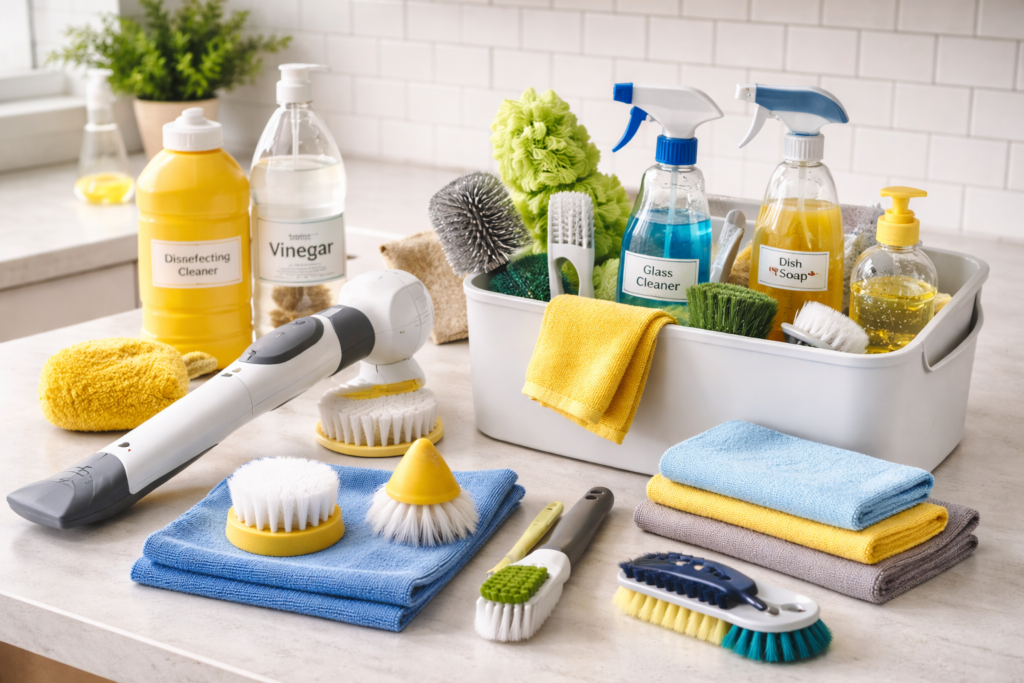
Choose the Right Cleaning Products for Your Business
Not all cleaning supplies are created equal, especially in a commercial setting. When selecting products for your business, think about the nature of your workspace. For example, restaurants and cafes should opt for non-toxic, food-safe cleaners—like Seventh Generation or Method—that can safely be used on surfaces where food is prepared and served. In office spaces or retail storefronts, consider all-purpose disinfectants, such as Lysol or Ecolab, that tackle germs without leaving harsh residues.
It’s also smart to look for products labeled as “green” or eco-friendly, which are effective yet less likely to cause irritation for employees or visitors. Always check the manufacturer’s guidelines to ensure the product you choose is appropriate for your particular surfaces and equipment. And when in doubt, test a small spot first to avoid damaging finishes or materials.
Matching your cleaning supplies to your facility’s specific needs not only keeps things sanitary but also protects everyone’s health and helps prolong the lifespan of your fixtures and furnishings.
Create an Effective Cleaning Schedule
Creating an effective cleaning schedule is key to ensuring your business stays clean. It will also help you stay organized by breaking down individual tasks into manageable chunks of time that can easily fit into your daily routine. When creating a cleaning schedule, make sure you include specific tasks such as vacuuming carpets, wiping down surfaces, dusting shelves, and mopping floors. It’s also helpful to designate certain days for deep-cleaning tasks like window washing or upholstery cleaning.
Stay on Top of Trash Removal
Taking out the trash is more than just a finishing touch—it’s a vital part of maintaining a healthy workspace. In a commercial setting, it’s best to remove garbage at least once daily, especially in high-traffic areas like kitchens, break rooms, and public bathrooms. During busier times, you might find it necessary to empty bins multiple times a day to keep odors at bay and minimize the spread of germs.
To streamline this process, keep a supply of extra trash liners at the bottom of each bin. This simple trick allows your cleaning team to switch out bags quickly, saving precious minutes during their rounds. Regular trash removal not only keeps your space smelling fresh but also helps prevent pests and the build-up of bacteria—consider it an easy win for cleanliness and safety.
Safely Cleaning Electronics and Moisture-Sensitive Equipment
Electronics like screens, keyboards, printers, and kitchen appliances in the office need special care when it comes to cleaning especially since they tend to attract crumbs, fingerprints, and germs throughout the workday. Unlike most surfaces, these moisture-sensitive items can’t just be wiped down with a wet cloth.
The safest approach is to use products designed for electronics, such as disinfectant wipes that are safe for tech or microfiber cloths slightly dampened with isopropyl alcohol (at least 70%). Always power off devices and unplug them before cleaning to prevent damage or accidents.
For a more thorough clean, consider using dry foggers or electronic-friendly sprays that deliver a fine mist, sanitizing surfaces without leaving excess moisture behind. This method can help reduce the spread of germs while protecting your devices. Just make sure to check manufacturer guidelines before using any cleaning product, as some electronics are more delicate than others.
Pay extra attention to items like shared keyboards or staff room appliances—these hotspots can harbor bacteria and should be cleaned regularly, especially if your team eats at their desks. Keeping these tools germ-free not only prolongs their lifespan but also helps support a healthier workplace overall.
Utilize Professional Services
Finally, don’t be afraid to utilize professional services if needed! If you find yourself too busy with other aspects of running a business or if the size of your workspace is too large for you to manage on your own, consider hiring a professional commercial cleaning service to take care of the dirty work for you. Professional cleaners have the expertise and necessary supplies needed to tackle larger jobs quickly and efficiently, saving you time in the long run.
How Do Commercial Cleaning and Janitorial Services Differ?
It’s easy to think commercial cleaning and janitorial services are one and the same, but there are some key distinctions worth noting—especially if you’re deciding which type best suits your business.
Janitorial services typically focus on the routine, everyday cleaning tasks that keep your workspace tidy and presentable. This includes jobs like trash removal, sweeping, vacuuming, restroom upkeep, and dusting common surfaces. Think of janitorial work as the maintenance that keeps your office humming along on a daily basis—much like the way you might tidy up your home so things don’t get out of hand.
Commercial cleaning, on the other hand, tends to cover the more intensive or specialized cleaning jobs that don’t need to be done quite so often. This could involve deep carpet cleaning, sanitizing high-touch surfaces, floor waxing, or thorough post-construction cleanups. It’s the “reset button” for your space, tackling the tough messes or health-focused needs that require heavy-duty equipment or expertise.
In short:
- Janitorial services = daily or weekly upkeep (think: the day-to-day stuff)
- Commercial cleaning = occasional, more thorough cleans (think: the big jobs that keep things truly spotless and safe)
Often, businesses will use a combination of both—routine janitorial care to maintain cleanliness, and periodic commercial cleaning for those moments when only a deep clean will do.
Develop a cleaning schedule:
Another important tip is to develop a cleaning schedule. This will ensure that your office or commercial space is cleaned on a regular basis. It is important to include all areas of the space in the schedule, such as the restrooms, common areas, and individual offices or cubicles.
Communicate with your cleaning company:
It is also important to communicate with your cleaning company. This communication should include specifying your expectations for your space’s cleanliness and any special instructions you may have. For example, you may want certain areas to be cleaned more frequently than others.
Keep up with regular maintenance:
In addition to hiring a professional cleaning company and developing a cleaning schedule, it is also important to keep up with regular maintenance. This includes things like dusting, vacuuming, and mopping on a regular basis. Doing this will help to keep your space looking its best and prevent dirt and debris from building up over time.
Make sure your employees are on board:
Finally, it is important to make sure that your employees are on board with your commercial cleaning plan. This means educating them on the importance of keeping the space clean and tidy and enforcing the rules of the cleaning schedule.

Emphasize Hand Hygiene Among Staff
An often-overlooked but critical part of maintaining a clean commercial space is ensuring that everyone practices proper hand hygiene. Regular handwashing dramatically reduces the spread of germs throughout the workplace, which is especially important during times when illness is more prevalent.
Encourage all employees to wash their hands thoroughly with soap and water, particularly after using the restroom, before eating, and after touching communal surfaces. If running water isn’t always available, providing strategically placed hand sanitizing stations—think Purell dispensers near entrances and common areas—can make it easy for staff to maintain clean hands throughout the day.
By making hand hygiene a priority and equipping your space with the right supplies, you help minimize the transfer of dirt and bacteria, contributing to a healthier, more sanitary working environment for both employees and visitors.
Final Thoughts
Keeping your business space clean should always be at the top of any business owner’s priority list—but it doesn’t have to be difficult or time-consuming. Following these simple tips and tricks, you can easily maintain a neat and orderly workspace while focusing on other important aspects of running your business. And remember, if all else fails, don’t hesitate to call in professional services when needed. A little extra help can go a long way in keeping your workplace looking its best