Understanding the Different Carpet Cleaning Methods Comparative Analysis of Carpet Cleaning Methods Professional Carpet Cleaning vs. DIY: Why Hire the Experts? End of Lease and Bond Cleaning Benefits Suitability for Different Carpet Types Carpets play a significant role in enhancing the warmth, comfort, and aesthetic appeal of our homes.
However, maintaining their cleanliness and longevity can be challenging, especially when considering the various carpet cleaning methods available. With concerns ranging from dirt and stains to allergens and fiber damage, selecting the right cleaning technique is crucial for both the health of your household and the lifespan of your carpets.
Daily life takes its toll on carpets, especially in homes bustling with toddlers and pets. These beloved family members inevitably contribute to the grit and grime—think crumbs, juice spills, muddy paw prints, and the occasional “oops” moments that come with raising children or caring for animals.
With kids crawling, playing, and sometimes snacking directly on the floor, the risk of embedded dirt and potential germs increases. Dogs and cats, with their fondness for lounging and exploring, can also introduce stubborn stains or odors.
For these reasons, deep cleaning isn’t just about appearances; it’s a necessity for maintaining both hygiene and the inviting feel of your living space. Among the myriad of options, steam cleaning—also known as hot water extraction—often emerges as a top contender.
But how does it truly compare to other carpet cleaning methods like dry cleaning, shampooing, bonnet cleaning, and encapsulation? This article delves deep into these methods, providing a comprehensive comparison to help you make an informed and trustworthy decision for a cleaner, healthier home.
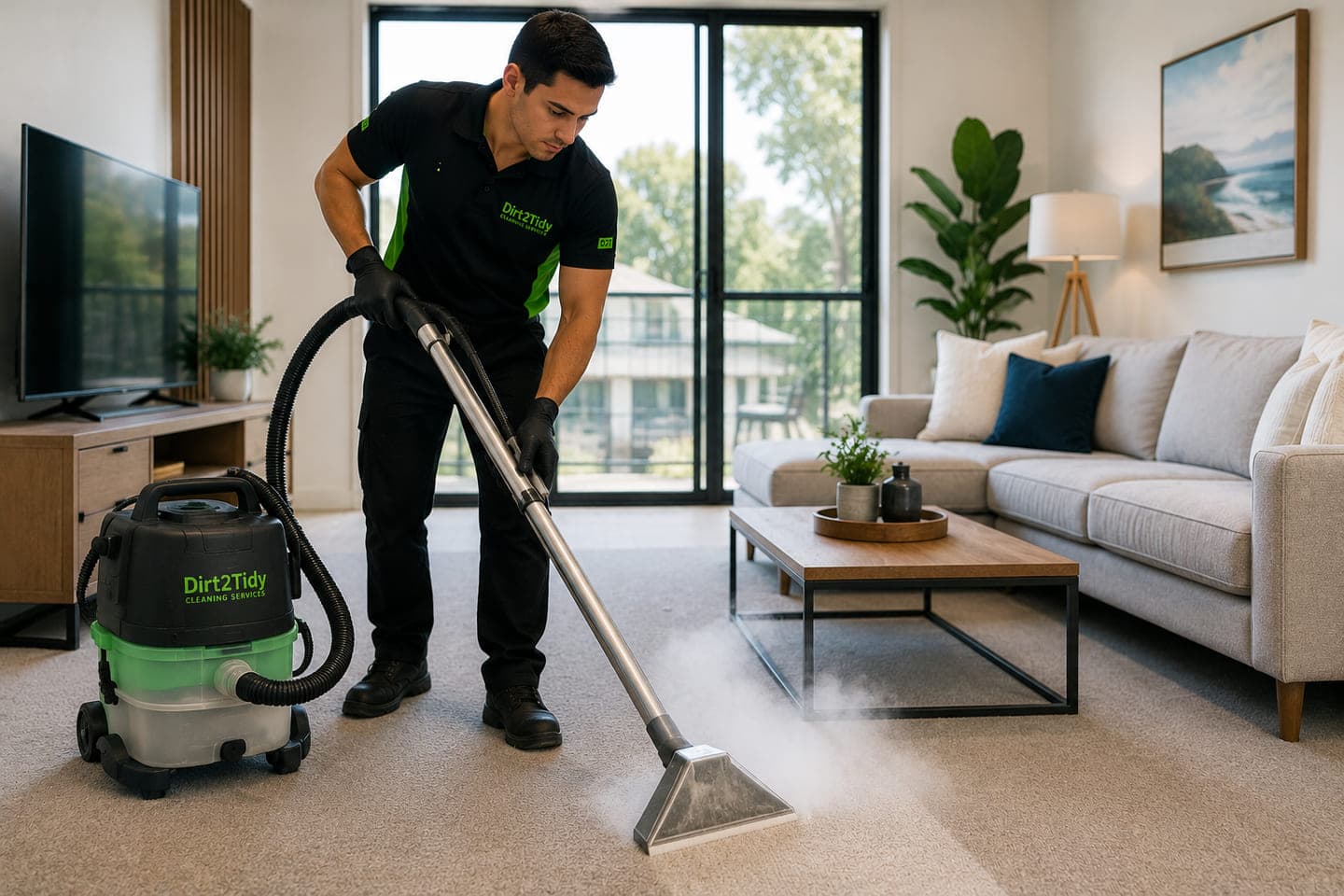
Before we compare the effectiveness of various carpet cleaning techniques, it’s essential to understand what each method entails. Steam Cleaning (Hot Water Extraction) Process: Steam cleaning involves injecting hot water mixed with a cleaning solution into the carpet fibers. This mixture loosens dirt, grime, and allergens , which are then extracted using a powerful vacuum.
Effective allergen removal Sanitizes carpets by killing bacteria and dust mites Can be more expensive, especially with professional services [lead-form form-id=1 title=Fill to Get Free Cleaning Checklist] Process: Dry cleaning uses minimal moisture.
A dry cleaning compound or powder is applied to the carpet, worked into the fibers, and then vacuumed away, taking dirt and debris with it.
Suitable for moisture-sensitive carpets Convenient for quick clean-ups Potential residue buildup Less effective at allergen removal Process: Shampooing involves applying a foamy cleaning solution to the carpet, which is then scrubbed into the fibers. After allowing the shampoo to sit, the carpet is vacuumed to remove the foam and loosened dirt.
Good for spot cleaning and stains Thorough agitation helps lift dirt Can leave residues that attract more dirt Potential for color fading You may also like to read about- “Carpet Steam Cleaning for Australian Allergy Sufferers” Process: Bonnet cleaning utilizes a rotary machine with a cleaning pad soaked in a cleaning solution.
The pad absorbs surface dirt as it spins over the carpet. Quick and efficient for surface cleaning Ideal for high-traffic areas Only cleans the surface layer Doesn’t remove deep-seated dirt Can wear down carpet fibers over time