Define surfaces and responsibilities
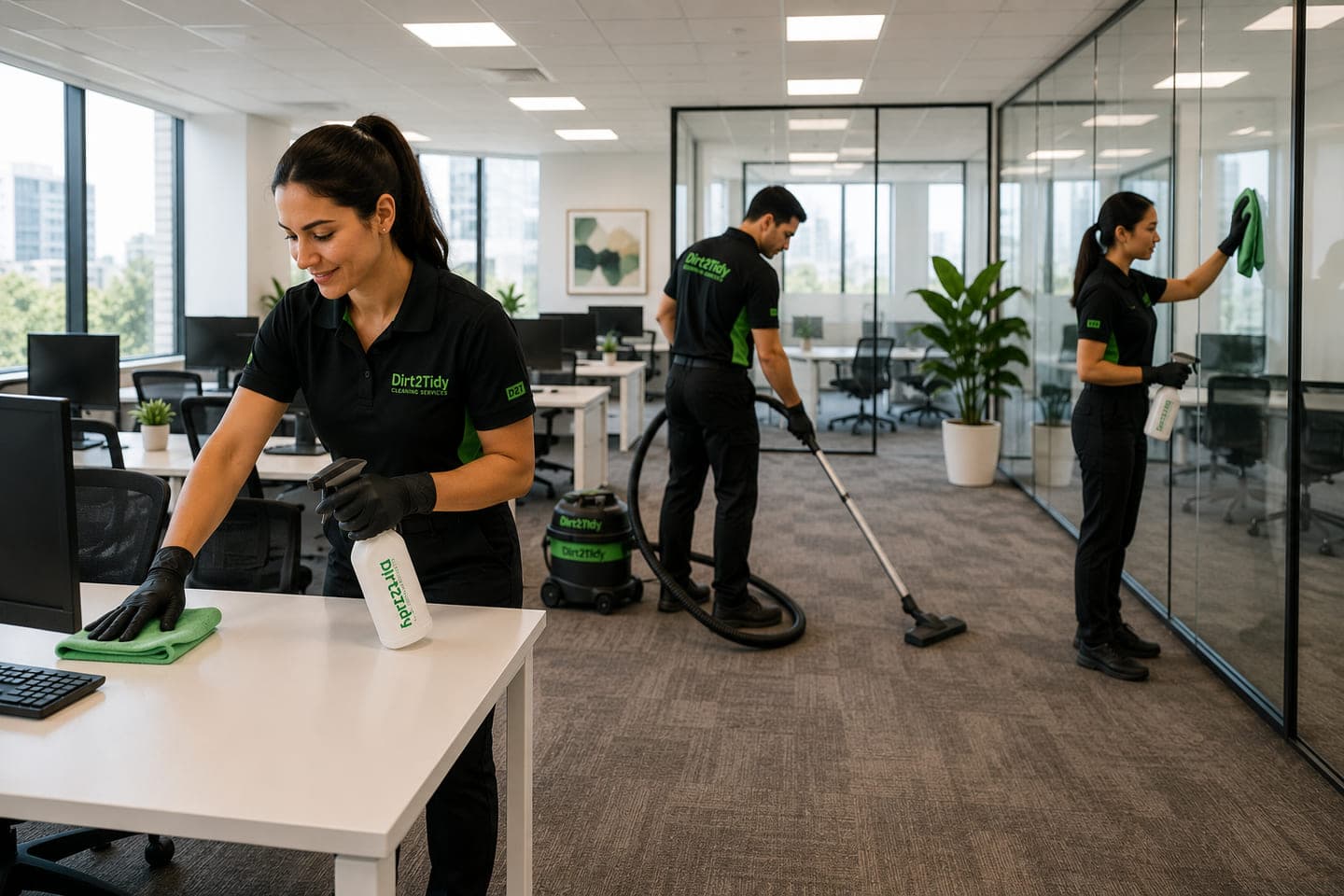
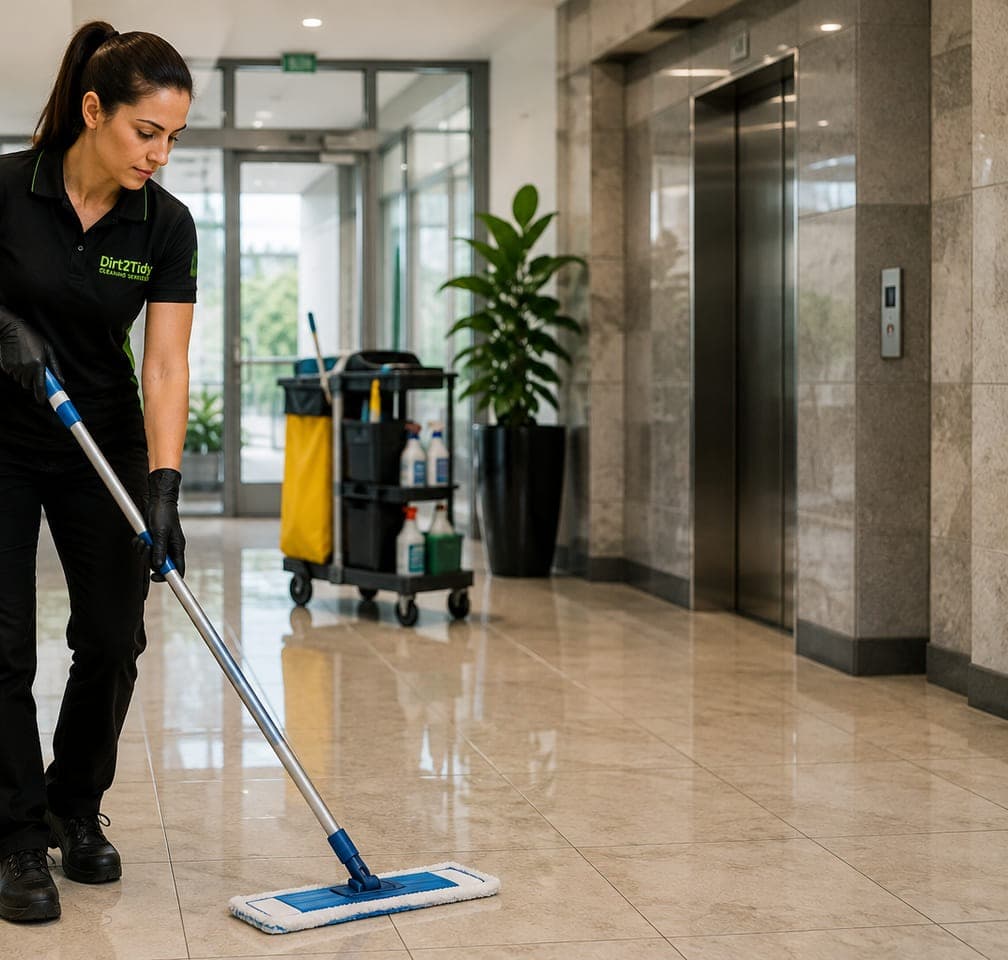
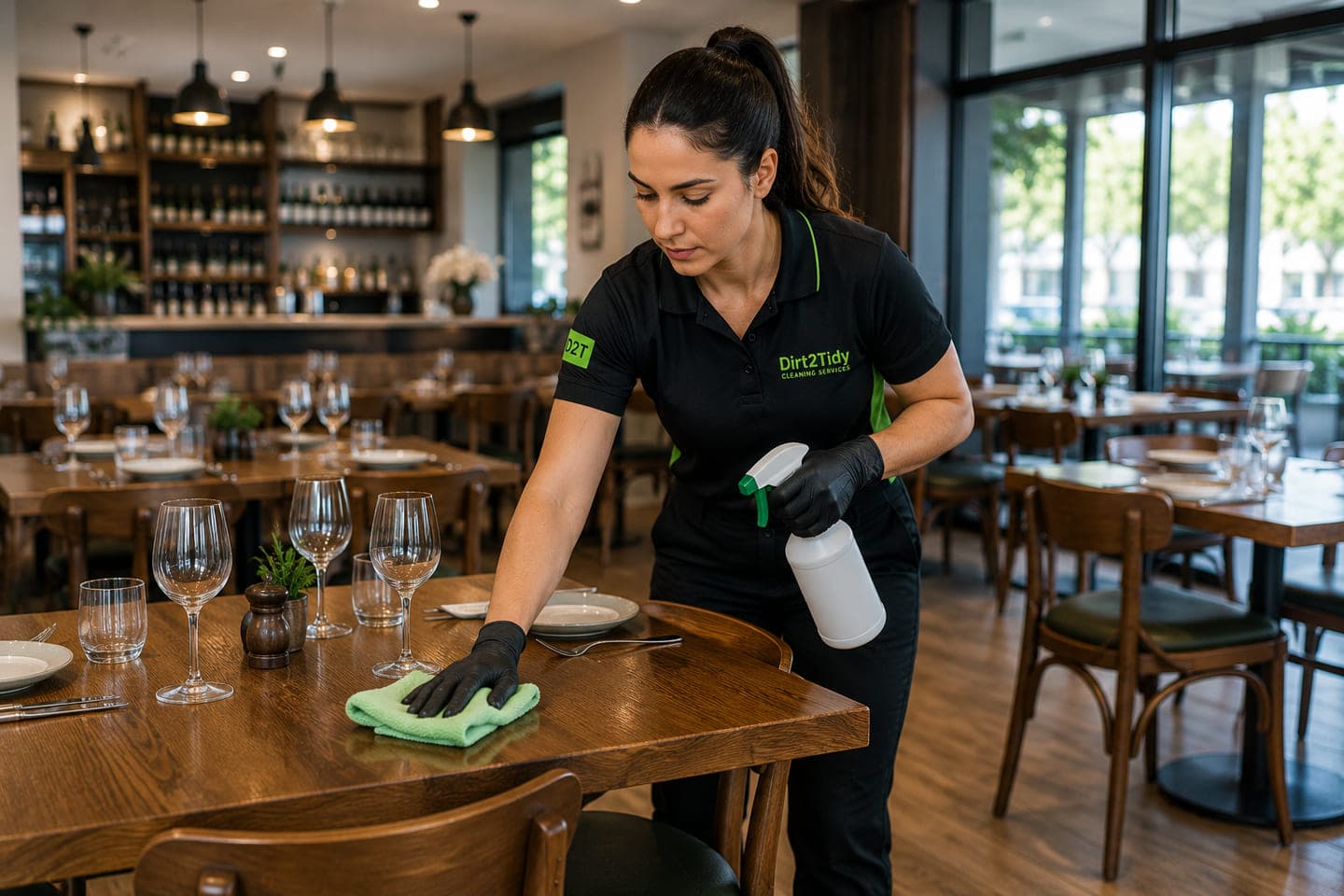
List workstations, shared touchpoints, kitchens, amenities, floors and visitor areas. Identify who handles spills, waste, maintenance and any restricted rooms. A site manager remains responsible for workplace procedures, staff communication and decisions about when an area must be isolated.
Use products according to their labels
Check intended use, dilution, contact time, ventilation, protective equipment and surface compatibility on the product label. Do not mix chemicals or describe ordinary cleaning as disinfection unless the selected product and process specifically support that claim.
Coordinate cleaning and access
Agree the cleaning window, keys or approved entry, security, staff presence, storage and reporting contact. List specialist requirements separately and confirm they can be safely completed. Clinical, regulated decontamination and hazardous-material work need appropriate assessment and providers.
Review procedures as guidance changes
Use current workplace and public-health information for any infection-control decisions. Keep the cleaning checklist specific to the premises and review it when occupancy, layout, products or site procedures change. Cleaning alone cannot certify a healthy workplace or guarantee that illness will be prevented.