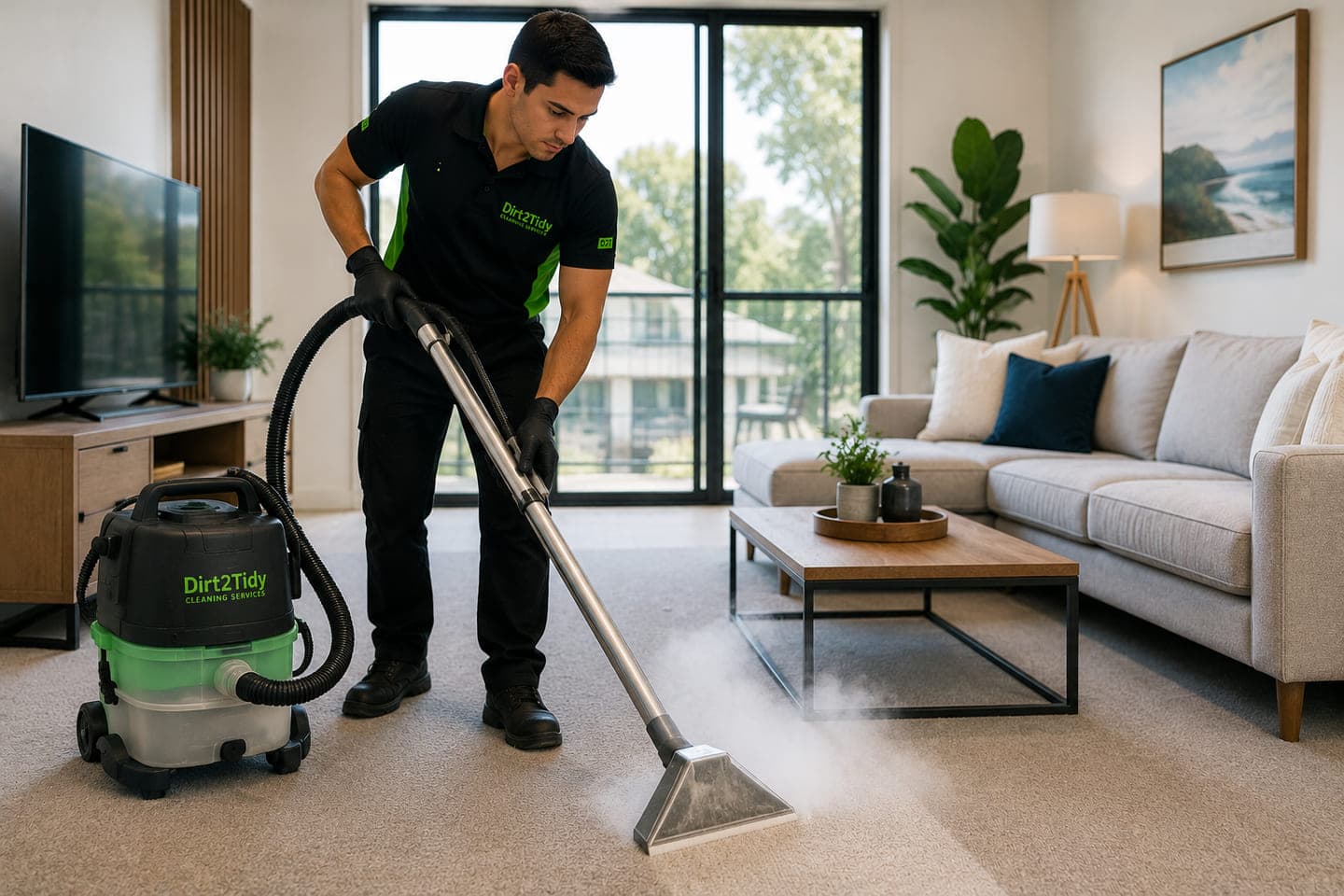
What is Carpet Steam Cleaning? How Does Carpet Steam Cleaning Work? Benefits of Carpet Steam Cleaning When to Use Carpet Steam Cleaning DIY vs. Professional Carpet Steam Cleaning Carpet steam cleaning is a popular and effective method for deep cleaning carpets, often used by professionals to remove dirt, stains, and allergens.
With the increasing concern for indoor air quality and the desire to maintain a clean and healthy living environment, carpet steam cleaning has become a preferred choice for homeowners and businesses alike.
This method utilizes the power of hot water extraction combined with specialized cleaning solutions to penetrate deep into carpet fibers, lifting and removing embedded dirt that traditional vacuuming might miss.
In this article, we will explore the definition of carpet steam cleaning, its benefits, how it works, and why it stands out as one of the best carpet cleaning methods available today.
The Basics of Steam Cleaning Carpet steam cleaning, also known as hot water extraction, is a method of carpet cleaning that uses high-temperature water vapor, sometimes mixed with a cleaning solution, to clean carpets. The process involves spraying hot water into the carpet fibers at high pressure , which loosens dirt, debris, and stains.
The hot water, along with the loosened dirt, is then immediately extracted using a powerful vacuum, leaving the carpet clean and refreshed.
Unlike other carpet cleaning methods, such as dry cleaning or shampooing , steam cleaning does not leave behind any residue, making it a preferred choice for those concerned with maintaining the longevity and appearance of their carpets.
This method is particularly effective for removing tough stains, odors, and allergens , making it an essential part of maintaining a clean and healthy indoor environment. [lead-form form-id=1 title=Fill to Get Free Cleaning Checklist] The concept of steam cleaning dates back to the 19th century, but it has evolved significantly over the years.
Initially used in industrial applications, steam cleaning technology was adapted for residential use in the mid-20th century. Since then, it has become a standard method for cleaning carpets , with advancements in technology making it more efficient and accessible to the average consumer.
Carpet steam cleaning requires specialized equipment designed to heat water to a high temperature and apply it to the carpet at a controlled pressure.
The main components of a steam cleaning machine include: Water Heater: This component heats the water to a temperature ranging from 150°F to 200°F, depending on the machine and the type of carpet being cleaned.
Pump: The pump is responsible for applying the heated water to the carpet fibers at high pressure, typically between 100 to 500 pounds per square inch (PSI). Vacuum: A powerful vacuum extracts the water, dirt, and debris from the carpet, ensuring that the carpet dries quickly and thoroughly.
Some steam cleaning machines also come with additional attachments and features, such as rotating brushes, which help to agitate the carpet fibers and further loosen dirt.
The carpet steam cleaning process typically follows these steps: Pre-Inspection: A professional cleaner will first inspect the carpet to identify areas that require special attention, such as high-traffic zones, stains, or areas with heavy soiling. Pre-Treatment: Before applying steam, a pre-treatment solution may be sprayed onto the carpet to help break down dirt and stains.
This solution is usually left to dwell for a few minutes to maximize its effectiveness. Steam Cleaning: The steam cleaning machine is then used to apply hot water and, in some cases, a cleaning solution to the carpet. The combination of heat and pressure loosens dirt, grime, and allergens embedded deep within the carpet fibers.
Extraction: Immediately after the steam is applied, the vacuum extracts the water along with the loosened dirt and debris. This step is crucial for removing as much moisture as possible, reducing the drying time and preventing mold or mildew growth.
Post-Cleaning Inspection: After the cleaning is complete, the carpet is inspected again to ensure all areas have been thoroughly cleaned. Any remaining spots or stains may be treated again if necessary.
You may also like to read about- “How Carpet Steam Cleaning Can Transform Your Dirty Carpets into Pristine Ones” Drying Time and Final Touches One of the concerns with carpet steam cleaning is the drying time. While the extraction process removes most of the water, the carpet may still feel damp for several hours.
To expedite the drying process, professionals often use fans or dehumidifiers. It’s recommended to avoid walking on the carpet until it is completely dry to prevent re-soiling or damage to the carpet fibers.
Deep Cleaning Capabilities One of the primary benefits of carpet steam cleaning is its ability to provide a deep clean that other methods cannot match. The high temperature of the steam not only loosens dirt and grime but also kills bacteria, dust mites, and other allergens .
This makes steam cleaning an excellent choice for households with allergy sufferers or pets. Unlike shampooing or some dry cleaning methods, steam cleaning does not leave behind any sticky residue. This is important because residue can attract dirt, causing the carpet to get dirty again more quickly.
Steam cleaning, therefore, helps maintain the cleanliness of the carpet for a longer period. You may also like to read about- “What are the Benefits of Professional Carpet Steam Cleaning”