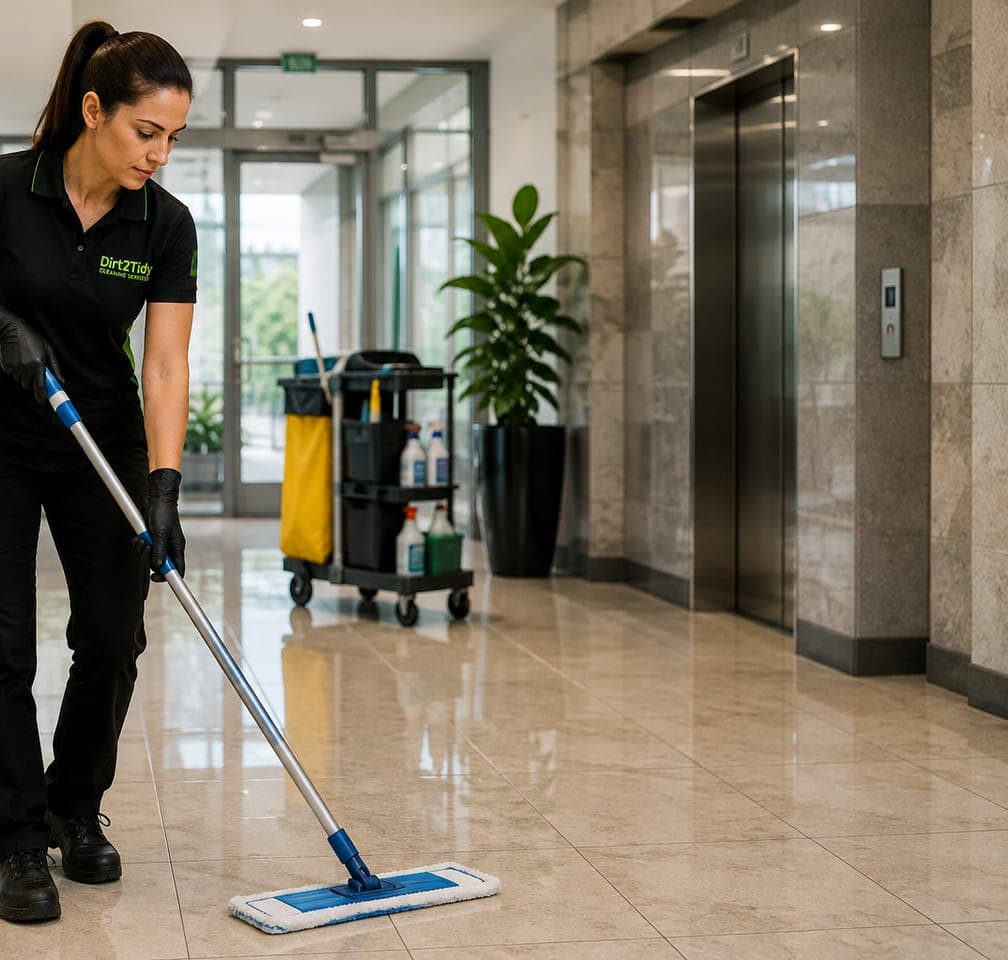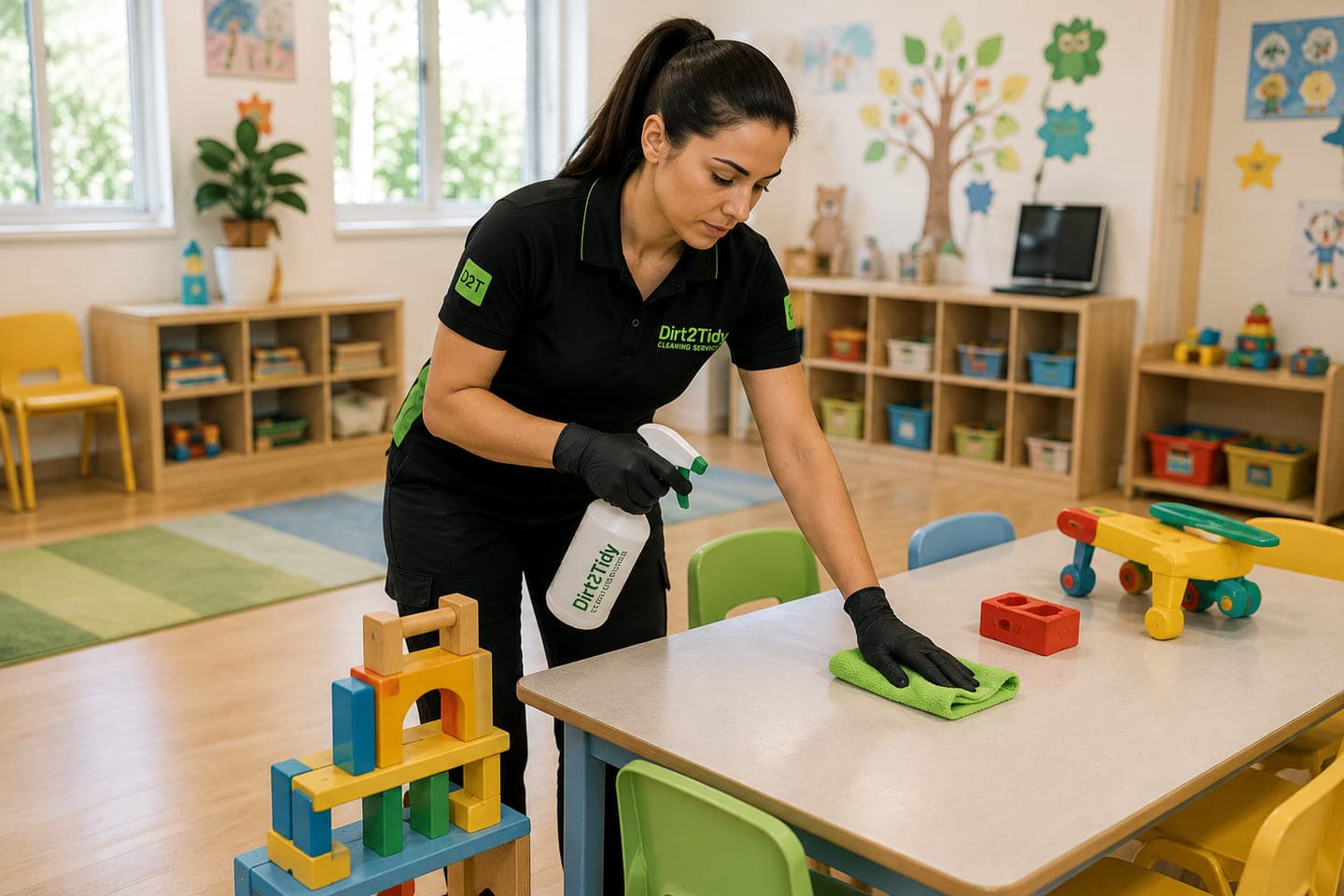

Define the customer and contracted work
Specify the type of premises and tasks the business intends to sell. Use a written scope, service frequency, access arrangements and customer requirements as inputs; do not assume that every commercial cleaning contract has the same workload or margin.
Build a model from actual cost categories
List the costs relevant to the proposed operation, such as labour time, travel, supplies, equipment, administration and other obligations confirmed for that business. Use current quotes and professional advice for real amounts; this article supplies no wage, insurance, tax or startup-cost figures.
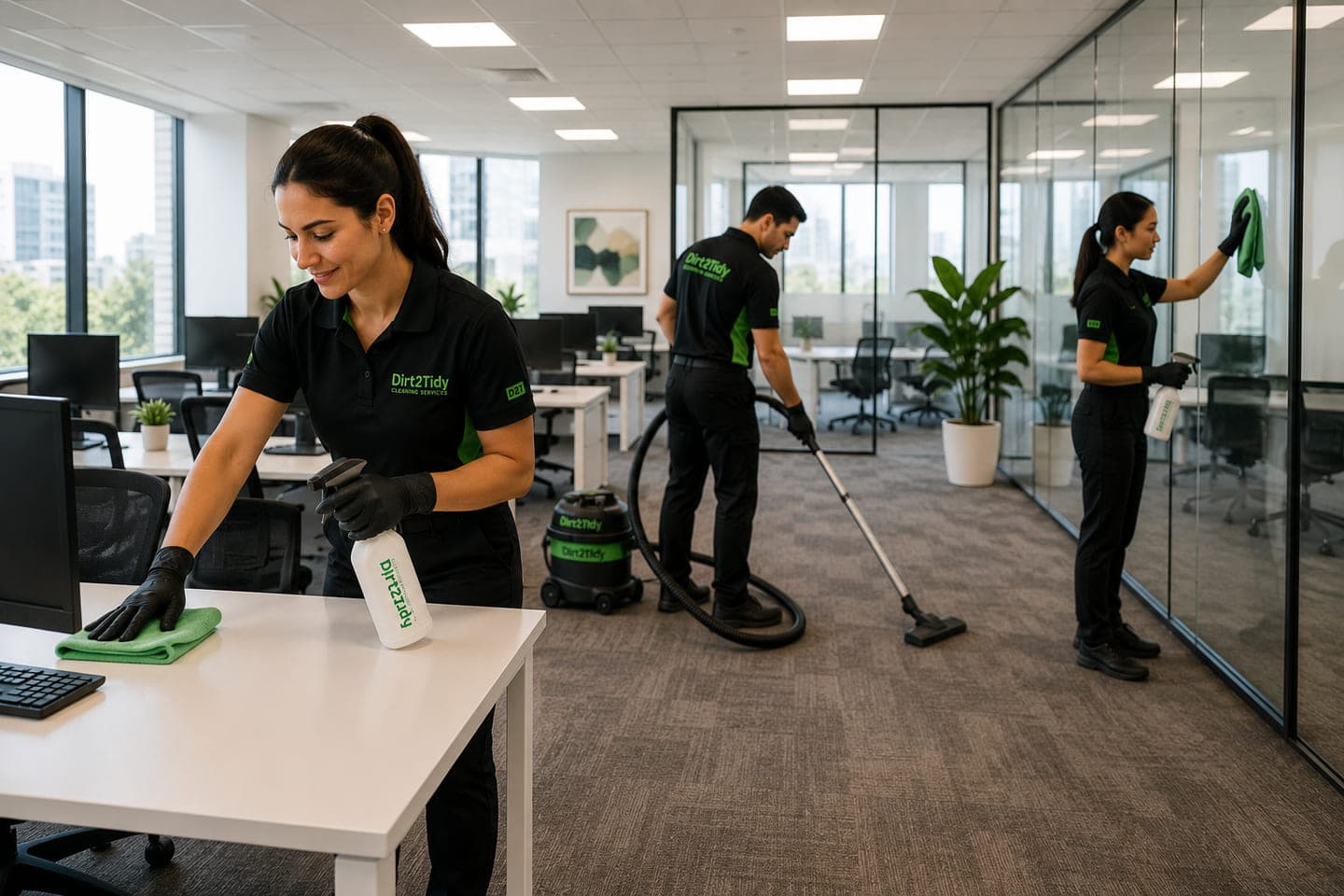
Check capacity and contract assumptions
Estimate how available working time, travel between sites, supplies and customer schedules affect the work that can actually be delivered. Test scenarios for changes in scope, delayed payment, cancelled work or added costs using the business's own records rather than a general market claim.
Validate the plan before relying on it
Review the model with an accountant or qualified small-business adviser and confirm any legal, tax, employment or insurance obligations from current official sources. No revenue, profit, growth or franchise outcome is guaranteed.