
Bond Cleaning Laws South Australia Explained: What Your Lease Requires Before You Move!

Moving out of a rental property in South Australia (SA) can be stressful, especially when it comes to ensuring your property is clean enough to secure a full

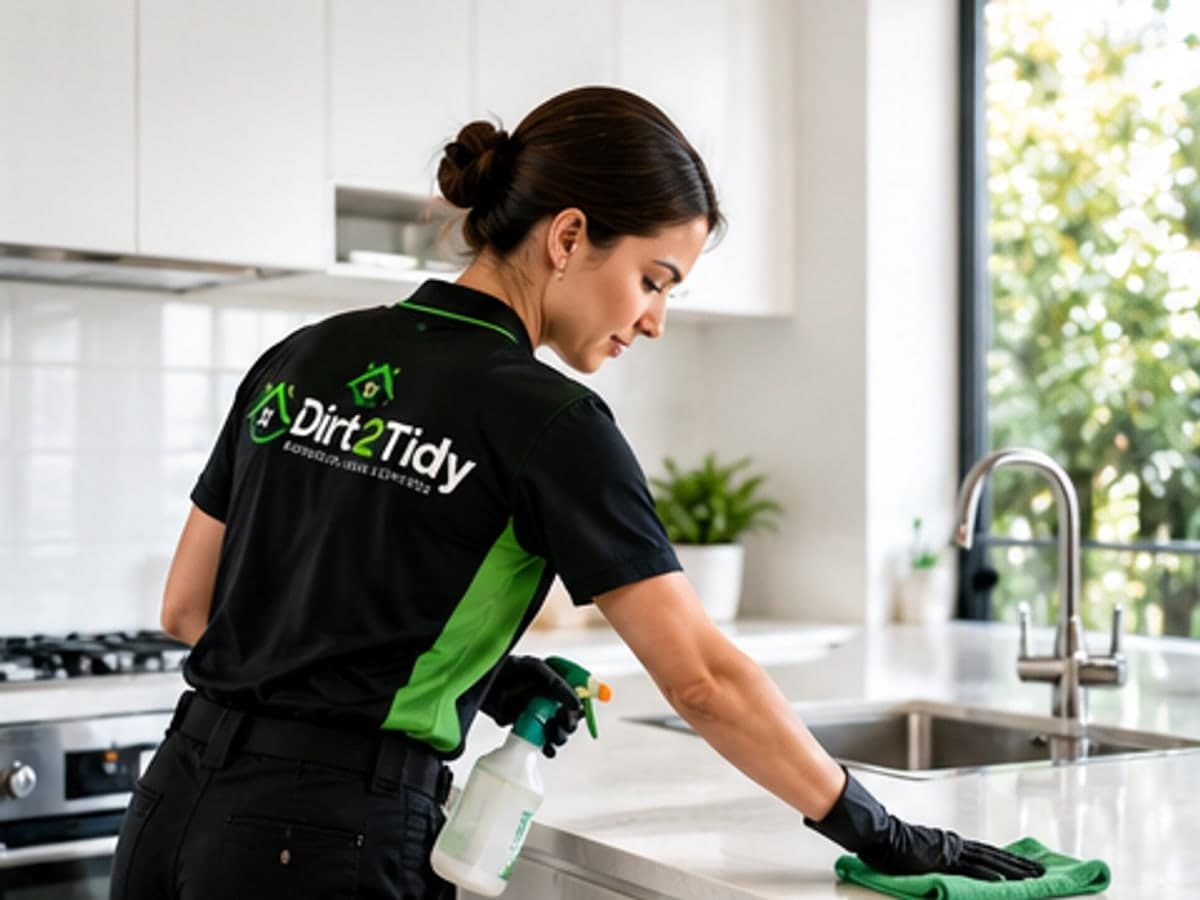
End of lease cleaning in progress in an Australian rental property

Tenant Rights & Responsibilities in SA Rentals Resolving Residential Bond Disputes in South Australia Dirt2Tidy’s Comprehensive Services What to Do if There’s a Dispute Over Your Bond Refund Moving out of a rental property in South Australia (SA) can be stressful, especially when it comes to ensuring your property is clean enough to secure a full bond refund SA Consumer and Business Services.

According to the South Australian Civil and Administrative Tribunal (SACAT), the most common disputes at the end of a tenancy involve cleaning and rubbish removal. Under SA’s Residential Tenancies Act 1995, tenants must return the property in a “reasonably clean” condition, allowing for fair wear and tear.

Failing to meet these standards can lead to bond deductions or disputes. In this guide, we’ll cover SA bond cleaning laws, key cleaning requirements from your lease, and practical tips to avoid costly mistakes.

We’ll also explain how professional end-of-lease cleaning services can help ensure your property meets landlord expectations and maximizes your bond refund. 1. Understanding Bond Cleaning Laws South Australia: What Do They Really Mean?

Bond cleaning by a professional cleaner in an Australian home

When you enter a rental agreement in South Australia, your landlord or property manager may include specific bond cleaning requirements in the lease. These requirements are often tied to the SA bond refund process and outline the cleaning standards expected when you vacate the property.

In South Australia, the bond is typically held by the Residential Tenancies Fund (RTF) and acts as security for the landlord in case of unpaid rent, property damage, or failure to meet the cleaning obligations outlined in the lease.

The bond is usually equal to four weeks’ rent, and the landlord has the right to withhold part or all of it if the property is not left in the agreed-upon condition.

Whether you’re renting a standard home, a room in a shared house, or a place in a residential park, it’s important to know your legal rights and obligations under South Australian law. Principal Place of Residence Your rental must serve as your main home to be protected under tenancy laws.

End of lease cleaning by a professional cleaner in an Australian home

Tenancy Agreements and What They Cover Your agreement will spell out: Rent and bond details (usually four weeks’ rent) Additional charges like utilities or service fees Essential Rights and Responsibilities Here’s what you need to keep in mind as a tenant: Pay rent on time and keep the property in good condition, accounting for fair wear and tear Report maintenance issues promptly to your landlord or property manager Respect common areas in rooming houses and shared facilities in residential parks You may also like to read about- “5 Steps to Get Your Rental Bond Back in Full” Landlords or park operators, on the other hand, must: Maintain the property so that it’s safe and liveable Respect your privacy and give proper notice before entering Provide clear contact details for repairs or emergencies Sub-Letting and Assignment Thinking about sub-letting your place or transferring your lease?

Most agreements require you to seek written approval from your landlord before sub-letting to someone else or assigning your lease. Ending a Tenancy or Agreement Provide written notice as per the agreement Leave the property in a reasonably clean condition

Keep cleaning moving

Related Cleaning Services

More from Dirt2Tidy

Related Cleaning Guides