Table of Contents
Carpet glue can cause several problems when used on outdoor steps. When the author purchased their home, they found an unsightly green outdoor carpet glued to both the front and back steps. This created design and maintenance challenges it clashed with the house’s overall look, was difficult to clear snow from, required extra carpet cleaning to maintain, and gave the exterior an outdated appearance. These issues made the carpet an impractical and unattractive choice.
How to Remove Carpet Glue from Small Concrete Floors Yourself
Absolutely, you can tackle removing carpet glue from small residential concrete floors on your own with a bit of elbow grease and determination.
Here’s How You Can Do It:
- Gather Your Tools: You’ll need a few basic supplies such as a scraper, a stiff brush, and a bucket. Consider using a heat gun or a floor grinder for tougher residues.
- Choose the Right Solvent: Select an adhesive remover designed for concrete surfaces. Brands like Goo Gone or Citristrip offer effective solutions that can make the job easier.
- Apply the Solvent: Spread the solvent over the glue and let it sit for the recommended time on the product label. This allows the solvent to penetrate and soften the adhesive.
- Scrape Away: Use your scraper to remove the softened glue. Work gently to avoid damaging the concrete surface beneath.
- Repeat as Necessary: Sometimes, one round isn’t enough. You may need to reapply the solvent and scrape again to get all the glue off.
- Clean and Rinse: Once the glue is removed, clean the area with warm, soapy water to ensure no residue is left behind. Rinse thoroughly and let it dry.
By breaking the task into these manageable steps, you can effectively remove the glue and restore your concrete floors to a clean state.
Removing the Glue from outdoor carpet
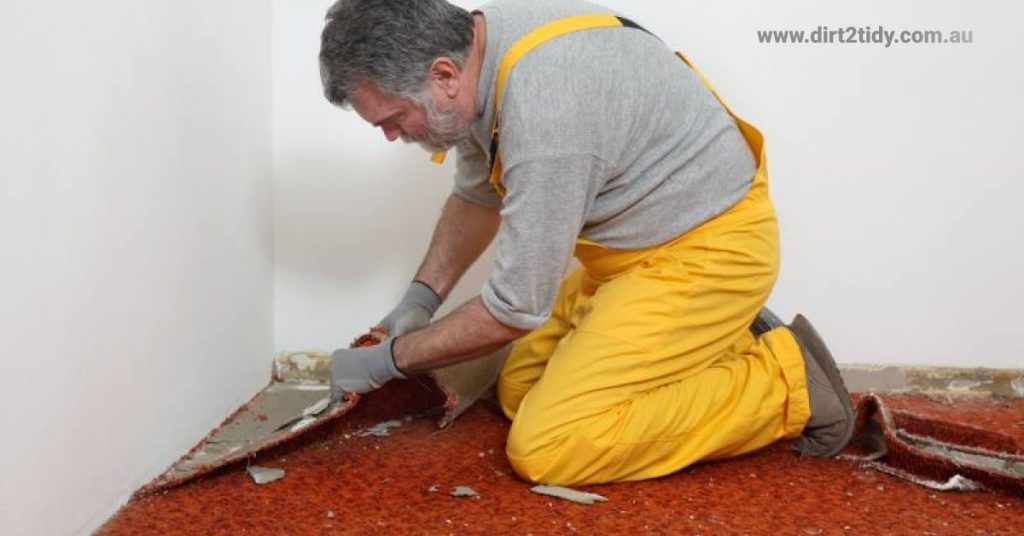
Unfortunately, when a carpet is removed from a concrete subfloor, residues of carpet adhesive are frequently left behind. Anyone who has gone through this process knows how frustrating it can be, especially during end of lease cleaning, when every surface needs to be spotless.
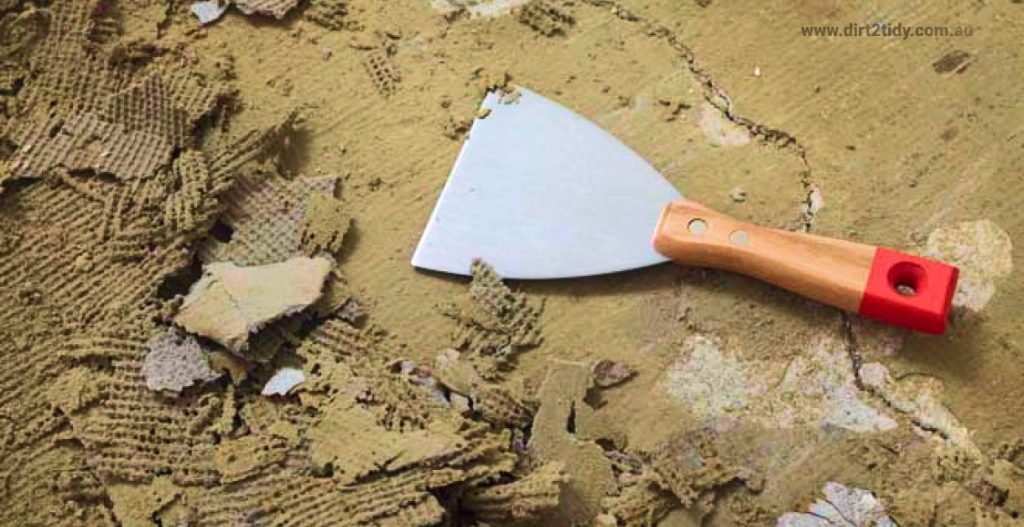
Carpet glue is tenacious and difficult to get rid of with just a scraper blade. It is not a good idea to leave the adhesive on the floor since it will accumulate filth. It also makes applying a concrete stain colour difficult since the stain cannot pass through the adhesive to complete its work.
The blazing heat turned out to be surprisingly advantageous when it came to taking up the carpet. On what was the hottest day of the year, the high temperatures caused the adhesive binding the carpet to the floor to become more pliable. As a result, the removal process was easier and less labor-intensive, allowing for a smoother and quicker task. In essence, the extreme weather worked to my advantage, making the usually grueling job of carpet removal significantly more manageable.
Why Is Old Black Adhesive on Concrete Floors a Problem?
When dealing with concrete floors from homes built before the 1980s, you might uncover an old adhesive that raises alarms. This dark adhesive, frequently referred to as “cutback adhesive,” was commonly used in vintage flooring installations.
Potential Asbestos Hazard
The primary concern with this adhesive is its potential asbestos content. Asbestos, a mineral once prized for its fireproof and insulating properties, was later found to pose serious health risks, including respiratory issues and cancer when its fibers become airborne.
Safety Measures
- Leave Undisturbed: If the adhesive is intact and undisturbed, it typically presents no immediate danger.
- Encapsulation: Covering it with a new layer of flooring can effectively seal the adhesive, preventing any exposure risks.
- Avoid Manual Removal: Attempting to grind or scrape it away can release harmful fibers, making it a hazardous task if not handled by professionals.
Always approach old, black-colored adhesive with caution. Given its possible asbestos content, encapsulation is often the safest route. If removal is necessary, always consult with a specialist trained in handling materials potentially containing asbestos to ensure safe and compliant procedures.
You may also like to read about- “What Is The Best Way To Clean Cat Vomit From Carpet?”
A Method for Removing Carpet Glue
The good news is that carpet adhesive can be removed from concrete floors with the right tools and techniques. Here’s an easy approach:
1. Remove the Concrete Adhesive
Start by scraping away as much adhesive as possible using a floor scraper with a sharp edge. This may take some effort, but it can remove most of the glue. For any remaining pieces, simply wipe away the loose bits.
2. Use Boiling Water
For certain types of glue, especially older water-based adhesives, boiling water can help soften it. Pour hot water over the dried glue and let it sit for 1–2 minutes. This makes it easier to scrape off the remaining adhesive from the concrete surface.
Can Boiling Water Remove Water-Based Glue from Concrete?
Boiling water is a simple, chemical-free way to remove water-based glue from concrete. The heat softens the adhesive, making it easier to scrape off.
How to Do It:
- Boil Water: Bring a pot of water to a rolling boil.
- Apply Carefully: Pour the hot water over the glue, avoiding splashes to prevent burns.
- Soften and Scrape: Let the water sit for a few minutes, then scrub or scrape the glue while it’s warm.
- Repeat if Needed: Stubborn spots may require another round.
Benefits:
- Cost-Effective: Requires only water and heat.
- Eco-Friendly: No harsh chemicals are needed.
Considerations:
- Handle boiling water carefully to avoid burns.
- Works best on small areas or water-based adhesives; stronger glues may need other methods.
In short, boiling water is an easy, safe, and effective way to remove water-based glue from concrete before considering chemical solutions or professional help.
Scrub Away the Loosened Glue
We recommend starting with boiling water because it is the cheapest choice and has no contaminants. Because it is free, boiling water is worth a shot, but be careful not to splash any on yourself, as this might result in serious burns.
Pour it out carefully by lowering the pan to the floor. Scrub the damp glue away with a concrete floor cleaner or scraper. Repeat with extra water as needed.
Use a Glue Remover
If hot water doesn’t remove all the dried glue, a strong adhesive or mastic remover can help. These products chemically weaken the glue, making it easier to scrape off.
Before You Begin:
- Read the Label: Make sure the remover is suitable for concrete and for the type of adhesive you’re removing.
- Test First: Apply on a small, hidden area to ensure it won’t darken the concrete or affect stain penetration.
Safety Precautions:
- Wear gloves, a mask, and long sleeves to protect your skin and avoid inhaling fumes.
- Work in a well-ventilated area.
For a safer, eco-friendly option, choose low-odor, low-VOC adhesive removers. They are effective, gentle on indoor air quality, and safer for health-conscious users.
How to Apply Adhesive Removers:
- Choose Your Tool: Apply the remover with a pump-up sprayer, brush, or mop, depending on what you have available.
- Allow Time to Work: Let the solution sit on the adhesive until it softens. This can take anywhere from 45 minutes to several hours, depending on the thickness of the glue.
- Scrape Away: Once the adhesive is softened, continue removing the extra glue particles with the scraper or stiff straw cleaning brush.
- Clean Up Residue: After most of the glue has been stripped, use a concrete cleaner or degreaser along with a scrub brush, mop, or rotary floor scrubber to tackle any remaining residue.
By following these steps, you can efficiently remove stubborn adhesives while maintaining a safe and clean working environment.
Why Avoid Vinegar or Citrus Cleaners on Concrete Glue?
When tackling the sticky task of removing glue from concrete, it’s crucial to choose your cleaning agents wisely. While some might be tempted to use vinegar or citrus-based cleaners, these solutions can do more harm than good.
Potential Chemical Reaction
Vinegar and Acidity: Vinegar is acidic in nature, and when applied to concrete, it can lead to unwanted chemical reactions. These reactions might not only affect the adhesive but can also harm the concrete itself.
Citrus Cleaners: Similar to vinegar, citrus-based cleaners are often acidic. While they might break down glue residues, their acidity can interact with the concrete in a way that might damage its surface over time.
You may also like to read about- “How to Get Stains Out of Carpet – A Complete Guide”
Risk of Etching
Surface Etching: The interaction between the acidity of these cleaners and the alkaline nature of concrete can result in etching. This is a process where the surface of the concrete becomes rough and damaged, leading to unsightly marks that could compromise the structural integrity and appearance.
Better Alternatives
Instead of risking damage with vinegar or citrus cleaners, consider alternative methods such as:
- Mechanical Grinding: Safely removes glue without chemical risk.
- Eco-friendly Adhesive Removers: Products designed specifically for concrete.
Choosing the right method and materials ensures the longevity and appearance of your concrete surface without unintended consequences.
Eco-Friendly Mastic Removers for Concrete Floors
Removing adhesive from concrete floors can be a tricky job, especially if you’re committed to using products that are gentle on both the environment and your indoor air quality. Fortunately, there are several eco-friendly options available to tackle this task effectively.
- Environmentally Safe Solutions: Many mastic removers are now formulated to be low in volatile organic compounds (VOCs) and free from harsh chemicals. These solutions are designed to be safe for indoor use as they emit minimal odors, making the process more comfortable and safer for your household.
- Soy-Based Products: A popular choice in the realm of eco-friendly removers are soy-based solutions. These products are known for their ability to soften and emulsify various carpet glues and tile mastics, including those that are solvent-based. Their plant-derived formulas make them both effective and sustainable.
- Low-Odor Formulations: For those sensitive to strong chemical smells, low-odor mastic removers are ideal. They reduce the risk of indoor air pollution and ensure the removal process doesn’t overwhelm your living space with strong, unpleasant smells.
- Versatile Applications: The best eco-friendly mastic removers are versatile, capable of tackling a range of adhesive types. This means they’re not limited to just one kind of glue, making them a reliable option for different projects around your home.
Choosing the right eco-friendly mastic remover means you can effectively clean concrete floors without harming the environment or your indoor air quality.
Sand the Floor
Once you’ve removed the surface adhesive, make sure there’s no glue left in the concrete pores. Any residue can prevent acid stain or sealant from penetrating properly. Sanding the floor helps achieve a clean, even surface.
A rented floor sander or buffer with a sanding disk works well. Start with a coarse grit to remove most of the residue, then switch to a finer grit (around 300) for a smooth finish. Avoid oversanding, as this can expose the aggregate and change the floor’s look and porosity, causing stains to absorb unevenly.
Mechanical methods like sanding or grinding are the fastest for large areas, but they must be done carefully to avoid swirl marks or surface damage. The goal is to prepare the floor efficiently while preserving its strength and appearance.
Mechanical Methods for Stubborn Adhesive
If boiling water and scraping aren’t enough, mechanical methods are your next best option. Equip a floor sander or buffer with a sanding disk for the main areas, and use a handheld grinder for edges and corners. This approach is fast and efficient for large surfaces.
However, caution is necessary. Aggressive sanding can leave swirl marks or expose aggregate. When preparing for polishing rather than staining, grinding off adhesive is ideal. Ensure to use grinding accessories designed for this purpose to avoid heating the mastic and causing it to become gummy.
Professional Assistance
Due to the aggressive nature of some concrete grinding machines, consider hiring a professional. They are skilled in using these machines and can select the proper abrasive attachments to achieve the desired results without damaging the floor surface.
Why Resurfacing a Concrete Floor with an Overlay or Coating Might Be Necessary
Tackling Stubborn Residues
When traditional methods, both chemical and mechanical, fail to eliminate stubborn glue or mastic from your concrete floor, resurfacing might be the best way forward. An overlay or epoxy coating can effectively conceal these imperfections while providing a fresh foundation suitable for a variety of decorative finishes, such as staining or polishing.
Dealing with Hazardous Adhesives
If your floor features old linoleum or vinyl adhered with dark-colored glue, often called cutback adhesive, you’re facing another compelling reason to consider resurfacing. This type of adhesive, prevalent in pre-1980s homes, may contain asbestos. Disturbing it by grinding or scraping can pose health risks. Instead, encapsulating it with an overlay offers a safer, more practical solution.
Enhancing Surface Aesthetics
In addition to addressing adhesive issues, a new overlay can hide visible defects and exposed aggregates, refreshing the look of your concrete floor. This not only improves aesthetic appeal but also prepares the surface for any number of decorative treatments, ensuring a durable and visually pleasing upgrade.
By choosing to resurface, you’re embracing both functionality and beauty, turning a problematic surface into a polished canvas for any style choice.
Troubleshoot
If you are still unable to remove the adhesive after attempting the procedures indicated above, you will need to do more troubleshooting.
One alternative is to use a heat gun to soften the adhesive. If you don’t have a heat gun, you can use an iron. When using an iron, use caution and cover the glue on the floor with a thin cloth beforehand.
Finally, if you still have glue traces at this stage, you may attempt masking the residue with a highlight coat, scored pattern, various color schemes, or mixing and combining watercolor paints between layers of sealer.
After peeling back the carpet, it became clear that the concrete steps were in impressive shape. Despite being layered in adhesive, the foundation itself was solid and well-preserved. The challenge lay in the residual glue that cloaked the surface, necessitating additional work to unveil the pristine concrete beneath.
You may also like to read about- “Eco-Friendly Carpet Cleaning: Protecting Your Health and the Environment”
A Word of Advice Regarding Carpet Tack Strips
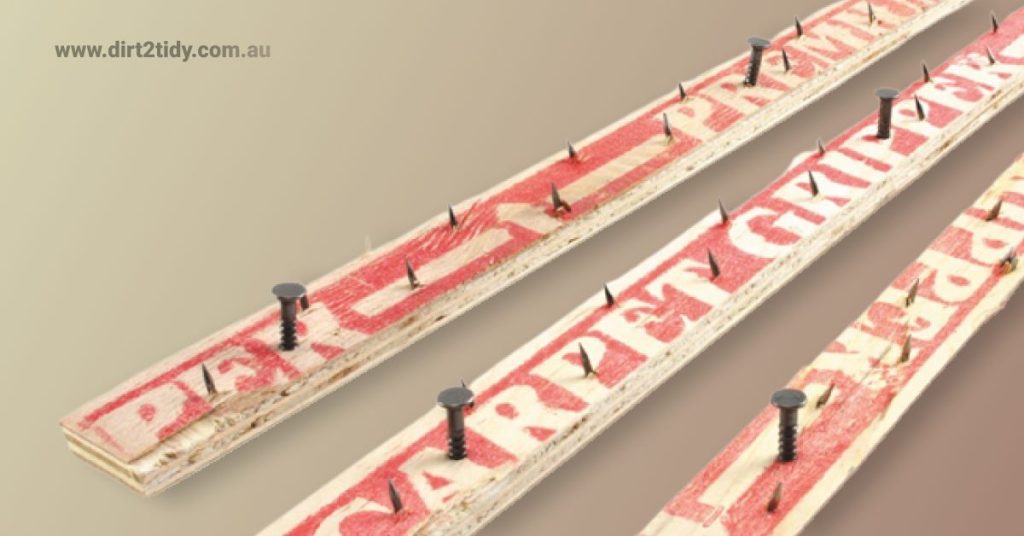
Most carpet is hammered into the concrete and fixed around the outer border with a tack strip. When you remove the tack strip, it usually leaves a small hole in the concrete where the nails have shattered it.
Using a concrete patching substance will fix the hole, but it will also stain a different color from the rest of the floor, posing a new dilemma.
We advise against patching the holes. Consider coloring the concrete again. Fill the tack strip holes with clear epoxy after you have neutralized and washed the flooring area and before applying the sealant.
This will allow the stain color to shine through while also smoothing up the surface, removing the divet. Make sure to equally flatten the top of the epoxy patch with the top of the concrete to avoid accidentally creating a minor bump.
Exploring Related Topics for Concrete Surfaces
When you’re dealing with concrete surfaces, there are several related topics that might pique your interest:
- Stain Removal Techniques
- Removing Paint from Concrete: Unintended paint splatters on concrete? Learn effective methods to lift those stubborn stains without causing damage.
- Eradicating Oil Stains: Discover the best ways to remove oil stains left from cars or machinery, ensuring your driveway or garage floor looks pristine.
- Concrete Maintenance and Care
- Sealing Concrete Surfaces: Understand the importance of sealing concrete to protect against weathering and wear, extending the life and appearance of your surfaces.
- Repairing Cracks in Concrete: Offers step-by-step guidance on fixing unsightly cracks, restoring both function and aesthetics.
- Concrete Aesthetics
- Polishing Techniques: Transform dull concrete into a glossy, polished surface with techniques that add shine and sophistication.
- Staining and Coloring Concrete: Explore options for adding visual interest with stains and dyes that offer a custom finish to your concrete surfaces.
- Innovative Concrete Solutions
- Permeable Concrete Options: Learn about eco-friendly alternatives that allow water to pass through, ideal for sustainable construction projects.
- Concrete Overlays: Discover how overlays can refresh and revitalize old concrete surfaces economically.
By delving into these topics, you’ll gain a comprehensive understanding of concrete surfaces, from maintenance to aesthetic upgrades.
Final Thoughts and the Finished Product
emoving carpet glue from concrete floors can be challenging it’s often messy, time-consuming, and labor-intensive. However, this shouldn’t stop you from improving your flooring. Start by trying different methods yourself while taking proper safety precautions.
If the adhesive is particularly stubborn or you’re working on a large area, calling in professionals is the best choice. Experts have the right tools and experience to handle complex jobs, ensuring your concrete floor is clean and ready for its new look.
After completing the project, the results were impressive. Over time, any remaining discoloration faded, leaving the surface fresh, clean, and completely transformed thanks to the professional touch from Dirt2Tidy.
Say goodbye to stubborn carpet glue Book Now with Dirt2Tidy and let the experts handle it!