Synthetic rugs are often practical
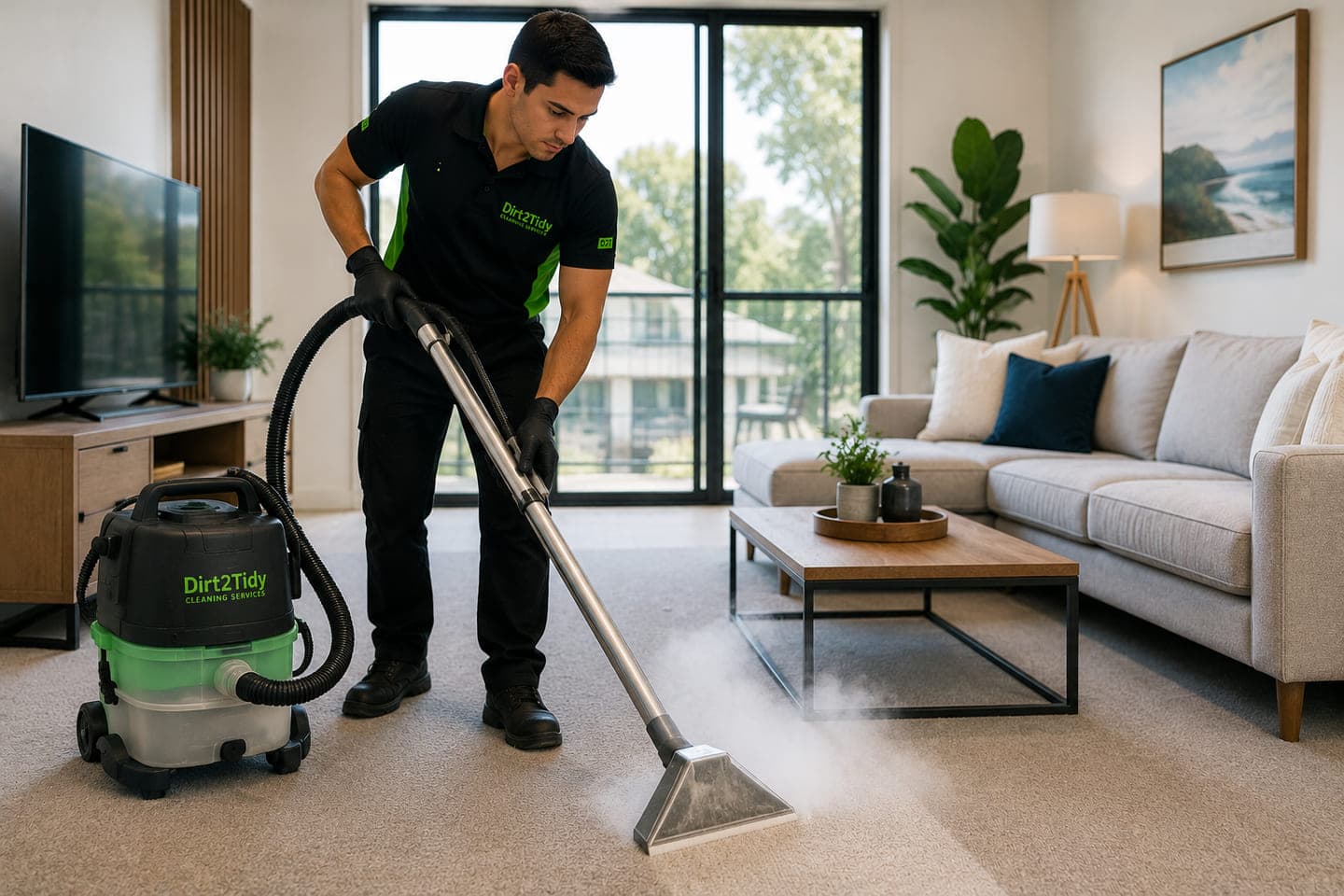
Many polypropylene or polyester rugs tolerate routine vacuuming and carefully controlled spot treatment, but the care label still determines the safe method. Nylon can be durable but may respond differently to heat, dyes and chemicals. Synthetic does not mean stain-proof, waterproof or safe for every detergent, so test first and avoid saturating the backing.
Natural fibres need more care
Wool can be resilient but is sensitive to excessive agitation, heat, moisture and unsuitable products. Jute, sisal and other plant fibres can mark, shrink or develop odour when wet. Cotton may be washable only when the construction and label permit it. Never assume a natural fibre should be steam cleaned or soaked.
Choose for the room, not just cleaning
Consider traffic, pets, children, sunlight, moisture, door clearance and whether the rug needs frequent movement. A low-pile, colourfast rug may be easier to vacuum than a deep or looped pile, but the room’s use still matters. Use a mat at entrances, remove grit regularly and treat spills promptly according to the label.
Get a material-aware assessment
Before booking, provide the rug fibre, backing, dimensions, age, condition, stain history and care instructions. A rug specialist can advise when immersion, low-moisture work or off-site treatment is appropriate. Dirt2Tidy can discuss carpet-related cleaning, but delicate, antique or valuable rugs may need a specialist rug cleaner.