
What the cyclone is doing inside the vacuum
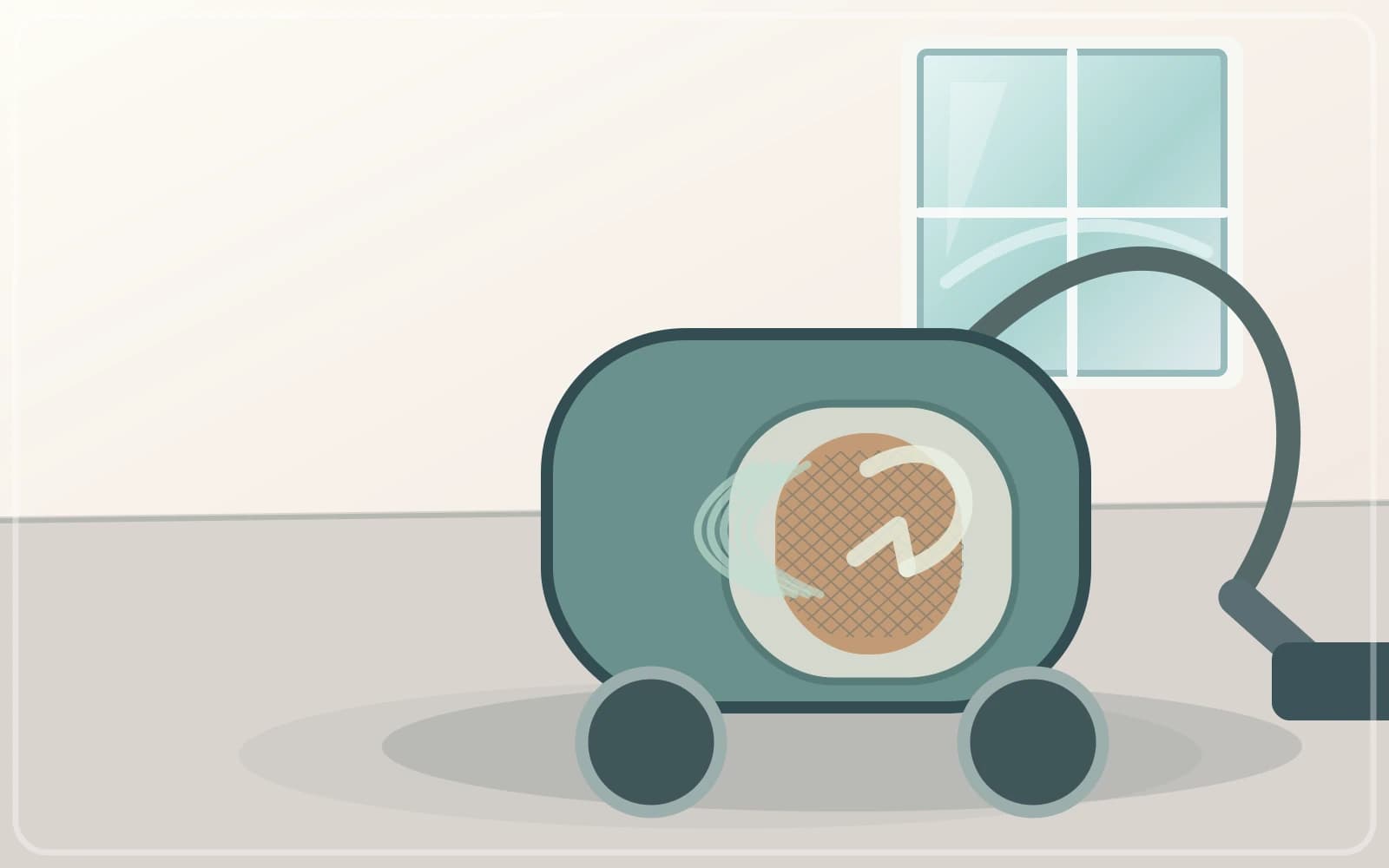
Air carrying dust enters a chamber and is spun around its walls. In that moving stream, some heavier debris loses momentum and falls towards the bin while the lighter fraction continues towards one or more filters. The geometry, airflow rate and load all affect separation.
A multi-cyclone arrangement may improve fine-particle separation in a particular model, but cyclone count alone is not a reliable comparison of cleaning performance.
Why cyclone separation is not the same as suction
Cleaning ability depends on the pressure and airflow available at the floor head, the seal between the head and surface, agitation, brush design and how much the system is obstructed. A vacuum can feel powerful at the hose and still clean carpet poorly if the head is wrong for the pile.
Compare independent testing or the manufacturer's complete specifications where available instead of treating a marketing phrase as a performance measurement.
Filters still matter
The cyclone removes only part of the load. Fine dust can continue to the pre-motor or exhaust filter, and a filter that is clogged, wet or incorrectly fitted can reduce airflow or let dust bypass the intended path. Check whether each filter is washable, replaceable or disposable, and follow the model manual for drying time.
Never refit a washable filter while it is damp.
Choose by floor, household and handling
For carpet, check that the powered or passive head suits the pile and can be adjusted without pulling fibres. Hard floors may need a soft brush or a setting that stops the rotating brush scattering grit. Homes with pets need a head that collects hair without wrapping excessively.
Also weigh the bin-emptying method, reach, stairs, noise, battery or cord arrangement and the machine's serviceability; a specification that looks impressive is less useful if the vacuum is awkward to use.
Empty the bin without making a dust cloud
Empty the bin before it reaches the marked limit and use the release mechanism over a suitable outdoor or lined container where practical. Keep your face away from the discharge, wash hands afterwards and keep children and pets clear. A full bin can change airflow and make the vacuum appear to have lost power.
If fine dust escapes around the lid or seals, stop and check that the bin, gasket and filter are correctly seated rather than taping over a fault.
Troubleshoot a sudden loss of performance
Switch off and isolate the machine as the manual directs before checking the floor head, hose, wand, bin inlet and filters. Hair wrapped around a brush, a blocked narrow passage or a filter past its service interval is more likely than a need to buy a stronger cleaner.
Do not push tools into a blockage or operate the appliance without a required filter. Persistent overheating, burning smell, damaged cord or unusual noise needs manufacturer or qualified repair advice.
Where a vacuum fits before specialist cleaning
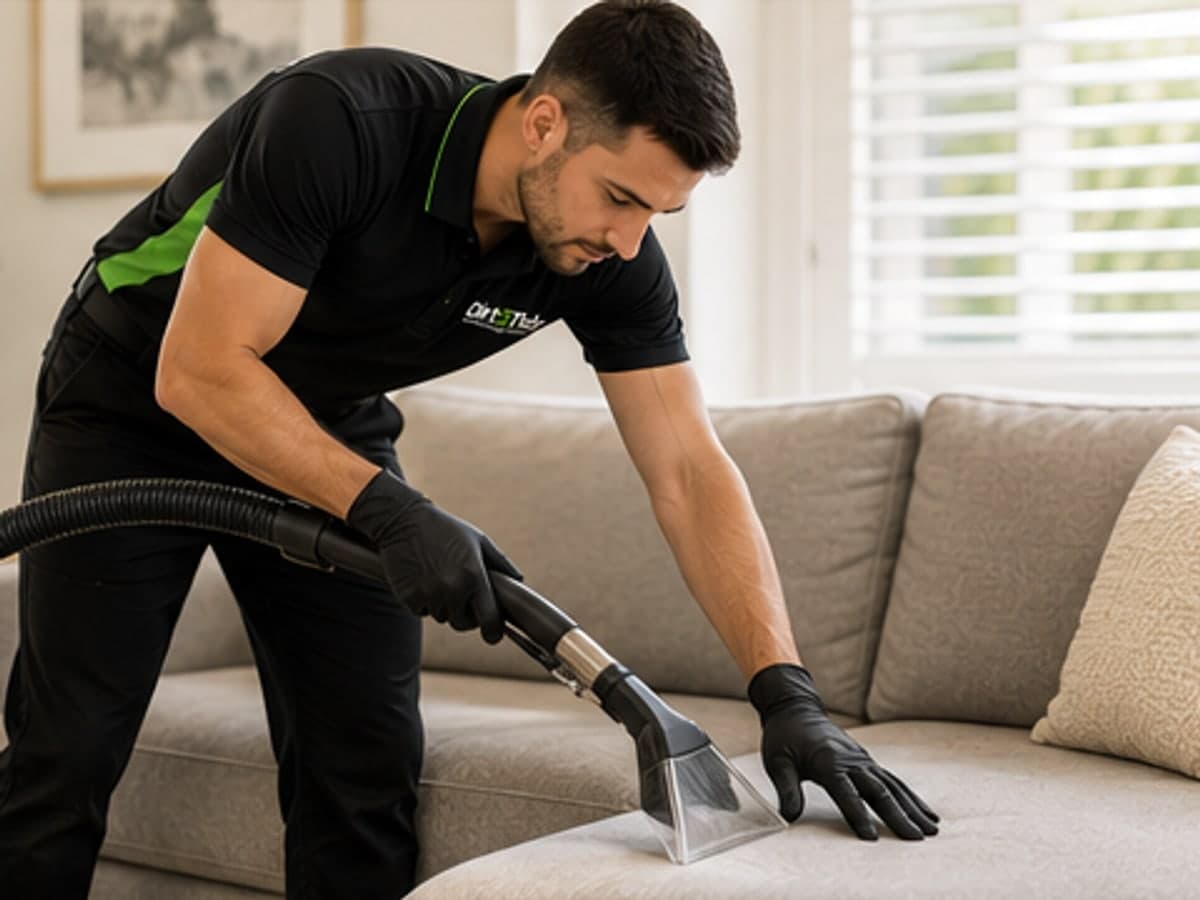
Vacuuming removes loose soil but does not replace compatible carpet extraction, stain assessment or upholstery care. Remove loose debris before a booked carpet steam cleaning service and follow the provider's preparation instructions. For ordinary floors and surfaces, a domestic cleaning brief should state whether vacuuming, edges, stairs and moving light furniture are included.
The right vacuum is a maintenance tool, not a promise that every embedded mark can be removed.