Table of Contents
Most individuals love and hate their carpets. Floors provide texture, color, and warmth to a room, but they also seem to absorb stains better than anything else. They become splattered because you eat, drink, and walk on them. They trap allergens, worsening asthma. If you’re searching for “how to clean carpet” after an accident, there are several fantastic stain removers.
We have all the tools, carpet cleaners, and professional guidance you need to restore your carpet to its former glory, whether you’re looking to learn how to clean your carpet as part of your regular cleaning program (make sure you’re vacuuming enough) or simply want to remove the dreadful red wine stain. Follow these great spring cleaning ideas for a sparkling house.
Carpet Cleaners
Before you start cleaning your carpet, make sure you have the necessary tools and supplies:
- Carpet vacuum – for removing loose dirt and debris
- Bicarbonate (baking soda) – helps eliminate odors
- Vinegar and water solution – useful for spot cleaning
- Carpet shampooer – for deep cleaning
- Rug brush – to scrub stubborn stains
- Sprayer – for applying cleaning solutions evenly
- Microfiber and white cloths – for wiping and blotting without staining
Cleaning Tips:
Vacuuming: Regular vacuuming helps maintain cleanliness and prolong the life of your carpet.
Carpet shampooing frequency: Follow recommended intervals based on foot traffic and carpet type.
Vacuum your carpet regularly since it naturally collects dirt and dander. Vacuuming once or twice a month should maintain it, depending on usage. Suction vacuums clean carpets better than rotary vacuums.
Deep clean your carpets every few months to restore them. Wall-to-wall carpeting and area rugs are different, so don’t use the same cleaning procedures. Before serious cleaning, be sure your rug can withstand it. Every three to five years, hand-wash an antique or fragile rug using pH-balanced shampoo.
Even if you don’t have a carpet cleaner at home, don’t worry a thorough clean every few months can be as simple as using a sturdy brush and some soapy water. Work the suds gently into the carpet fibers, let them sit for a few minutes, and then blot away moisture with a clean, dry towel. Regular deep cleaning like this keeps your carpets looking fresh, helps lift embedded dirt, and extends the life of your flooring. Washable carpets make life easier. Rotate rugs after intense washing. Rotating your rug annually and using a rug pad can extend its life. Sunbathe wool rugs annually. Sunlight not only cleans wool, but also fades its color.
To keep your carpet or rug looking its best, build a few simple habits into your routine:
- Vacuum regularly even when it doesn’t look dirty. This keeps dirt from embedding deep in the fibers.
- Address spills and stains immediately. Blot, don’t rub, to prevent permanent marks.
- Lay down runners or small rugs in high-traffic zones to minimize wear and tear.
- Deep clean every few months, whether with a brush and soapy water or a professional touch.
A little ongoing care makes a big difference in preserving your carpet’s color, texture, and overall charm.

First,
Read product labels before making a carpet cleaning strategy for any type of carpet. To avoid damaging your carpet, the label will tell you whether and how to test a small, inconspicuous area.
Before going any further, do a quick patch test with your chosen cleaning solution. Choose a small, hidden spot such as behind the couch or under a piece of furniture and apply the solution as directed. This lets you see how your carpet reacts, helping you avoid any unwanted discolouration or damage to the fibres.
After treating a small amount of your carpet, wait a few hours to make sure there is no adverse effect, such as a change in colour or texture, before cleaning the remaining area with carpet cleaning solution.
Cleaning routines
Even if you don’t have allergies or asthma, you should clean your carpets regularly. Additionally, you must instantly repair carpet stains.
Vacuum carpets and rugs twice a month to eliminate dust and dander. Always vacuum carpets before deep cleaning or spot cleaning. Debris in the fibers might prevent stain removal.
Spot-clean your carpet
Hand-cleaning carpets is crucial. When you need to clean gum or chocolate stains from a carpet, you’ll thank her for the advice.
Carpet pet hair removal
A time-saving approach for pet hair removal: Vacuum after sprinkling baking soda. Baking soda removes pet hair from carpet.
Remove carpet pet stains
Pet stains smell unpleasant and are simple to remove. Carpet dog pee removal: blot as much pee as possible using a paper towel. Mix equal parts white vinegar and warm water in a spray bottle. Remove odors by spraying. Blot again.
Carpet blood removal
Nosebleeds, home injuries, etc. Understand. Blood stains are difficult to remove from carpets.
A dish soap-hydrogen peroxide combination. Blot the stain with the mixture-soaked towel. Mix cold water and white vinegar and soak the bloodstain for a few minutes before blotting it with a paper towel or microfiber cloth.
Carpet wine removal
Red wine spills typically cause fear, but your carpet may be saved. Blot red wine stains immediately. After letting the salt or baking powder settle, vacuum it up.
Carpet paint removal
Craft disaster? Painting is easy than it seems. Carpet paint removal: Identify the paint. Water or oil? Water-soluble paints are simpler to clean.
Water-based paints:
Blot any residual wet paint with a paper towel and scrape it with a dull knife or razor blade. Rub a microfiber cloth with rubbing alcohol on paint stains on your carpet. If not, try paint thinner.
Oil paints:
Remove excess paint from new spots. If the paint has dried, use a cloth moistened with paint thinner and potentially a 1:1 dish soap and warm water mixture. Scotchguard your carpet for future protection.
Deep cleaning carpets
Regularly vacuuming your carpets won’t make them seem brand-new. They require comprehensive cleaning many times a year.
Hand-Washing Your Carpet
If you don’t have a carpet-cleaning machine, you can clean your carpet by hand using these steps:
- Sprinkle baking soda evenly over the carpet to help neutralize odors.
- Prepare a cleaning solution by mixing warm water with a color-safe carpet shampoo in a spray bottle.
- Spray the solution lightly over the carpet.
- Scrub gently using a carpet brush to work in the cleaner.
- Blot the area with a microfiber or white cloth to lift dirt and moisture.
- Rinse with warm water and blot again to remove any remaining soap.
While hand-washing is time-consuming, it’s a cost-effective alternative to renting or purchasing a carpet-cleaning machine.
How to Scrub a Carpet by Hand (the Right Way)
Use a soft-bristled brush and work in gentle, circular motions to loosen dirt embedded in carpet fibres. Don’t go at it like you’re polishing the Barossa’s finest floors; a light touch avoids damaging the pile.
For stubborn spots in high-traffic zones, you might need to spend a minute longer, but there’s no need to be aggressive let your cleaning solution do its thing.
Caution: Avoid over-wetting the carpet. Use only enough moisture to dampen the area, as excess water can seep into the underlay, leading to unwanted mould and musty odours. Have a dry towel ready to blot up any extra moisture as you work.
This method keeps your carpet safe while still tackling those peskier patches, setting you up for a job well done, even without fancy gadgets.
Common Mistakes to Avoid when Hand-Cleaning Carpets
Hand-cleaning your carpet has its own little minefield of errors. Here’s how to sidestep the most common blunders:
- Going overboard with water: Drenching your carpet doesn’t do it any favours. Excess water seeps down to the underlay, encouraging mold, mildew, and that musty carpet odour you’ll regret later.
- Wrong or strong cleaners: Using a mystery solution from the depths of your cleaning cupboard can spell disaster. Harsh chemicals weaken carpet fibres or leave behind faded spots. Always pick a gentle, carpet-safe mix and test it on a hidden patch first.
- Skipping the rinse: Forgetting to remove cleaning residue? Not ideal. Soap left in the fibres becomes a dirt magnet, so always follow up with a clean, damp cloth to blot away any leftovers.
- Heavy-handed scrubbing: Attacking a stain like it’s your mortal enemy will only spread it or damage the pile. Dab and blot, don’t scrub, to preserve your carpet’s dignity.
Avoid these and your next hand-cleaning session will be far less eventful (in the best way possible).
Avoid Soaking Your Carpet
When cleaning, go easy on the water flooding your carpet can backfire in more ways than one. If moisture seeps through to the underlay, you’re on the fast track to musty smells and even unwelcome mold or mildew. To keep your carpets fresh (and your nose happy), always use water sparingly and blot up excess immediately.

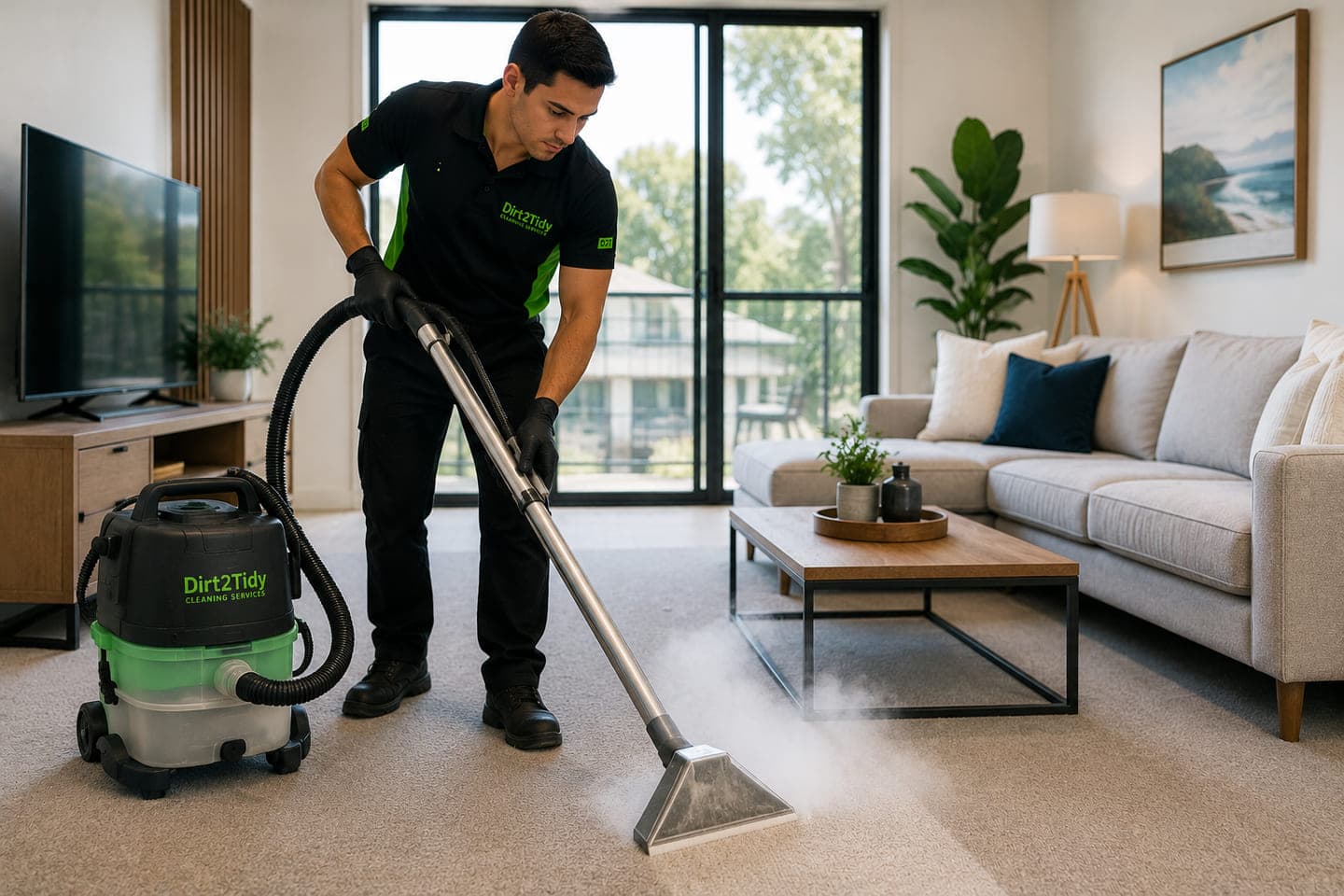
Use a Carpet Steam Cleaner
Smaller carpet-cleaning equipment may ease the process. Rent a carpet-cleaning machine from a home improvement shop if you don’t use it frequently or don’t have space for it.
Take out any furniture items on the carpeted area.
Vacuum loose dirt.
Pretreat stubborn stains (and remember to do a colour test before using a new cleaning solution).
Select Your Cleaning Machine Formula
To avoid being caught by damp carpet, begin at the farthest corner. Make sure your cleaning attachment is facing forward and backward with the spray button pressed. Repeat without the spray button. Continue until you’ve cleaned the carpet.
Rinse. If you can, reload your machine with warm water and repeat the operation. For hand-cleaning, grab a clean, damp microfiber cloth or sponge and go over the carpeted area you’ve just washed. This step is crucial removing any leftover soap keeps your carpet from feeling sticky and prevents fresh dirt from clinging to the fibers. Be thorough, but don’t over-soak; after rinsing, blot up excess moisture with a dry towel.
Dry. Before placing furniture back or walking on the carpet, wait 4–6 hours. To speed things along, blot any damp areas with dry towels or old rags to soak up as much moisture as possible. Open windows to encourage airflow or set up a fan to circulate fresh air and help the carpet dry faster. And yes, resist the urge to walk on your carpet until it’s completely dry trust us, it’s worth the wait.
Risks of Harsh Chemicals and Skipping the Rinse
Sure, shortcuts and strong cleaners might sound tempting, but your carpet won’t thank you later. Using harsh chemicals can damage carpet fibres, causing your once-luxurious shag to feel like yesterday’s doormat. Colors can fade, and residues left behind may irritate bare feet, pets, or anyone with sensitive skin.
Forgetting to rinse is another classic blunder. Detergent left in the carpet acts like a sticky flytrap for dust and dirt, making your hard work meaningless within days. Worse, trapped moisture from over-wetting contributes to hidden mould and the infamous musty carpet scent.
Stick with gentle solutions, test in an out-of-the-way spot, and always rinse thoroughly. Your carpet (and your nose) will appreciate the effort.
Hire a Pro
If a stain is stubborn or your carpet appears worn out, hiring a professional may be the best way to clean it. Professionals use detergents and steam to remove germs and grime from any carpeting. If you have wall-to-wall carpeting, do this annually.
Professionals cost extra. Cleaning firms usually charge per room and square footage. Consider convenience and affordability before hiring a cleaning (cost).
Life’s too short to stress about cleaning. In just 60 seconds, you can book a professional clean with Dirt2Tidy and come home to comfort, sparkle, and peace of mind.