Build a practical, repeatable routine
Put belongings away, clear walkways, manage laundry and remove ordinary rubbish regularly, and choose a schedule that fits the household's actual use and ability. A routine that's too ambitious gets abandoned after a week; a modest one that's done consistently is what keeps a home tidy.
Avoid rushing, lifting heavy items alone, or cleaning while distracted — the goal is a sustainable rhythm, not a single exhausting effort that leaves you dreading the next one.

Clean kitchens and bathrooms safely
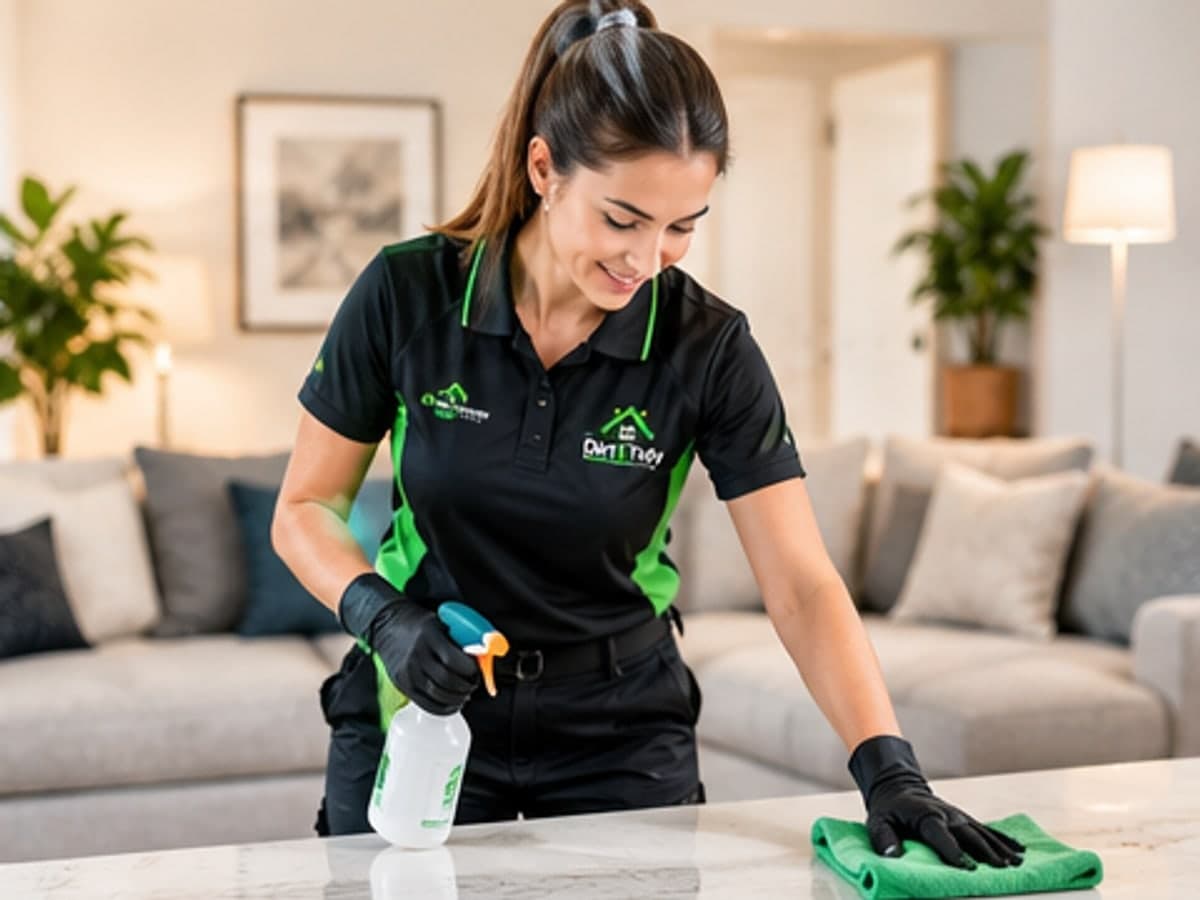
Wipe compatible surfaces, clean spills promptly, and follow appliance and product labels. Keep food-contact items separate from household chemicals, never mix products, and ventilate as directed. Don't pour improvised mixtures into drains or garbage disposals.
Kitchens and bathrooms are where most cleaning happens and where most cleaning accidents occur — a consistent, product-aware routine keeps both the surfaces and the people safe.
Care for floors, glass and furniture
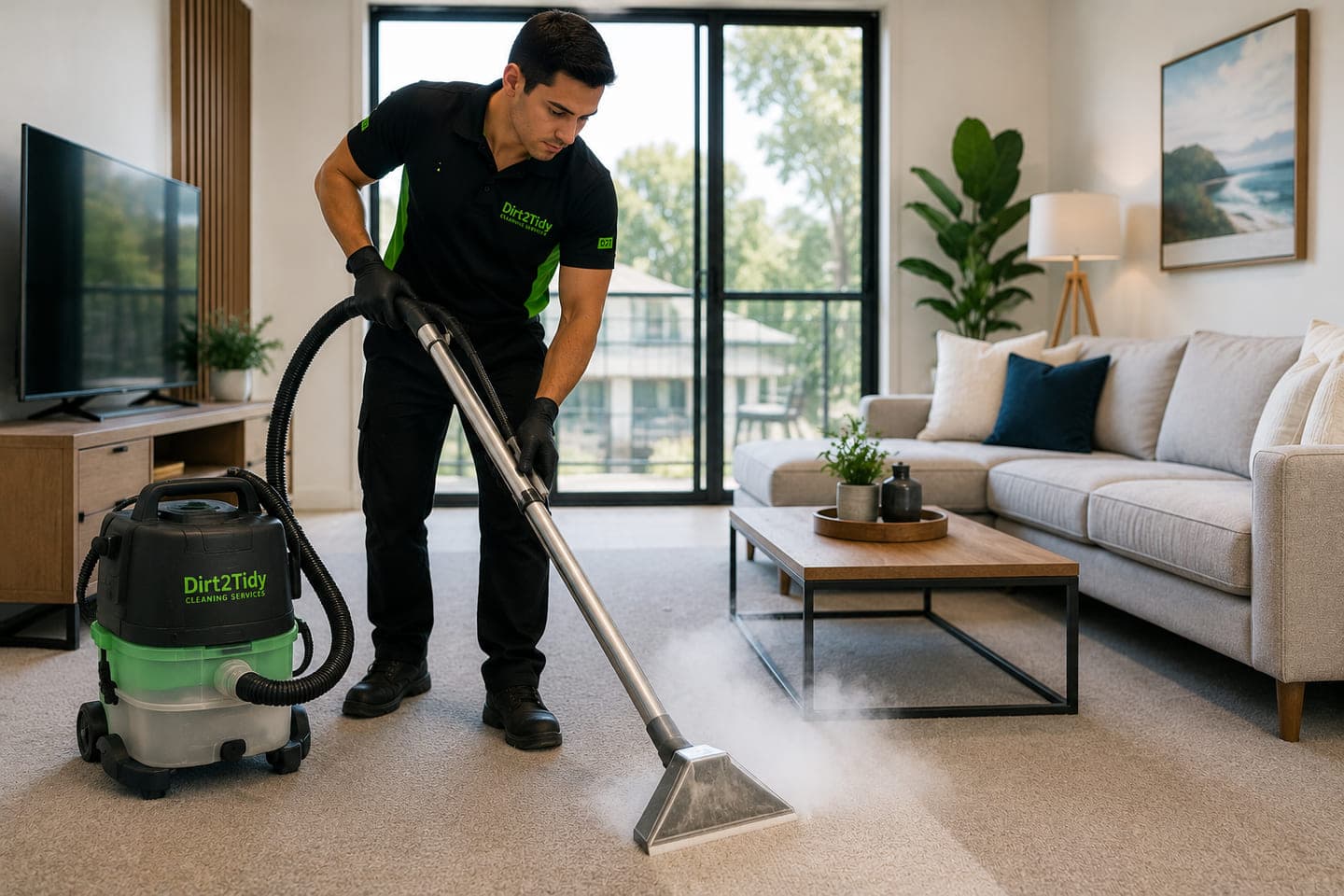
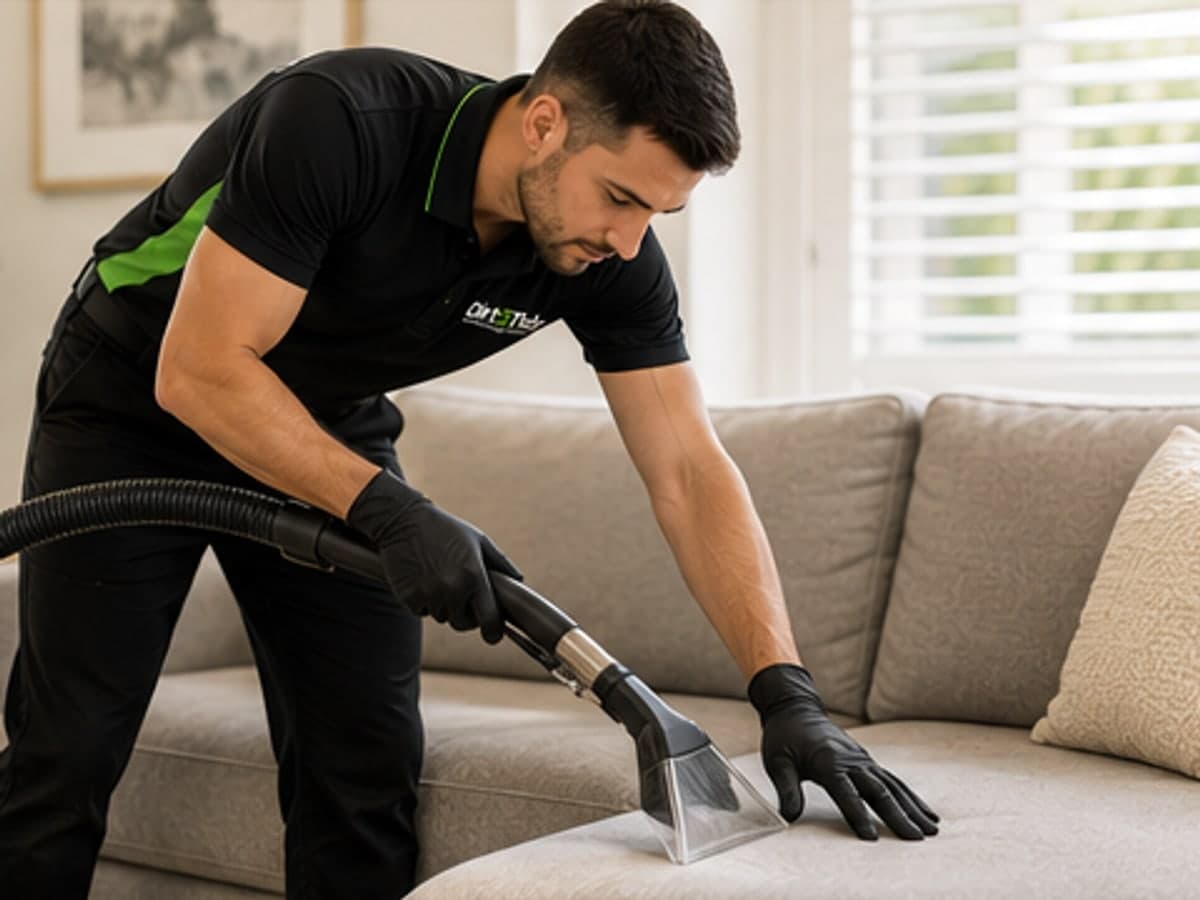
Remove grit before wiping or vacuuming, since grit scratches finishes and dulls glass. Check the maker's instructions for timber, stone, glass, upholstery and other delicate materials, and match the product to the surface rather than one bottle to everything. Protect finishes from excess moisture, abrasion and harsh chemicals, and address marks promptly before they set.
Surfaces that are cared for gently last longer and look better than ones that are scrubbed hard and often.
Use tools and storage responsibly
Use the right tool for each task, keep separate cloths for different zones to avoid cross-contamination, and store products in their original labelled containers, secured away from children, pets, food and heat. Audit the cupboard occasionally: consolidate half-bottles, label clearly, and dispose of anything you'll never use according to local guidance.
Good tools and safe storage are unglamorous, but they're what makes a routine actually work and prevents the most common household cleaning accidents.
Set realistic expectations
Cleaning maintains and refreshes — it doesn't repair, restore or guarantee outcomes. Worn finishes, genuine damage, mould from a leak and structural issues belong to the relevant trade or professional, not a harder scrub. The honest aim is a home that's clean, tidy and genuinely maintainable, with real problems flagged early rather than masked.
A routine that accepts that boundary is one you'll actually keep, and it's the foundation everything else in this guide builds on.