Identify materials and care instructions
Check labels or manufacturer guidance for desks, chairs, partitions and upholstery. A product suitable for one finish may dull, stain or damage another. Avoid excess moisture, abrasive pads, solvents or oils unless specifically approved.
Clean shared work surfaces
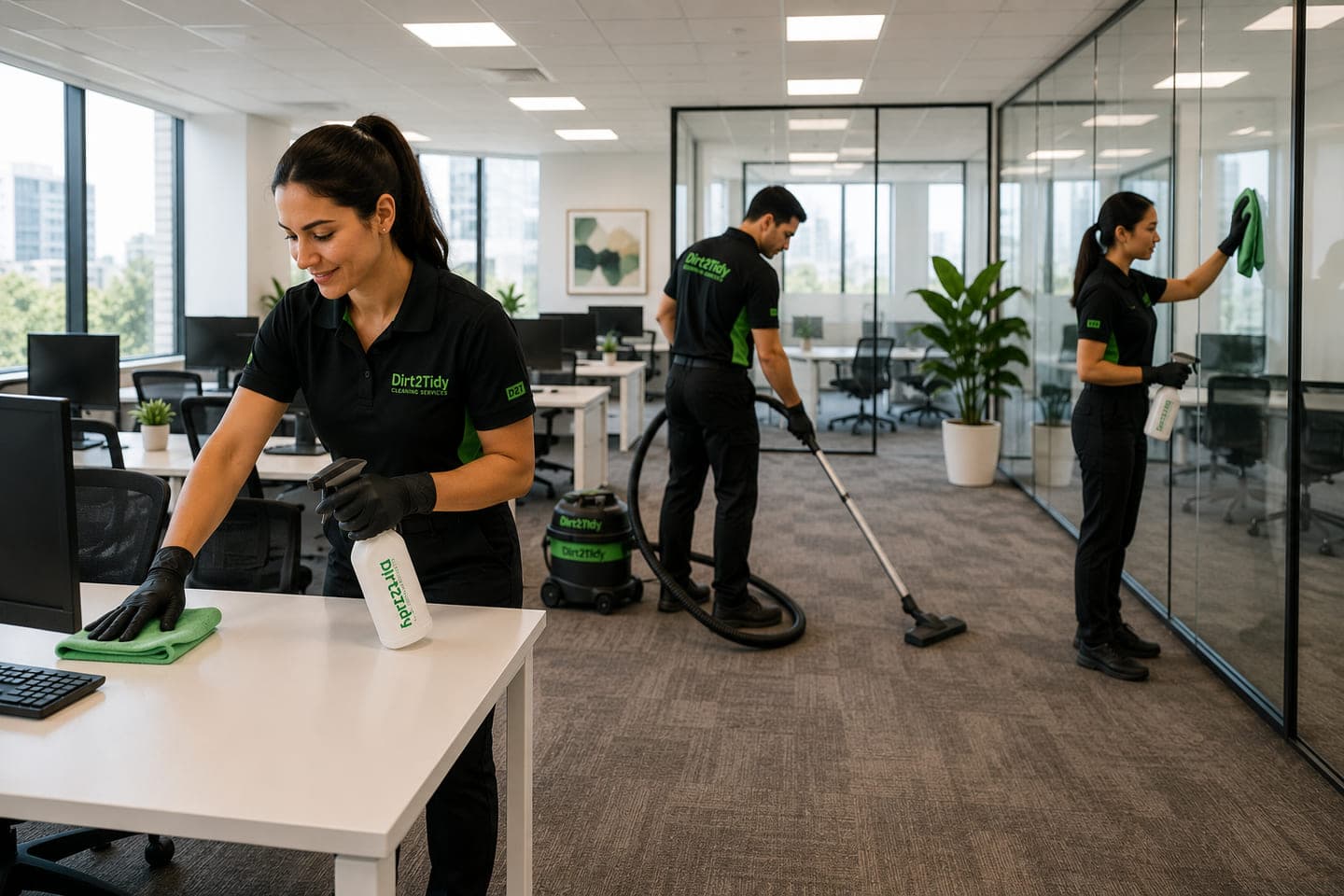
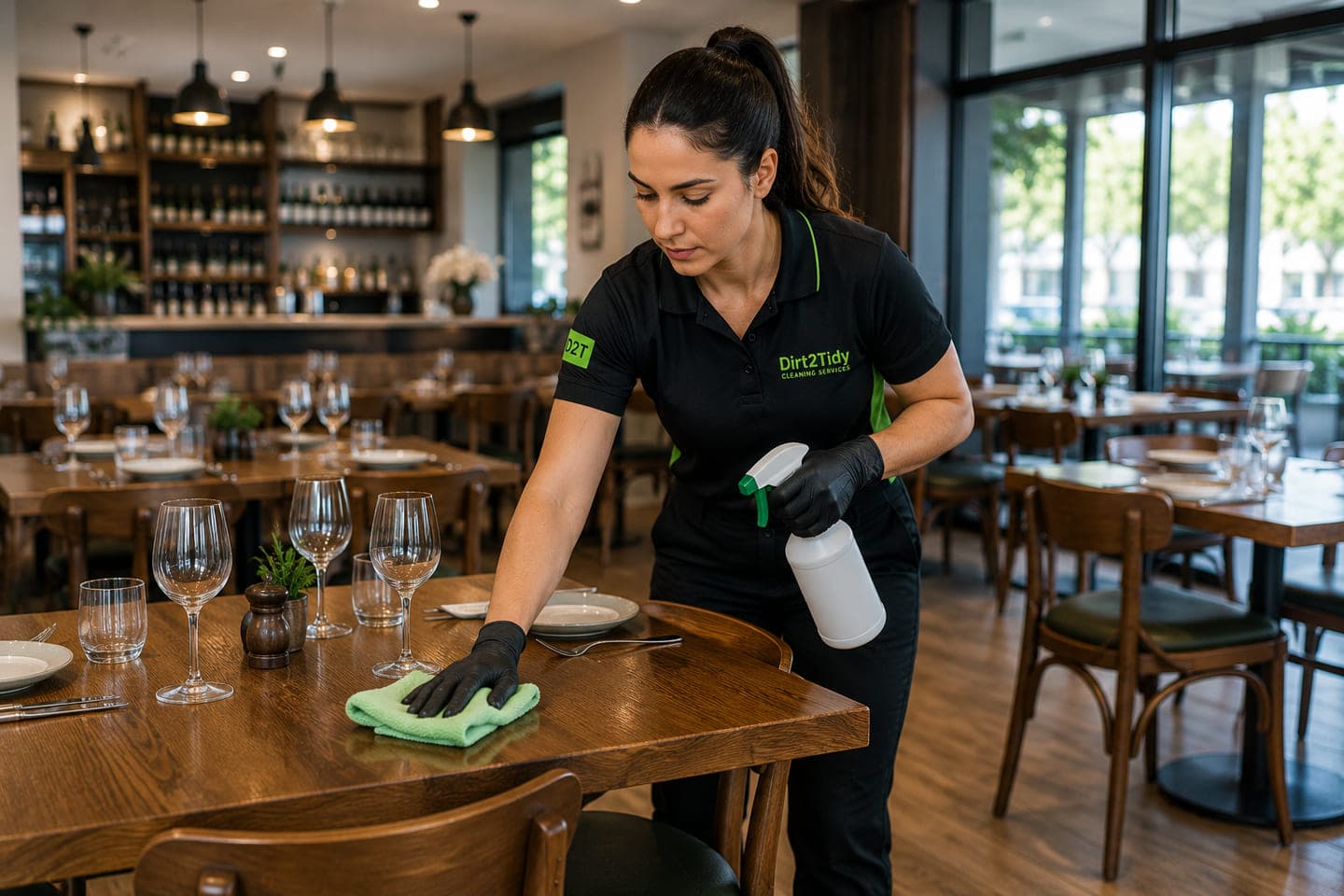
Remove loose dust with a suitable cloth and clean surfaces using a labelled product appropriate to the material. Protect documents and electronics, and follow workplace procedures for shared desks, meeting tables and food-contact areas.

Reduce disposable use responsibly
Reusable cloths and maintained equipment may reduce single-use materials when cleaned and stored safely. Keep separate tools for washrooms, kitchens and general surfaces, and replace items that are damaged or cannot be hygienically maintained.
Keep cleaning separate from furniture repair
Cleaning does not repair loose joints, peeling veneer, broken casters, failed coatings or structural damage. Report faults through facilities management and ask the manufacturer or a qualified repairer about restoration.