Carpet and rugs
Start with a slow vacuum pass in two directions, using the head approved for the carpet. Use a crevice tool along edges and under furniture, then empty the machine safely and maintain its filter.
A soft rubber pet-hair tool can lift hair from some short-pile carpets, but test first; it can pull loops or mark delicate rugs. Do not wet hair into the pile.
Upholstery and mattresses
Read the care label and test an inconspicuous area. Use a vacuum upholstery attachment, lint roller or surface-appropriate rubber tool with light pressure. Work along seams and under cushions without stretching fabric. Do not use steam, water or extraction on a material unless the manufacturer permits it.
A professional upholstery assessment is safer for velvet, silk, leather or colour-sensitive fabric.

Clothing and washable fabrics
Remove loose hair outdoors or over a washable surface, then use a lint roller or fabric-safe brush. Wash bedding, throws and pet covers according to their labels and avoid overloading the machine. Clean the lint filter after drying.
Do not use adhesive tape on delicate fabric or add fragrance to cover a stale smell in damp laundry.
Hard floors and high-touch areas
Use a dry microfibre head, electrostatic mop or vacuum suitable for the floor before damp cleaning. Collect hair from skirting boards, stairs, vents and under furniture. Use minimal water on timber and laminate, and a floor-safe product on tile or stone.
Keep hair out of drains and do not flush clumps down a toilet or sink.
When professional cleaning is worthwhile
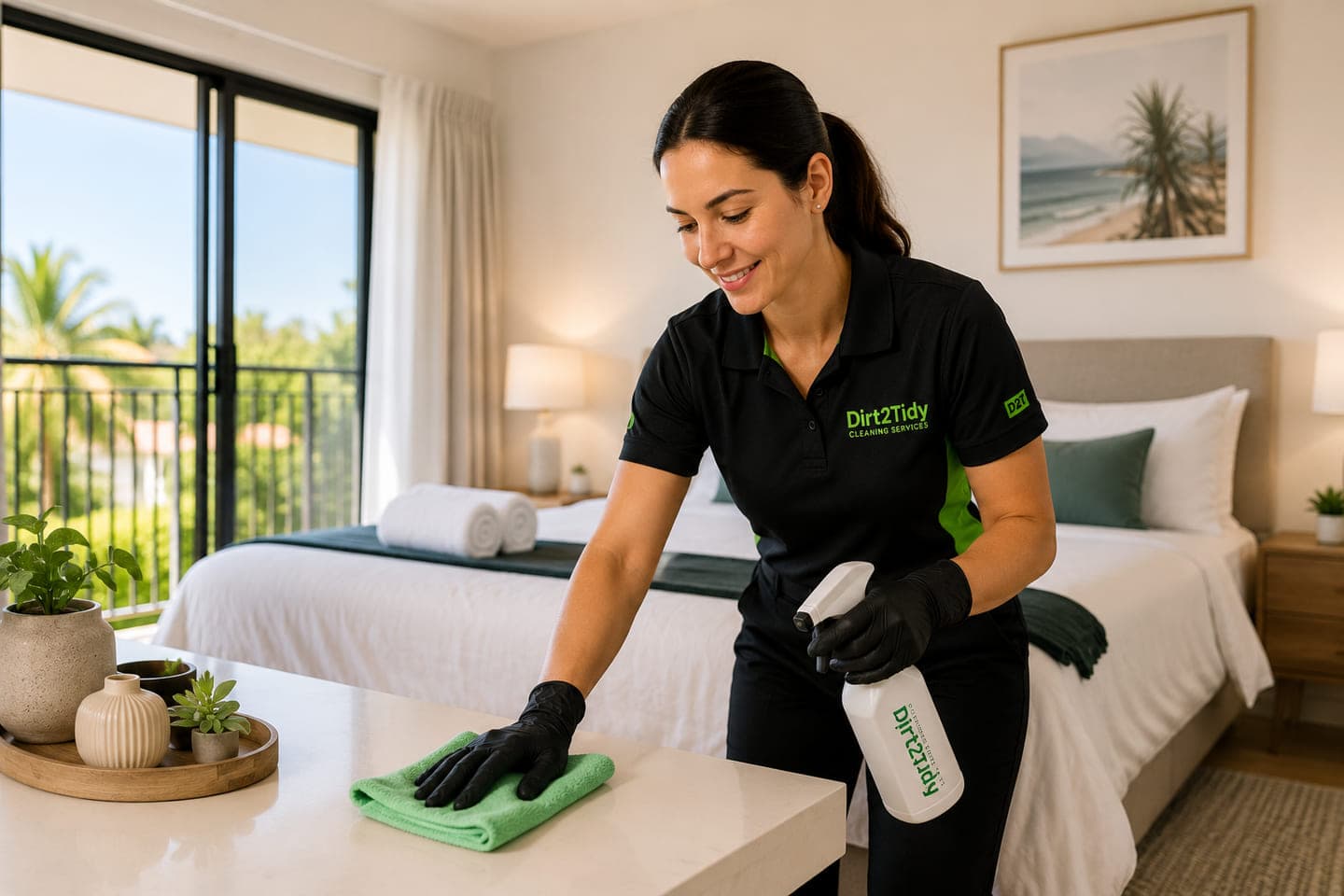
Embedded hair, pet odour, high-traffic carpet and large upholstered items can take more than a household vacuum can remove. Dirt2Tidy can quote domestic cleaning for accessible areas and carpet or upholstery cleaning after checking the material. Urine, vomit, faeces, fleas, mould or soaked underlay may require specialist treatment beyond routine hair removal.