
What changes when it is professional
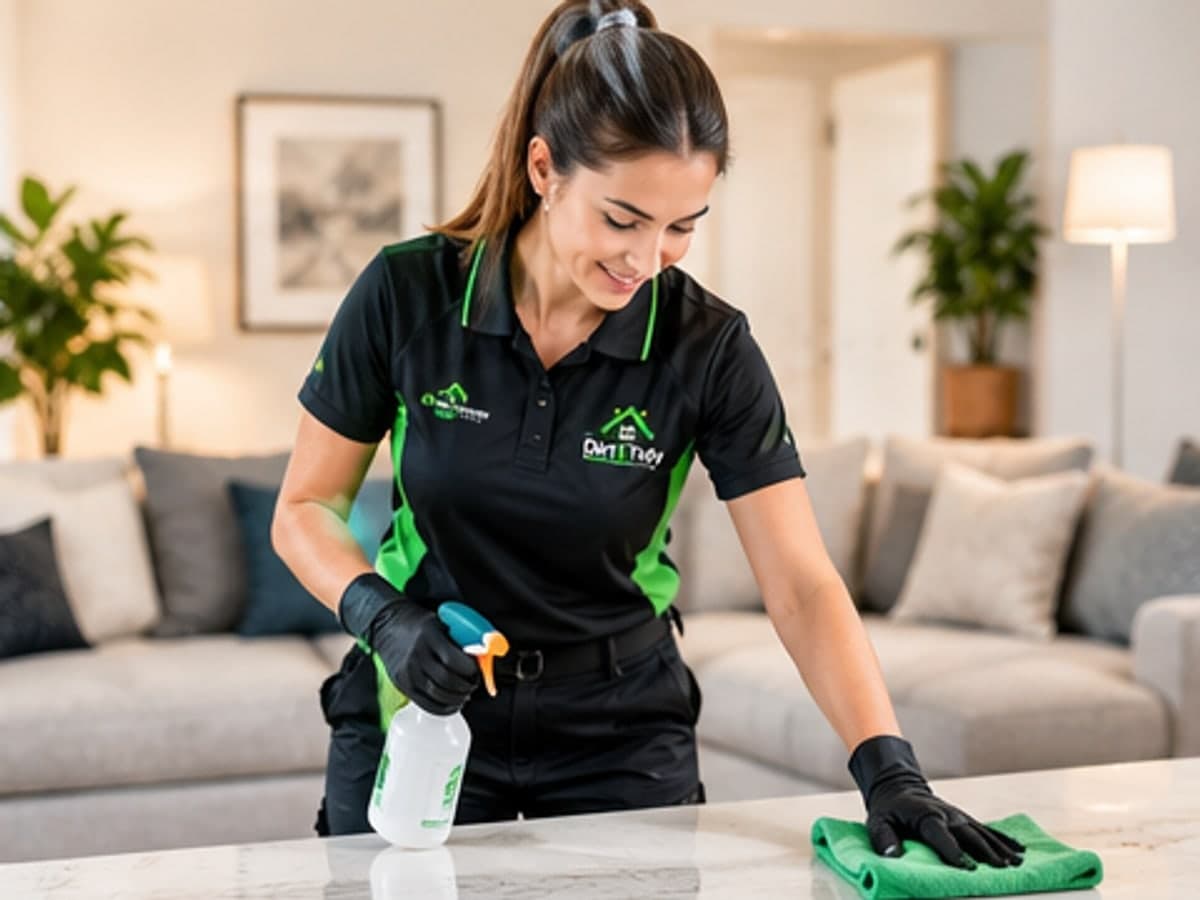
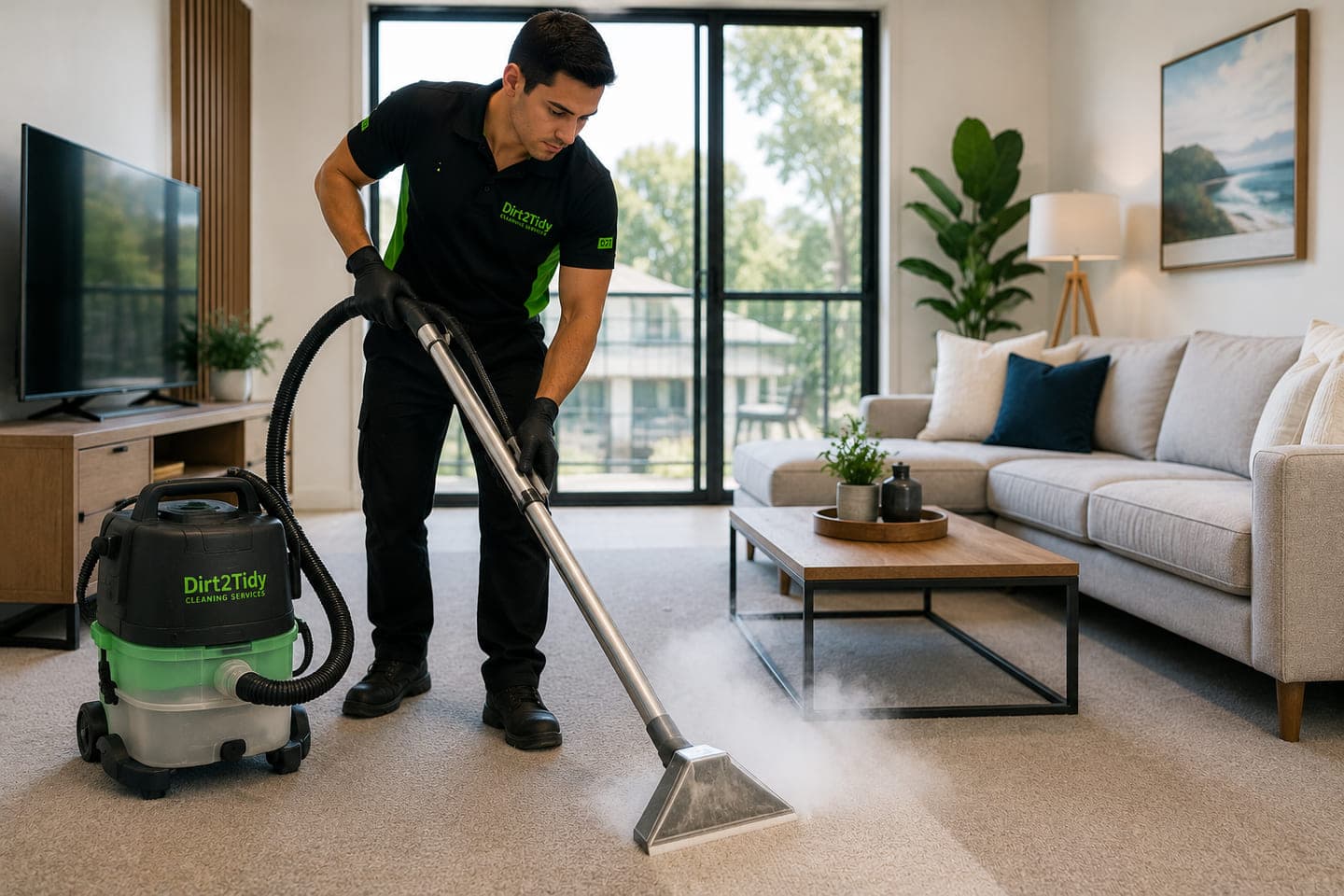
Four things transfer the moment a crew takes over. Equipment: commercial extraction, graded products and machines sized to rooms rather than cupboards. Method: the dry-before-damp, top-to-bottom choreography that makes each hour productive instead of busy. Standard: a written scope with finish definitions, checked by someone other than the person cleaning.
And the schedule: it happens because a contract says so, which is worth more than the strength of anyone's intentions on a Saturday.
The arithmetic of the two hours
A booked clean converts your tasks into trained minutes. Two professional hours carry the load of four to six untrained ones, not because cleaners scrub harder but because they skip the discovery, decision and fetch loops that consume household time, they already know which cloth, product and order each surface needs.
This is why quoting hours from your own DIY experience underestimates what a crew delivers, and why the right brief is a room list and condition, not a number of hours you have guessed; the same model runs in reverse in the guide to what cleaning services cost.
The jobs that transfer best
Work with hidden physics or equipment thresholds outsources cleanly: carpet and rug extraction, oven and appliance internals, limescale and mould-suspect bathroom detail, post-renovation dust, high or awkward access, whole-home resets before or after moves. Work that is mostly daily repetition, surface wipes, bins, tidying, transfers as scheduled domestic cleaning, which buys consistency, not drama.
The least good buys are one-off spot treatments you could book with a phone call anyway, and anything sold with guarantees a cleaner cannot honestly control.
Service types you will actually see
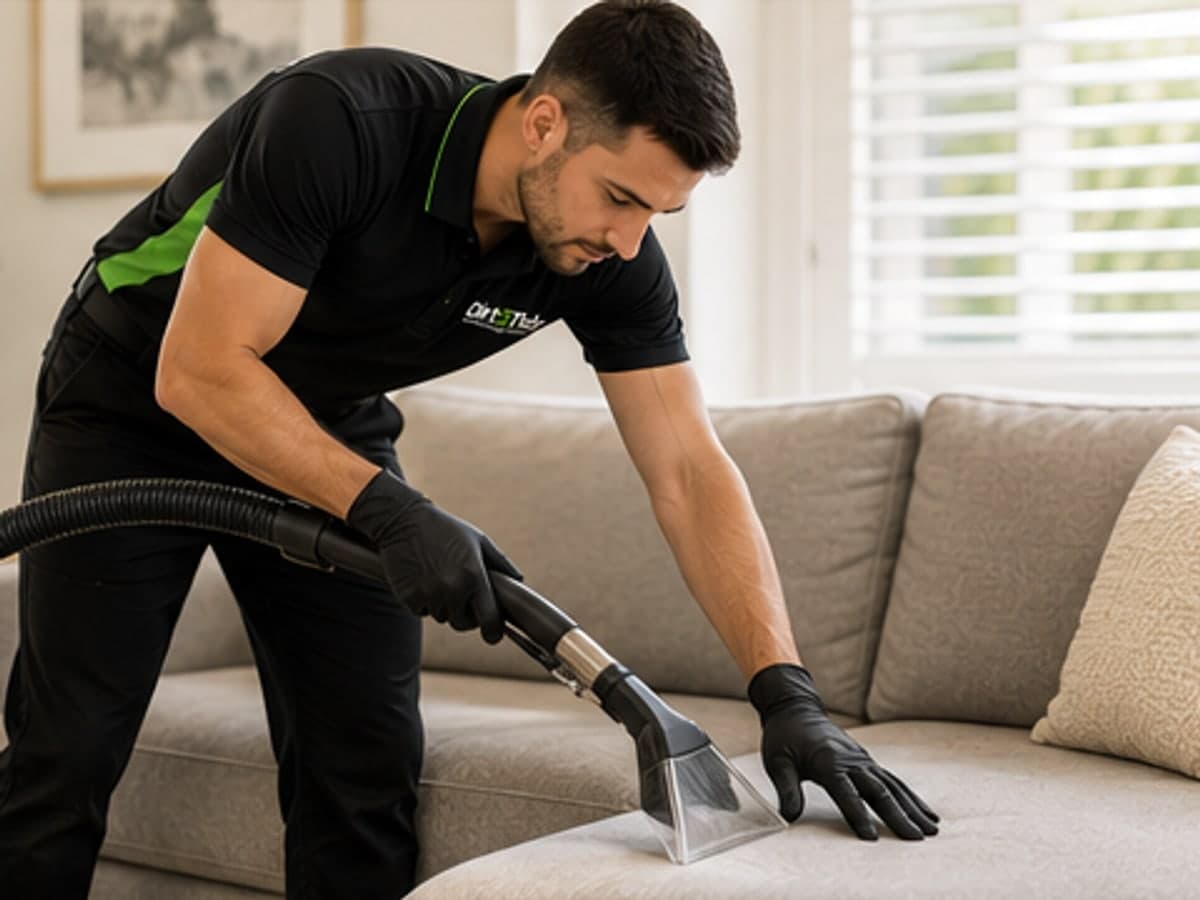
The market sorts into recognisable shapes: recurring maintenance cleans, periodic deep cleaning services for the between-states, vacate and move-in work written against inspection standards, and specialist single-task visits, carpets, ovens, windows, upholstery. A good provider states which shape you are buying and where its edge sits, rather than one everything clean with an adjective.
Overlap exists by design, a deep clean before a maintenance cadence, so the honest question to ask on any quote is what this visit does that the cheaper one would not.
What no professional service includes
Boundaries belong in the expectation. Repairs and painting, mould remediation that is really a building fault, pest treatment that needs a licence, hazardous-material or biohazard incidents beyond defined protocols, and outcome guarantees on staining, tenancy decisions or appliance failures.
Expect honest limitations on aged surfaces, a defined process for reported misses, and clear inclusions on paper, and you have the modern version. Expect showroom promises, and you have found a marketing page rather than a service.
Deciding if it is worth it for you
The test is comparative, not moral: value the hours returned, the equipment you no longer rent or buy twice, the standard held without willpower, and the disputes avoided by documentation, then compare to the fee, and to what the same hours are worth elsewhere in your life.
Households with health constraints, caring load, shift work, short-notice moves or rental obligations convert almost immediately, while a keen cleaner with time and small spaces may outsource only the hard periodic layer. Either answer is rational, and the market works precisely because both exist.