Table of Contents
Introduction
Post construction cleaning is an essential yet often underestimated phase in the construction process. After the dust has settled and the final touches are in place, the cleaning crew steps in to transform the newly built or renovated space into a clean, safe, and welcoming environment. However, this task is not without its challenges. From overlooking critical areas to using the wrong cleaning techniques, there are several common Pitfalls in Post Construction Cleaning that can compromise the quality of the cleaning and the overall satisfaction of the client. In this article, we’ll explore these Pitfalls in Post Construction Cleaning in detail and provide practical tips on how to avoid them, ensuring a successful post construction cleaning process that leaves no stone unturned.
Underestimating the Scope of the Job
The Challenge
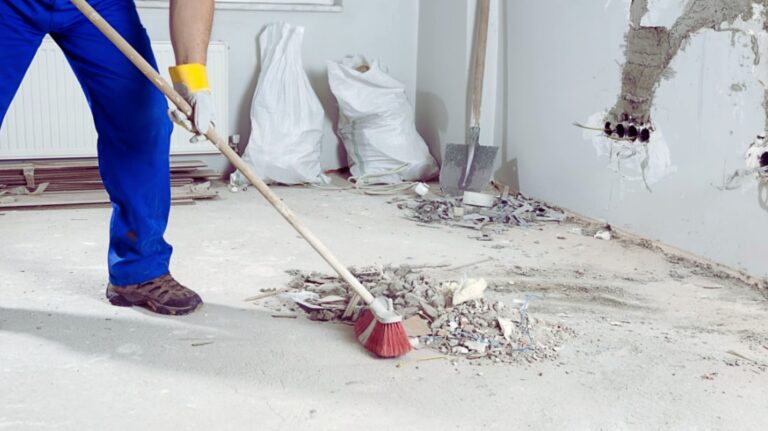
One of the most common mistakes in post construction cleaning is underestimating the scope of the job. Construction sites are notorious for generating large amounts of dust, debris, and residue, much of which can be hidden in hard-to-reach places. Cleaning up after a construction project is vastly different from routine cleaning; it requires a more thorough approach and often involves specialized techniques and equipment.
How to Avoid It
Conduct a Detailed Site Assessment: Before the cleaning process begins, conduct a thorough walk-through of the site to identify all areas that require attention. Take note of any specific challenges, such as high ceilings, delicate surfaces, or leftover construction materials that need special handling.
Develop a Comprehensive Cleaning Plan: Based on the site assessment, create a detailed cleaning plan that outlines all tasks to be completed, the equipment and products needed, and the estimated time required. This plan should include a checklist to ensure that no areas are overlooked.
Communicate Clearly with the Cleaning Crew: Ensure that the cleaning crew is fully aware of the scope of the job and understands the specific requirements of the site. Clear communication helps prevent misunderstandings and ensures that everyone is on the same page.
[lead-form form-id=1 title=Fill to Get Free Cleaning Checklist]
Using the Wrong Cleaning Products
The Challenge
Using the wrong cleaning products is a common Pitfalls in Post Construction Cleaning that can lead to damage of surfaces, ineffective cleaning, or even health hazards. Construction sites often have a variety of surfaces, including glass, metal, wood, and tile, each of which requires specific cleaning products. Additionally, residues from construction materials, such as adhesives or paint, may require specialized cleaners.
How to Avoid It
Identify the Right Products for Each Surface: Before starting the cleaning process, identify the different types of surfaces that need to be cleaned and select appropriate products for each one. Use glass cleaners for windows, pH-neutral cleaners for wood, and non-abrasive products for delicate surfaces like marble or granite.
Test Products in a Small Area First: If you’re unsure whether a product is suitable for a particular surface, test it in a small, inconspicuous area first. This helps prevent potential damage to surfaces and ensures that the product will be effective.
Opt for Eco-Friendly Products: Whenever possible, choose eco-friendly cleaning products that are free of harsh chemicals. These products are safer for the environment and reduce the risk of health issues for the cleaning crew and future occupants of the space.
Ignoring Hidden Areas
The Challenge
Hidden areas such as vents, light fixtures, baseboards, and behind appliances are often overlooked during post construction cleaning. However, these areas can accumulate significant amounts of dust and debris, which can affect air quality and the overall cleanliness of the space.
How to Avoid It
Include Hidden Areas in the Cleaning Plan: Make sure your cleaning plan specifically mentions hidden areas that need to be addressed. This includes cleaning inside and around vents, light fixtures, baseboards, and behind or under appliances.
Use the Right Tools for Hard-to-Reach Areas: Equip your cleaning crew with tools designed for reaching hidden areas, such as extendable dusters, vacuum attachments for tight spaces, and microfiber cloths for detailed cleaning. These tools make it easier to clean difficult-to-reach areas thoroughly.
Double-Check Before Finishing: Before considering the job complete, do a final walk-through to check all hidden areas. This ensures that nothing has been missed and that the space is truly clean from top to bottom.
You may also like to read about-“Post-Construction Cleaning Tips for a Fresh Start in Your New Home”
Inadequate Dust Control
The Challenge
Dust is one of the most pervasive issues in post construction cleaning. It can settle on all surfaces, become airborne, and even infiltrate ventilation systems. Inadequate dust control can lead to ongoing issues with air quality and may require additional cleaning after the initial job is done.
How to Avoid It
Use HEPA-Filtered Vacuums: High-Efficiency Particulate Air (HEPA) filters are essential for effectively capturing fine dust particles and preventing them from being released back into the air. Ensure that your cleaning crew uses HEPA-filtered vacuums on all surfaces, including floors, walls, and ceilings.
Implement Wet Dusting Techniques: For areas with heavy dust accumulation, consider using wet dusting techniques. This involves misting surfaces with water or a mild cleaning solution before wiping them down, which helps trap dust and prevent it from becoming airborne.
Seal Off Ventilation During Cleaning: To prevent dust from entering the ventilation system, consider sealing off vents during the cleaning process. This can be done with plastic sheeting or other protective coverings, which can be removed once the cleaning is complete.
Overlooking Safety Precautions
The Challenge
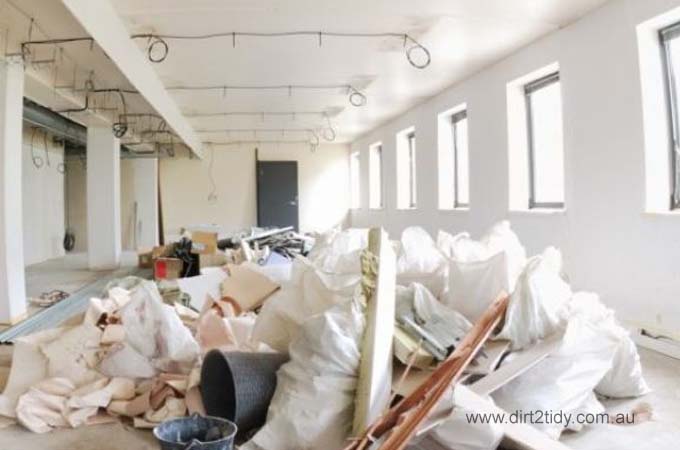
Post construction sites can pose various safety hazards, including sharp objects, exposed wires, and hazardous materials. Failing to implement proper safety precautions can result in accidents or injuries to the cleaning crew.
How to Avoid It
Conduct a Safety Assessment: Before beginning the cleaning process, conduct a safety assessment of the site to identify potential hazards. Make sure that all sharp objects, exposed wires, and hazardous materials are properly addressed before cleaning begins.
Provide Personal Protective Equipment (PPE): Ensure that all members of the cleaning crew are equipped with the necessary PPE, such as gloves, safety goggles, and masks. This is especially important when dealing with hazardous materials or environments with high dust levels.
Follow Safety Protocols: Establish clear safety protocols for the cleaning crew to follow, including proper lifting techniques, safe handling of cleaning products, and guidelines for working at heights. Regularly remind the crew of these protocols to ensure they are followed consistently.
Inadequate Waste Disposal
The Challenge
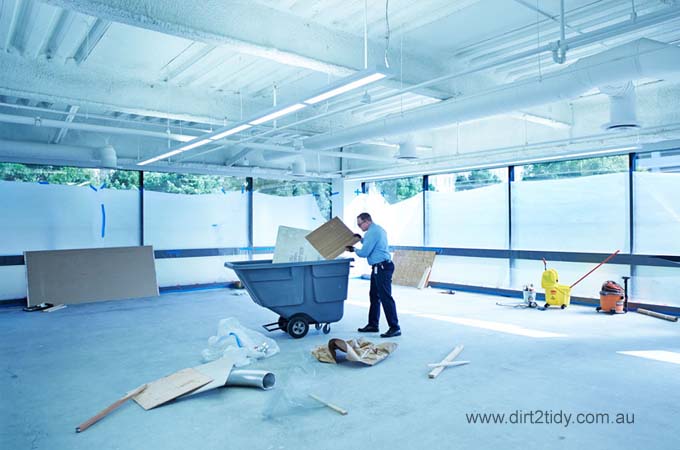
Post construction cleaning generates a significant amount of waste, including debris, packaging materials, and leftover construction materials. Improper disposal of this waste can lead to environmental issues and may result in fines for non-compliance with local regulations.
How to Avoid It
Sort Waste for Recycling and Disposal: Implement a system for sorting waste into categories, such as recyclable, reusable, and landfill. Ensure that recyclable materials are sent to the appropriate facilities, and consider donating reusable materials to organizations that can repurpose them.
Partner with a Waste Management Company: If the project generates a large amount of waste, consider partnering with a waste management company that specializes in construction waste. They can provide dumpsters, handle sorting, and ensure that all waste is disposed of in compliance with local regulations.
Keep Records of Disposal: Maintain records of all waste disposal activities, including receipts from waste management companies and recycling centers. This documentation can be important for regulatory compliance and can help demonstrate your commitment to environmentally responsible practices.
Rushing the Job
The Challenge
In an effort to meet tight deadlines, it can be tempting to rush through the post construction cleaning process. However, rushing can lead to missed areas, subpar cleaning, and ultimately, an unsatisfied client.
How to Avoid It
Allocate Sufficient Time for Cleaning: When planning the project timeline, allocate enough time for thorough post construction cleaning. Factor in the size of the space, the complexity of the job, and any additional services that may be required, such as carpet cleaning or window washing.
Focus on Quality, Not Speed: Emphasize to the cleaning crew that quality is more important than speed. Encourage them to take their time to ensure that every area is properly cleaned and that the job meets the highest standards.
Conduct a Final Inspection: Before considering the job complete, conduct a final inspection of the entire space. This allows you to identify any areas that may need additional attention and ensures that the client receives a space that is truly clean and ready for use.
Conclusion
Post construction cleaning is a critical phase that requires careful planning, attention to detail, and a commitment to quality. By avoiding common Pitfalls in Post Construction Cleaning such as underestimating the scope of the job, using the wrong cleaning products, and overlooking hidden areas, you can ensure that the space is left spotless and safe for occupancy.
Implementing effective dust control measures, prioritizing safety, and ensuring proper waste disposal are also essential components of a successful post construction cleaning process. By taking the time to do the job right, you not only meet the client’s expectations but also contribute to the overall success of the construction project.Remember, the goal of post construction cleaning is not just to make the space look good—it’s to create an environment that is clean, healthy, and ready for the next chapter. By following these best practices, you can avoid common Pitfalls in Post Construction Cleaning and deliver a result that everyone can be proud of.