Introduction: How to Avoid Common Mistakes in End of Lease Cleaning
- Overlooking Hidden Areas
- Using the Wrong Products
- Skipping Professional Help
- Rushing the Cleaning Process
- Neglecting Outdoor Spaces
- Ignoring Small Details Why Choose Dirt2Tidy for End of Lease Cleaning?
End of lease cleaning is a crucial task for tenants aiming to secure their bond refund and leave on good terms with their landlord. However, common mistakes in cleaning can lead to disputes, extra costs, or even deductions from the security deposit. By understanding and addressing these pitfalls, tenants can ensure a smoother move-out process and meet inspection standards. This guide highlights the most common mistakes in end of lease cleaning and offers actionable tips to avoid them. Hidden areas such as under appliances, inside cupboards, and behind furniture are often missed during cleaning. These spots can accumulate dust, grime, and debris over time, which landlords and property managers are likely to inspect. How to Avoid This Mistake Move Furniture : Shift couches, beds, and cabinets to clean the spaces underneath and behind them. Check Cabinets and Drawers : Empty and wipe down the interiors of kitchen cupboards, bathroom cabinets, and drawers. Inspect Under Appliances : Clean beneath the refrigerator, oven, and washing machine to remove dust and spills. [lead-form form-id=1 title=Fill to Get Free Cleaning Checklist] Use a flashlight to check for missed spots, especially in dimly lit areas like behind appliances or under heavy furniture . A tenant in Sydney avoided bond deductions by thoroughly cleaning under their fridge, where years of dust and crumbs had accumulated. Incorrect cleaning products can damage surfaces or fail to remove dirt effectively. For instance, using abrasive cleaners on delicate surfaces like wood or marble can cause scratches or discoloration. Read Labels : Check the labels on cleaning products to ensure they are suitable for the surface you’re cleaning.
Test in Small Areas : Before applying a product broadly, test it on a small, inconspicuous area to ensure it won’t cause damage. Use Natural Solutions : For eco-friendly and safe cleaning, consider using natural alternatives like vinegar and baking soda.
You may also like to read about- “Reasons for Commercial End of Lease Cleaning Service” Key Areas to Be Cautious With Wooden Floors : Use pH-neutral cleaners to avoid stripping the finish. Glass and Mirrors : Opt for streak-free cleaners or vinegar solutions.
Tiles and Grout : Use specialized grout cleaners to tackle tough stains without eroding the material. A tenant in Brisbane successfully removed stubborn grease from their kitchen backsplash using a degreaser recommended by their professional cleaning service.
If in doubt, consult with a professional cleaning service for advice on safe and effective products for specific surfaces. While DIY cleaning may seem cost-effective, it often falls short of the thoroughness required to meet landlord expectations. Missed spots or insufficient cleaning can lead to disputes and deductions from the bond.
Hire Professionals : Invest in a professional cleaning service that specializes in end of lease cleaning. Choose Services with Bond Guarantees : Opt for companies that offer a bond-back guarantee to ensure re-cleaning if needed.
Focus on Tough Tasks : Professionals are better equipped to handle challenging tasks like carpet steam cleaning, oven degreasing, or mold removal.
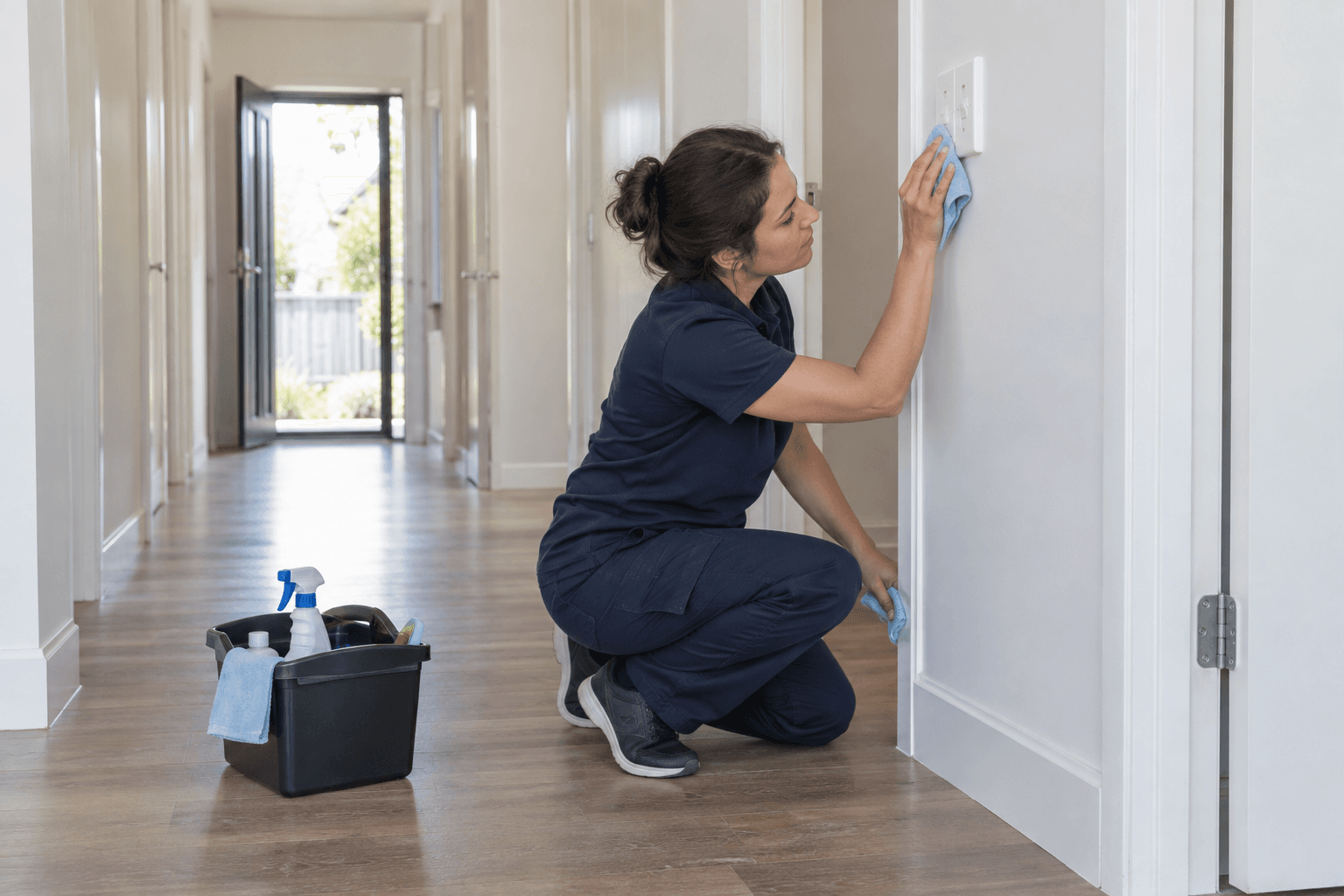
You may also like to read about- “WHY DO YOU NEED END OF LEASE CLEANING “ Benefit of Professional Cleaning Professionals have the experience, tools, and knowledge to clean efficiently and thoroughly, saving tenants time and effort while ensuring compliance with lease agreements.
A tenant in Melbourne secured their full bond refund by hiring Dirt2Tidy, whose bond-back guarantee provided peace of mind during the inspection process. Book professional cleaners early, especially during peak moving seasons, to ensure availability and avoid last-minute stress.
Hasty cleaning often results in missed areas, poorly cleaned surfaces, and a property that doesn’t meet inspection standards. Plan Ahead : Schedule enough time for a thorough clean, especially for larger properties. Follow a Checklist : Use a detailed cleaning checklist to ensure no area is overlooked.
Break it Down : Tackle one room or area at a time to maintain focus and efficiency.