The colour, oils, and chemicals in wood staining products can make them difficult to remove from textiles. While huge stained area is practically hard to remove, little drops or accidental smears on clothes, carpet, or upholstery can be removed. Why Treat Wood Stains from a Carpet Right Away?
What Kinds of Wood Stains from A Carpet Are There? Detergent Solution for Water-Based Wood Stains Removing Wood Stains with Vinegar and Baking Soda When Should You Replace Your Carpet Over Wood Stains?
Follow These Steps for Diy to Remove Wood Stain from A Carpet Tackling wood stains on your carpet as soon as they happen is crucial. The longer the stain sits, the deeper the wood’s dyes, oils, and chemicals can seep into the fibers, making removal much harder.
Swift action helps prevent discoloration from setting in, protecting both the look and lifespan of your carpet. If neglected, even a small mark can turn into a permanent eyesore or, worse, damage the backing of your carpet, leading to costly repairs or replacement. So, acting fast isn’t just about aesthetics—it’s about preserving your investment.
How do they get on carpets? Moisture is often the cause of wood discoloration and blot stains. The most typical methods to obtain wood stains from a carpet are as follows: Why Do Furniture Feet Stain So Much? Inadequately cleaning your carpets. Placing protective padding or blocks underwood furniture.
Untrained pets may pee on the carpet, transferring wood varnish onto the carpet. Food or drink spills over furniture, dripping into the carpet. Unsafely moving huge or heavy furniture. Flooding or leaky faucets harm. Since the furniture’s bottoms are hidden, most manufacturers don’t bother covering them.
Protective coatings generally enhance the look of the furniture while also sealing in the staining ingredients. The lack of a protective covering on furniture bottoms makes them more prone to stains when exposed to dampness. The type of solvent employed in the protective coating determines the sort of stain that results.
Water and oil soluble stains are the most frequent. The maker may use two or more dyes to get the desired colour. You may also like to read : What is the best steam carpet cleaner In this situation, the stain on your carpet may have many shades.
For example, a stain on the table leg’s bottom may be different from one on the leg’s side, where the wood dyes are less water soluble. To remove wood stains from carpet , first purchase some carpet stain remover and an absorbent towel.
The outcomes may vary depending on the stain, but it’s a start and better than nothing to keep a clean paper towel handy. Test the stain remover on a tiny patch of carpet to ensure no colour transfer from carpet fibers. After evaluating the area, treat the stain as directed on the container.
Allow the substance to soak into the carpet for 10 minutes, then wipe that area of the carpet, a damp cloth. De-Solv-Liquid for Wood Stains
Apply a small amount to a damp white cloth (never directly on carpet) and press onto the stain for 5–10 minutes. Blot gently from the outside in, switching to a clean section as the stain lifts. Finish by wiping with a damp cloth to remove residue. Always patch-test first.
If you’re dealing with a water-based wood stain, regular liquid detergent can often come to the rescue. Mix two cups of lukewarm water with a teaspoon of a mild liquid detergent (dish soap like Dawn typically works well).
Lightly spray or dab this soapy solution straight onto the stained patch—don’t drown the carpet, just moisten the affected area. Let the detergent sit for about 15–20 minutes so it can break down the stain.
Afterward, blot the spot gently with a clean cotton pad or paper towel, working from the outside in to keep the stain from spreading. Once most of the liquid and loosened stain is absorbed, let the area air dry and check your progress.
If the mark lingers, a repeat treatment may be necessary to fully lift the discoloration. Alcohol as a Stain Remover If the stain persists after using a standard remover, alcohol can be surprisingly effective. Alcohol helps break down stubborn pigments in wood stains, but it’s not suitable for every carpet type.
First, pour a small amount of rubbing alcohol onto a clean, white towel. Gently dab—don’t rub—the stained area. Be careful not to oversaturate, as too much liquid can push the stain further into the fibers.
However, avoid using alcohol on carpets containing acetate, rayon, wool, or silk, as it can damage or discolor these delicate materials. Always test on a hidden section first to ensure the carpet will not react poorly. For most synthetic carpets, alcohol can be a safe last resort, especially when other methods haven’t worked.
Let the treated area air dry before continuing to the next step. Dry the region. Using a low-heat iron is a quick solution. Don’t iron straight on the carpet or it may burn. Keep it off the carpet and on low heat, or it will cause further difficulties.
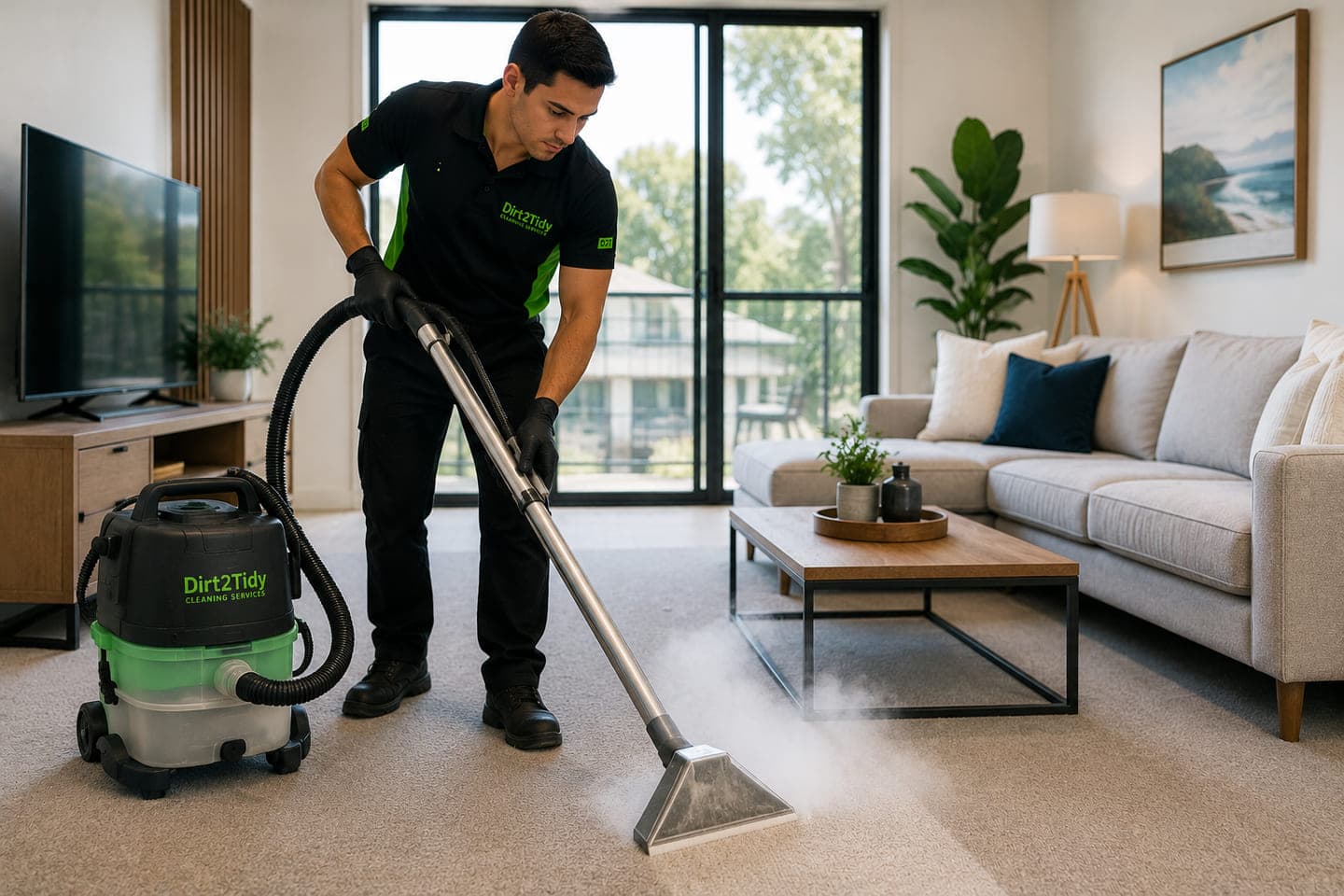
Put a moist towel over the stain and iron it. This will help it dry while also steaming it. Using an iron prepares the region for deeper Carpet steam clean . Scrub the stain with a steam cleaner and steam the area.
If you don’t possess a steam cleaner, you may rent one from places like grocery stores or repair businesses. Steam washing the area will assist release the particles and removing the stain. This method typically works for a short time.
Depending on the severity of the stain and how long it has beenset, many steam cleaning sessions may be required. After steam cleaning and drying the area, you may need to apply chemicals. Wear gloves and goggles to protect your hands and eyes. To begin, dab the stain with acetone on a cloth.
Wipe it down with a clean cloth. After this, you may need to steam clean again. The measures you follow will depend on the sort of stain, how long it has been on the carpet, and its size.
Mineral Spirits for Oil-Based Stains When facing an especially stubborn oil-based wood stain, mineral spirits can be a handy ally. This mild solvent, easily found in hardware or paint stores, is specifically effective for breaking down oily residues lingering in carpet fibers. To use mineral spirits safely, avoid pouring it directly onto the carpet.
Instead, dampen a clean cloth or cotton ball with a small amount of mineral spirits, then gently blot the stained area. Work from the outside edge toward the center to prevent the stain from spreading. After blotting, quickly follow up with a fresh dry cloth to soak up any excess solvent and loosened stain particles.
This method helps lift the oil-based discoloration without causing additional harm to your carpet. Remember to wear gloves and ventilate the area when working with solvents, and always spot-test in an inconspicuous area first to ensure colorfastness. For stubborn stains , you may need to repeat the preceding methods.
In some circumstances, a professional carpet cleaning may be required. However, utilising a steam cleaner and carpet cleaner will remove many wood stains. Ammonia Solution for Stubborn Wood Stains from a carpet When persistent wood stains refuse to budge, an ammonia solution can come to the rescue.
Start by blending one teaspoon of liquid dish soap (make sure it does not contain any bleach) and a quart of ammonia into two cups of lukewarm water—a little kitchen chemistry, minus the wild explosions. Dip a clean sponge or cloth into your mixture, then gently work from the edge of the stain inward.
Blot, don’t scrub; you’re coaxing the stain out, not inviting it to move in. Rinse the area with a small amount of plain water afterward to remove any residue, then pat dry with a towel.
A heads-up: steer clear of detergents containing bleach when working with ammonia, as this can cause discoloration and damage to your carpet . Always test your solution on a discreet patch first, just in case your carpet is particularly sensitive.
Using Hydrogen Peroxide to Tackle Wood Stains If standard cleaning methods haven’t quite done the trick, hydrogen peroxide can be a powerful next step—especially for tricky protein- or plant-based stains lurking in your carpet fibers. Here’s how to get started: