Confirm the project is ready
Ask the builder or principal contractor to confirm dusty work is complete, utilities and access are safe, wet finishes have cured as required and debris is managed. Keep cleaners out of restricted zones. Suspected asbestos, silica dust or other hazardous material must be assessed and handled by appropriately qualified specialists.
Define the construction-cleaning scope
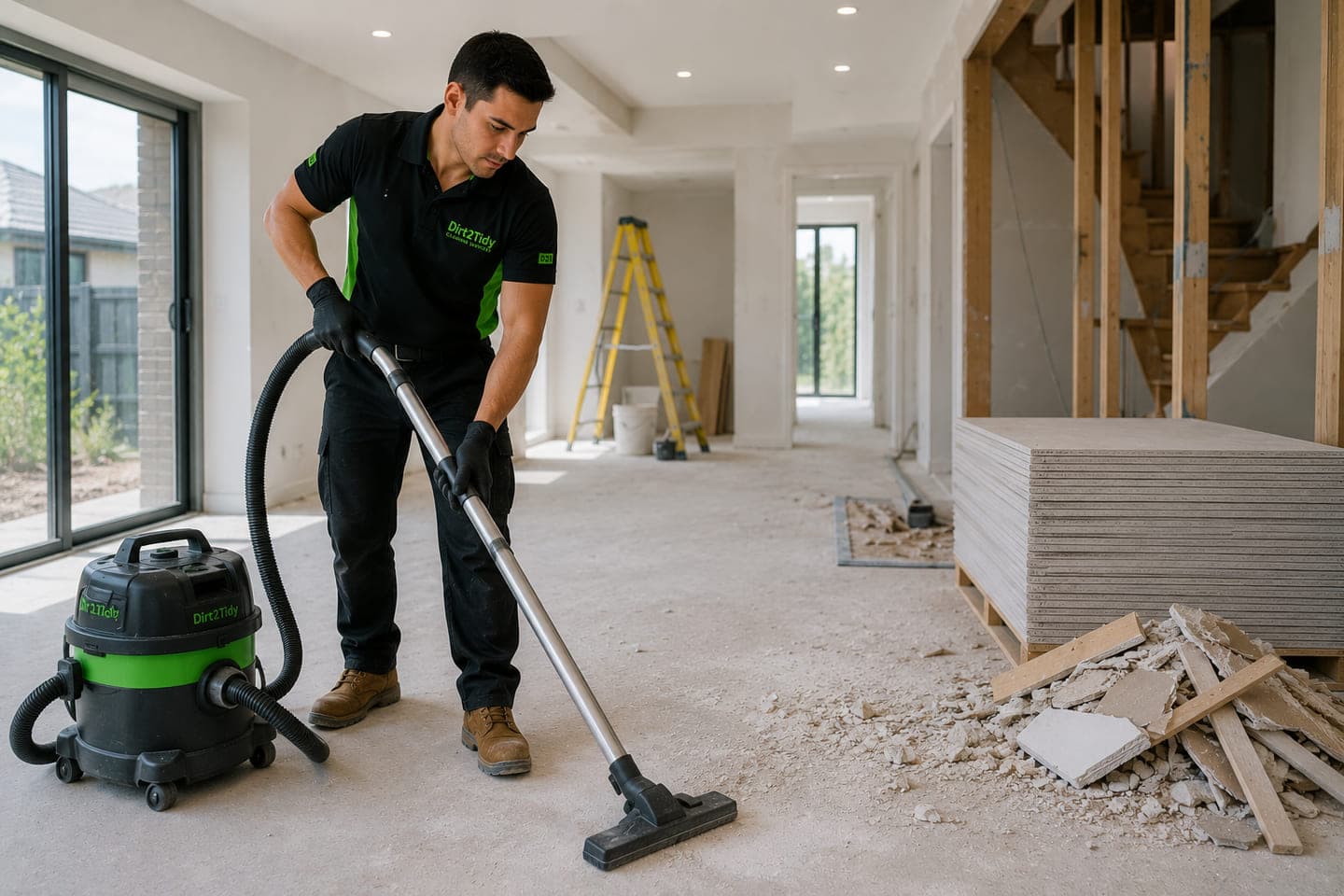
List rooms, floors, windows, frames, fixtures, cabinetry, bathrooms, kitchens, dust level and any handover standard. Clarify whether this is a rough clean, final clean or further presentation visit. Paint, grout, sealant removal, repairs, rubble and hazardous waste may need separate trades.
Check methods, equipment and site controls
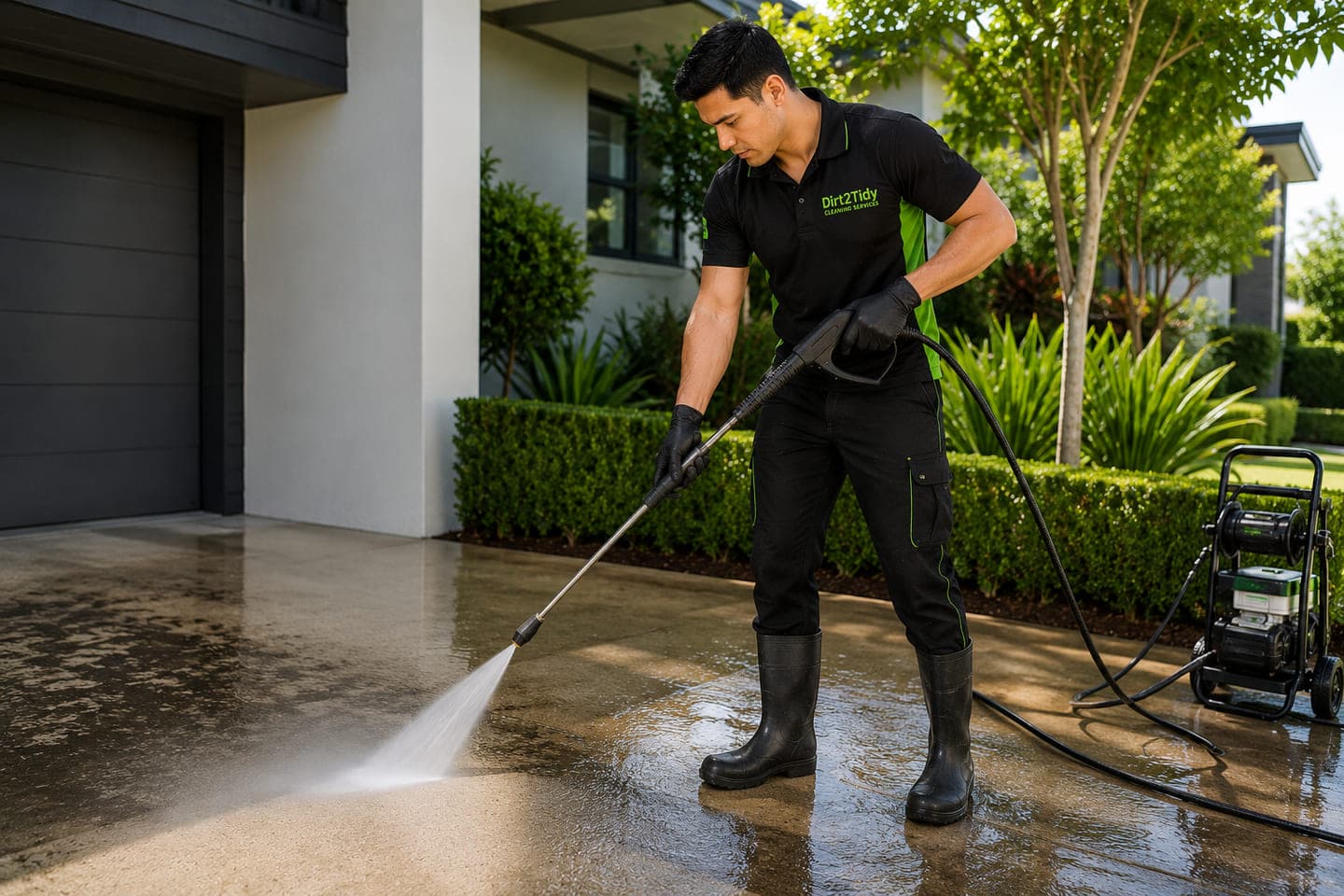
Ask how fine dust will be collected, what surfaces or coatings require protection, what equipment is used and how waste and wastewater are handled. Confirm site induction, PPE, access hours, parking, power, water and coordination with remaining trades. Do not assume high-pressure or wet methods suit a newly finished surface.
Compare providers and written terms
Share project size, location, condition, photos, access, deadline and the builder's requirements. Confirm inclusions, exclusions, repeat visits and variation charges in writing. A cleaning service cannot certify construction quality, air quality, safety or practical completion.