Record where and when activity appears
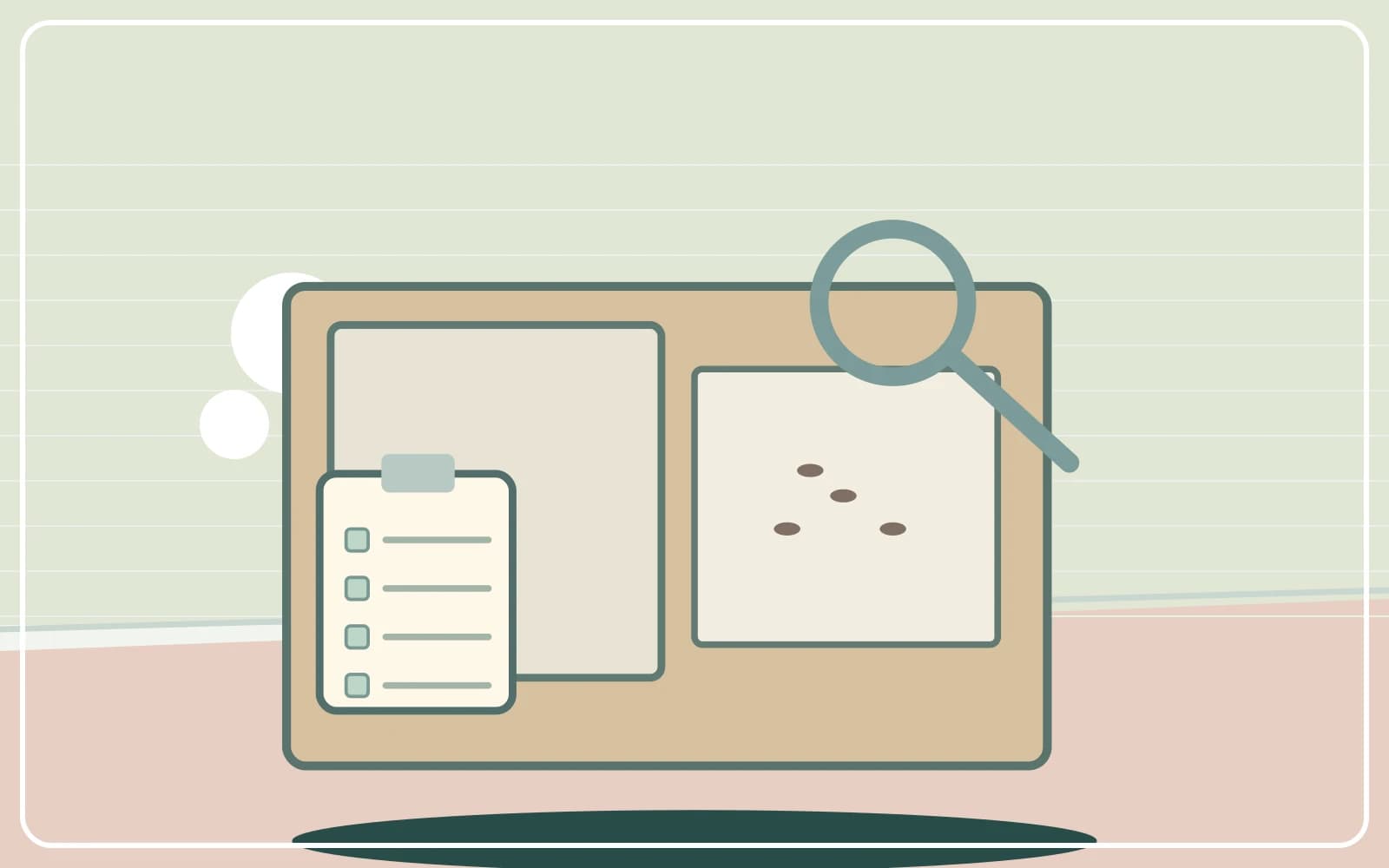
Note the room, date, approximate number, visible condition and any nearby food, water or access concern you observed. Photograph only from a safe position. Do not open appliances, remove cabinetry, enter roof or wall cavities, or disturb droppings or suspected nests to look for a source.
Keep housekeeping separate from identification
Store food and waste appropriately and report leaks or building gaps to the responsible property contact, but do not treat these actions as pest control or proof of a source. A routine clean cannot identify a species, inspect hidden voids or certify a property as pest-free.
Ask a qualified pest provider what an inspection includes
Provide the sightings, location, property type, occupancy and any products previously used. Ask who will attend, which pests and areas are within scope, whether access or follow-up is proposed, what qualifications or authorisations apply locally, and which occupant, pet and food-area precautions are needed. Verify relevant credentials with the local regulator.
Confirm product instructions and service terms
If treatment is proposed, request the product or method details, current label-based preparation and re-entry instructions, quote, limitations and follow-up terms in writing. There is no universal product or re-entry period. NSW residents can consult the NSW EPA pesticide information; other states and territories have their own authorities.
Understand the provider arrangement
Dirt2Tidy arranges pest-control services through subcontractors across its operating cities; the external provider performs any inspection or treatment. The individual provider, applicable qualifications, accepted pest and work, address/date availability, price and outcome are confirmed for the exact enquiry. No pest-free guarantee is made.