How to Clean Various Types of Furniture What are the advantages of Washing Upholstery? How many times should you have washed your upholstery? It seems like the world is trying to keep our homes as dirty as possible.
Dirt, dogs, kids, and cats, However, luckily, if you have enough time and resources, most of the cleaning problems can be solved. But there are some tricky problems, such as how can you keep your upholstery clean and looking good when everyone still climbs all over it?
It’s not like you can spray it and clean it, after all. Learn how to care for your upholstered furniture and keep updated on the Dirt2Tidy Blog with the new upholstery cleaning tips and tricks! We are hard at identifying and producing useful content to help you stay safe and clean.
Throughout Australia, we clean for clients, but these blog posts have data that will help everyone, regardless of where you live.
You may also read about: ” Upholstery Maintenance Tips “ Upholstery is the fabric and padding that covers the furniture, with upholstery fabric covered by sofas , love seats, armchairs , ottomans , stools, and more. What Is the Washing of Upholstery?
The upholstery cleaning (as you would expect) is the cleaning process of the fabric that upholsters your furniture . But, at first, the process is harder than it could sound. Upholstery is mostly made up of relatively fragile natural materials, such as cotton, for one thing.
For another, most furniture would not allow you to literally remove the upholstery to pass through the washing machine . You may also like to read about – “ Homemade cleaner for washing machine “ Upholstery Cleaning requires special equipment and know-how. First, it inspects upholstery to note any tears or other damage.
The fabric is then vacuumed, conditioned, rinsed, and dried with a vacuum. To effectively clean your upholstered furniture, gather these essential tools and materials: Vacuum : Essential for removing dust and debris before deep cleaning. Cleaning brush : Useful for gently scrubbing stains without damaging the fabric.
Upholstery cleaner or gentle laundry detergent : Choose a cleaner suited for your specific fabric type. Microfiber cloth : Ideal for blotting stains and drying surfaces without leaving lint. Steam cleaner : Provides a deep clean that can help refresh and sanitize. You may also like to read about: ” How to Clean Upholstery?
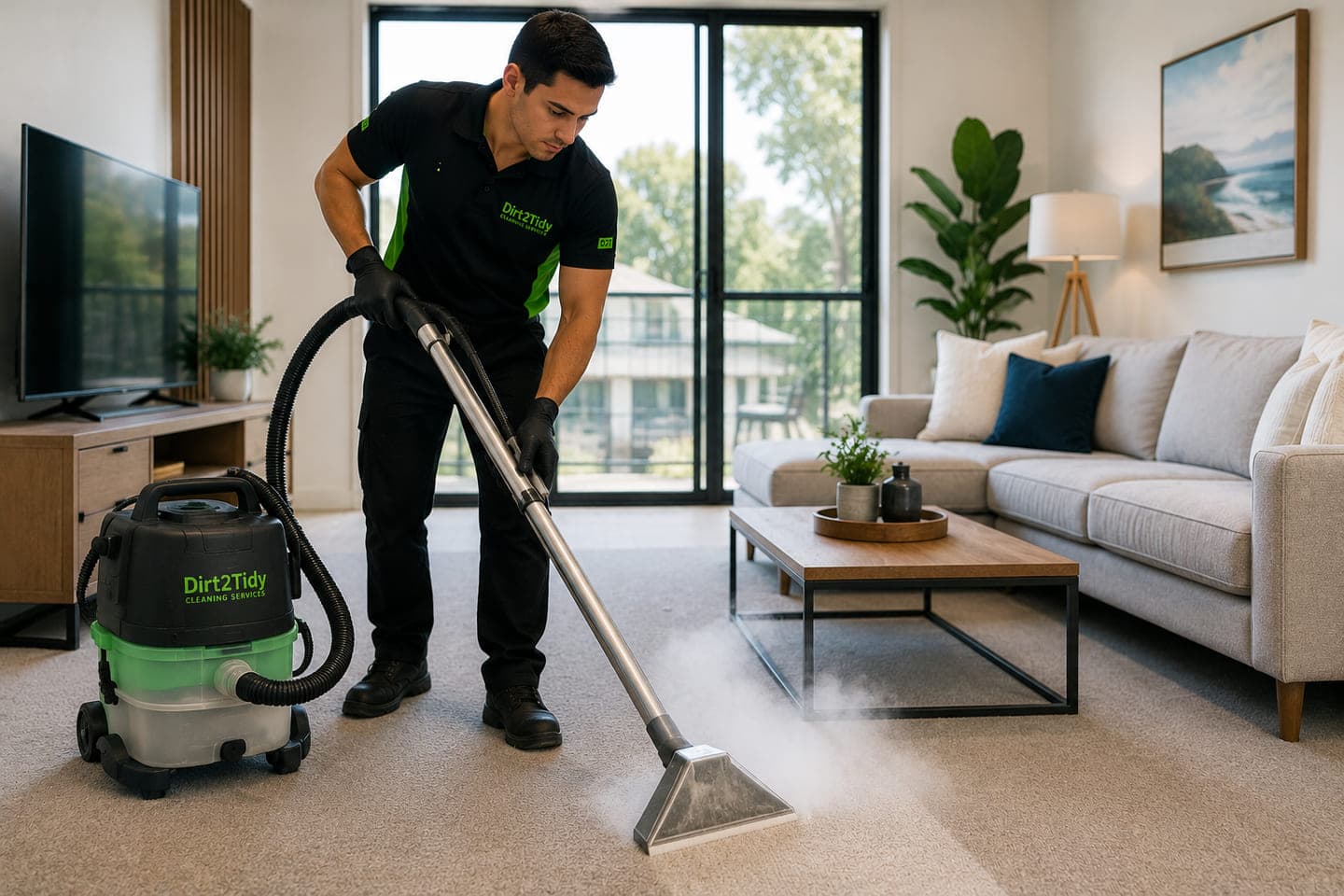
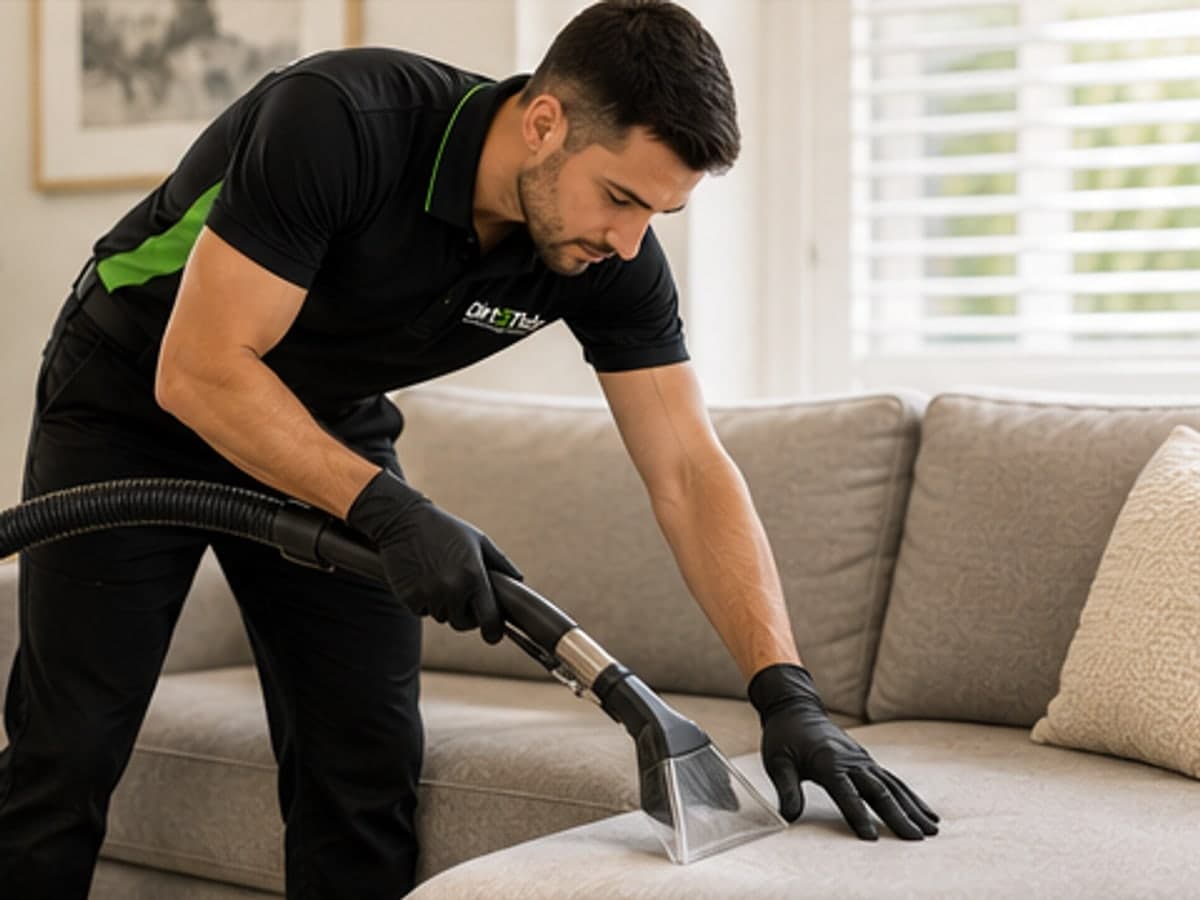
“ Another process is the extraction of hot water, also known as “steam purification.” This is all happening again with advanced equipment — do not attempt a DIY job with a shampoo bottle and a standard vacuum cleaner . You’ll be sorry for what you did. 1.
Before you vacuum, still test The trick is to always test upholstery cleaners or any other liquid you’ll use on furniture in an unnoticeable region. Different substances react differently. You can save yourself from making the wrong move by trying it out.
There are generally cleaning directions that come along with the upholstery, but we also suggest that you do a little test before cleaning the entire furniture. You may also like to read: ” Do Upholstery Cleaning Yourself or Hire a Pro?
“ How to Effectively Vacuum Upholstery Keeping your upholstery clean requires a consistent and thorough vacuuming routine. Here’s how to vacuum your upholstered furniture for optimal cleanliness: Choose the Right Vacuum Invest in a vacuum cleaner with strong suction power and a HEPA filter.
This setup captures dust, allergens, and pet dander, ensuring a deeper clean. Cover All Surfaces Don’t just focus on visible spots. Make sure to vacuum every part of the upholstery: Sides and Back : Dust accumulates everywhere, so even parts up against a wall need attention.
Cushions : Use the crevice tool to access the gaps between cushions and the furniture frame. If your cushions are removable, flip and vacuum both sides. Regularly Clean Hard-to-Reach Areas Occasionally, tilt your furniture to vacuum the bottom. This area traps dust and debris over time.
For an added layer of cleanliness, consider a vacuum equipped with UV light technology. This feature not only removes dust mites and allergens but also neutralizes bacteria and viruses, providing peace of mind in a healthy living space.
Vacuuming Upholstery: Essential Tools for Success Maintaining clean and allergen -free upholstery is all about using the right tools.
Here’s a guide to help you choose the best equipment for the job: High-Efficiency Particulate Air (HEPA) Filter Vacuum To efficiently capture dust and allergens, such as pet dander, opt for a vacuum equipped with a HEPA filter. This type of filter traps tiny particles that can trigger allergies, ensuring a thorough clean.
Versatile Attachments Crevice Tool : Perfect for reaching those tricky spots between the cushions and the frame. It allows you to remove dust and debris that often get trapped in narrow spaces. Upholstery Brush : Gentle yet effective, this tool sweeps away dirt without damaging delicate fabrics.
Removable Cushion Vacuuming If your furniture has detachable cushions, make sure your vacuum can handle both sides. This not only extends the life of the cushions but also maintains the overall cleanliness of the piece.
UV Light-Enhanced Vacuums For a deeper clean that targets bacteria, viruses, bedbugs, and dust mites, invest in a vacuum with an ultraviolet (UV) light feature. The UV light eradicates these hidden threats as the vacuum sucks them up, offering a higher level of sanitation. Additionally, don’t forget to clean the underside of your furniture periodically.
With assistance, tilt the piece to vacuum the frame’s bottom and keep dust at bay. Employ these tools to keep your upholstery spotless and your home healthier. It is good to begin by vacuuming the entire upholstery, particularly between the seams and between the corners, while cleaning fabric.
Spray on the upholstery cleaner after having checked it in a dry position afterwards. Then clean it gently off the cloth. Spray on some alcohol to get rid of an unwanted stain, then wipe it off.
And always keep an eye on what hazardous substances are mixed in with cleaners so you can take advantage of the proper protection. How to Vacuum the Sides, Cushions, and Bottom of Upholstered Furniture Keeping your upholstered furniture clean requires attention to detail.
Here’s a step-by-step guide to ensure no spot is missed: Start with the Right Vacuum Before you begin, ensure you have a vacuum with strong suction. Preferably, use one that features a HEPA filter to trap dust and allergens such as pet dander.
Thorough Coverage : Run the vacuum over every surface of the upholstery, including areas that might be pressed against a wall or not in regular contact with people. Don’t Skip Corners : Dust loves to settle in hidden crevices, so make sure to cover all angles.
Step 2: Focus on the Cushions Deep Cleaning : Utilize the crevice tool to navigate spaces between cushions and the furniture frame. This will help dislodge and remove any debris that’s settled in tight spots. Full Access : If the cushions are removable, take them out.
Vacuum both sides thoroughly to remove dust from every nook and cranny. Step 3: Address the Bottom Gain Assistance : Carefully tilt the piece—enlist help if needed—to ensure you don’t damage the furniture or yourself. Thorough Collection : Vacuum the bottom frame as dust can accumulate in hard-to-see areas.
Doing this once or twice a year keeps things fresh.