Having your carpets cleaned is a duty that comes into the same category as spring cleaning: it’s not enjoyable, but it’s important, and it should be done on a regular basis. The majority of carpet owners, on the other hand, will only get their carpets cleaned every few years. The carpet cleaning process is vital for more than simply stain removal. Cleaning your carpet helps enhance and extend the life of your carpet.
How Often Should Your Carpet Be Cleaned?
Manufacturers recommend having your carpet cleaned every 12–18 months, depending on the amount of traffic in your house, to keep it looking and working well for as long as possible.
In fact, many warranties require you to clean your appliance on a regular basis; be sure to read your warranty material carefully or hire a professional carpet cleaning company to do the deep cleaning of the carpets.
Why Trained Technicians Matter
While anyone can rent a carpet cleaning machine or tackle a stain with store-bought products, the difference between a so-so clean and a truly revitalized carpet often comes down to the technician behind the process. Certified or professionally trained carpet cleaners have in-depth knowledge of industry standards and cleaning techniques that go beyond simple experience.
- Proper Technique: Certified technicians understand the science behind cleaning. They know how to assess your carpet’s material, select the best cleaning solutions, and use the right equipment settings to achieve a thorough clean without damaging fibers.
- Efficiency and Safety: Trained professionals are less likely to overwet your carpet, causing mold or mildew, and they know how to manage cleaning agents safely—helping protect your family, pets, and the environment.
- Consistency and Quality: By following the best practices outlined by industry organizations like the these experts deliver a consistent, high-quality result every time.
So, when hiring a carpet cleaner, look for those who are certified or specifically trained in carpet care. You’ll have confidence that the job will be done properly and that your investment in fresh, long-lasting carpets is protected.
“Steam Cleaning” and Hot Water Extraction
The most frequent type of carpet cleaning advised by most carpet manufacturers is hot water extraction, sometimes called steam cleaning. Hot water is sprayed on the carpet and then sucked back into the machine, along with any debris that was on the carpet, in the hot water extraction procedure. A cleaning solution is frequently added to the water to aid in the removal of stains and soiling.
The Role of Cleaning Solutions
It’s not just about blasting hot water and hoping for the best—a big part of the process is the use of effective cleaning chemicals. The right detergent is chosen carefully for each job: strong enough to lift dirt and stains, but not so harsh that it damages the carpet fibers or leaves behind any toxic residues. For example, carpets containing wool (which make up about 30–35% of those found in Australia) require special attention. High pH detergents can harm wool fibers, so cleaners opt for gentler solutions to keep your carpet looking its best without compromising its integrity.
This attention to detail ensures that your carpet not only gets thoroughly cleaned but is also protected for the long haul.”
This is not to be confused with actual steam cleaning. However, it is now commonly understood that the word “steam cleaning” really refers to the most frequent carpet cleaning method, hot water extraction.
What Happens During Professional Carpet Cleaning?
If you’re wondering exactly what goes on when a professional tackles your carpets, it’s more than just running a machine over the surface. Let’s break down the essential steps involved in a thorough professional carpet cleaning so you know what to expect—and why the process matters for keeping your carpets healthy and looking their best.
Initial Inspection and Method Selection
A seasoned professional will always start by assessing your carpet’s type, condition, and level of soiling. This includes looking at the carpet’s construction (is it synthetic or wool?), where the most foot traffic occurs, and if there are specific problem spots that need extra attention. These observations help determine the best cleaning approach for your particular flooring, ensuring stains are treated appropriately and fibers aren’t damaged.
Step 1: Dry Soil Removal
Before any moisture comes near your carpet, a thorough vacuuming is performed. Why? Because removing dry, loose debris upfront (with a powerful vacuum, ideally one with a motorized brush head) means less grime can turn into mud when water is added. It also helps lift the carpet’s pile in high-traffic areas, combating those dreaded “flat spots” and getting your floor ready for deep cleaning.
Step 2: Treating and Loosening Embedded Dirt
Next comes the prep work: a cleaning solution tailored to your carpet type is applied to help break down tough, stuck-on grime—think food spills, oils, and whatever the kids dragged in. This step may involve:
- Pre-spraying detergents, sometimes warmed for effectiveness.
- Agitating with a brush, especially in extra-soiled patches.
- Letting the solution work for a short time (called “dwell time”) to loosen dirt at a molecular level.
These actions all work together to suspend dirt, making it easier to lift during the next stage.
Step 3: Extracting the Dirt
Once everything’s loosened up, professionals use methods like hot water extraction (often called “steam cleaning”) to flush out the grime. This involves injecting hot water (with or without detergent) deep into the carpet fibers, then quickly removing it—along with all the dissolved dirt—using powerful suction. In some cases, other extraction methods are used, but hot water extraction remains the gold standard for deep cleaning.
Step 4: Optional Grooming
For an extra polished finish, some cleaners “groom” the carpet with a special rake. This isn’t just for looks: grooming helps evenly distribute any protective treatments, speeds up drying, and keeps longer pile carpets from looking crushed or matted.
Step 5: Efficient Drying
No one likes soggy carpets. Pros will take care to avoid over-wetting the fibers and encourage fast drying by improving air circulation—whether that’s using fans, opening windows, or adjusting your home’s heating and cooling systems. Quicker drying not only means you can put your furniture back sooner, but it also reduces the risk of mildew or odors.
By following these general steps, professional cleaning doesn’t just make carpets cleaner—it helps them last longer, smell fresher, and maintain their appearance year after year.
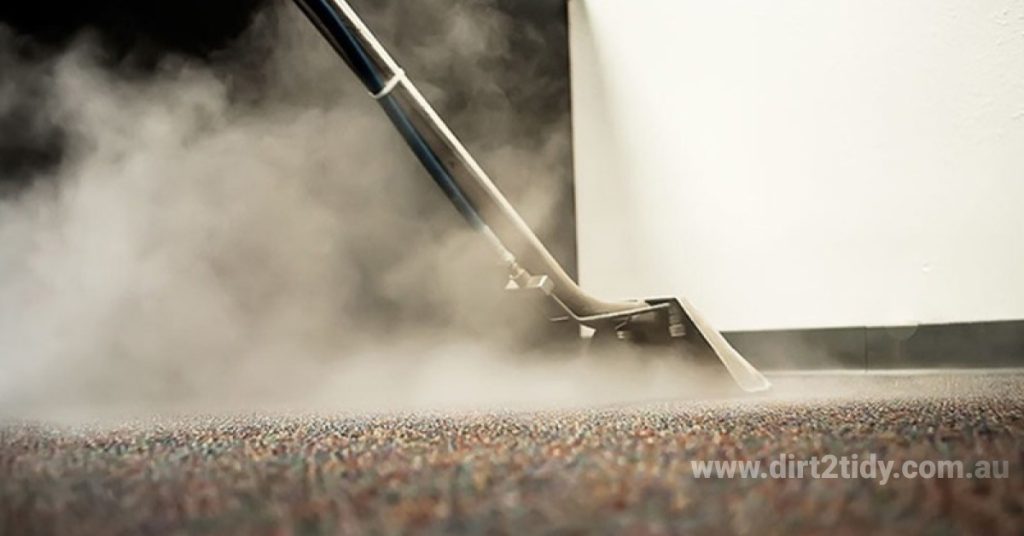
Professional Steam Cleaning of Carpets
A truck-mounted unit or a portable equipment can be used by professional carpet cleaners. The portable machine offers obvious advantages, such as the ability to be utilised in apartment and condo complexes in areas where a truck-mounted unit’s hose would normally be inaccessible. Truck-mounted units, on the other hand, are more powerful than portable units and, for best efficiency, should be employed for peace of mind.
What to Look for in a Professional Carpet Cleaner
Choosing the right professional to clean your carpets isn’t just about finding someone with a fancy machine—there’s a bit more science behind it. Before a cleaner even rolls up their sleeves, a good professional will take the time to evaluate your carpet’s construction, how heavily it’s used, its current condition, and just how much dirt is embedded. This isn’t just for show; it’s so they can select the cleaning method best suited to your specific needs.
The Hallmarks of a Quality Carpet Cleaner
Here are a few key traits to seek out:
- Proper Training and Certification: Look for technicians trained by reputable organizations like the Proper training ensures that your cleaner understands both the principles and nuances of carpet care.
- Adherence to Cleaning Principles: The best outcomes come from technicians who follow established cleaning protocols—things like appropriate pre-treatment, agitation, thorough rinsing, and effective extraction.
- Attention to Detail: An excellent carpet cleaner doesn’t cut corners. They’ll carefully move light furniture, spot-treat specific stains, and make sure no residue is left behind.
- Customized Approach: Professionals should tailor their cleaning method to your carpet’s specific fiber type and level of soiling. One-size-fits-all doesn’t give the best results.
- Transparent Communication: A reputable cleaner will explain their process to you and answer any questions you might have before starting the job.
Why This Matters
A cleaner armed only with experience or equipment—but lacking formal training—may miss important steps, resulting in a less thorough clean. By choosing a technician who combines specialized training with attentive service, you’re giving your carpet its best shot at a longer, healthier life.
If you’re not sure how to choose, don’t hesitate to ask prospective cleaners about their certifications, the products they use, and their approach to different carpet types. And remember, organizations like the set best practices for the industry—so cleaners who follow these guidelines are generally a safe bet.
With these things in mind, you’re far more likely to enjoy fresh, thoroughly-cleaned carpets that truly brighten your home.
Steam Cleaning Carpets at Home
Steam cleaning machines for do-it-yourself (DIY) cleaning are plentiful and may be rented or purchased. With so many different equipments on the market, it’s easy to question if you should save money and do the work yourself instead of hiring a professional carpet cleaners.
You may also like to read : What is the best steam carpet cleaner
A tiny cleaner may be a useful item to keep on hand if your home is prone to spills or mishaps that are tough to clean. However, for a more thorough cleaning of your entire carpet surface with all the high traffic areas, hiring professional carpet cleaners is strongly suggested who will have the right cleaning equipment.
DIY’s Risks
DIY devices typically do not heat water to the same high temperature as professional machines, resulting in less effective cleaning. Furthermore, these machines are not as strong as those used by experts, thus they are unable to extract as much water (and hence dirt) from the carpet.
You may also like to read : Is that professional carpet cleaning better than diy
The carpet should only be slightly moist after it has been fully cleaned if done correctly. Wet carpet implies that the machine was not powerful to complete the task. If your carpet is still damp after washing, use fans to speed up the drying process and make sure you don’t walk on it until it’s completely dry. Replace the furniture only when the carpet has completely dried.
Several factors can impact how long your carpet takes to dry after cleaning:
- Amount of water used: Overzealous use of water, often in the hope of a better result, can actually extend drying times unnecessarily.
- Air circulation: Good airflow, such as from open windows or fans, helps evaporate moisture more quickly.
- Heating or cooling systems: The environment’s temperature and whether heating or air conditioning is running will affect evaporation rates.
- Humidity and air temperature: High humidity or low temperatures will slow down drying, while dry, warm air speeds it up.
- Carpet materials and thickness: Natural fibers and dense or thick pile carpets tend to hold more water and take longer to dry than synthetics or low-pile varieties.
- Additional treatments: Deodorants, protective sprays, or stain treatments applied after cleaning can add to the moisture load.
- Level of soiling: Heavily soiled carpets may require more water and multiple passes, which can increase drying time.
By being aware of these variables, you can make small adjustments—like improving ventilation or using a dehumidifier—to help your carpet dry as quickly and thoroughly as possible.
Cost-cutting considerations
If the expense of hiring a professional to clean your carpets is an issue, consider having only the “traffic areas” cleaned. This implies that the cleaner will just go around your large pieces of furniture, such as the sofa, bed, and so on.
Not only is the carpet beneath these huge pieces of furniture not visible, but it is also not exposed to the same levels of air, light, and foot activity as the rest of your carpet, so it makes logical that it doesn’t need to be cleaned as frequently.
Of course, if you move your furniture about regularly, it’s usually advisable to get the entire surface cleaned. Having only the high-traffic sections cleaned instead of the entire area should save you some money if you regularly use a vacuum cleaner.
CARPET CLEANING SERVICES PROVIDE 3 BENEFITS
Your carpets will be stunning
Years of grime may become embedded in the fibres of your carpet. As a result, your carpets may become discoloured, spotty, and soiled. Our technology is capable of extracting dirt from deep into your carpet and restoring the colour to its natural state.
Get Rid of Odors
Bacteria and mould thrive on filthy carpets. This might cause the room to smell musty and unpleasant. By eradicating the germs and mould that create these odours, our steam cleaning procedure may eliminate the source of the odours.
Dust and Allergies are Reduced
Steam cleaning not only removes dirt from deep inside your carpet, but it also significantly decreases the amount of dust trapped within it. Years of exposure and the gradual breakdown of fibres can cause this dust to become trapped in your carpet. Allergies and other health problems might arise as a result of this.