
Start with the right scope
Before booking, identify the condition of the property and the outcome you need. This page focuses on post-trade and post-construction cleaning. Dirt2tidy does not perform building, plumbing or gas work A clear scope makes quotes easier to compare. Dust, residue, packaging, floors, windows, fixtures and handover surfaces should be listed room by room.
Remove loose items, provide access instructions and tell the team about stains, pets, residue or priority areas.
What to clean and check
- Remove rubbish, packaging and loose belongings.
- Dust ledges, corners, frames and fittings before vacuuming or mopping.
- Check kitchens, bathrooms, floors and touchpoints against the relevant handover or presentation requirement.
- Photograph damage, leaks, permanent marks or trade defects separately from cleaning issues.
What Dirt2Tidy can and cannot do
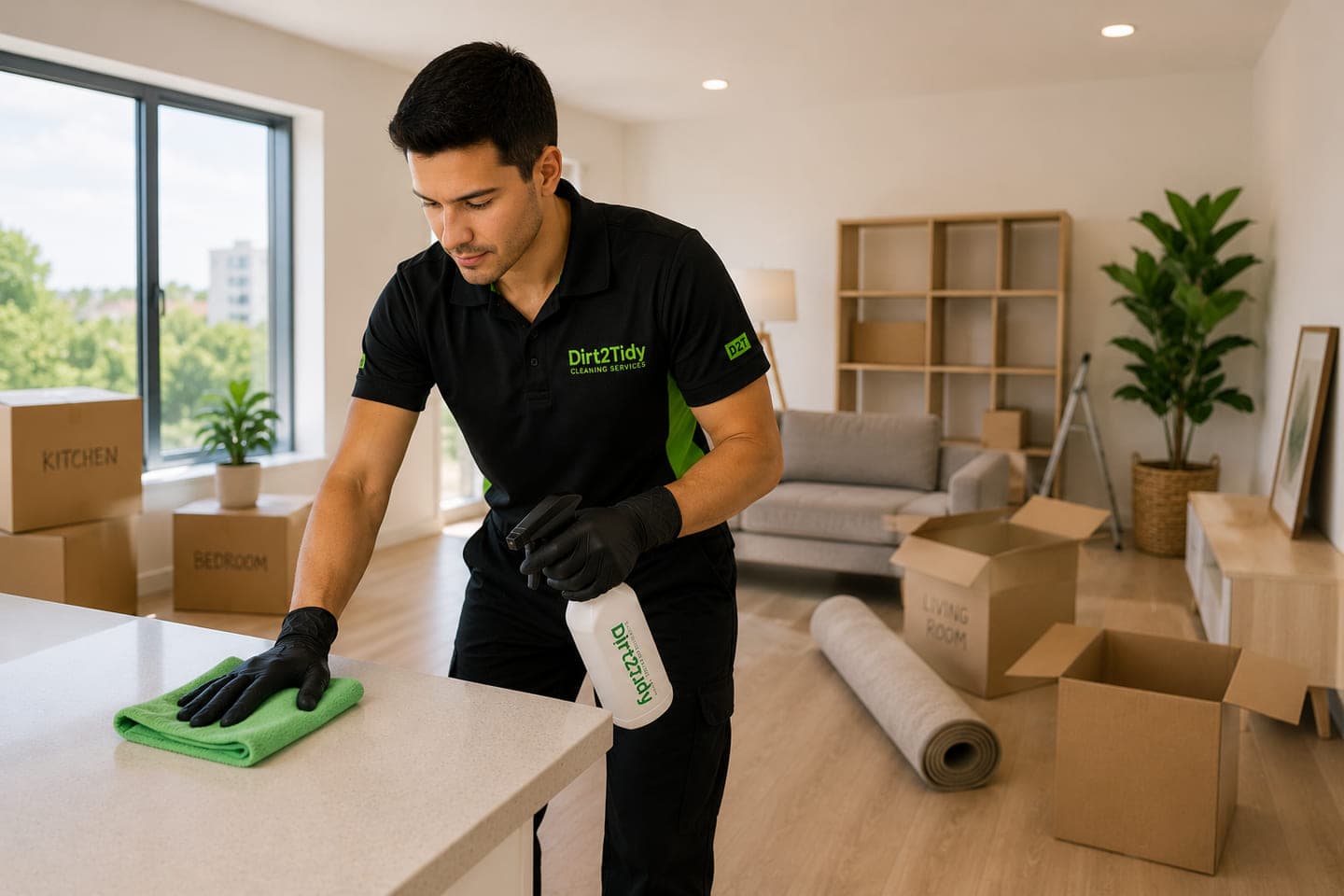
Dirt2Tidy can plan a cleaning visit around the agreed scope and property access. Dirt2tidy does not perform building, plumbing or gas work The team should not diagnose a plumbing, electrical, gas, structural, locksmith, pest or legal problem. Wait for trades and wet finishes to be cleared or cured before cleaning.
Prepare for a better result
Confirm the address, parking, keys or lockbox, water and power, and any inspection date before booking. If the work follows a trade visit or tenancy change, wait until the responsible person confirms the area is ready. Ask for exact inclusions and optional extras in writing before booking.

Book the right cleaning service
Once the scope is clear, choose the service that matches the property. Request a post-trade or post-construction cleaning quote. Share the size, condition, location, access details and priority areas so the quote reflects the real job.