- Why air vent cleaning before end of lease Matters Common Cleaning Challenges
- Common Air Vent Issues to Address Before Moving Out
- How Professional Air Vent Cleaning Services Can Help
- Preventing Air Vent Issues During Your Tenancy Conclusion: Fix Air Vent Issues to Avoid Bond Deductions Did you know that over 45% of bond deductions in Victoria are due to lingering odours, especially smoke smells trapped in air vents and carpets?
With Melbourne’s tenancy laws tightening on rental property conditions, landlords are more frequently citing poor air quality and residual smoke as valid reasons for withholding part of the bond. When moving out of a rental property, it’s easy to overlook the air vents , but ignoring issues related to your air conditioning and ventilation can end up costing you money in the form of bond deductions or higher utility bills. Air vent cleaning before moving out is essential to avoid unnecessary repair charges and ensure the property is left in top condition. Whether it’s dust buildup in air vents , damaged or missing AC filters , or non-functional exhaust fans , these issues can not only impact the property’s energy efficiency but can also raise concerns for landlords during the final inspection. In this blog, we’ll explore why air vent cleaning before moving out is important, the common air conditioning and ventilation issues that can arise, and how to address them before your final inspection. [lead-form form-id=1 title=Fill to Get Free Cleaning Checklist] Air vents are a critical component of your property’s heating, ventilation, and air conditioning (HVAC) system. They regulate airflow, maintain air quality, and ensure that the home stays cool in summer and warm in winter. If the air vents are clogged with dust or if the system is malfunctioning, it can lead to a number of problems, including poor air quality, inefficient airflow, and higher energy bills. Additionally, landlords are likely to notice these issues during the final inspection, which could lead to bond deductions or additional repair charges. Common Reasons Air Vent Issues Affect Your Bond: Dust buildup : Dust and debris can accumulate in the vents, reducing airflow and making the system work harder to regulate the temperature. This can increase your utility bills and cause inefficient air circulation. Damaged filters : Air filters are designed to catch dust and allergens before they enter the air, but if they’re missing or damaged, the HVAC system will be less effective and could potentially damage the system. Non-functional exhaust fans : Exhaust fans in kitchens and bathrooms are essential for removing moisture and odours. If they’re not working, it could lead to excess humidity, mould, and mildew growth, which can damage surfaces and impact the overall cleanliness of the property. Addressing these issues during your end of lease cleaning can ensure the property is left in top condition and prevent any unnecessary delays or costs during the move-out process. Health Risks Linked to Dirty Air Vents It’s easy to overlook your air vents when you’re busy preparing to move out , but neglecting them can cause more than just hassle with your bond—it can actually affect your health. When air vents are full of dust, pollen, pet hair , and debris, these particles circulate every time the system runs, compromising indoor air quality. Breathing in this contaminated air can trigger allergies, asthma, and respiratory discomfort, particularly for those sensitive to dust or prone to hayfever—common concerns around Chadstone with all our leafy streets and furry companions. In poorly maintained systems, moisture can become trapped in the ducts, creating the perfect environment for mould and mildew to thrive. As mould spores spread, people may experience increased coughing, sneezing, or even more severe reactions if they have respiratory conditions. Regular cleaning of the vents and filters keeps these contaminants from building up and ensures that everyone in the property—yourself, your family, or the next tenant—benefits from fresh, clean air. For peace of mind (and a happier move-out inspection), don’t skip the vents! Understanding Tenant and Landlord Responsibilities When it comes to HVAC maintenance and air duct cleaning, knowing where the legal lines are drawn can save you from headaches (and possibly your bond) down the track. In Victoria, tenancy laws place most of the responsibility for property maintenance—including fixed heating, cooling , and ventilation systems—squarely on the landlord’s shoulders. This means that the landlord must ensure these systems are safe, functional, and do not pose any health or safety risks throughout your lease. However, it’s not all on them. As a tenant, you’re generally required to keep the property reasonably clean and notify the landlord or property manager of any issues as soon as they arise. For example, if you notice mould growing in a vent or an exhaust fan that’s bit the dust, reporting it early protects you from blame (and potential cleaning costs). If you’re met with silence after raising concerns, it’s perfectly acceptable to reference Victoria’s Residential Tenancies Act or seek advice from organisations like Tenants Victoria. Sometimes, a gentle reminder of both parties’ rights and obligations can fast-track repairs or duct cleaning before your final inspection . Ultimately, clear communication and documentation will ensure both you and your landlord uphold your end of the bargain, keeping your bond and rental record squeaky clean.
Let’s face it—cleaning a rental property before moving out is no walk in the park. Between packing, paperwork, and organising your move, cleaning often ends up rushed or overlooked. Here are some of the biggest challenges tenants in Chadstone and across Melbourne face: Most people are juggling work, family, and the chaos of moving.
Scrubbing every inch of the property just doesn’t fit into the schedule. What starts as a “quick clean” often turns into an all-nighter before inspection day. Difficult-to-Remove Stains Whether it’s wine spills on the carpet, grease in the kitchen, or mould in the bathroom, some stains just won’t budge with regular products.
And landlords always seem to spot the one patch you missed. Specialized Cleaning Needs – Air Vent Cleaning One of the most commonly missed tasks? Air vent cleaning. Smoke, pet hair, dust, and even food smells can linger inside vents, circulating stale air and leaving an unpleasant odour in the property.
If your landlord catches a whiff of that, your bond could be on the line. Relatable Anecdote: Ever tried covering up smoke smells with air freshener before the inspection, only for the landlord to ask, “What’s that smell coming from the vents?” You’re not alone—and unfortunately, that trick rarely works. Leave it to the pros.
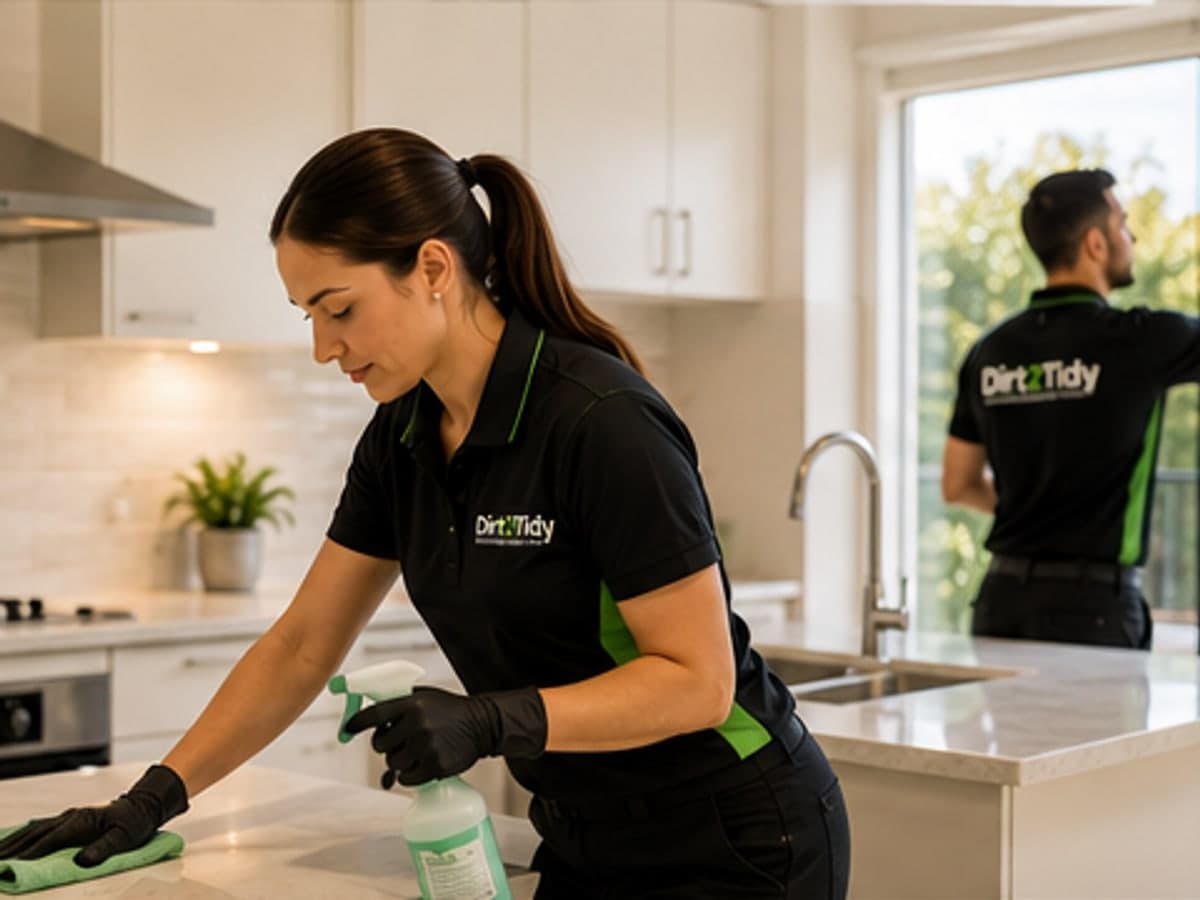
At Dirt2Tidy , we handle it all—from stubborn stains to deep air vent cleaning—so you can hand back the keys with confidence. Struggling with stubborn stains? Book a professional cleaning with Dirt2Tidy today!
📞 Call Now: 1300 789 178 🌐 Book Online Here’s a closer look at the most common air vent cleaning before moving out issues and how to fix them:
- Dust Buildup in Air Vents Reducing Airflow Dust buildup is one of the most common issues with air vents . Over time, dust, dirt, and debris can accumulate in the ducts, reducing airflow and causing the HVAC system to work harder than necessary. This can lead to higher energy bills and reduce the effectiveness of your heating or cooling. Turn off the system : Before cleaning, ensure that the HVAC system is turned off to avoid any accidents or further dust circulation. Clean the vents : Use a vacuum with a hose attachment to remove dust and debris from the vents. You can also use a microfiber cloth or vent cleaning brush to wipe down the vent covers. Deep clean the ducts : If the buildup is significant, you may need to deep clean the ducts. You can hire a professional air duct cleaning service for a thorough cleaning that ensures optimal airflow. Can Tenants Clean Air Ducts Themselves? You might be wondering, “Can I just clean the air ducts myself?” The short answer: yes, it’s possible—but it’s not exactly a weekend DIY project. Some tenants, faced with stubborn landlords or persistent air quality issues , do opt to take matters into their own hands by renting duct cleaning machines from local hardware stores like Bunnings or Kennards Hire. If you’re determined to give it a go: Get a quick tutorial : Ask the rental staff for a demonstration or seek out a reputable YouTube guide for some best practices. Check your lease : Tenant obligations vary—unless your agreement specifically requires HVAC maintenance, this usually falls to the landlord. Don’t go above and beyond unless you have to! Proceed with caution : If anything seems too complicated, it’s perfectly acceptable to call in a professional instead. In short, while you can rent the gear and tackle the ducts yourself, most tenants find it much easier—and less risky—to leave it to qualified experts.
- Damaged or Missing AC Filters Air filters are essential for trapping dust, dirt, and allergens before they enter the air in your home. If the filters are damaged, missing, or clogged, the HVAC system will work inefficiently, leading to poor air quality and higher energy costs. Many tenants overlook the condition of the filters when moving out, but this is an important aspect of ensuring the system functions properly. Check the filter : Inspect the AC filters to see if they are dirty, damaged, or missing. If they are clogged with dust or debris, replace them with new filters that are the correct size for your system. Clean or replace the filter : If the filters are reusable, you can clean them with water or use a vacuum cleaner to remove dust. However, if they are damaged, it’s best to replace them entirely. Many hardware stores sell standard AC filters for an affordable price.
Practical next steps for Fix Air Vent Cleaning Before End Of Lease
- Share the property type, size, condition and access information before requesting a quote.
- Identify priority rooms, surfaces, stains, pets, furniture and any inspection or handover date.
- Separate cleaning from repairs, pest treatment, plumbing, electrical or restoration work.
- Confirm inclusions, exclusions and optional services before the appointment.