
End of Lease Cleaning Melbourne
Arrange end-of-lease cleaning for apartments, terraces and homes across Melbourne, with furnished or vacant status, access, parking and the property-manager checklist confirmed before the visit. Share the final inspection checklist and property details so the booking covers the rooms, appliances and access requirements that matter for your handover.
(03) 9968 8301805/220 Collins Street, Melbourne VIC 3000
Clear Service Inclusions
Know what is included before booking.
Experienced Local Cleaners
Cleaners familiar with Australian homes.
Quality Cleaning Products
Suited to everyday homes.
Flexible Scheduling
Book a time that suits you.
Melbourne room-by-room handover scope
A confirmed Melbourne booking can cover the kitchen, bathrooms, laundry, bedrooms, living and dining areas, floors, skirting boards, doors, frames, accessible ceiling fans, light fittings and interior windows. Agreed removable wall marks can be spot-cleaned where the surface allows.
Kitchen work includes the oven inside and out, racks, trays, door glass, stovetop, rangehood exterior, sink, taps, splashback and cabinet surfaces. Bathrooms and laundry areas include toilets, showers, baths, sinks, mirrors and floors.
Kitchen, bathroom and bedroom cupboards, pantry and drawers are cleaned inside and out as part of the approved service scope, with window tracks, frames and sills included where accessible.
Carpet steam cleaning, external windows, balconies, garages and other extras must be listed separately so the local access and time can be planned.
Melbourne handover details
For a Melbourne booking, state whether the property is furnished or vacant and provide lift, parking and access instructions where relevant.
Prepare your Melbourne property
Remove belongings, food, rubbish and personal items from the booked areas. Empty cupboards, pantry shelves and drawers that are booked for inside cleaning.
For applicable appliance interiors, remove loose food and trays, empty and defrost a fridge or freezer if its interior is booked, and follow the appliance instructions; do not disconnect, move or operate an appliance unsafely.
Identify fragile finishes and tell us about stains, pet marks, mould concerns or areas that must remain closed. Confirm keys, parking, lifts, alarms, strata or building access where relevant.
Power and water must be connected, and the agent or property-manager checklist should be supplied before the visit.
Exclusions and realistic limits
Cleaning does not repair damage, restore worn or permanently stained surfaces, fix plumbing or electrical faults, treat pests, remediate mould, remove hazardous or regulated waste, move heavy furniture or guarantee an inspection or bond outcome. External, high-level and specialist work needs separate assessment.
The confirmed quote defines what is included.
What we need for a Melbourne quote
Send the property address, type, bedrooms and bathrooms, approximate size, furnished or vacant status, condition, floor types, carpeted rooms, oven type, cupboard or window interiors, outdoor areas, access, parking, power and water status, preferred date and inspection deadline.
Include the written checklist and photos of heavy build-up or unusual surfaces. We confirm availability, inclusions, exclusions and price before booking.
Seven-day re-clean support under existing terms
End-of-lease cleaning bookings include seven-day re-clean support. If an item included in your confirmed cleaning scope is identified during the property inspection, contact Dirt2Tidy within seven days and provide the inspection feedback and relevant photographs.
We will review the request against the booked scope and arrange an appropriate resolution where applicable. This support does not itself guarantee a bond refund.
Frequently Asked Questions
Common questions about this service.
Yes. Oven cleaning is included in an end-of-lease booking, including the inside and outside of the oven and safely accessible racks, trays and door glass. Tell us about the appliance condition and any parts that cannot be removed safely.
No. Cleaning cannot guarantee a bond refund because the outcome also depends on the tenancy condition, damage, fair wear and tear, the lease and the property manager's inspection.
The service includes seven-day re-clean support under the existing terms for cleaning items included in the confirmed booking.
End-of-lease cleaning bookings include seven-day re-clean support. If an item included in your confirmed cleaning scope is identified during the property inspection, contact Dirt2Tidy within seven days and provide the inspection feedback and relevant photographs.
We will review the request against the booked scope and arrange an appropriate resolution where applicable. This support does not itself guarantee a bond refund.
No, provided an authorised access arrangement is in place and the property has power and water connected. Give us keys, entry instructions, parking details and any building or alarm requirements before the appointment.
They are not automatic inclusions. List carpeted rooms, external glass, balconies, garages or other add-ons when requesting a quote so the scope, access and price can be confirmed separately.
Yes. Apartments, townhouses and houses can be assessed in Melbourne. Tell us about furnishings, stairs, lifts, parking, keys and building rules so the scope and access plan are accurate.
What this service includes
Inclusions are confirmed against your booking, and optional extras are quoted separately.
- Kitchen surfaces, sink, taps, splashback, stovetop and cabinet exteriors
- Oven cleaning inside and out, including racks, trays and door glass where safely accessible
- Bathrooms and laundry areas, including toilets, showers, baths, sinks, mirrors and floors
- Bedrooms, living areas, dining areas, skirting boards and accessible floors
- Spot-cleaning agreed wall marks, accessible ceiling fans and light fittings
- Interior windows, frames, tracks and sills where included in the confirmed scope
- Kitchen, bathroom and bedroom cupboards, pantry and drawers cleaned inside and out
A clear, professional process
From your first quote request to a completed clean, every step is clear.
Request a Quote
Get a free, no-obligation quote online with your suburb and service.
We Confirm
We confirm availability, the right service and the inclusions for your space.
We Clean
Your cleaner arrives with quality equipment and gets to work.
7-Day Re-Clean Support
If your agent flags an issue, we return to re-clean the affected area.
Areas we serve
Availability is confirmed when you request a quote for your suburb.
Other services in Melbourne
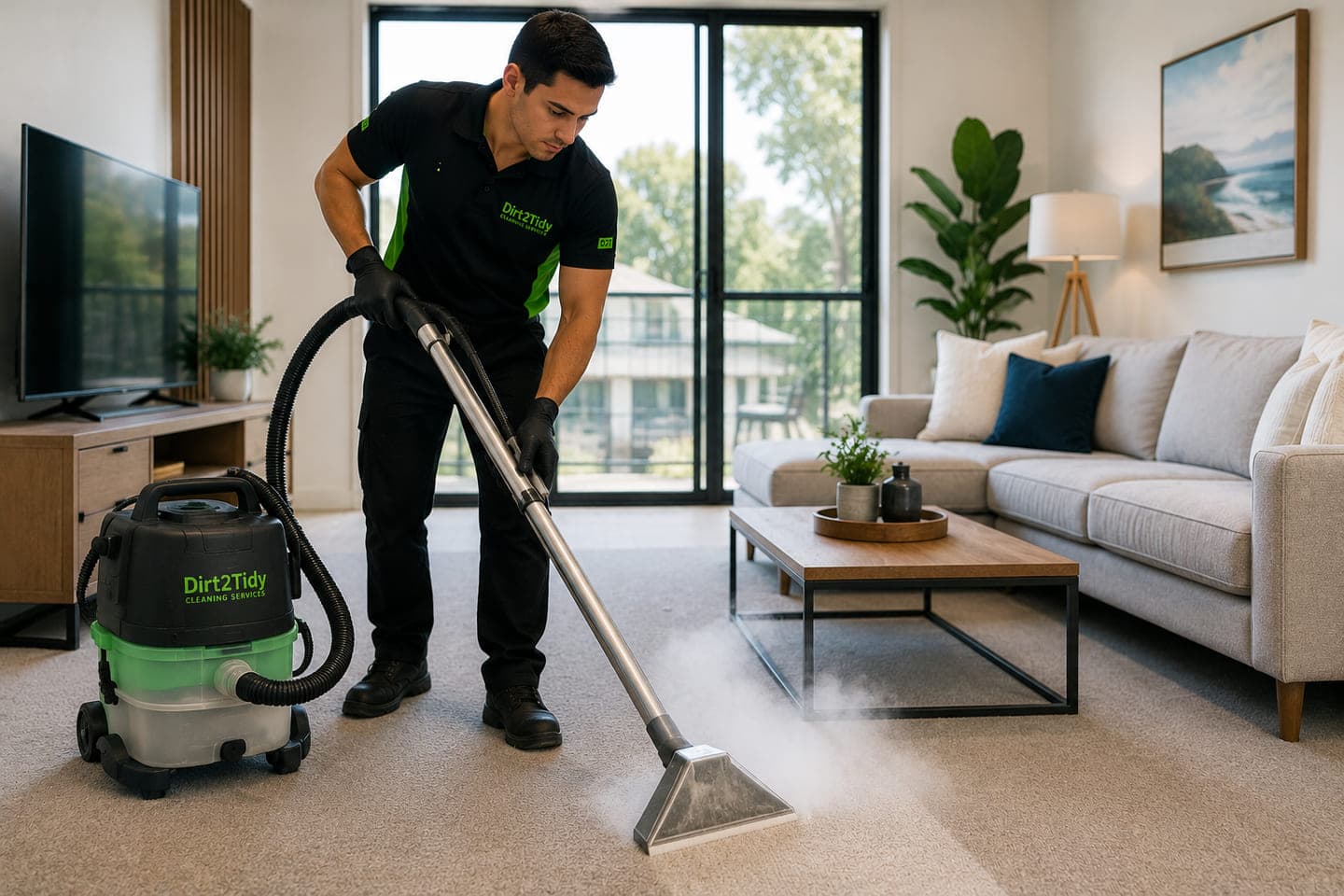
Carpet Steam Cleaning
Melbourne carpet cleaning is useful for apartments, terraces, family homes and rental properties where foot traffic or spills have built up. Dirt2Tidy assesses the carpet and access before confirming...
View Details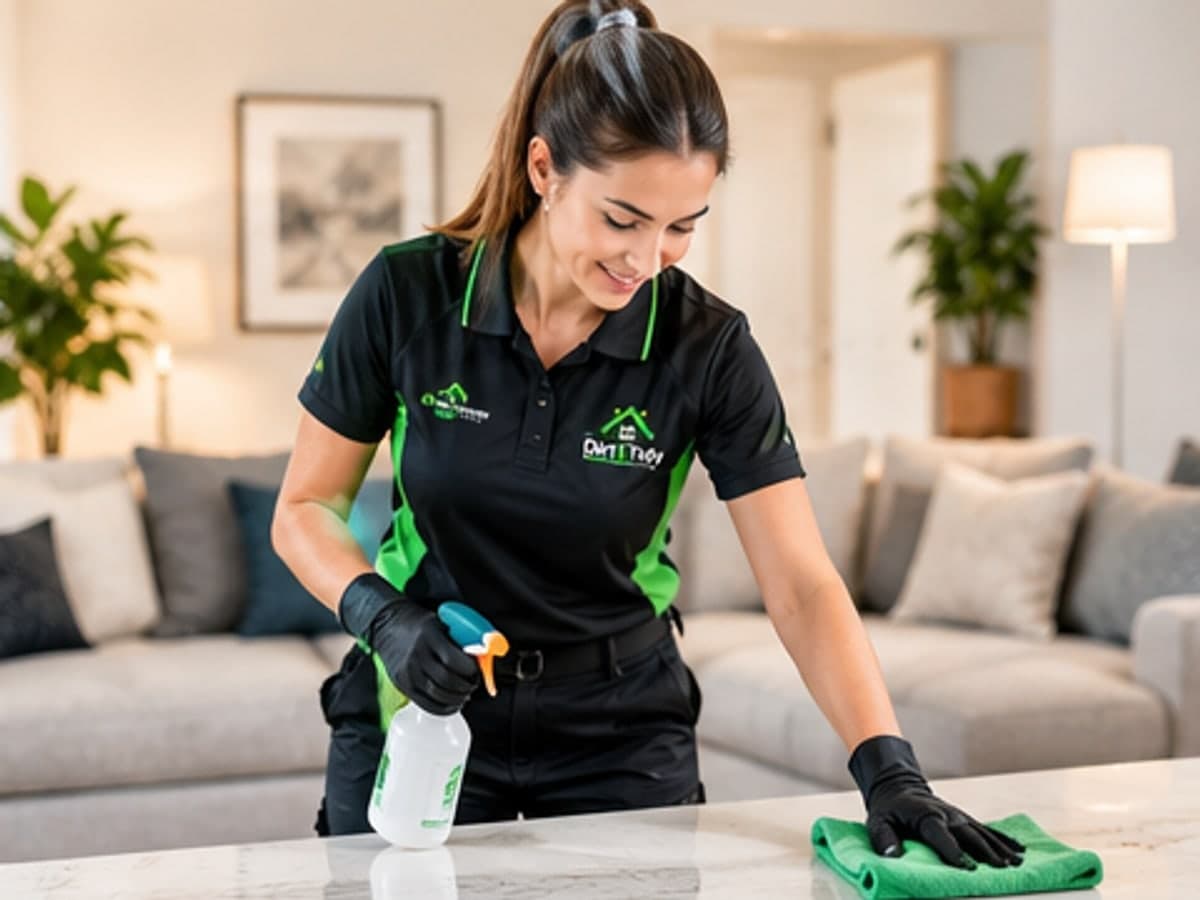
Domestic Cleaning
Melbourne domestic cleaning can be scoped for a furnished apartment, terrace or family home. Share the rooms, surfaces, building access and household priorities; tenancy handover and specialist work r...
View Details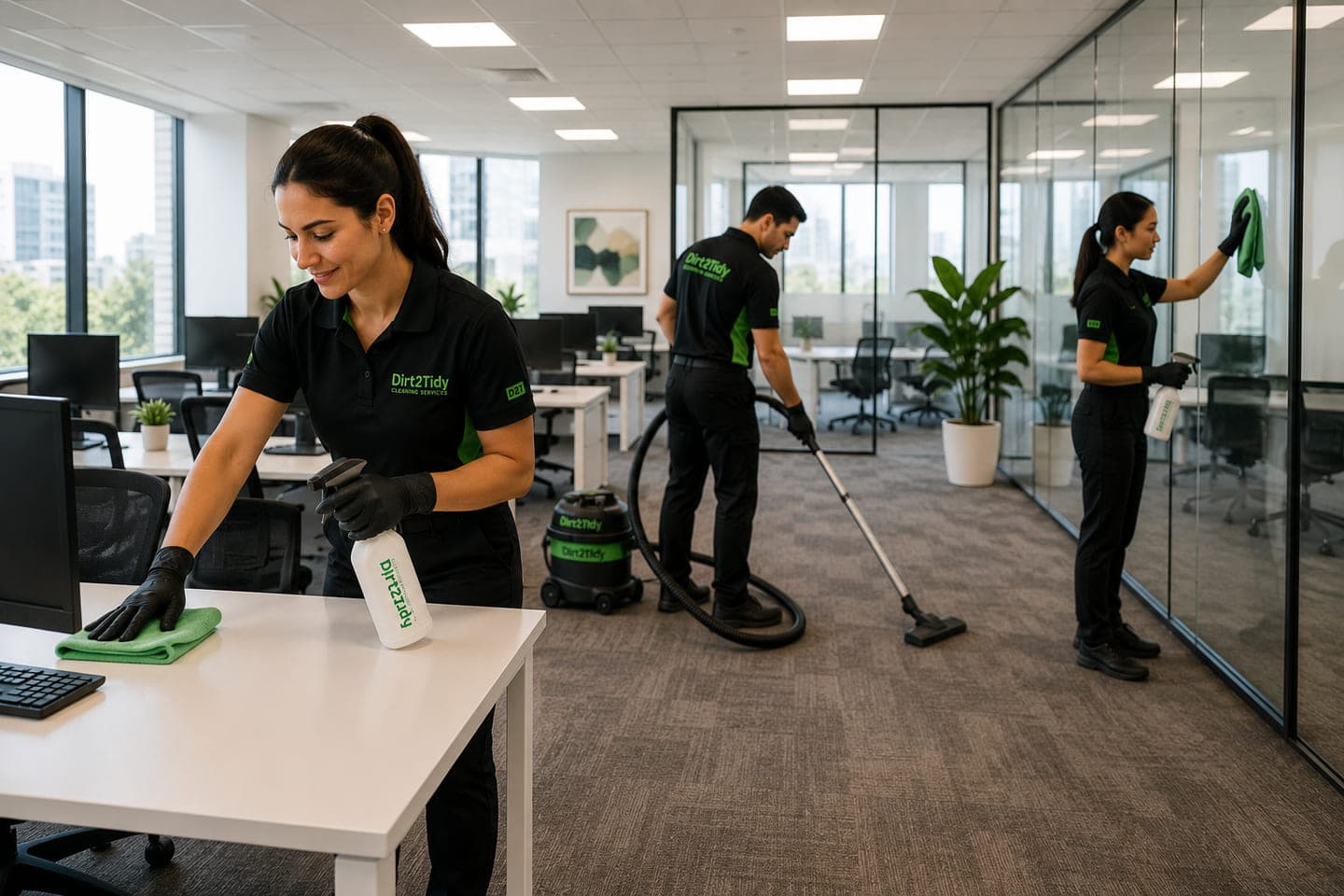
Office Cleaning
Melbourne office cleaning should fit the workplace, visitor flow and building access. List desks, reception, meeting rooms, kitchens and amenities, then explain when areas are available and which room...
View Details
Commercial Cleaning
Melbourne commercial cleaning should be scoped to the actual premises, operating hours and building access. Describe public, staff and shared areas, then identify any site-specific procedures or speci...
View Details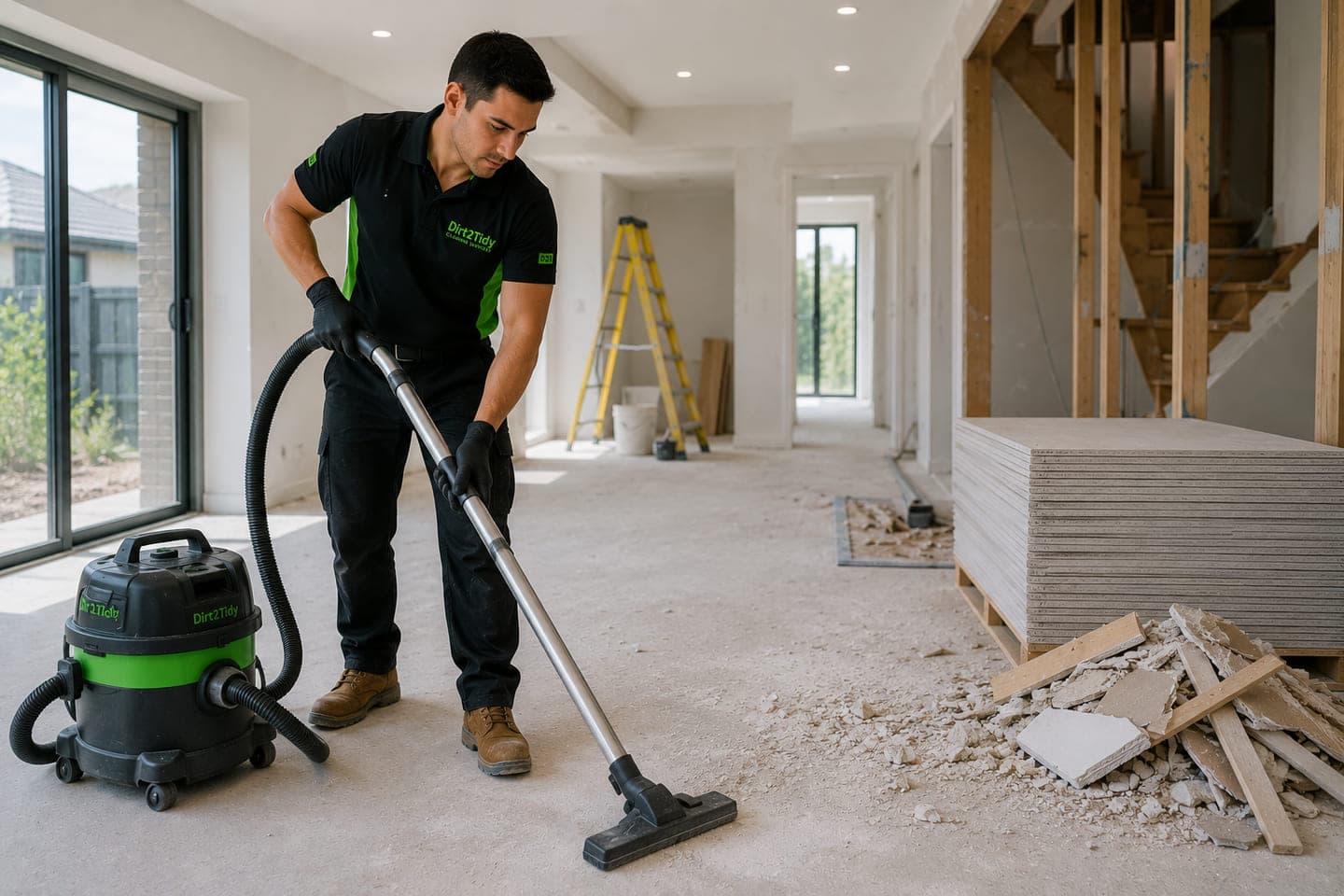
Construction Cleaning
Melbourne construction cleaning can be scoped for post-trade dust, detailed residue or final presentation before handover. Identify the project stage, remaining trades, access and waste responsibility...
View Details
Oven Cleaning
Melbourne oven cleaning is scoped to the appliance, requested components and practical access. State whether it is a wall-mounted, double or conventional oven and provide cavity, care and condition de...
View DetailsMelbourne questions
Everything about bookings, coverage and what to expect.
Yes. Oven cleaning is included in an end-of-lease booking, including the inside and outside of the oven and safely accessible racks, trays and door glass. Tell us about the appliance condition and any parts that cannot be removed safely.
No. Cleaning cannot guarantee a bond refund because the outcome also depends on the tenancy condition, damage, fair wear and tear, the lease and the property manager's inspection.
The service includes seven-day re-clean support under the existing terms for cleaning items included in the confirmed booking.
End-of-lease cleaning bookings include seven-day re-clean support. If an item included in your confirmed cleaning scope is identified during the property inspection, contact Dirt2Tidy within seven days and provide the inspection feedback and relevant photographs.
We will review the request against the booked scope and arrange an appropriate resolution where applicable. This support does not itself guarantee a bond refund.
No, provided an authorised access arrangement is in place and the property has power and water connected. Give us keys, entry instructions, parking details and any building or alarm requirements before the appointment.
They are not automatic inclusions. List carpeted rooms, external glass, balconies, garages or other add-ons when requesting a quote so the scope, access and price can be confirmed separately.
Yes. Apartments, townhouses and houses can be assessed in Melbourne. Tell us about furnishings, stairs, lifts, parking, keys and building rules so the scope and access plan are accurate.
What our customers say
Independent reviews from Dirt2Tidy customers.
Ready to book your clean in Melbourne?
Get a free quote and discover a simpler way to arrange professional cleaning.
Guides for planning your clean
Read about preparation, cleaning scope and the questions to ask before booking.