
Avoid These Pitfalls End of Lease Cleaning South Australia

Avoid common Pitfalls end of lease cleaning South Australia. Follow expert tips to meet rental standards and secure your full bond refund with ease.

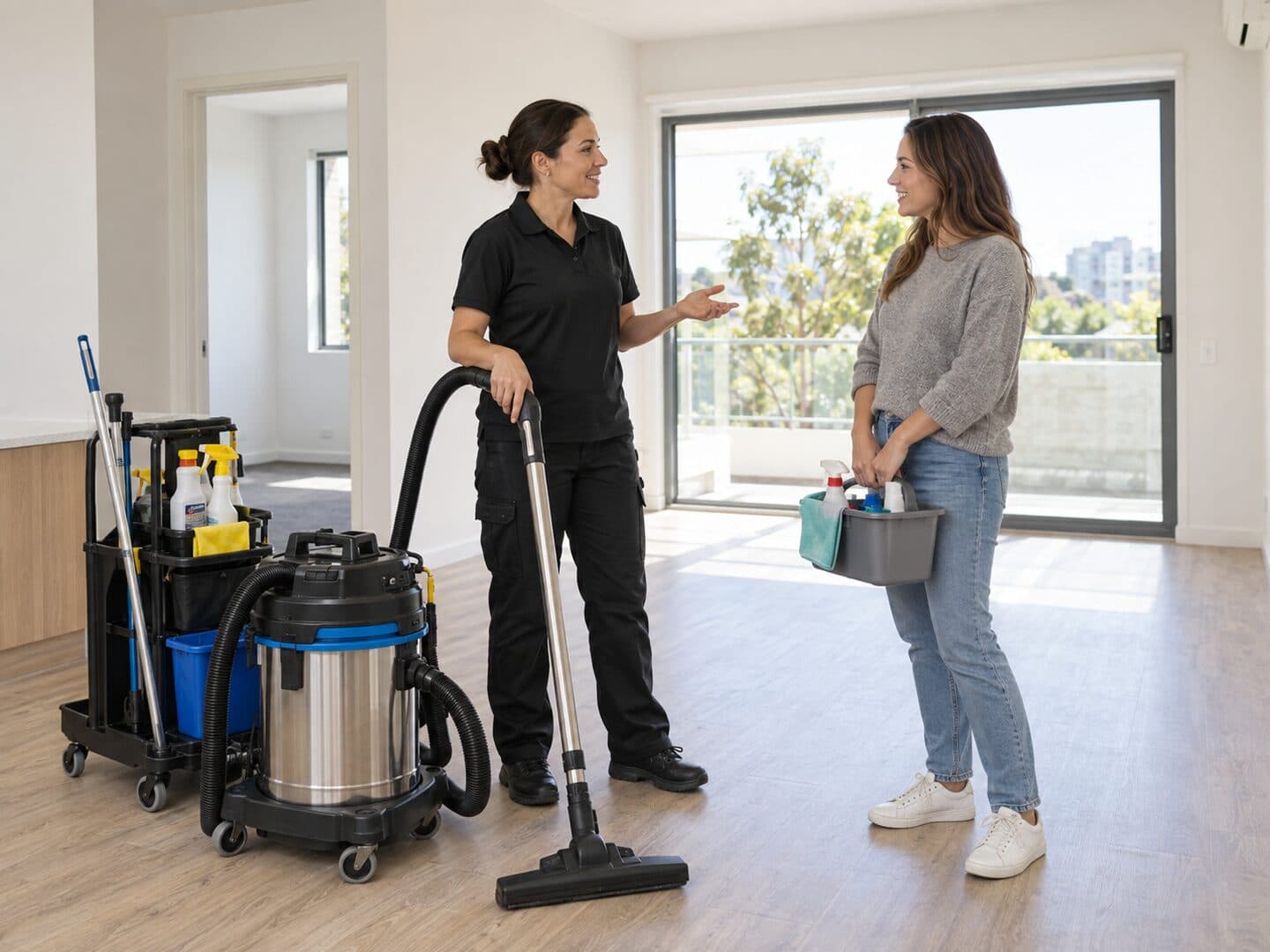
Professional cleaner performing end of lease cleaning in a bright Australian rental

Did you know that in South Australia, cleaning disputes are among the top reasons tenants lose part or all of their bond?

According to the South Australian Civil and Administrative Tribunal (SACAT), the most common disputes at the end of a tenancy involve claims on the bond for issues like cleaning and rubbish removal SA Consumer and Business Services.

Under South Australia’s Residential Tenancies Act 1995, tenants are required to return the property in a ‘reasonably clean’ condition, accounting for fair wear and tear. ​ To avoid such disputes, it’s advisable to adhere to a comprehensive cleaning checklist, covering areas like kitchens, bathrooms, and outdoor spaces.

Engaging professional end-of-lease cleaning services can help ensure the property meets the expected standards and increase the likelihood of a full bond refund. ​ 1. Understanding the Terms and Conditions of Pitfalls End of Lease Cleaning South Australia Dirt2Tidy’s Comprehensive Services Section 4: Why Choose Dirt2Tidy?

Moving out of a rental property in South Australia can be an exciting yet stressful experience. Among all the preparations, from packing to scheduling removalists, one of the most crucial tasks that can easily get overlooked is the end of lease cleaning .

Unfortunately, many tenants in SA fall into common cleaning pitfalls, and as a result, they lose a portion—if not all—of their bond refund . It’s a frustrating scenario that can be easily avoided with a little knowledge and preparation.

If you want to make sure you get your full bond back, it’s essential to understand the move out cleaning mistakes SA tenants commonly make and how to avoid them.

End of lease cleaning by a professional cleaner in an Australian home

In this blog, we’ll dive deep into the terms and conditions of SA bond refund and explain the end of lease cleaning requirements to ensure you can confidently leave your rental property in top condition without any financial surprises.

[lead-form form-id=1 title=Fill to Get Free Cleaning Checklist] Before we talk about the common move out cleaning mistakes SA tenants make, let’s first understand how bond refunds work in South Australia.

The Residential Tenancies Act governs the bond refund process, and it’s important to follow the guidelines to avoid any issues when it’s time for your final inspection.

Types of Claims Landlords Can Make Against Your Bond When your tenancy wraps up, landlords or property managers have the right to make claims against your bond if certain conditions aren’t met. Typical reasons for deductions include: Outstanding rent : Any unpaid rent at the end of your lease can be recovered from your bond.

Unpaid bills : This often covers utilities like water usage that haven’t been settled. Cleaning or rubbish removal : If the property isn’t left in a reasonably clean state or if there’s leftover junk, expect charges. Repairing damage : Beyond normal wear and tear, any damage you or your guests caused may be deducted.

Staying on top of these areas—and addressing them before your final inspection—gives you the best shot at a full bond refund. Bond Refund in South Australia: The Basics Your bond is typically equivalent to four weeks’ rent and is held by the Residential Tenancies Fund (RTF) .

This bond is held as a security deposit against potential damage, unpaid rent, or cleaning issues. At the end of the tenancy, the landlord or property manager must conduct an inspection to assess whether the property has been returned in the same condition as when you moved in (minus fair wear and tear ).

Bond cleaning by a professional cleaner in an Australian home

What to Do If Your Bond Isn’t Refunded If you’ve vacated the property and your bond hasn’t been returned, don’t panic—tenants do have options. You can lodge an application with the relevant tenancy dispute resolution body (like the South Australian Civil and Administrative Tribunal) to request the release of your bond.

This process allows you to present your case and resolve any disagreements with the landlord over cleaning or damages. It’s a good idea to keep copies of your inspection reports, photos, and any communication with your landlord to support your claim.

This evidence can be invaluable if you need to show that you left the property in the required condition. Fair Wear and Tear vs.

Damage It’s important to distinguish between fair wear and tear and actual damage: Fair wear and tear : This refers to the natural deterioration of the property over time due to regular use, such as faded carpet or minor scuff marks on the walls.

Damage : This refers to issues caused by neglect or misuse, such as broken appliances, stains on the carpet, or excessive grime and dirt.

Keep cleaning moving

Related Cleaning Services

More from Dirt2Tidy

Related Cleaning Guides