Understanding the Importance of Eco-Friendly Post Construction Cleaning Best Practices for Eco-Friendly Post Construction Cleaning The excitement of completing a construction project—whether it’s a new home, office space, or renovation—is often tempered by the daunting task of post construction cleaning .
While the focus is usually on making the space safe, clean, and ready for use, it’s equally important to consider the environmental impact of the cleaning process .
Traditional cleaning methods can introduce harmful chemicals and generate unnecessary waste, which can negatively affect both the environment and the health of those who will occupy the space. Fortunately, eco-friendly post construction cleaning offers a sustainable alternative that minimizes environmental impact while still delivering a pristine finish.
In this article, we’ll explore the best practices for eco-friendly post construction cleaning , offering you trustworthy advice to help you complete your project with both cleanliness and environmental responsibility in mind.
The Environmental Impact of Traditional Cleaning Methods Post construction sites are often littered with dust, debris, and a variety of waste materials that require thorough cleaning. However, conventional cleaning products often contain harsh chemicals, such as ammonia, chlorine, and phthalates, which can be harmful to the environment.
These chemicals can contaminate the air, water, and soil, leading to long-term ecological damage. Additionally, traditional cleaning practices may involve the excessive use of water and non-biodegradable materials, contributing to resource depletion and pollution. The Health Implications of Chemical Cleaners Beyond environmental concerns, the use of chemical cleaners poses significant health risks.
Workers and future occupants of the space may be exposed to volatile organic compounds (VOCs), which can lead to respiratory problems, skin irritation, and other health issues. By opting for eco-friendly cleaning methods , you can protect both the environment and the well-being of those who will live or work in the newly constructed space.
[lead-form form-id=1 title=Fill to Get Free Cleaning Checklist]
- Use Green Cleaning Products Choosing Safe and Effective Alternatives One of the most important steps in eco-friendly post construction cleaning is the selection of green cleaning products . Look for products that are certified by reputable organizations, such as Green Seal or ECOLOGO , which ensure that the products meet strict environmental and health standards. These products are typically free of harmful chemicals and made from biodegradable, non-toxic ingredients. In addition to purchasing eco-friendly products, you can also make your own cleaning solutions using natural ingredients like vinegar, baking soda, and essential oils. These homemade cleaners are not only effective at removing dirt and grime but also gentle on the environment.
- Minimize Waste Through Responsible Disposal Sorting and Recycling Construction Debris
Construction projects often generate a significant amount of waste, including materials like wood, metal, plastic, and drywall. To minimize the environmental impact, it’s essential to implement responsible disposal practices. Begin by sorting the waste into categories—recyclable, reusable, and landfill.
Materials like metal, cardboard, and certain plastics can often be recycled, while other items like wood offcuts can be repurposed for future projects. Partner with local recycling facilities or waste management companies that specialize in construction waste to ensure that materials are properly processed.
By diverting as much waste as possible from landfills, you contribute to resource conservation and reduce the overall environmental footprint of your project. You may also like to reada about- “Post Construction Cleaning in Australia: What You Need to Know “
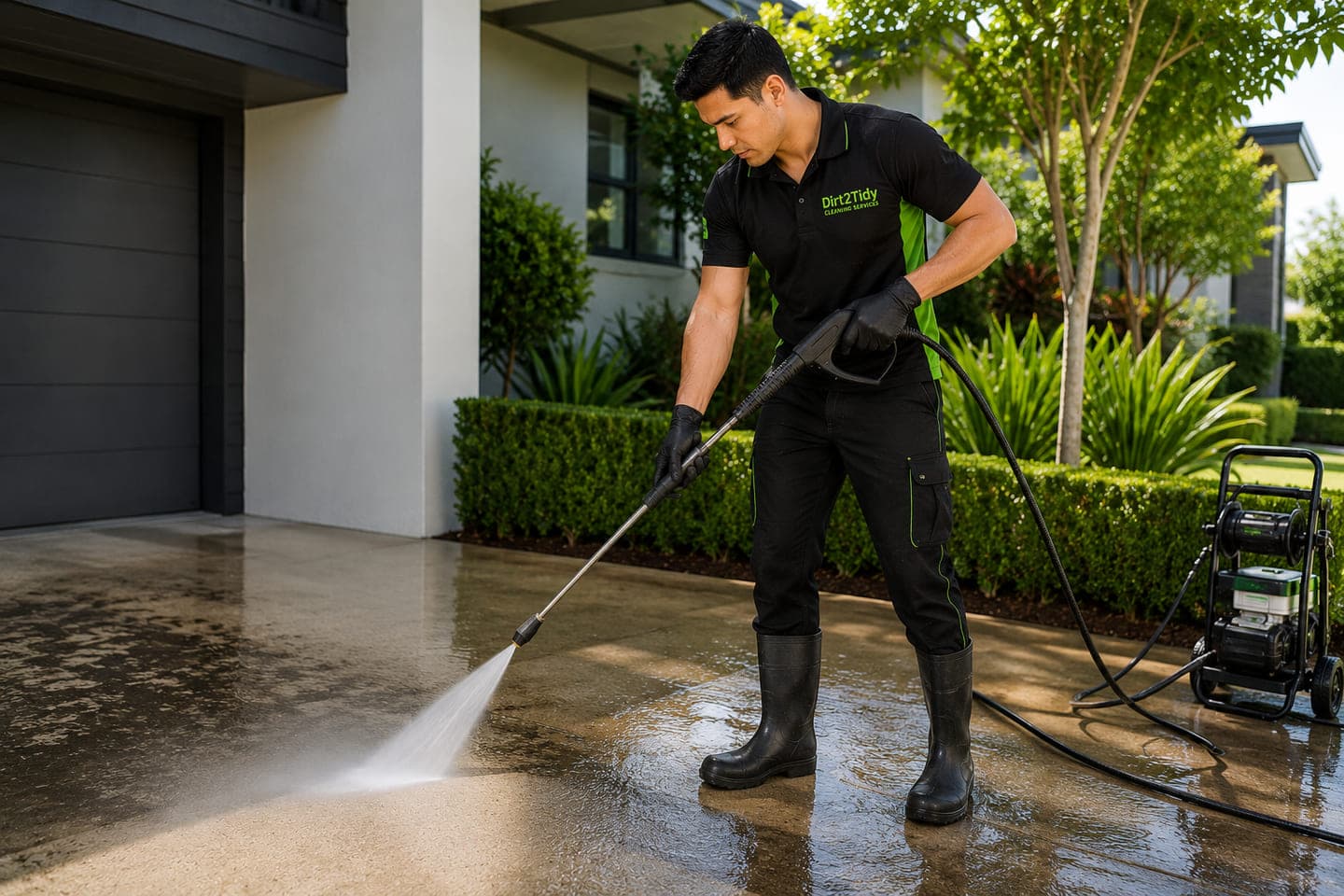
- Opt for Water-Efficient Cleaning Techniques Reducing Water Usage Without Sacrificing Cleanliness Post construction cleaning typically requires significant water usage, especially when dealing with dust and debris. However, water is a precious resource that should be conserved whenever possible. Opt for water-efficient cleaning techniques, such as using microfiber cloths and mops that require less water to clean effectively. Microfiber materials are highly absorbent and can trap dust and dirt without the need for excessive water or harsh chemicals. Additionally, consider using high-efficiency pressure washers for outdoor cleaning tasks. These machines use less water than traditional hoses while still providing powerful cleaning performance. By reducing water usage, you not only minimize your environmental impact but also lower the costs associated with water consumption.
- Choose Reusable and Sustainable Cleaning Tools Investing in Long-Lasting, Eco-Friendly Equipment The tools and equipment used in post construction cleaning can also have a significant environmental impact. Disposable items like paper towels and single-use cleaning pads contribute to landfill waste and resource depletion. Instead, opt for reusable and sustainable cleaning tools, such as washable microfiber cloths, mop heads, and eco-friendly sponges. Investing in durable, long-lasting cleaning equipment not only reduces waste but also saves money in the long run. Look for tools made from sustainable materials like bamboo, recycled plastic, or biodegradable components, which align with your commitment to eco-friendly practices. You may also like to reada about- “Common Pitfal ls in Post Construction Cleaning and How to Avoid Them”
- Implement Dust Control Measures Protecting Air Quality and Reducing Respiratory Risks Dust is one of the most pervasive challenges in post construction cleaning . It can linger in the air, settle on surfaces, and pose serious health risks if inhaled. To mitigate these risks and minimize your environmental impact, implement dust control measures throughout the cleaning process. Start by using HEPA-filtered vacuums, which are highly effective at capturing fine dust particles and preventing them from being released back into the air. For particularly dusty areas, consider wet dusting or misting surfaces with water before cleaning to prevent dust from becoming airborne. Additionally, ensure that all windows and doors are sealed during cleaning to prevent dust from spreading to other areas of the building.
- Prioritize Air Quality with Natural Ventilation