Identify furniture materials first
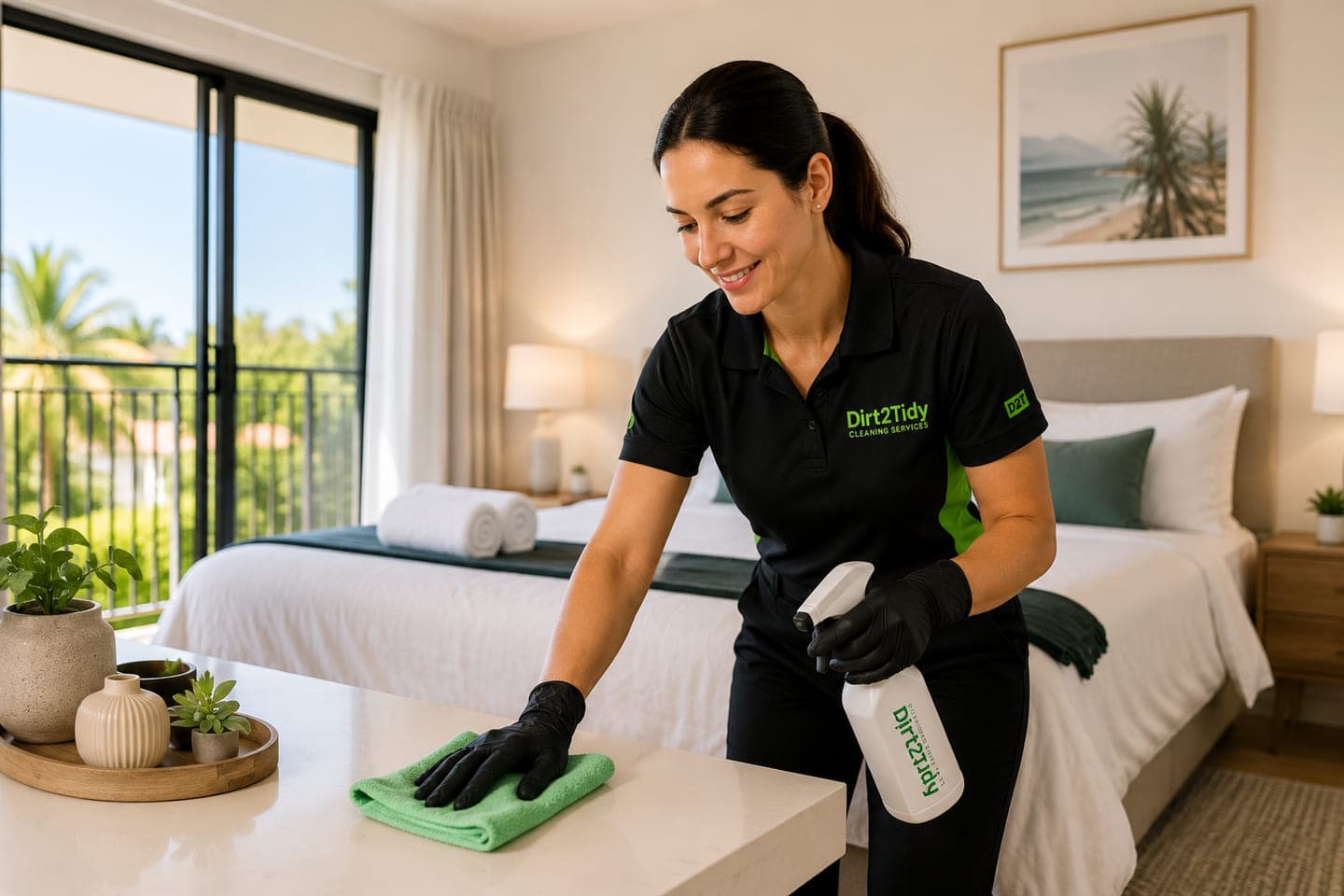
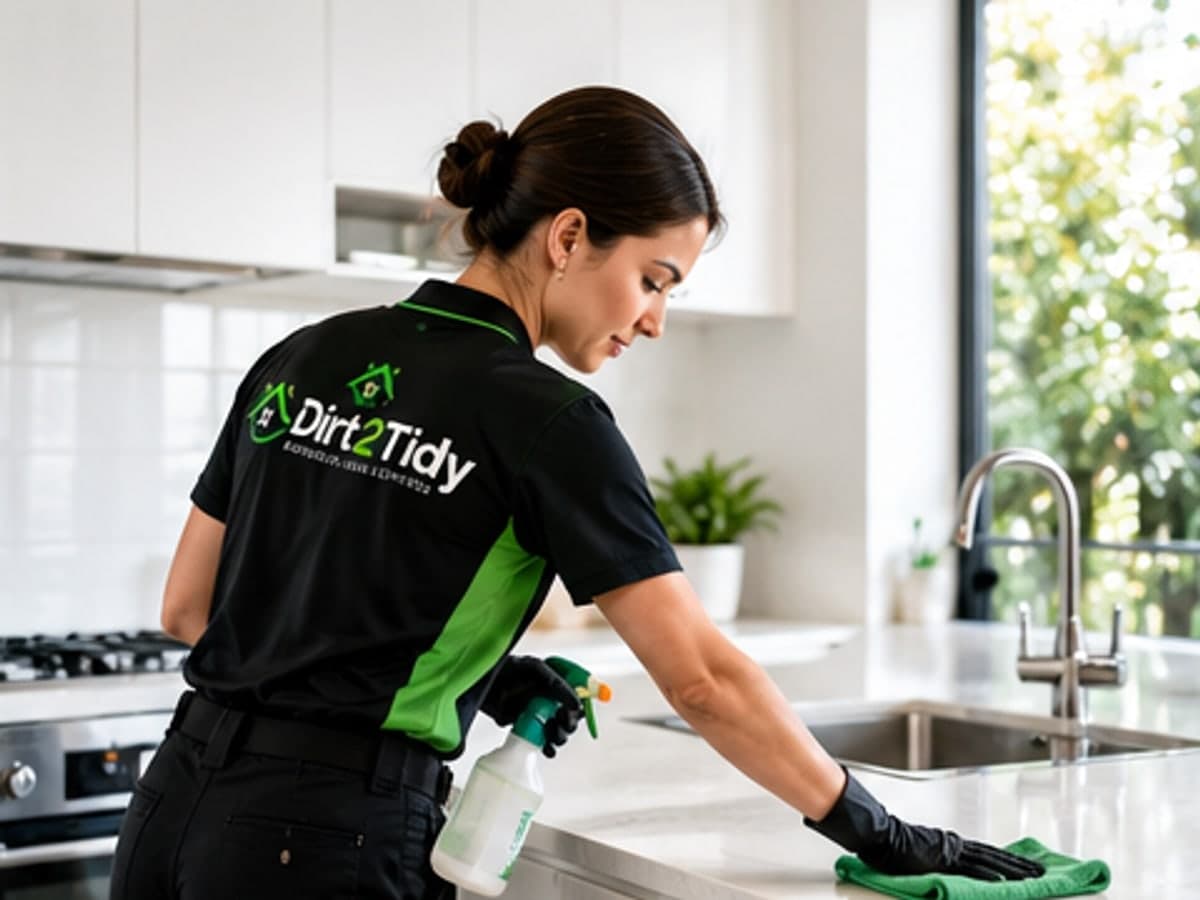
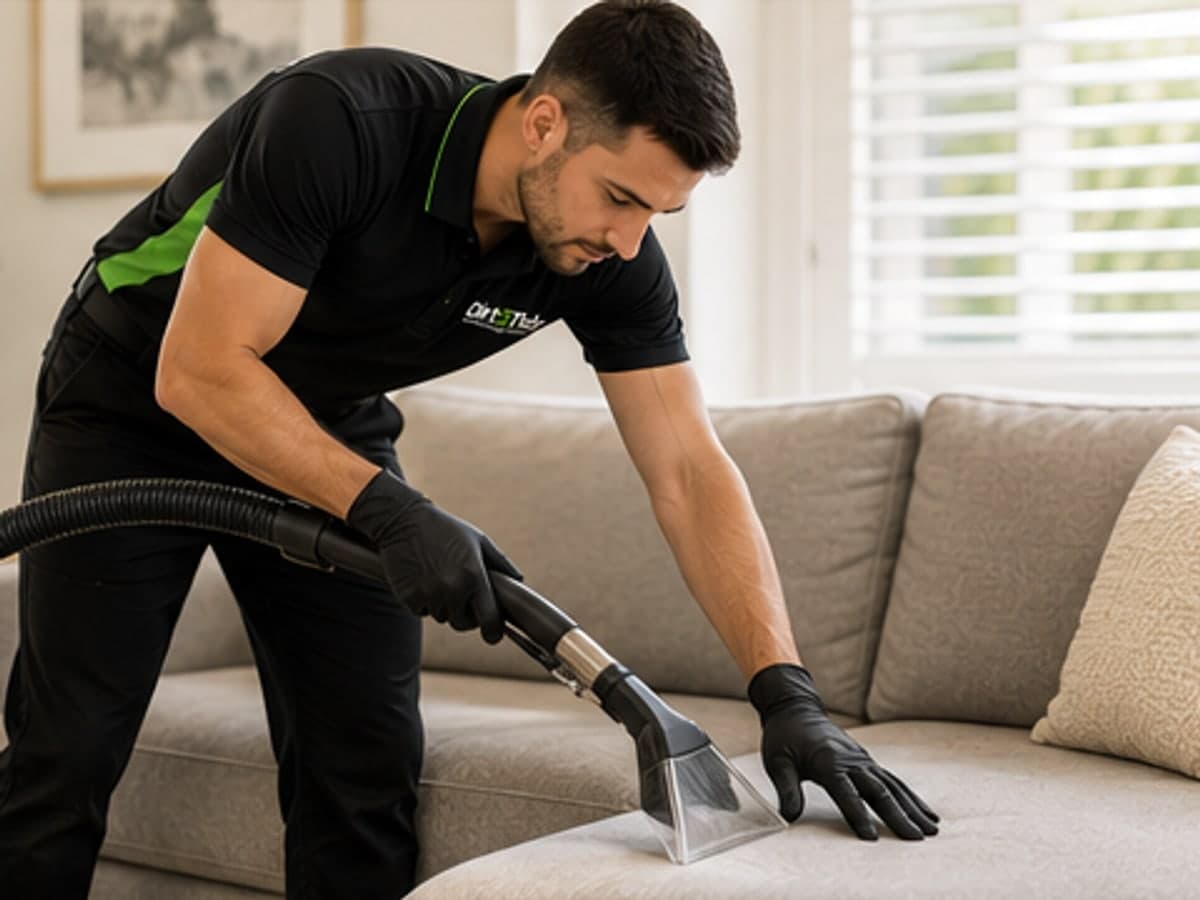
Check whether the item is plastic, resin, aluminium, steel, timber, fabric or another material. Look for care labels, coatings, corrosion, loose joints and existing damage. Do not assume that one cleaner or pressure setting is suitable for every surface.
Use gentle, label-approved cleaning
Remove loose debris and use a soft cloth or brush with a product labelled for the material. Rinse and dry as instructed, and keep water away from electrical parts, moving mechanisms and cushions that should not be saturated. Avoid bleach, solvents, abrasives or pressure washing unless the manufacturer permits them.
Check outdoor access and safety
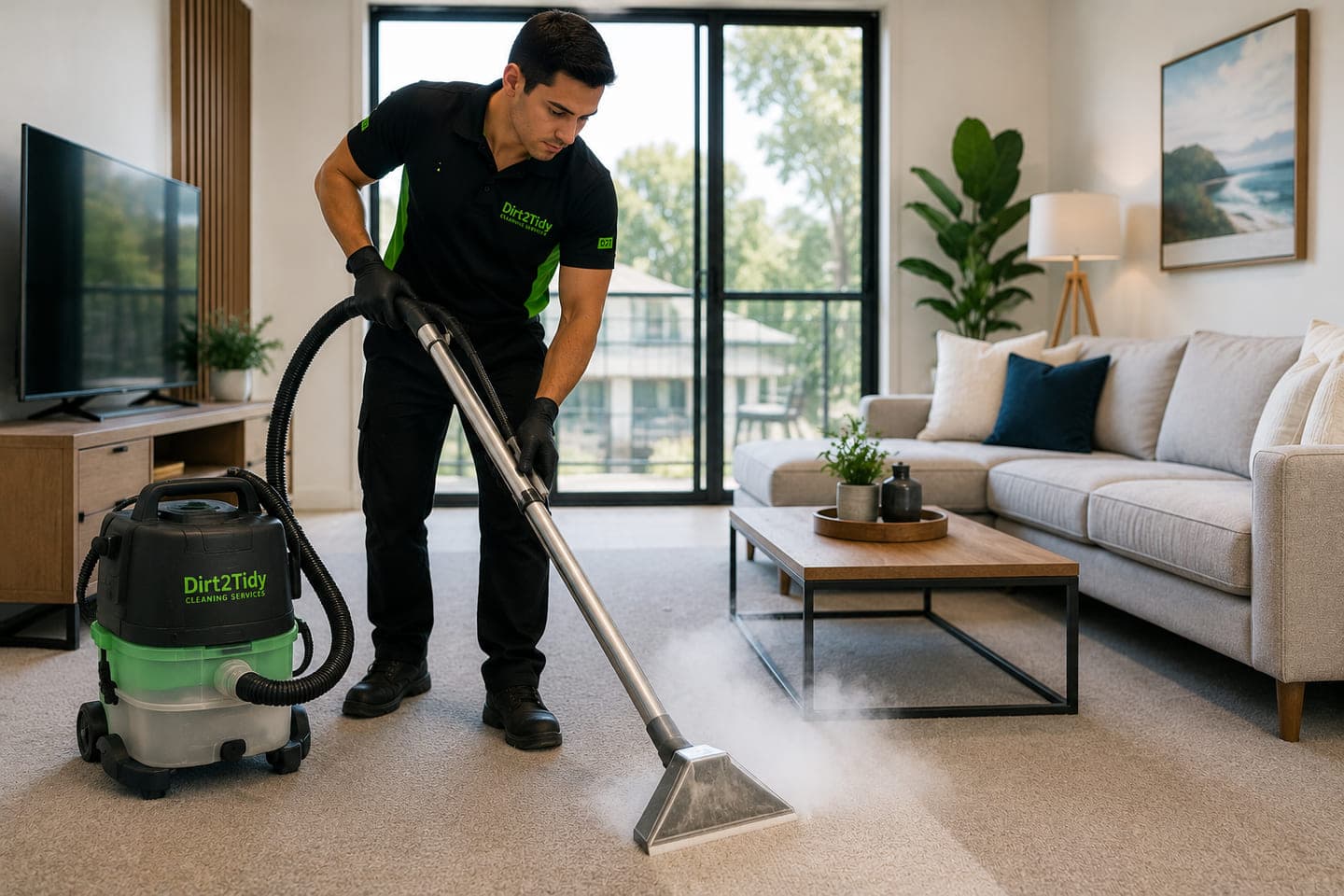
Move furniture only when safe, protect pool equipment and manage runoff so cleaners do not enter a pool or unsuitable drain. Wet surfaces can be slippery. Do not dismantle fixed furniture or work near electrical equipment without appropriate instructions.
Know when cleaning is not enough
Cleaning cannot repair rust, UV damage, torn fabric, broken frames or weakened fasteners. Persistent staining, corrosion or structural damage needs separate assessment or replacement. Follow the product and manufacturer care guidance for the specific item.