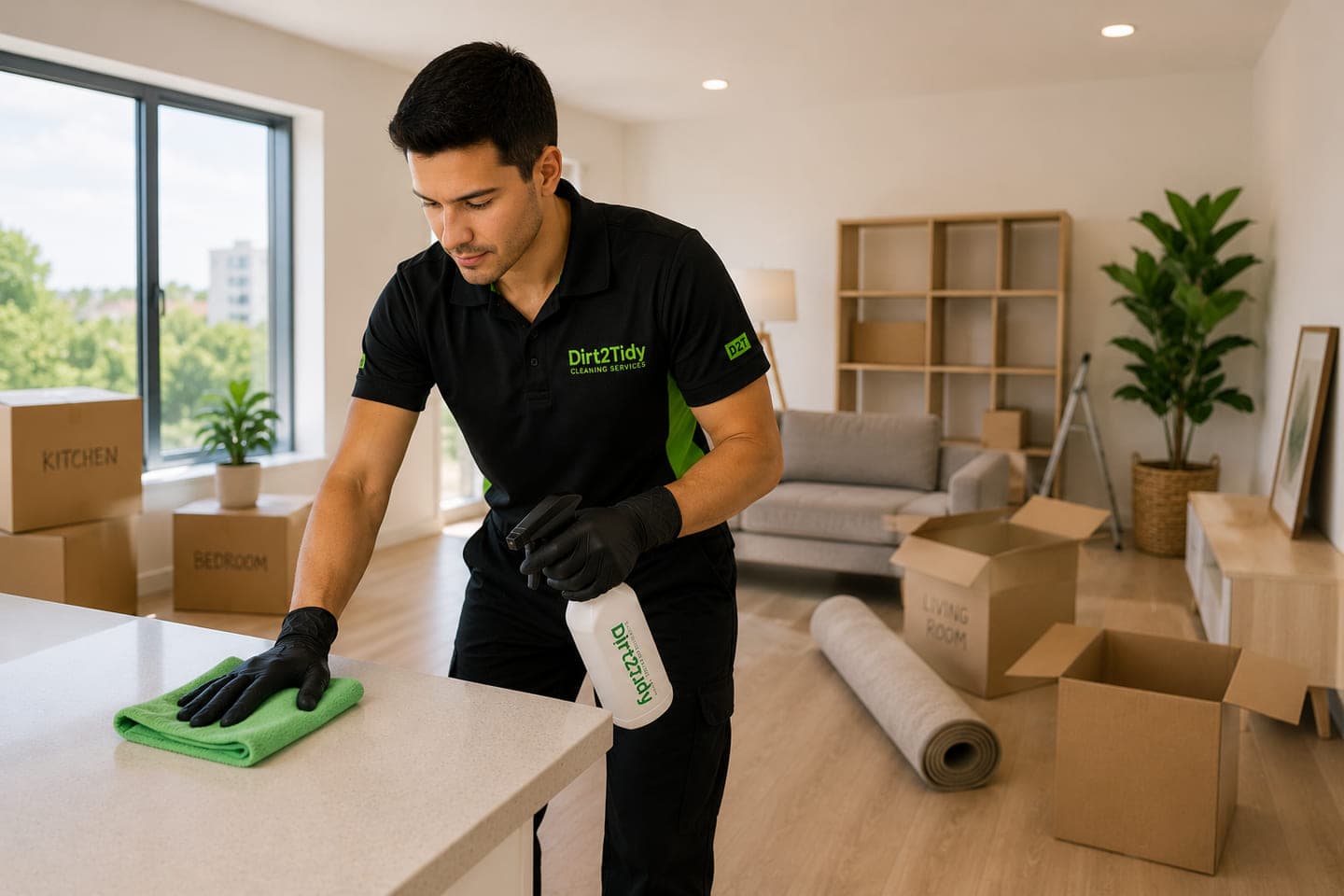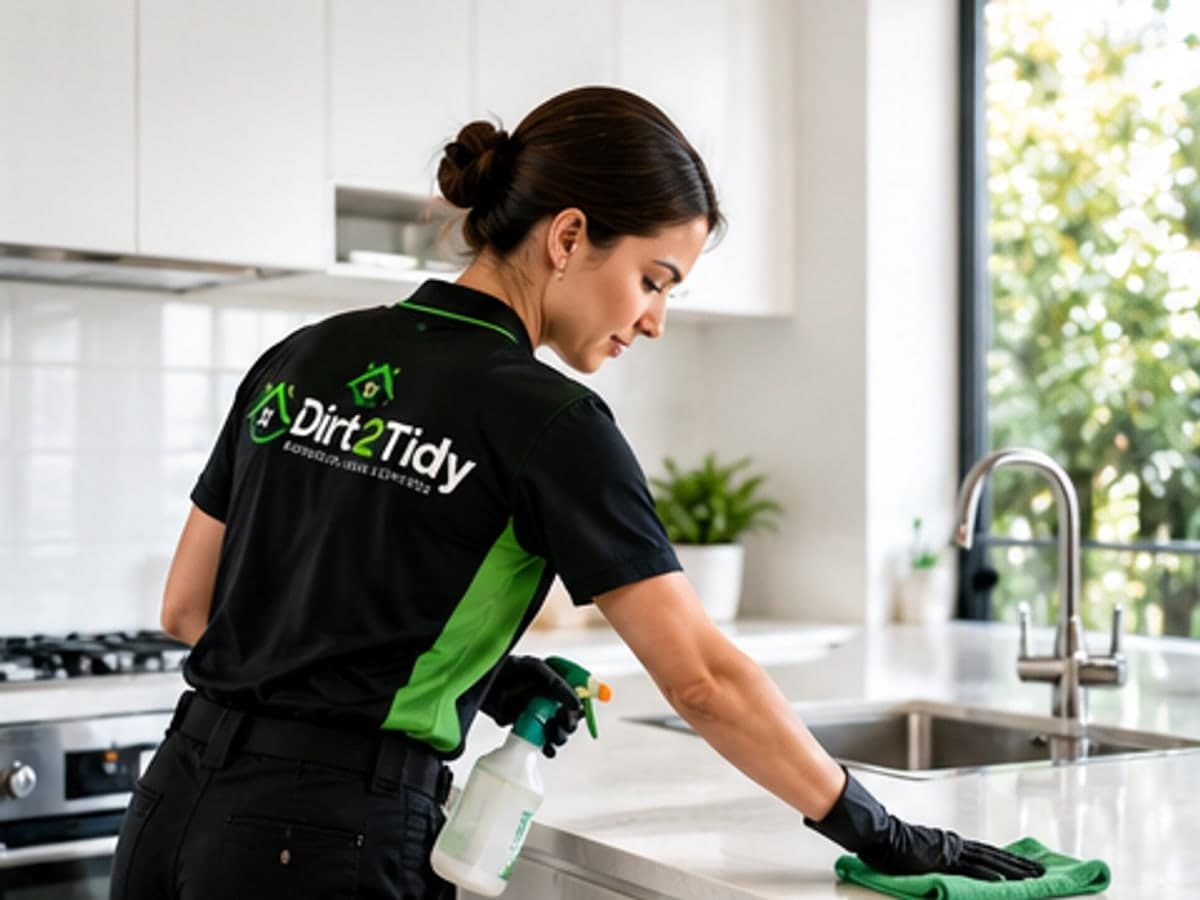
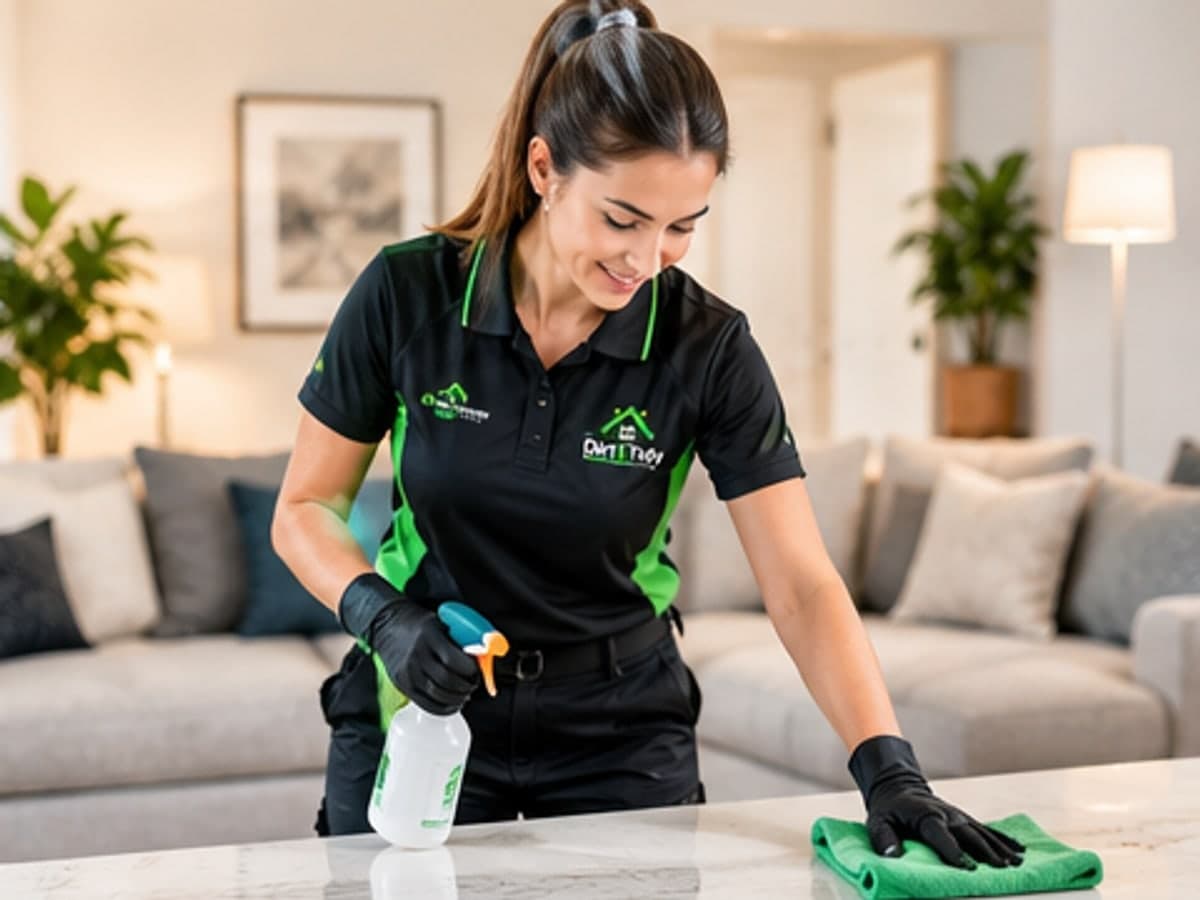
Cleanliness and home hygiene are not merely about creating a visually appealing space; they are fundamental pillars of health, comfort, and overall wellbeing. A hygienic home reduces the spread of germs, limits exposure to allergens, improves air quality, and supports both physical and mental health.
In today’s world, where people spend a significant portion of their time indoors working, studying, resting, and socialising the importance of maintaining proper home hygiene has never been greater. A clean living environment influences how we feel, how we function, and how healthy we remain over time.
From preventing common illnesses to reducing stress and promoting better sleep, home hygiene plays a role far beyond surface-level cleanliness. By understanding why hygiene matters and adopting consistent, practical habits, households can create safer and more comfortable spaces for everyone who lives there.
Understanding the Importance of Home Hygiene
Home hygiene directly impacts how bacteria, viruses, mould, and allergens spread within living spaces. Everyday areas such as kitchens, bathrooms, floors, and frequently touched surfaces like door handles, light switches, mobile phones, and remote controls can quickly become breeding grounds for harmful microorganisms if they are not cleaned regularly.
Poor home hygiene can contribute to a range of health issues, including respiratory infections, allergies, asthma flare-ups, skin irritations, and foodborne illnesses. Children, older adults, and individuals with weakened immune systems are particularly vulnerable to unhygienic environments.
Even healthy adults can experience recurring colds, headaches, fatigue, or digestive issues when living in spaces that are not properly maintained. Beyond physical health, cleanliness also affects mental wellbeing. A cluttered or dirty environment can increase stress, anxiety, and feelings of being overwhelmed.
Conversely, a clean and organised home promotes calmness, improves concentration, and supports emotional balance. For work-from-home parents, especially mothers managing professional duties alongside childcare and household responsibilities, a hygienic and orderly environment can significantly improve productivity and reduce daily stress.
Professional end of lease cleaning helps ease the pressure during relocation by ensuring the home is thoroughly cleaned, allowing families to focus on settling into their next space without added stress. A clean home also supports mental wellbeing. Orderly, hygienic spaces reduce stress, improve focus, and promote better sleep.
For work from home moms, maintaining a clean and organised environment can also improve productivity by reducing distractions and creating a healthier balance between professional responsibilities and family life. You may also like to read about- How Domestic Cleaning Services Create a Healthy Home

Cleanliness as a Foundation for Wellbeing
A hygienic home creates a sense of safety and comfort. Knowing that surfaces are clean, food areas are sanitary, and indoor air is fresh provides peace of mind. This psychological reassurance is particularly important during periods of illness, seasonal changes, or heightened health concerns. Clean living spaces also encourage healthier routines.
People are more likely to cook nutritious meals in a clean kitchen, sleep better in fresh bedrooms, and relax fully in tidy common areas. Over time, these small influences contribute to improved lifestyle habits and better long-term health outcomes. Importantly, cleanliness does not mean sterility.
A healthy home is one where harmful germs are controlled, not eliminated entirely. Balanced hygiene allows for a natural living environment while minimising unnecessary health risks.
Daily Habits That Support Clean Living
Effective home hygiene is built on simple, consistent daily habits rather than occasional deep-cleaning sessions. Small actions, when done regularly, prevent dirt and bacteria from accumulating and reduce the need for exhausting cleaning marathons. Ventilating rooms daily is one of the most overlooked yet essential habits.
Opening windows, even for a short time, helps remove indoor pollutants, excess moisture, and stale air. Proper airflow reduces the risk of mold growth and improves indoor air quality, particularly in bedrooms, kitchens, and bathrooms. Wiping down kitchen surfaces after food preparation prevents cross-contamination and keeps bacteria under control.
Promptly washing dishes, managing waste responsibly, and cleaning spills as soon as they occur all contribute to a healthier environment. Allowing messes to linger gives germs time to multiply and makes cleaning more difficult later. Personal hygiene also plays a crucial role in maintaining a clean home.
Washing hands regularly, especially after returning from outside, using the toilet, or handling raw food, helps prevent the spread of germs. Removing outdoor footwear at the entrance limits the amount of dirt, bacteria, and pollutants tracked indoors, keeping floors cleaner and reducing overall contamination.
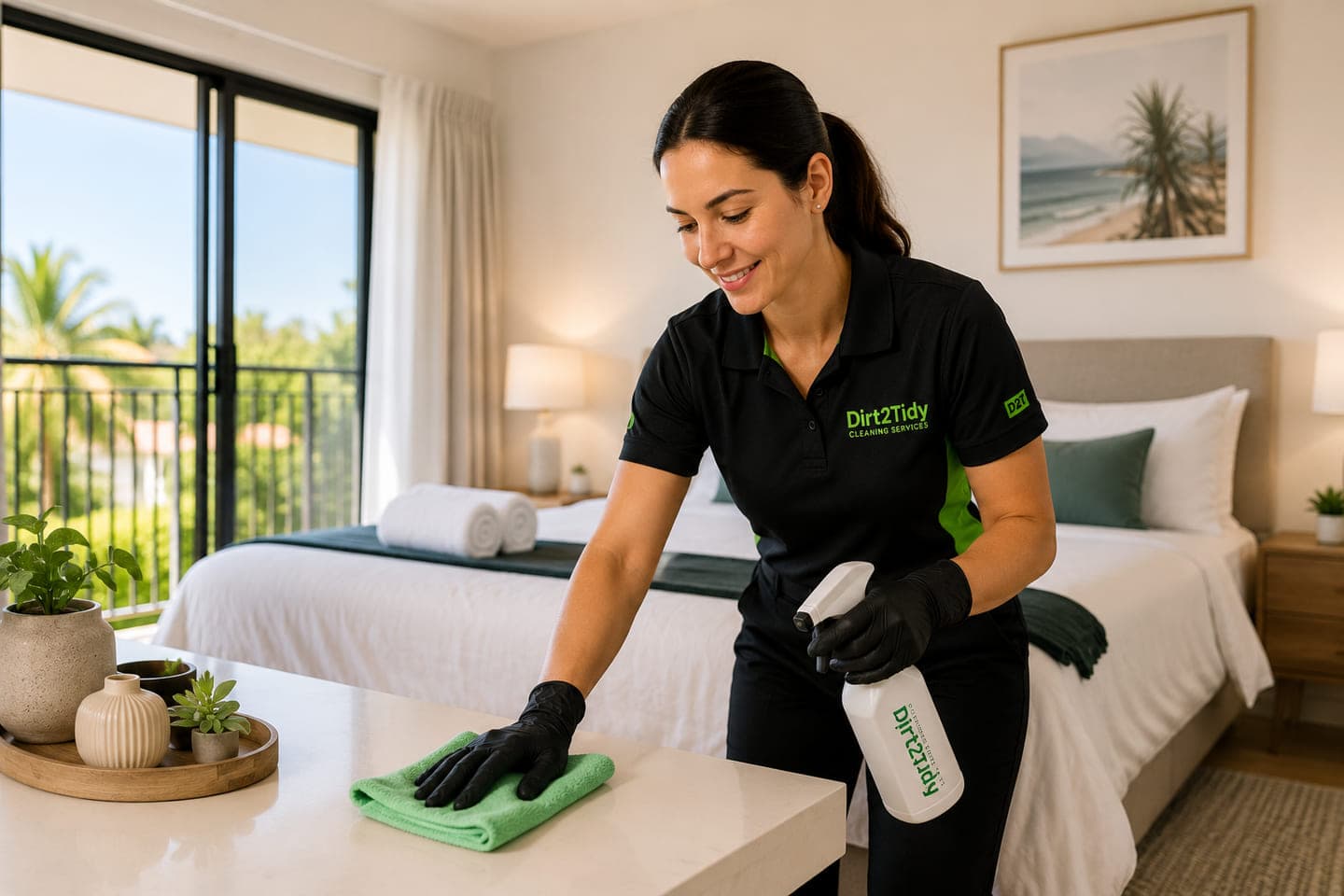
Kitchen Hygiene: The Heart of a Clean Home
The kitchen is one of the most critical areas for home hygiene. It combines food preparation, moisture, warmth, and frequent hand contact all conditions that encourage bacterial growth. Maintaining a clean kitchen is essential for food safety and overall household health. Worktops, chopping boards, sinks, and appliances should be cleaned regularly using appropriate cleaning agents.
Food residue, even when not visible, can harbour harmful bacteria. Using separate chopping boards for raw meat, cooked foods, and vegetables significantly reduces the risk of cross-contamination. Appliances such as refrigerators, microwaves, ovens, and kettles also require routine cleaning. Refrigerators should be checked regularly for expired food, spills, and odours.
Keeping the fridge at the correct temperature helps prevent food spoilage and bacterial growth, while organised storage reduces waste and makes meal preparation more efficient. Dry goods should be stored in sealed containers to protect them from moisture and pests. Perishable foods should always be stored correctly and used within safe timeframes.
A clean, well-organised kitchen not only supports hygiene but also encourages healthier eating habits and more enjoyable cooking experiences. Complementing kitchen hygiene, regular carpet steam cleaning helps remove hidden dirt, allergens, and bacteria from nearby living areas, contributing to a healthier indoor environment throughout the home.
Bathroom Cleanliness and Moisture Control
Bathrooms are another high-risk area for hygiene issues due to constant exposure to moisture. Warm, damp conditions create the perfect environment for bacteria, mould, and mildew to thrive. Without regular cleaning and proper ventilation, bathrooms can quickly become sources of unpleasant odours and health risks.
Toilets, sinks, showers, bathtubs, and taps should be cleaned frequently to prevent the buildup of bacteria, soap scum, and limescale. Special attention should be given to high-touch areas such as flush handles, tap knobs, and door handles. Ventilation plays a vital role in bathroom hygiene.
Using extractor fans or opening windows after showers helps reduce humidity and prevents mold growth. Mould spores can trigger allergies, asthma, and respiratory problems, making moisture control essential for maintaining a healthy home. Regularly washing bath mats, changing towels, and cleaning shower curtains reduces the risk of hidden bacteria and keeps the bathroom feeling fresh.
Cleaning drains and removing hair and debris prevents blockages and unpleasant smells, contributing to overall cleanliness and comfort.
Bedroom Hygiene and Better Sleep
Bedrooms are meant to be places of rest and recovery, yet they can quietly accumulate dust mites, allergens, and bacteria. Maintaining cleanliness in sleeping areas directly affects sleep quality and respiratory health. Bed linen should be washed regularly, as sheets and pillowcases collect sweat, skin cells, and dust mites over time.
Mattresses and pillows benefit from occasional airing and vacuuming to reduce allergens. Keeping bedrooms well-ventilated helps maintain fresh air and comfortable humidity levels. Clutter-free bedrooms promote relaxation and mental calm. Removing unnecessary items, keeping floors clear, and maintaining organised storage creates a peaceful environment that supports deeper, more restorative sleep.
Floor, Fabric, and Soft Furnishing Hygiene
Floors and soft furnishings often collect dust, dirt, and allergens without drawing much attention. Regular sweeping or vacuuming helps control dust levels, while mopping removes bacteria and grime from hard surfaces. Carpets, rugs, curtains, cushions, and upholstered furniture should be cleaned periodically to prevent allergen buildup.
In homes with pets or allergy sufferers, more frequent cleaning may be necessary to maintain comfort and air quality. Fabric hygiene also extends to everyday items such as throws, cushion covers, and upholstery. Washing or airing these items helps reduce odours and keeps living spaces feeling fresh and inviting.
Indoor Air Quality and Home Hygiene
Air hygiene is an often-overlooked aspect of home cleanliness. Indoor air can contain dust, pollen, pet dander, cooking fumes, and chemical residues from cleaning products. Poor air quality can lead to headaches, fatigue, breathing difficulties, and long-term health issues.
Opening windows daily, using exhaust fans in kitchens and bathrooms, and avoiding excessive use of artificial fragrances all help improve air quality. Indoor plants can also contribute by increasing oxygen levels and creating a more pleasant living environment, though they should be kept clean and free from mould.
Maintaining clean heating and cooling systems, including filters and vents, further supports healthy air circulation throughout the home. While cleanliness is essential, the overuse of harsh chemicals can harm both health and the environment. Many conventional cleaning products contain strong fragrances and chemicals that may irritate the skin, eyes, or respiratory system.
Where possible, mild, low-toxicity, or eco-friendly cleaning products can provide effective results with fewer health risks. Simple ingredients such as vinegar, bicarbonate of soda, and mild detergents can handle many everyday cleaning tasks safely. Using the right product for the right task is equally important.
Over-disinfecting low-risk areas is unnecessary, while targeted disinfection of high-touch surfaces such as door handles, switches, phones, and remote controls offers meaningful hygiene benefits. You may also like to read about- The Environmental Benefits of Green Cleaning Products
Cleanliness Without Obsession
It is important to recognise that a healthy home does not require constant scrubbing or unrealistic standards. Excessive cleaning or fear of germs can create unnecessary stress. The goal of home hygiene is to maintain a clean, safe environment without turning cleanliness into a source of anxiety.
A realistic approach focuses on key areas, sensible routines, and regular maintenance rather than perfection. This mindset supports both physical health and emotional wellbeing.
Clean Homes, Healthier Lives
Cleanliness and home hygiene form the foundation of a healthier living environment. They influence physical health, mental wellbeing, and overall quality of life. A hygienic home reduces illness, supports relaxation, and creates a space where people can thrive.
By adopting practical daily habits, paying attention to high-risk areas, improving air quality, and choosing safe cleaning practices, any home can become a healthier place to live. Clean living is not a luxury or an occasional effort it is an essential part of everyday wellbeing.
A clean home supports healthier lives, stronger families, and greater peace of mind. With consistency, awareness, and balance, maintaining home hygiene becomes a natural and rewarding part of daily life. Let us transform your home into a fresh, inviting space! Schedule your cleaning now and feel the difference instantly.