How Cleaning Services Can Improve Landlord-Tenant Relationships

Maintaining a positive landlord-tenant relationship is essential for a successful rental experience. It fosters trust, reduces disputes, and ensures the property remains in excellent condition. Cleaning services play a pivotal role in strengthening this relationship by bridging the gap between tenant responsibilities and landlord expectations. Professional cleaning services not only maintain property standards but also demonstrate commitment to mutual satisfaction, creating a win-win scenario for both parties.

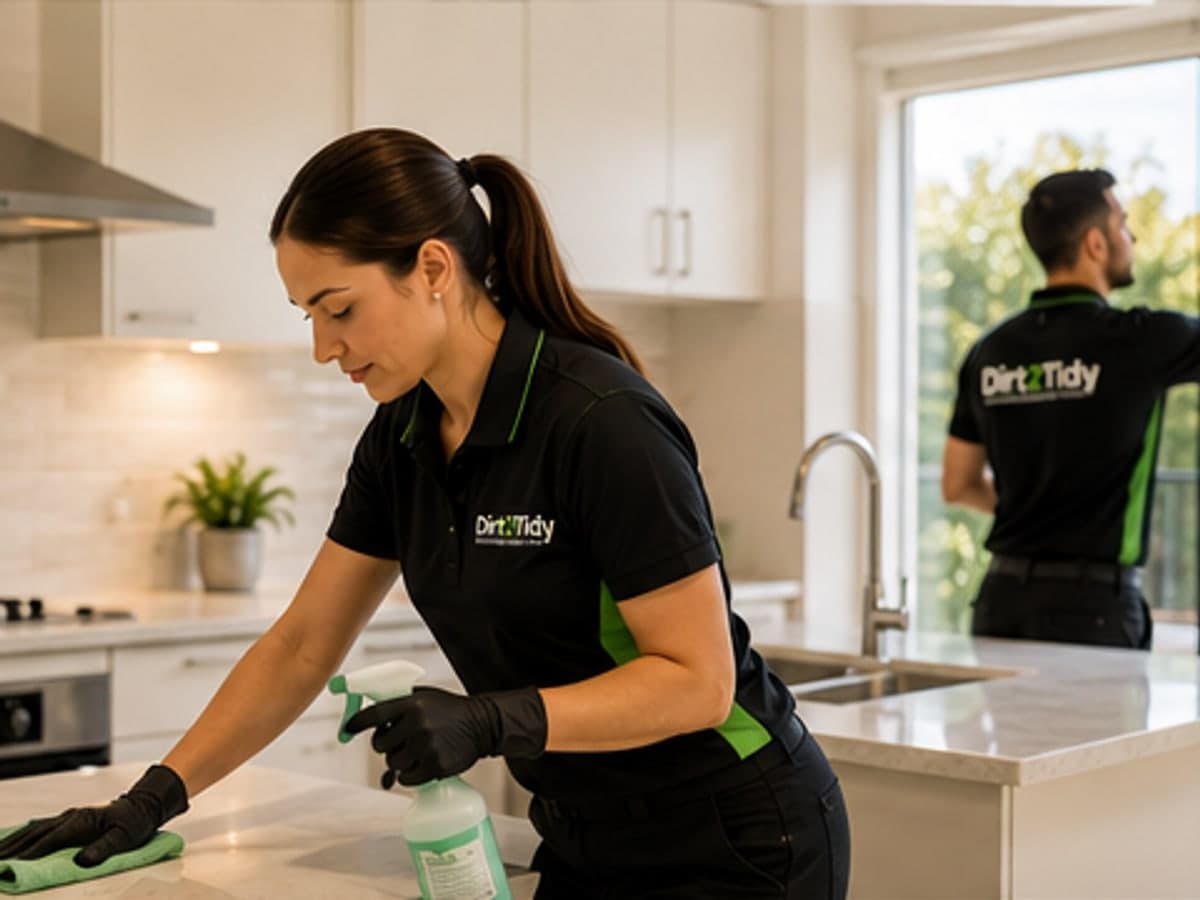
House cleaner tidying an Australian family home

Introduction

Maintaining a positive landlord-tenant relationship is essential for a successful rental experience. It fosters trust, reduces disputes, and ensures the property remains in excellent condition. Cleaning services play a pivotal role in strengthening this relationship by bridging the gap between tenant responsibilities and landlord expectations.

Professional cleaning services not only maintain property standards but also demonstrate commitment to mutual satisfaction, creating a win-win scenario for both parties. In this blog, we’ll explore how cleaning services can improve landlord-tenant relationships, highlighting the benefits for everyone involved.

Navigating State and Local Cleaning Regulations

It’s vital for both landlords and tenants to be aware of state and local regulations, as these rules can set specific expectations for property cleanliness and maintenance. In some areas, for instance, local health codes may require landlords to provide pest control or maintain certain sanitary standards throughout the tenancy.

On the flip side, tenants might be held responsible for regular upkeep like trash removal or basic cleaning tasks, depending on city or state laws. Often, these legal requirements are further detailed in the lease agreement, clarifying who is responsible for what when it comes to cleaning and maintenance .

Staying informed about these guidelines can help both parties avoid misunderstandings and ensure that everyone’s obligations are met throughout the rental period.

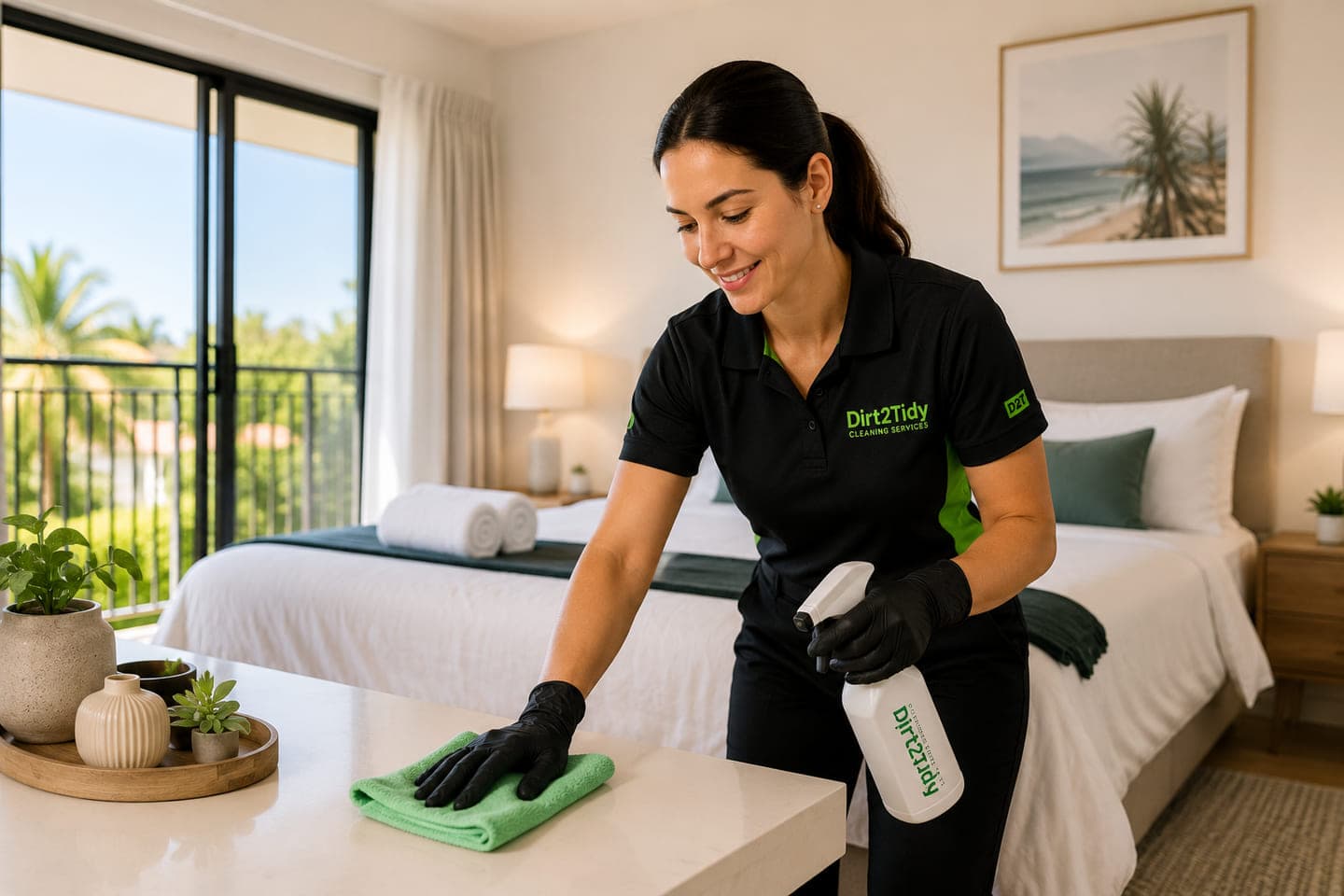
Commercial cleaning team working in a modern Australian office

Understanding Lease Agreements and Local Laws

Before diving into the world of spotless floors and glistening countertops, it’s crucial to know exactly who is responsible for what. Lease agreements and local regulations are the guiding compass here—they lay out the specific expectations for both landlords and tenants when it comes to cleaning and maintenance .

Every lease is a little different, often spelling out the nitty-gritty: who handles regular upkeep, who tackles deep cleaning , and what condition the property should be in at move-out. These details are not just helpful—they’re essential for avoiding confusion and potential disputes down the road.

To keep everything above board, always check your local and state laws. Rules in places like New South Wales can differ sharply from those in California or Ontario, and these legal guidelines may override or supplement what’s in your lease.

For example, some regions require landlords to provide a professionally cleaned property at move-in, while others set minimum standards for ongoing cleanliness. Ultimately, leases (and sometimes lease addendums) serve as the reference point for everyone involved.

By outlining responsibilities up front and staying informed about local requirements, landlords and tenants set themselves up for a smoother, more cooperative rental experience.

Why Property Standards Matter

Keeping a rental property in top condition benefits both landlords and tenants. For landlords, it protects their investment and ensures the property remains appealing to future renters. For tenants, a clean and well-maintained property creates a comfortable living environment and increases the likelihood of a full bond refund at the end of the lease.

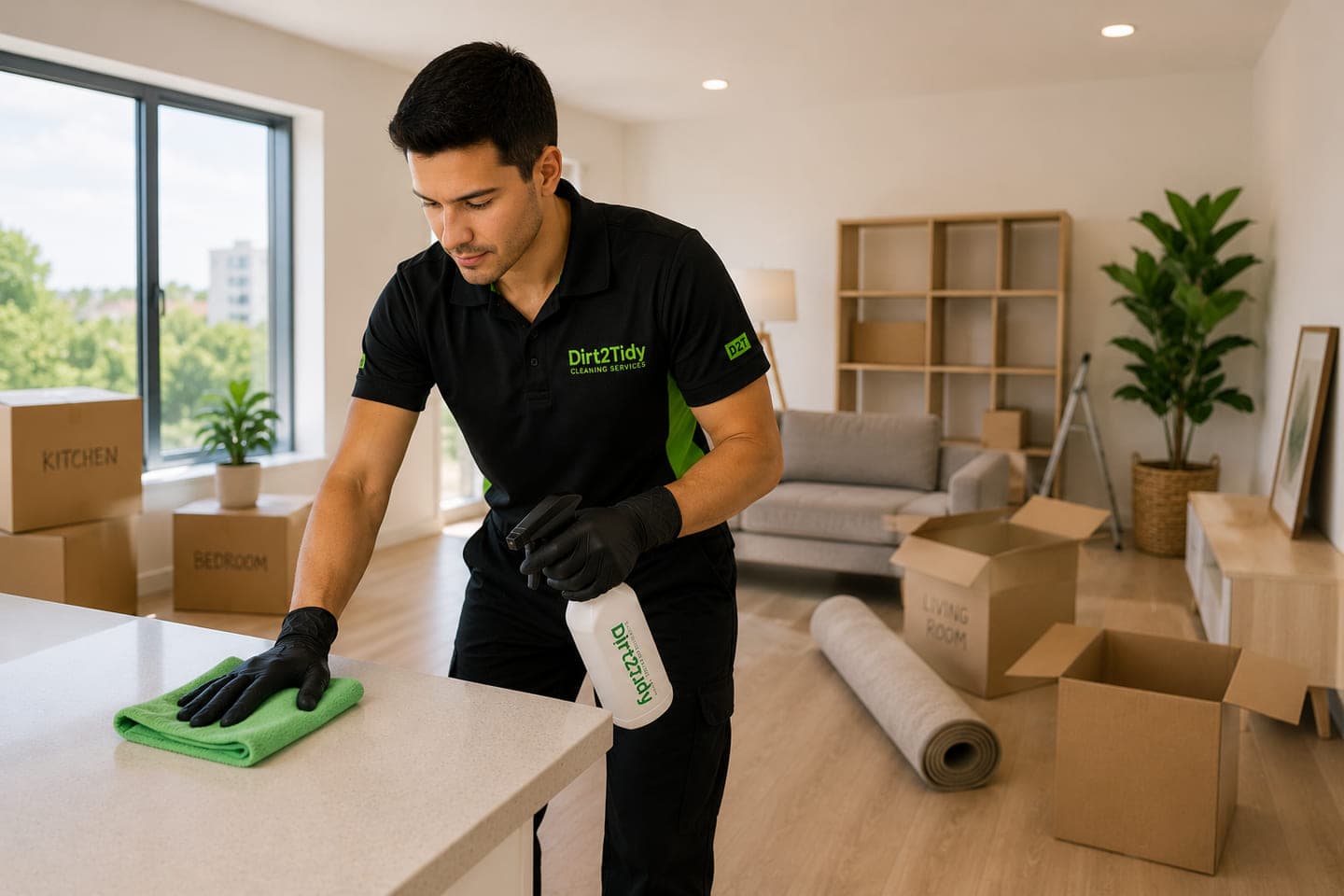
Detailed deep clean of an Australian home

Consequences of Neglecting Cleaning and Maintenance

Overlooking cleaning and maintenance duties in a rental property can quickly lead to a host of headaches for both tenants and landlords. Neglect often results in issues such as rust, mold growth, and unwanted pests—all of which can spiral into expensive repairs and lengthy disputes.

For tenants, failing to keep things tidy could jeopardize their security deposit. When a rental falls into disrepair due to poor cleanliness, landlords are left with no choice but to deduct cleaning and repair costs from the deposit.

Even worse, ignoring cleaning tasks can shorten the lifespan of appliances and fixtures, resulting in additional charges or inconvenience when things break down unexpectedly. For landlords, these problems don t just mean extra costs—they also make the property less appealing to potential tenants.

A reputation for poorly maintained homes can deter quality renters and reduce the property’s value over time. By staying on top of regular cleaning , both parties can avoid these pitfalls and enjoy a smoother, more positive rental experience.

Landlord Cleaning Responsibilities: Interior vs. Exterior

A common question among both new landlords and tenants is: who handles the cleaning—especially when it comes to the inside versus the outside of a rental property ? Generally, landlords are not expected to take care of day-to-day cleaning tasks inside the rental. That responsibility typically belongs to the tenants throughout their lease term.

However, landlords usually play a bigger role in maintaining and cleaning exterior spaces, such as the yard, common areas, gutters, or building facades, to ensure everything remains safe and presentable. This clear division not only helps set expectations but also encourages both parties to do their bit in keeping the property in great shape.

Key Landlord Responsibilities: Cleaning and Maintenance

Landlords wear many hats when it comes to maintaining their rental properties, but it s important to understand which cleaning and maintenance tasks typically fall squarely on their shoulders. Landlords are generally responsible for ensuring the property is clean and ready for new tenants at move-in.

This usually includes: Before handing keys over to tenants, the property should meet a reasonable standard of cleanliness that reflects pride in ownership—think sparkling counters, fresh floors, and a dust-free environment. Beyond cleaning, landlords must take care of key maintenance issues to keep the home safe and livable.

Responsibilities commonly include: By handling these tasks promptly and professionally, landlords not only protect their investment but also create a welcoming home that tenants are more likely to care for and enjoy.

How Professional Cleaning Helps

Professional cleaning services ensure that rental properties consistently meet high standards of cleanliness.

Pro Tip

Landlords who schedule professional cleaning between tenancies can attract new tenants more quickly, while tenants who hire professionals at the end of their lease are more likely to receive their full bond refund. [lead-form form-id=1 title=Fill to Get Free Cleaning Checklist]

Keep cleaning moving

Related Cleaning Services

More from Dirt2Tidy

Related Cleaning Guides

FAQ

FAQs

Everything about bookings, coverage and what to expect.

End-of-lease cleaning isn’t just a suggestion—it’s a core expectation built into nearly every rental agreement.

At the end of your tenancy, you’re generally required to restore the property to the same level of cleanliness it was in when you moved in (with allowances for reasonable wear and tear, of course).

To ensure you’re ticking all the right boxes before handing over the keys, focus on these

Dirt2Tidy specializes in professional cleaning services designed to meet the needs of both landlords and tenants.