Start with low-risk preparation
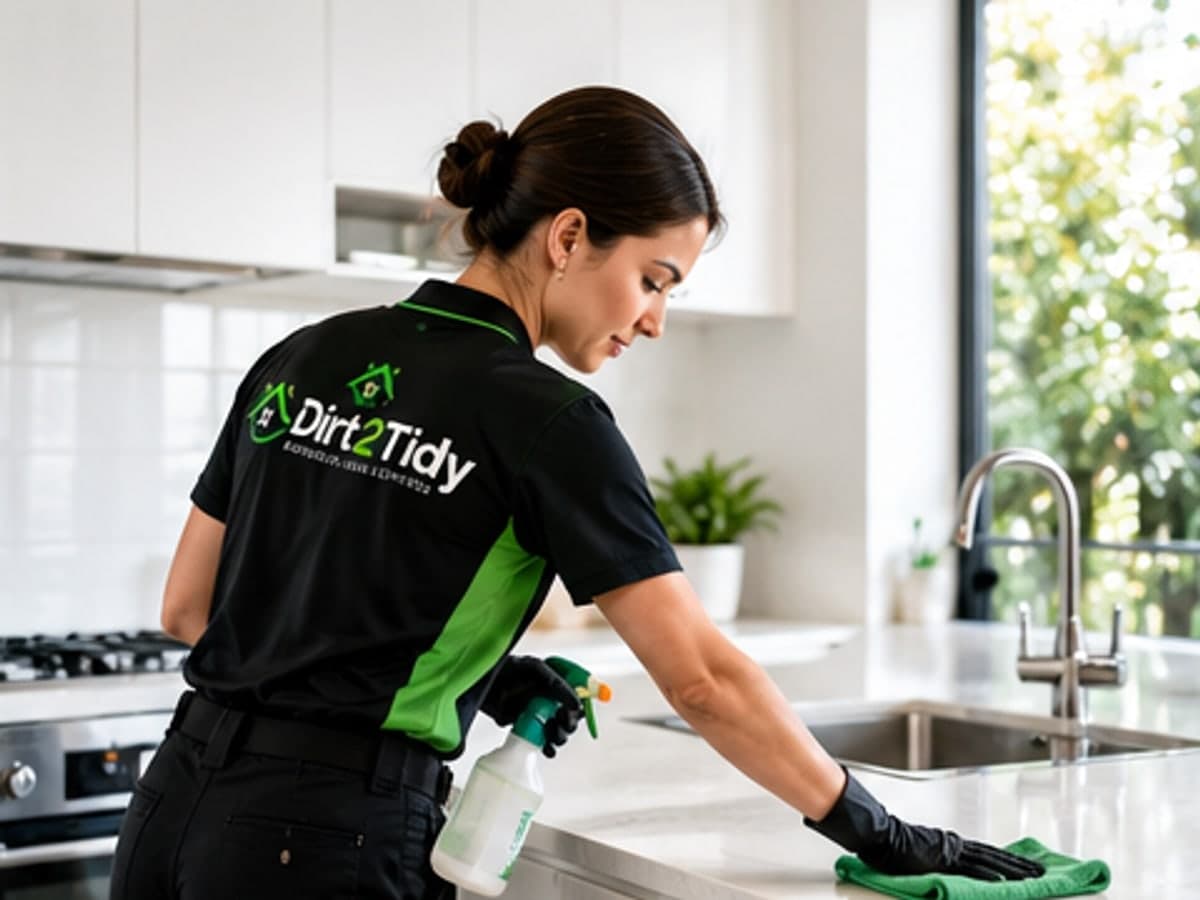
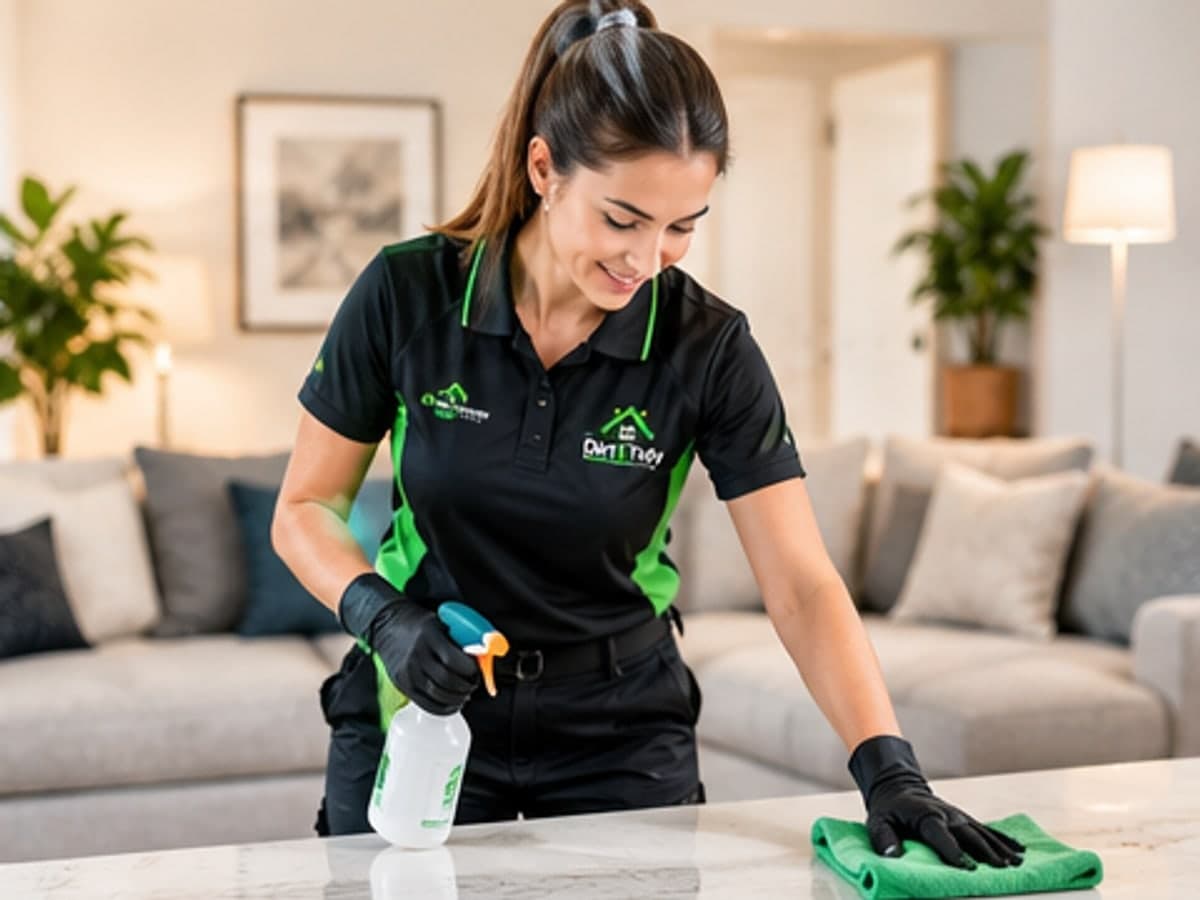
Remove loose dust and crumbs before wiping where the surface allows. Use a clean cloth, work in a small area and follow product dilution and rinse directions. Keep chemicals away from children, pets, food and electrical parts.
Check materials before trying a home remedy
Stone, grout, timber, painted finishes, glass, non-stick coatings and upholstery react differently. Do not assume vinegar, citrus, salt, baking soda or alcohol is safe on every material. Test only as directed in a hidden area and stop if colour or finish changes.
Use appliance-safe methods
Let hot appliances cool and check manuals before cleaning ovens, microwaves, fridges or fans. Do not pour water into motors or controls, use a hair dryer near water, or dismantle components unless the manufacturer instructs it.
Know when a shortcut is not suitable
Persistent stains, leaks, electrical faults, mould-like growth, pest activity, high-level work and hazardous material need separate assessment. Routine cleaning cannot repair damage or guarantee stain removal. Request professional help for a defined task and safe access.