Introduction
Stains are a common part of everyday life, whether they come from spilled coffee, an unfortunate ink mishap, or the remnants of a greasy cooking session. The good news is that many household stains can be easily removed with the right techniques and cleaning service products.
If you’ve ever found yourself facing a stubborn stain and not knowing where to begin, this ultimate guide will give you the tools and tricks to tackle the most common household stains with confidence.
1. Carpet Stains
Carpets are a major focal point in any room, but they are also one of the most vulnerable surfaces to spills and stains. Whether it s wine, pet accidents, or mud tracked in from the outside, carpets can quickly show the signs of everyday life.
Fortunately, removing stains from carpets is possible with the right method.
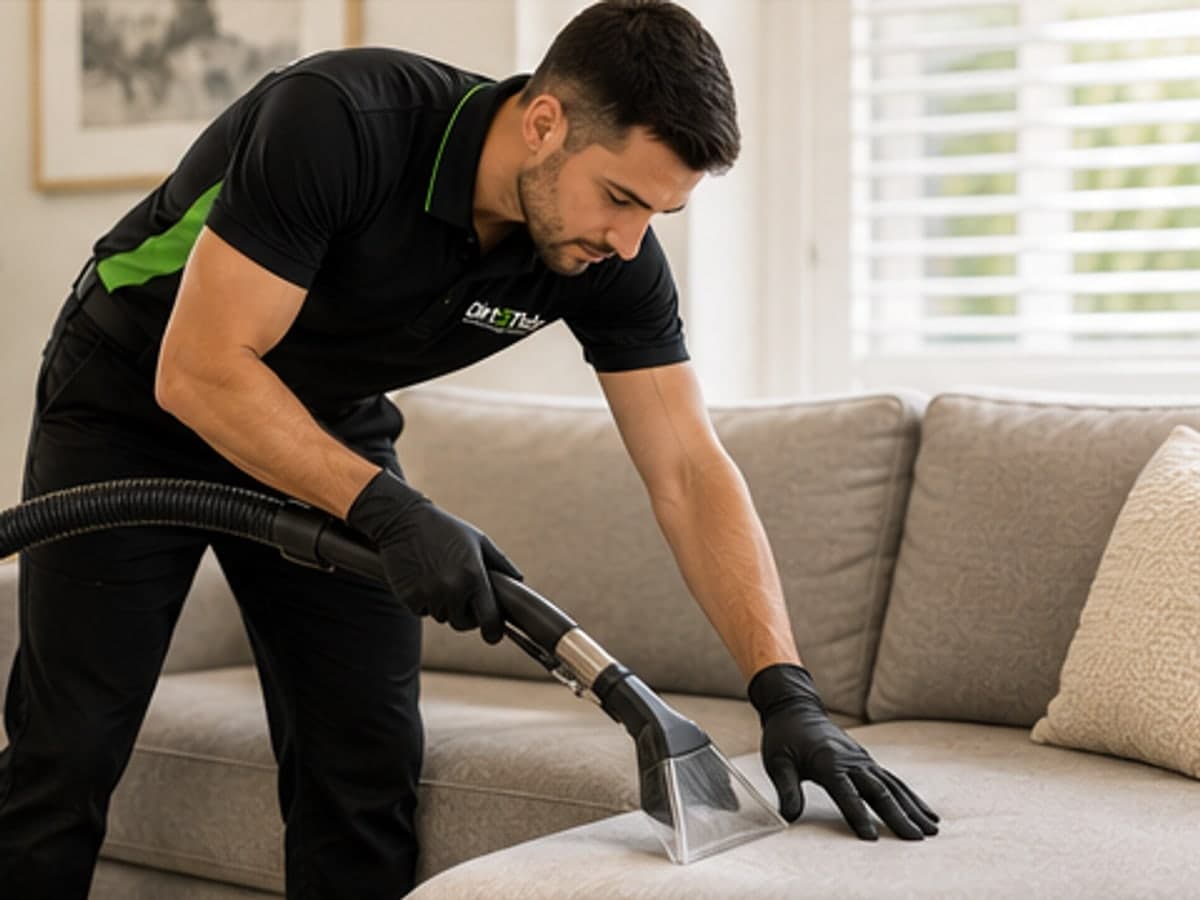
Solution: Blot (don’t rub) with a mixture of dish soap and warm water
When a stain occurs on your carpet, the first rule is to blot — not rub. Rubbing the stain can cause it to spread or push the stain deeper into the fibers, making it harder to remove.
Instead, gently blot the stain with a clean cloth or paper towels to absorb as much liquid as possible. Once you’ve soaked up as much as you can, follow up with the professional household cleaning solution.
[lead-form form-id=1 title=Fill to Get Free Cleaning Checklist] For most common stains like food or beverage spills, a simple dish soap and warm water mixture will do the trick. Dish soap is effective because it’s designed to break down grease and oils, and it won’t harm your carpet fibers.
Here’s how you do it: For more stubborn stains, like pet urine or ink, you may need to use specialized stain removers, but the blotting method combined with the dish soap solution works for many everyday carpet stains.
3. Carpet Shampooing
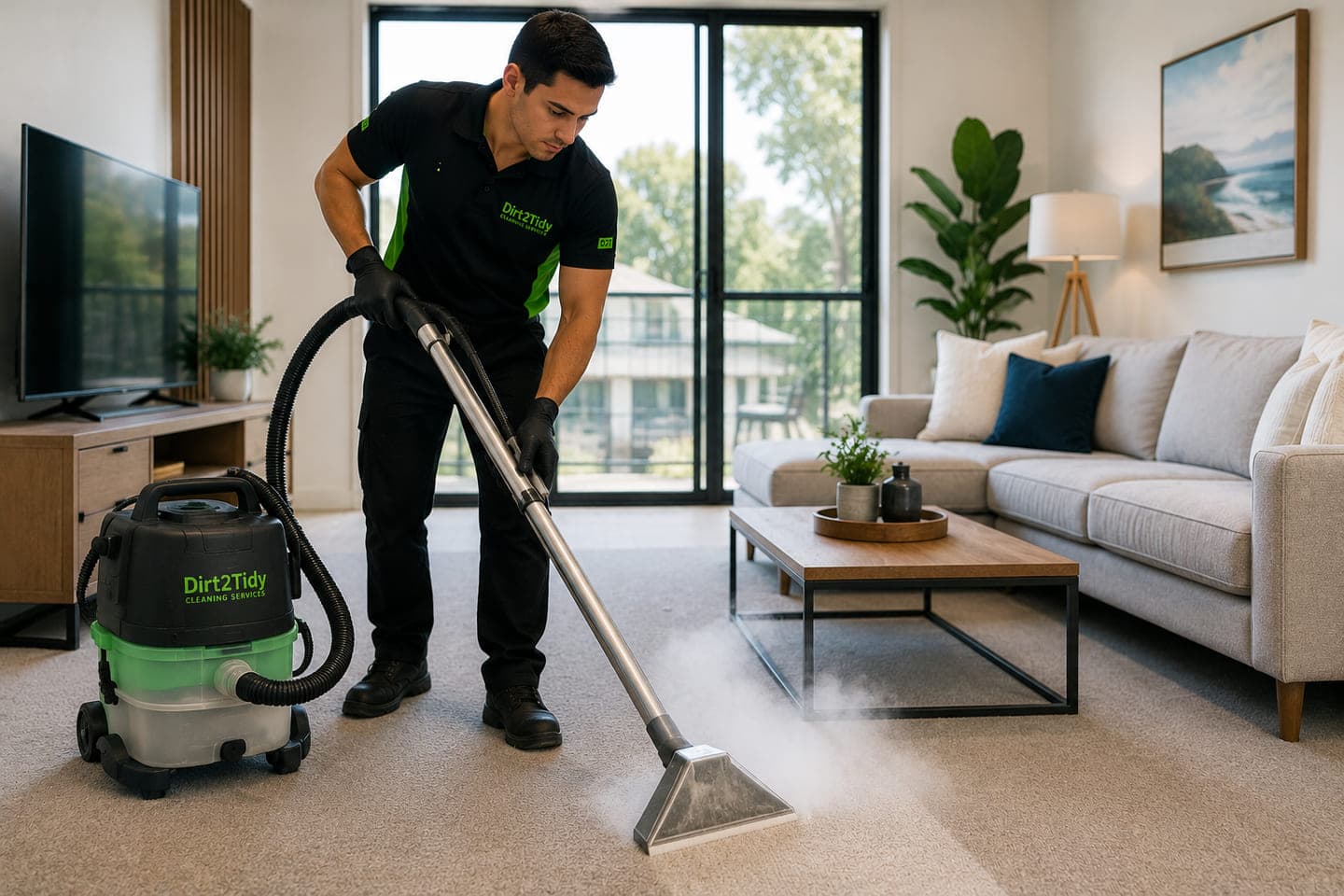
Periodic deep cleaning through carpet shampooing helps to revitalize your carpets. Consider hiring a professional service or investing in a quality carpet cleaner . Aim to shampoo your carpets at least once a year to remove deep-set dirt and refresh the fibers.
By integrating these methods into your cleaning routine, you can ensure your carpets remain a beautiful and lasting element of your home.
2. Grease on Kitchen Surfaces
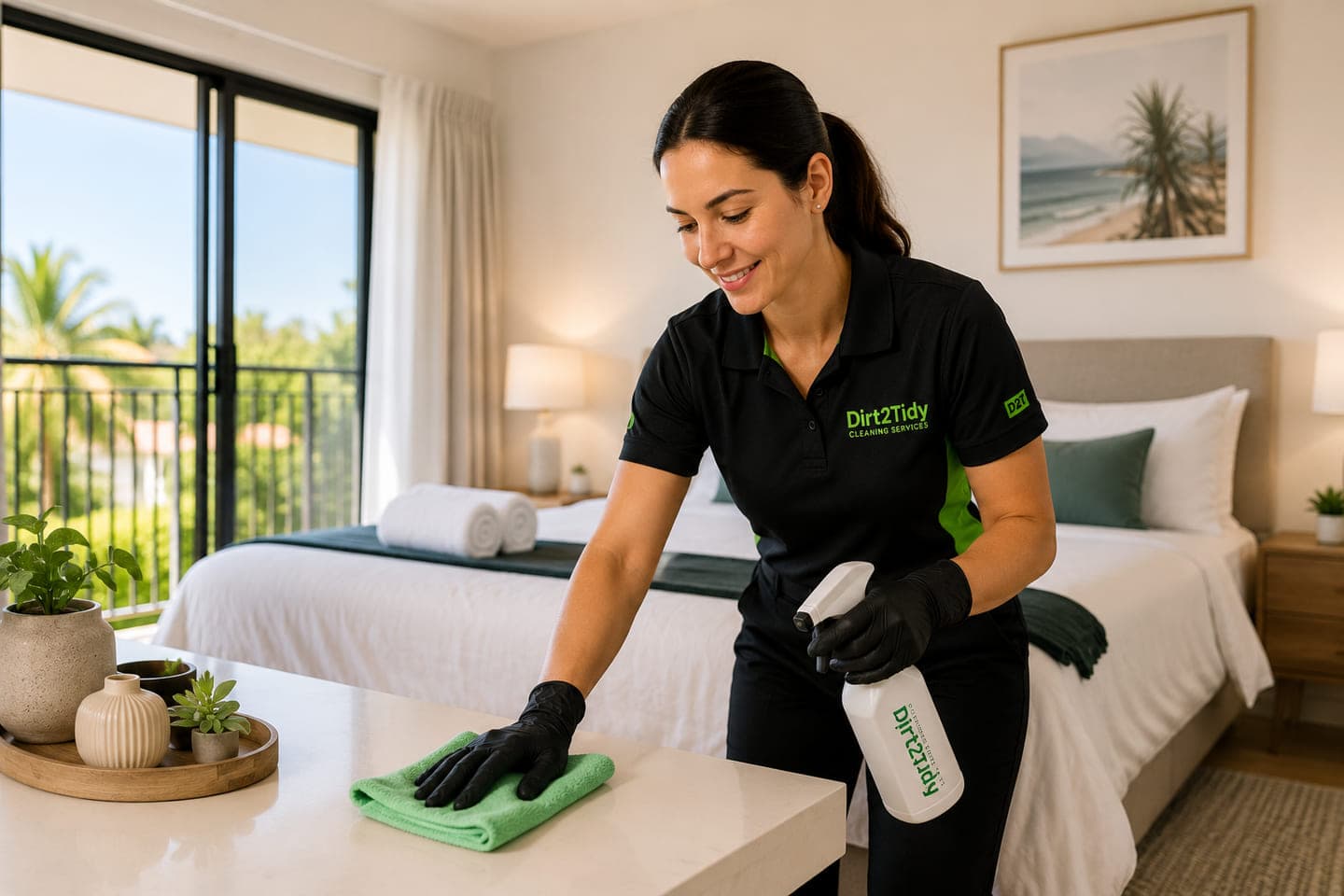
In the kitchen, grease and oil are the culprits behind many messy situations. Whether it’s from frying food, spills during cooking, or splatters from greasy pans, cleaning grease can be tricky. Luckily, there’s a simple solution that won’t require harsh chemicals or excessive scrubbing.
Pro Tip: Use baking soda and a damp cloth for easy removal
Baking soda is one of the best natural cleaning agents , especially when it comes to cutting through grease. It’s mildly abrasive, which allows it to scrub away grease without scratching your surfaces. It’s also non-toxic, making it safe for use around food preparation areas.
Here’s how to use baking soda for grease removal: For tougher grease spots , you can also combine baking soda with dish soap for extra cleaning power. Dish soap is effective at cutting through grease, while baking soda provides the abrasion needed to lift it off surfaces.
DIY Stain Remover: Better than Some Commercial Products?
While baking soda is excellent for grease, you might wonder about removing other types of stains. There’s a simple homemade solution that not only competes with but sometimes surpasses commercial options. This DIY stain remover is budget-friendly and made with common household items, making it ideal for those moments when you need a quick fix.
This concoction has shown remarkable results, particularly against oil and dirt stains, and even outperformed some store-bought alternatives. It’s especially handy when dealing with stubborn stains like spilt olive oil or makeup smudges. Plus, at just pennies per use, it s a cost-effective solution for everyday mishaps.
Incorporating these DIY methods into your cleaning routine not only saves money but also ensures you’re using safe, non-toxic ingredients around your home. Whether you’re tackling grease in the kitchen or stains on your favorite shirt, these homemade solutions provide effective alternatives to commercial products.
3. Ink on Fabrics
Ink stains are often one of the most difficult to remove, especially if they come from a fountain pen or a ballpoint pen that has leaked onto your clothes or upholstery. However, with the right technique and the right cleaning agents, ink stains are far from impossible to tackle.
Impact: Rubbing alcohol is your best friend for ink stains
Rubbing alcohol is one of the most effective substances for ink stain removal. It works by breaking down the ink’s chemical composition, making it easier to lift from fabric or upholstery . Whether the stain is on your favorite shirt or on your couch, rubbing alcohol can often do the trick.
Here’s how to remove ink stains from fabrics: If you’re dealing with a more delicate fabric like silk or wool , it’s a good idea to test the rubbing alcohol on a small, inconspicuous area first to make sure it won’t damage the fabric.
You may also like to read about- Domestic Cleaning Services: A Must – Have for Busy Professionals
4. Wine Stains
Spilled wine, especially red wine, can cause a serious panic. The rich pigment in red wine can quickly absorb into fabrics, carpets , or upholstery, leaving behind an unsightly stain. But don’t worry — you don’t have to throw away your favorite blouse or get a new carpet.
Solution: Use salt and club soda for quick action
The key to removing wine stains is acting quickly before they set in. Salt and club soda are two common household items that can help you salvage the situation. For carpets or upholstery, you can skip the salt and just use the club soda method.
If the stain persists, you may need a commercial stain remover designed for wine stains.
5. Blood Stains
Blood stains can be particularly difficult to remove if they’ve had time to dry. The iron content in blood makes it tricky, but with the right approach, blood stains can often be removed from clothing, bedding, or carpets.
Practical next steps for Cleaning Common Household Stains
- Share the property type, size, condition and access information before requesting a quote.
- Identify priority rooms, surfaces, stains, pets, furniture and any inspection or handover date.
- Separate cleaning from repairs, pest treatment, plumbing, electrical or restoration work.
- Confirm inclusions, exclusions and optional services before the appointment.