Discover how often you should clean your barbecue in Australia, whether it is safe to cook on a dirty BBQ, and the best way to clean your barbecue after each use in Australian conditions. Australians love their barbecues. From backyard weekend cook ups to beachside grilling and outdoor entertaining, BBQs are part of everyday life.
However, one question many homeowners and businesses overlook is how often a barbecue should actually be cleaned and whether cooking on a dirty BBQ is safe. With Australia’s warm climate, coastal air, and frequent outdoor use, barbecue hygiene is not just about appearance.
It directly affects food safety, fire risk, taste, and the lifespan of your grill. This guide explains exactly how often to clean your barbecue, the risks of not cleaning it properly, and the best cleaning practices suited to Australian conditions. You will also learn when a professional BBQ cleaning service may be the smartest choice.
How Often Should You Clean a Barbecue in Australia?
The frequency of BBQ cleaning depends on how often it is used, where it is located, and the type of food cooked on it. In Australia, environmental factors such as humidity, coastal salt air, dust, and insects make regular cleaning even more important to meet Australian food hygiene standards and reduce the risk of contamination.
After Every Use Basic Cleaning
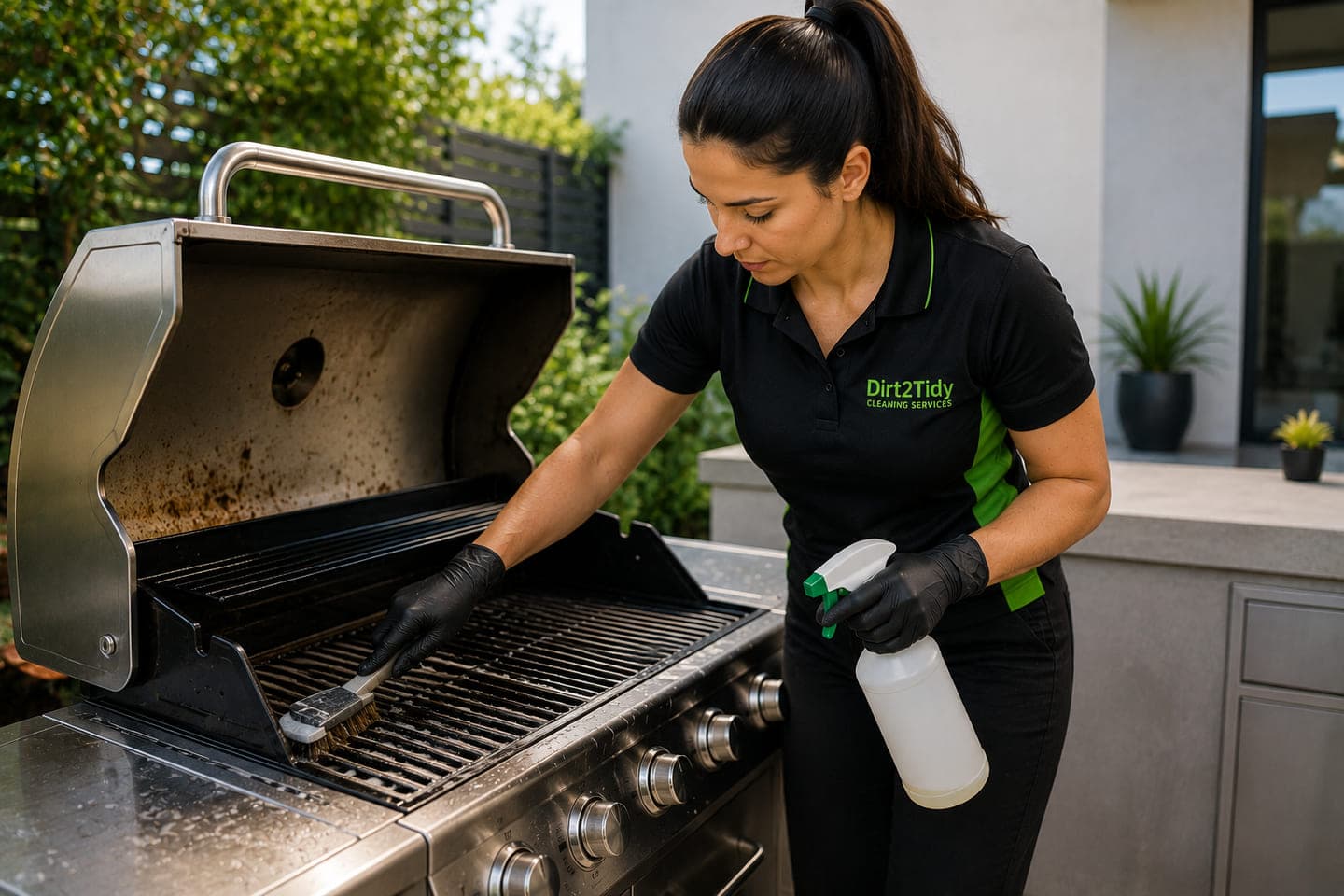
Every barbecue should receive a light clean immediately after use. This prevents grease and food residue from hardening and becoming difficult to remove later. After each use you should
- Brush the grill plates while they are still warm
- Wipe away surface grease
- Empty drip trays
- Check for food build up around burners This simple habit takes only a few minutes but significantly reduces bacteria growth and odour.
Weekly or Fortnightly Cleaning for Regular Users
If you use your BBQ once or twice a week, a more thorough clean should be done weekly or fortnightly. This includes
- Removing grill plates
- Cleaning burners
- Degreasing internal surfaces
- Checking gas ports In coastal areas such as Sydney, Sutherland Shire, Brisbane, and the Sunshine Coast, salt in the air accelerates corrosion, making this step especially important. You may also like to read about- 7 Essential Tips for Cleaning Your BBQ Grill Like a Pro
Deep Cleaning Every Three to Six Months
A deep BBQ clean should be done at least every three to six months, depending on usage. This is where many homeowners struggle due to time, tools, or safety concerns. A deep clean involves
- Full dismantling of grill components
- Removing carbonised grease
- Cleaning burner tubes internally
- Degreasing the hood and firebox
- Inspecting ignition systems This is where professional services such as a BBQ cleaning service Sydney or BBQ cleaning service Brisbane become extremely valuable.
Is It Safe to Cook on A Dirty BBQ?
Many people assume that high heat kills bacteria, making a dirty BBQ safe. This is a dangerous misconception that contradicts workplace safety guidance , which emphasises clean food-contact surfaces to reduce contamination risks.
What Happens when Grease Builds Up?
Old grease and food residue can harbour harmful bacteria such as salmonella and E. coli. When reheated, these residues can contaminate fresh food rather than destroy bacteria. A dirty BBQ can cause
- Food contamination
- Unpleasant flavours
- Excessive smoke
- Flare ups and grease fires
Fire Risks Linked to Poor BBQ Hygiene
Grease build up is one of the leading causes of backyard BBQ fires in Australia. Even a small spark can ignite old fat deposits, leading to dangerous flare ups. Fire authorities consistently recommend regular cleaning to reduce fire risk, particularly in dry seasons.
Health Implications of Carbon Residue
Burnt carbon deposits release harmful compounds when heated. These compounds can stick to food and are linked to long term health risks when consumed repeatedly. Cooking on a visibly dirty BBQ is not just unhygienic. It is unsafe.
Why Do Australian Conditions Demand More Frequent BBQ Cleaning?
Australia’s climate creates unique challenges for outdoor cooking equipment.
Coastal Salt Exposure
Homes near the coast, including Sydney, Sutherland Shire, Brisbane, and Sunshine Coast, experience high salt exposure. Salt accelerates rust and eats away at metal components inside the BBQ. Without regular cleaning, internal corrosion can block burners and cause uneven heat distribution.
Heat and Humidity
Warm and humid conditions speed up bacterial growth. Grease left inside a BBQ can spoil faster in Australian summers compared to cooler climates.