Can a Carpet Cleaner Clean a Sofa?

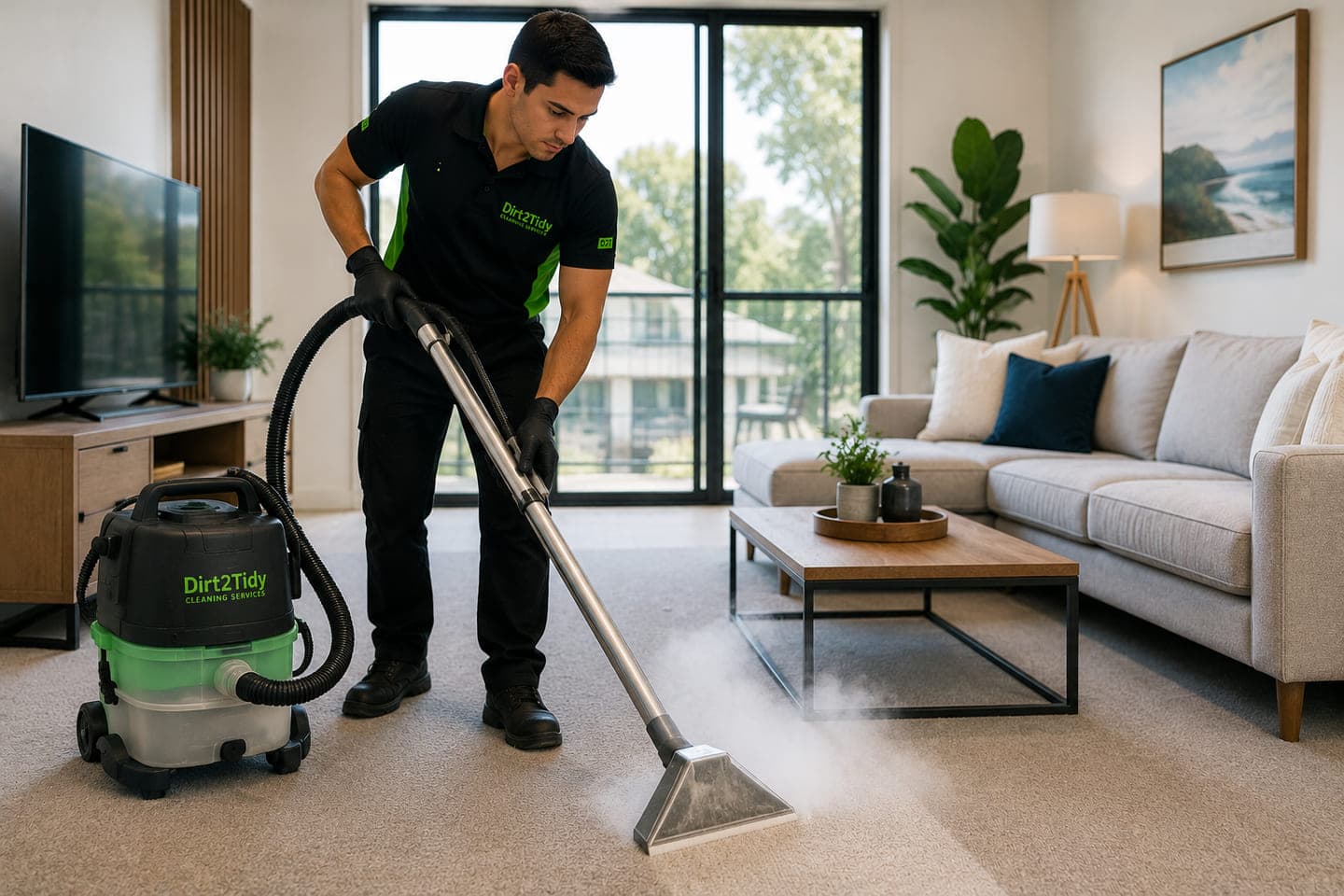
Carpet cleaning is an ongoing task, and many people invest in carpet cleaners to keep their floors spotless year-round. But what about sofas should you buy a separate sofa cleaner, or just use your carpet cleaner?

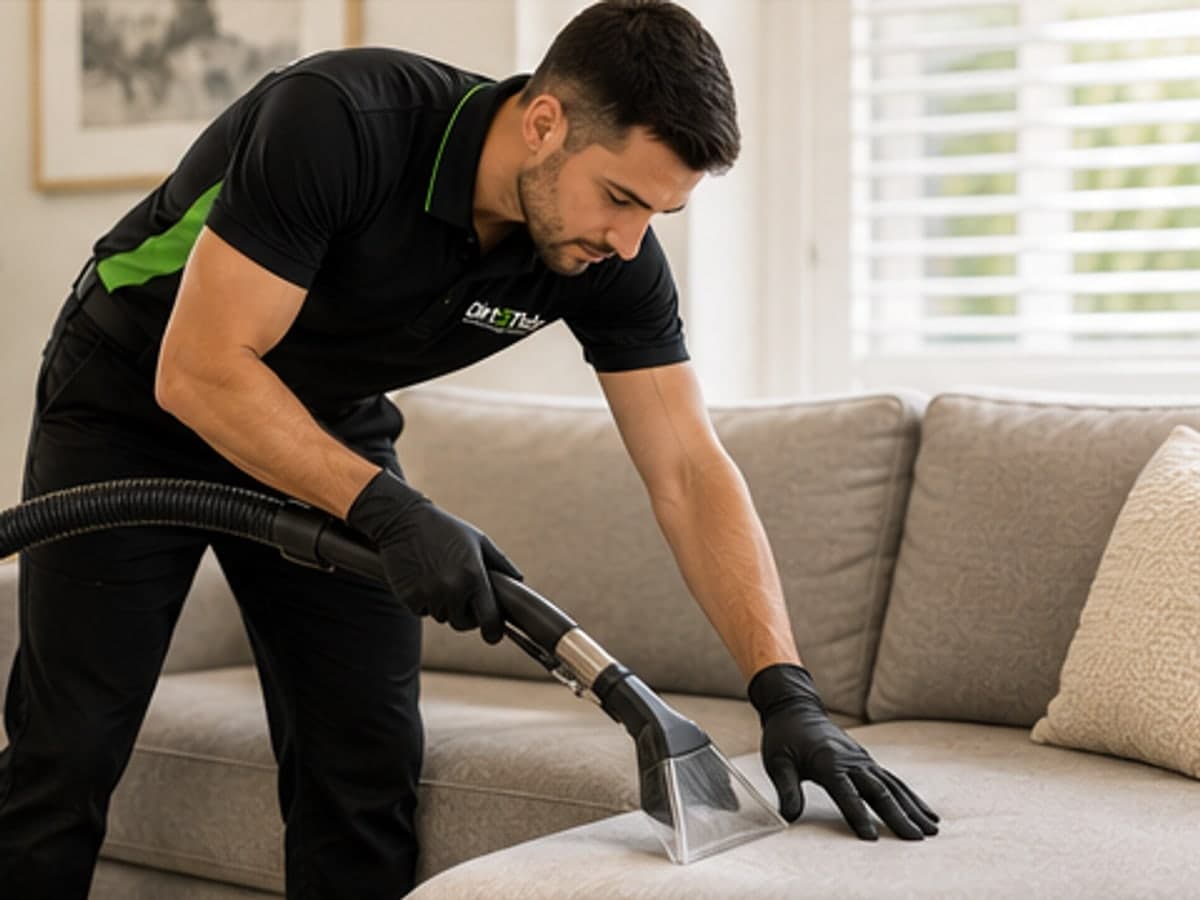
The good news: most carpet cleaners come with upholstery attachments that can gently clean couches using water-based solutions. These tools are designed to reach into creases and corners, making them effective for sofas too. Just remember the right cleaning solution depends on your sofa’s fabric.

Couch Carpet Cleaner?

Sofas must be cleaned with water and cleaning solution in any case. Though difficult, it must be done with the right cleaning tools. After a long day, nothing feels better than sliding onto a couch and smelling and experiencing freshness. Luckily, your carpet cleaner can also deep clean the couch with a portable carpet cleaner.

Dirt, dirt, crumbs, and anything on kids’ feet or visitors’ clothing stick to the sofa or fall into the folds and sides. If not cleaned, it might propagate invasive species.

Eating or Drinking on the Couch: Simple Precautions

We’ve all snuck a snack on the sofa, even if we swore we wouldn’t. Still, a few small steps can help dodge those inevitable spills and stains:

  • Pop a tray or a big plate beneath your food to catch rogue crumbs.
  • Place your drink on a coaster or sturdy surface nearby no balancing acts on the armrest.
  • Keep napkins or paper towels within reach for quick dabs if anything tips over.
  • If little ones (or clumsy adults) are involved, sippies and spill-proof cups are your friends.

A few extra seconds of prep now, and your next deep clean will be so much easier.

Check your carpet cleaner’s sofa-cleaning capabilities. It needs upholstery cleaner first. If not, the manufacturer may offer them separately for your vacuum cleaner.

Differences Between Carpet Cleaners and Upholstery Cleaners

While it might seem convenient to use the same machine or product for carpets and sofas, key differences matter.

Carpet Cleaners:

  • Stronger formulas
  • Best for durable, synthetic materials
  • Can be too harsh for delicate surfaces

Upholstery Cleaners:

  • Gentle, often enzyme-based ingredients
  • Designed for sensitive fabrics like velvet, linen, or microfiber
  • Less likely to cause fading, shrinkage, or damage

Carpet cleaners target deep fibers and tough dirt, while upholstery cleaners focus on safe, gentle stain removal. Always check compatibility before using a carpet cleaner on sofas to protect your fabrics and extend their lifespan.

Protecting Your Couch from Pets

If you’ve got four-legged family members roaming the house, it’s wise to take a few extra precautions to keep your sofa safe from daily wear and tear. One simple trick is to lay a washable throw blanket or a sturdy slipcover over your couch these act as a barrier against fur, muddy paws, and the occasional accidental scratch. Not only does this make cleaning up after pets much easier, but it also extends the life of your upholstery, saving you from frequent deep cleans or unexpected visits from the upholstery repair team.

Carpet Cleaner Clean a Sofa

When To Clean A Sofa With Carpet cleaner?

What You’ll Need to Clean Your Sofa with a Carpet Cleaner

Before using a carpet cleaner on your sofa, gather your tools for a smooth, efficient job:

  • Carpet cleaner with an upholstery attachment (if available)
  • Vacuum cleaner with a brush or handheld tool
  • Lint-free cloths or microfiber towels for blotting and drying
  • Spot-cleaning solution for stubborn stains

Start with a quick vacuum to remove debris and loose dirt. Keep your cloths handy for excess moisture or spills. Once prepped, you’re ready to deep clean your sofa effectively.

To avoid damaging your couch, follow these procedures while using a carpet cleaner. These procedures will also decide whether this cleaning method works for your sofa.

Before Carpet Cleaning, Check Sofa Label.

Check the sofa’s care label before using a carpet cleaner. This label tells you how to clean it.

Sofas have care labels on the back. The couch’s fabric may dictate its maintenance guidelines. Some features are created of one fabric and others from others.

Why Checking the Manufacturer’s Instructions Matters

Before you jump in, take a moment to read the manufacturer’s instructions for your carpet cleaner. Why? Every machine and cleaning solution comes with its own quirks how much liquid to use, which upholstery attachments fit, and how long to treat a stubborn stain can all vary.

Missing this step could lead to soggy cushions or accidental damage, and no one wants a couch that smells like wet socks or ends up with faded patches. The instructions ensure you’re mixing the right ratio of cleaner (say, Bissell or Hoover) and water, using it safely on your sofa fabric, and protecting both your furniture and your appliance.

In short: don’t skip this homework. It could be the difference between a freshly revived couch and a cleaning mishap.

The label suggests a letter to clean the sofa:

  • W – Use water-based cleaners such as shampoo, mild dish soap, and water.
  • S – Requires solvent-based cleaners like alcohol or professional dry-cleaning solutions.
  • WS – Safe for both water- and solvent-based cleaners, meaning you can dry clean or even steam clean.
  • X – No liquids at all; vacuuming or brushing only.

To use a carpet cleaner on your sofa, make sure the label shows W or WS. Fabrics marked S or X are not compatible with water-based carpet cleaning.

Risks of Using the Wrong Cleaner on Your Couch

It’s tempting to treat all soft furnishings the same, but using the wrong cleaner on your sofa can spell disaster for its fabric. Not all cleaning solutions are gentle enough for delicate materials like silk or velvet; in fact, some carpet cleaning solutions contain harsh, abrasive chemicals that can strip colours or weaken fibers.

Here’s what can go wrong if you’re not careful:

  • Fading or Discolouration: Strong carpet cleaners may bleach or dull the colours, leaving your sofa looking patchy.
  • Fabric Damage: Abrasive ingredients can roughen or even break down fine fibres, making the fabric feel coarse or causing threads to fray.
  • Lingering Residue: Using the wrong solution might leave behind a sticky film, which collects dust and makes your couch dirty again in no time.
  • Potential Allergens: Some chemicals aren’t suitable for fabrics that touch skin directly, and might cause irritation for those with sensitive skin.

If you aren’t sure which type of cleaner to use, it’s always wise to check the care label and consult your sofa’s or cleaner’s manufacturer. When in doubt, choose a cleaner formulated specifically for upholstery these are designed to lift stains and dirt gently, without harming the fabric.

This careful approach protects both your sofa’s appearance and longevity, helping you maintain that inviting “just cleaned” freshness without any unwanted side effects.

Vacuum Sofa Before Carpet Cleaner

Vacuum the couch after establishing whether you can use your carpet cleaner.

  1. Vacuum with the upholstery attachment or gentle brush.
  2. Slowly sweep one area many times to eliminate dust and grime. Cover the sofa, back, and underside.
  3. Gently suction the wrinkles with the crevice tool and lessen suction force.
  4. Remove cushions and suction underneath. If the pillows cannot be removed, clean all the gaps and folds, where crumbs, hair, and other debris hide.

How Often Should You Vacuum Your Couch?

Ideally, your sofa should get a thorough vacuum at least once a week. This routine helps whisk away the sneaky buildup of dust, crumbs, pet hair, and whatever else life throws at your living room oasis. If you share your space with furry friends or boisterous children, consider increasing the frequency to a couple of times per week to keep things looking and smelling fresh. Consistent vacuuming not only keeps your couch looking its best but also extends its life and keeps allergens at bay.

Carpet Cleaner Sofa Patch Test

Always conduct a patch test before washing the couch, even if you know how. This way, you won’t destroy the couch and can make sure your carpet cleaner works with your solution for upholstery cleaning.

Patches should be out of sight. Choose a sofa spot that generally faces the wall or is out of sight. This will hide any issues.

Carpet Cleaner Clean a Sofa

What If You Notice Damage After Testing?

If your patch test reveals discolouration, texture changes, or any other signs of damage, stop immediately don’t proceed with cleaning the rest of the couch. Dry the area gently with a neutral-coloured towel and avoid further contact with water or cleaning agents.

It’s best at this stage to seek help from a professional upholstery cleaning service, such as those certified by the IICRC or a reputable local provider. They’ll know the safest approach for your fabric and can often repair or mitigate any chemical mishaps. Never try to fix the spot with home remedies or random solutions, as this can worsen the problem. Sometimes, the safest choice really is calling in the experts.

Select Your Sofa Cleaner

Most carpet cleaners work on couches. Make sure the answer matches your sofa letter (WS or W). This ensures compatibility and safety.

Spot-cleaning a couch stain is ideal. Pet, food, and other spot cleaners are offered. Check your sofa before using them. Bleach damages cloth and fades colour. A spot cleaner will clear the stain better than the carpet cleaner’s solution.

For best results, treat any visible stains before deep cleaning the entire couch. Simply apply your chosen spot cleaner to a clean cloth never directly to the fabric and gently blot the stained area. Repeat as needed until the stain lifts, always working from the outside in to avoid spreading. This pre-treatment tackles tough marks and makes the overall cleaning process smoother, so your couch will look its best by the time you bring out the carpet cleaner.

Sofa Carpet Cleaning

The patch test proved the approach is couch-compatible. After putting the solution to the cleaner and connecting the upholstery head, clean the couch.

Pull the attachment towards you slowly. You have greater control and more dirt is pulled in. Continue from one side to the other. You can spend a bit more time on spot-cleaned areas without using too much water.

After cleaning, start from the beginning with simply suction, no water or shampoo. Now you may eliminate cushion dampness. Mold grows in moist locations, thus this is vital. Dry the sofa fully. If the material permits, dry it with a fan or in the sun.

Carpet Cleaner for Different Sofas

Fabric couches need various methods. Some are carpet cleaner-safe, while others are not.

Leather sofas are best cleaned with a cloth and water/vinegar combination due to their particular texture. Use a carpet cleaner with water and vinegar if the label reads W or W/S.

Microfiber couches may be labelled by colour and style. Some are best cleaned with steam than a carpet cleaner.

Suede sofa the hardest to clean.

Suede couches cannot handle steam or water. Instead, vacuum and spot-clean using a cloth or sponge and specialist chemicals.

Polyester couch carpet cleaners can clean most polyester sofas with a W or W/S marking.

Why Have Your Sofa Professionally Cleaned?

Getting your sofa professionally cleaned once a year is more than just a fresh start for your furniture. Deep cleaning by upholstery experts removes stubborn dirt, built-up grime, and allergens that regular vacuuming or spot-cleaning often misses. This helps preserve the fabric and colour, prevents lingering odours, and extends the overall life of your couch.

Professional cleaners such as Chem-Dry and Stanley Steemer use specialised equipment to reach what’s hidden beneath the surface. If you’re keen on keeping your favourite Netflix nest feeling (and smelling) its best annual professional cleaning is a simple step that pays off in comfort and longevity.

When Should Sofa Carpets Not Be Cleaned?

Even though many carpet cleaners come with upholstery attachments, they aren’t always the best choice for every sofa. Using the wrong setting or a harsh attachment can damage delicate fibers and leave the couch looking worse than before.

  • Follow the care label: If your sofa label is marked W or WS, a carpet cleaner may be safe. But for S or X fabrics, avoid water-based cleaning altogether stick to professional dry cleaning or vacuuming. Ignoring these guidelines could permanently harm the fabric.
  • Avoid DIY if inexperienced: If you’ve never cleaned upholstery before, it’s best to let a professional handle it. Sofas are more delicate than carpets, and a small mistake could lead to stains, shrinkage, or fabric damage.
  • Never experiment on someone else’s sofa: Trying a carpet cleaner on another person’s couch without professional knowledge or permission is a big no. The risk of damage is high, and repairing upholstery isn’t cheap.

When in doubt, always consult the label or call a professional upholstery cleaner to protect your investment.

Enjoy a home that radiates cleanliness and comfort! Book your appointment today and let us do the hard work.

Similar Posts

Leave a Reply