
What a vacuum is actually doing
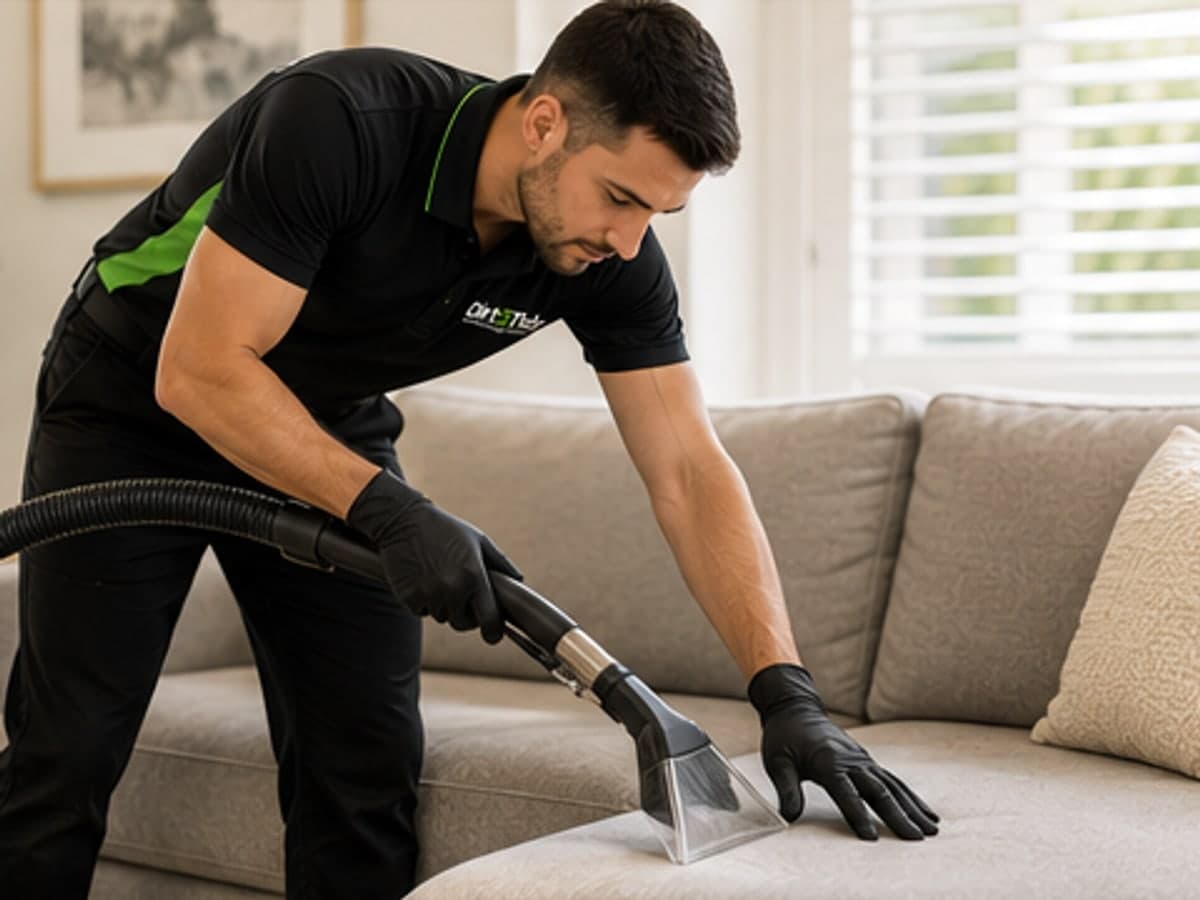
Suction lifts particles where the nozzle seal meets the surface, and the airstream carries them into the bin or bag while filters hold them back from the motor path.
Airborne dust passing through a room's middle moves too slowly and in streams too large for a nozzle to intercept; there is no capture zone at distance.
The exhaust side does affect air quality, since a leaking bag, an unsealed joint or an aging filter lets fine particles back out in a concentrated stream near the operator's breathing zone, which is precisely where the machine's real filtration spec matters.
Filtration claims worth reading carefully
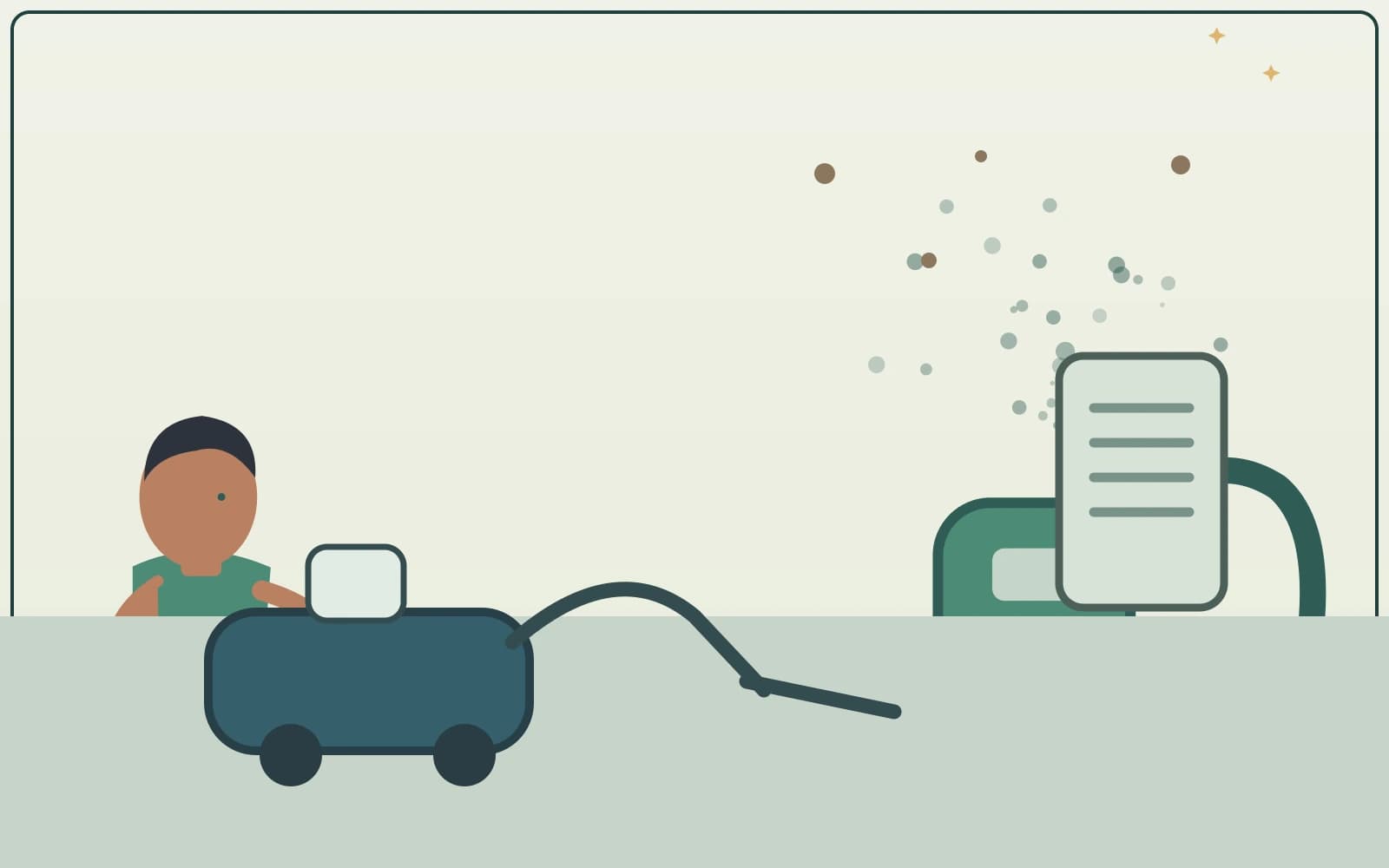
Marketing speaks in loose terms; the machine's manual and certification do not. Sealed-system claims and true high-efficiency filtration grades, including HEPA as tested to its standard, describe how much the whole air path holds back, and terms like HEPA-style or HEPA-like are descriptions of resemblance rather than a certified performance class.
Dust class matters for the vacuum's own health story: households dealing with fine building dust or heavy pet dander benefit from a well-sealed machine with maintained filters, because that is the difference between collecting soil and redistributing a fine fraction of it.
Where the room's dust actually lives
Indoor dust is mostly what the building makes and sheds: textile fibres, skin flakes, food particulates, tracked-in soil, and outdoor grit that leaked past the door.
It spends seconds to minutes airborne after being disturbed, then settles onto floors, soft furnishings, tops and sills, which is why the floor and surface layer is the reservoir and the floating cloud is a temporary state of the same particles.
That settling behaviour is the strategic insight: reduce the reservoir, and the air stays cleaner between interventions.
What genuinely lowers airborne dust
Source control first, since most airborne events begin as surface disturbance: damp dusting instead of dry sweeping or feather-dusting, vacuuming with slow passes rather than frantic strokes, removing shoes at the entry, and washing bedding on its care-label schedule.
Ventilation brings in outdoor particulates with the fresh air, so timing and filtration choices matter for households sensitive to pollen or nearby roads. A well-maintained vacuum, sealed joints, clean filters, emptied before full, keeps its exhaust honest while it removes the reservoir it was designed for.
Air purifiers: the tool that addresses air
Air cleaners exist because vacuums do not do the job: a purifier's fan deliberately cycles room air through its filter, and its honest specification is the airflow rating for clean air delivered against the room's volume, sized so an air change happens repeatedly per hour rather than occasionally.
Placement, closed windows during high-pollen hours, filter replacement cost and noise decide whether it does anything useful in practice. For persistent symptoms or smoke or mould concerns, the air problem is a health and building diagnosis, and independent product testing tells you more than any shared-claim brochure.
The honest role of each tool
So the division is clean: the vacuum removes the settled reservoir, the damp cloth removes what would resuspend next, the purifier is the only common household device that meaningfully conditions airborne particulate, and no tool makes a house dust-proof because dust is generated continuously by living in it.
Claims that a vacuum head or an ionising wand will clear the air of a room are theatre, and the practical wins are boring: frequency at the surfaces, technique in the passes, and filter upkeep in the machine.
Keeping the whole system honest
For households where dust feels permanent, the answer is a schedule rather than a gadget: routine vacuuming done properly, surface and soft-furnishing care, and a periodic deep reset for the layers between.
The frequency logic for the floors sits in the guide to how often to vacuum your house, upholstery holds a surprising share of a home's dust reservoir and belongs on its own cycle with the upholstery cleaning process, and where the household cannot sustain the rhythm, a scheduled domestic cleaning visit makes the system real.