Table of Contents
Are you tired of shelling out hundreds of dollars to professional carpet cleaners every time your carpets need a refresh? Have you considered taking matters into your own hands by renting a carpet cleaner and tackling the task yourself? Well, good news – Do it yourself methods of carpet cleaning is not only possible, but it can also be an easy and cost-effective solution. In this blog post, we’ll explore everything you need to know about renting a carpet cleaner and successfully cleaning your carpets at home. So grab some popcorn (or maybe just some stain remover) and let’s dive in!
Why Keeping Carpets Clean Matters (And It’s Not Just About Looks)
Sure, a spotless carpet makes your living room look like it belongs in an KEIA catalog, but there’s more at stake than just impressing your mother-in-law. Carpets have a sneaky way of collecting things you’d never put on a must-have list—think dust mites, pet dander, and those mysterious crumbs from last week’s pizza night.
Beyond the obvious aesthetic perks, keeping your carpet clean is a game-changer for your home’s health. Regular deep cleaning helps to:
- Reduce Allergens: Dust, pollen, and microscopic critters love to hide in carpet fibers, triggering allergies and making life miserable for anyone with asthma.
- Manage Odors: Pets, spills, and everyday foot traffic can make carpets smell less than fresh. A good clean keeps bad odors in check.
- Banish Bacteria: Just because you can’t see it doesn’t mean it’s not there. Carpets can harbor germs that spread illness—especially in high-traffic zones.
- Prolong Carpet Life: Dirt and grit act like sandpaper, slowly wearing down your carpet’s fibers. Cleaning regularly means you get more years from your investment.
So, it’s about looking good and feeling good—if a cleaner carpet means fewer sniffles, fresher air, and a longer-lasting floor, that’s a win-win for everyone.
Understanding Carpet Cleaners
When it comes to carpet cleaners, there are two main types: wet and dry. Wet cleaners use water and detergent to clean your carpets, while dry cleaners use a chemical solution.
If you’re considering renting a carpet cleaner, it’s important to understand the difference between the two types of cleaners. Wet cleaners are generally more effective at removing dirt and stains from carpets, but they can also take longer to dry. Dry cleaners, on the other hand, are typically quicker and easier to use, but they may not be as effective at deep-cleaning carpets.
So, which type of cleaner is right for you? If you’re looking for a quick and easy way to clean your carpets, a dry cleaner may be the way to go. However, if you need a deep clean, a wet cleaner is likely your best bet.
Why Regular Cleaning Matters for Carpet Longevity
Now, you might wonder—does all this vacuuming, spot-treating, and occasional deep cleaning really make your carpets last any longer? Absolutely! Think of regular carpet cleaning as preventative maintenance, much like changing the oil in your car before something goes wrong.
Here’s the scoop: Over time, dust, dirt, and those mysterious crumbs (thanks, kids and pets) work their way deep into your carpet fibers. If left untouched, these tiny particles act like sandpaper, gradually wearing down the fibers and dulling the color. By staying ahead of the game with routine cleaning—whether it’s a DIY approach with your trusty Hoover, a rented machine from Bunnings, or a simple baking soda treatment—you’re removing the stuff that causes your carpets to break down before their time.
A little effort now, and a bit of elbow grease, can keep those stubborn stains and ground-in grit from causing long-term damage. Plus, it helps carpets retain their bounce, color, and that just-installed look we all secretly want to brag about when guests come over.
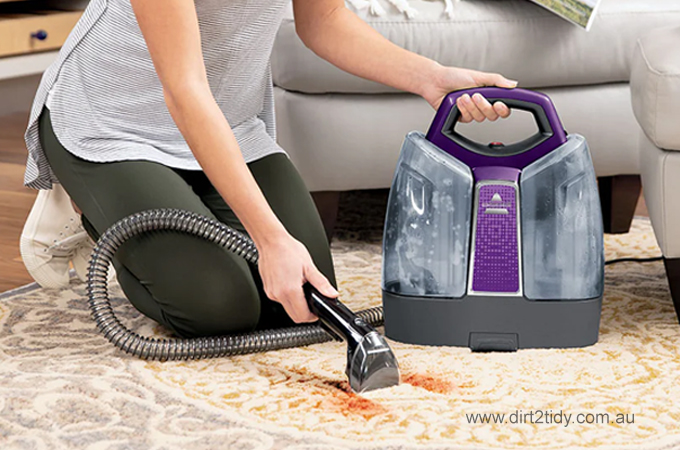
The Pros and Cons of Renting a Carpet Cleaner
When you have a big job like cleaning all the carpets in your home, it may be tempting to just rent a carpet cleaner and get it done yourself. But is this really the best idea? Let’s take a look at the pros and cons of renting a carpet cleaner so you can decide for yourself.
How Proper Carpet Care Impacts Your Security Deposit
Let’s be honest—one of the main reasons for sweating over carpet stains (and scrambling for that rented cleaner) is the all-important security deposit at the end of your lease. Landlords and property managers are notorious for scrutinizing the state of the carpets, and anything less than spotless could put your deposit at risk.
Regular carpet care—including periodic deep cleaning—does more than just freshen up your living space. Keeping carpets clean and free from stains, odors, and lingering dust mites creates a better impression during final inspections. If your carpets are in good shape, it signals to landlords that you’ve maintained the property responsibly.
When it comes time to move out, this attention to detail can pay off:
- Higher likelihood of a full deposit return – Clean, well-kept carpets are less likely to prompt deductions.
- Fewer disputes – Visible care reduces the chances of disagreements with your landlord.
- Avoidance of professional cleaning charges – Some property managers will deduct the cost of professional cleaning if the carpets are excessively dirty when you vacate.
Just remember: While you can tackle most carpet woes with a solid DIY effort, the occasional professional deep clean (especially before moving out) can give you that added peace of mind. It’s all about showing you’ve looked after the place—carpets included.
The Pros:
- It’s much cheaper than hiring a professional carpet cleaning company.
- You can clean your carpets whenever you want, instead of waiting for a company to have an opening in their schedule.
- You can control how long you spend cleaning each room, so you don’t have to hurry through the process.
The Cons:
- Carpet cleaners are very heavy and difficult to maneuver, so if you have any physical limitations, it may not be possible for you to use one.
- They also require quite a bit of set up and preparation time before you can start cleaning, which can be frustrating if you’re just trying to quickly clean a small area.
- And finally, unless you know what you’re doing, it’s easy to damage your carpets with a rented cleaner – which means you could end up spending more money to fix the problem than if you had just hired a professional in the first place! While DIY carpet cleaning can be tempting, there are times when calling in the pros really makes sense. Professional carpet cleaners come armed with specialized equipment and powerful cleaning solutions designed to tackle deep-seated dirt, stubborn stains, and even allergens that regular rental machines might leave behind. Plus, experts know how to choose the best cleaning method for your specific carpet type—whether it’s a delicate wool rug or a high-traffic synthetic hallway runner—so you don’t have to risk making an expensive mistake. And if you’re at the end of your lease, a professional clean could mean the difference between getting your full security deposit back or not.
How to Use a Carpet Cleaner
If you’re considering renting a carpet cleaner to clean your carpets yourself, there are a few things you should know before you get started. Here’s a quick guide on how to use a carpet cleaner:
1. Vacuum your carpets thoroughly before using the carpet cleaner. This will help remove any surface dirt and debris that could clog the machine.
Before you get started with the carpet cleaner, take some time to prep your space for the best results:
- Clear the area: Move furniture and any obstacles out of the way so you have full access to the carpet.
- Focus on pet hair: If you have pets, run a rubber squeegee or a pair of dampened rubber gloves over the carpet to collect stubborn fur—especially in corners, under furniture, or wherever your furry friend likes to lounge.
- Divide and conquer: For larger spaces, divide the carpet into sections and work from the center outward to make sure you don’t miss a spot.
- Double-check for dirt: After vacuuming, inspect for any remaining debris or hair and remove it by hand if needed.
Finally, before applying any cleaning solution, spot-test it on a hidden area of your carpet. This helps prevent unwanted surprises if your carpet reacts poorly to the cleaner. And don’t forget to check the manufacturer’s recommendations—some carpets have special cleaning instructions or restrictions that can save you a lot of headache later.
2. Fill the tank with hot water and the recommended amount of carpet cleaning solution.
3. Follow the manufacturer’s instructions for operating the machine. In general, you’ll need to run the machine over each section of carpet several times, allowing the cleaning solution to work its way into the fibers.
4. Empty and rinse out the tank after each use. Be sure to clean any brushes or other removable parts according to the manufacturer’s instructions.
5. Allow your carpets to dry completely before walking on them or replacing furniture. This could take several hours or even overnight in some cases.For best results, open your windows if it’s a sunny day to help fresh air circulate and speed up drying. Alternatively, set up a few fans around the room to move air across the carpet fibers. Proper drying not only prevents musty odors but also helps avoid mold or mildew from developing.
Tips for Using a Carpet Cleaner
1. First, you will want to make sure that you have the proper tools and supplies. You will need a carpet cleaner, a vacuum, and some sort of cleaning solution.
2. Once you have all of your supplies, you will want to vacuum your carpet thoroughly. This will help remove any dirt or debris that could potentially clog up your carpet cleaner.
3. Next, you will want to make a solution of cleaning solution and water. Be sure to follow the instructions on your chosen cleaning solution so that you do not damage your carpet.
If you don’t have a commercial carpet shampoo on hand, you can easily mix your own: combine one teaspoon of a mild, translucent liquid dishwashing detergent (like Dawn or Palmolive) with one cup of lukewarm water. Alternatively, a gentle laundry detergent—just make sure it’s free from harsh additives, bleach, or brighteners—will also work. Avoid using anything too strong, as harsh chemicals can damage carpet fibers or cause discoloration.
4. Once you have your solution mixed, you will want to begin cleaning your carpet from one end to the other in small sections. Be sure to go over each section multiple times in order to ensure that it is getting clean.
5. After you have finished cleaning your carpet, you will want to let it dry completely before walking on it or replacing any furniture.
Best Practices for Keeping Your Carpets Clean Between Deep Cleans
Deep cleaning your carpets every once in a while does wonders, but keeping them looking their best in the meantime doesn’t have to be a chore. With a bit of regular maintenance, you can help your carpets look fresher and last longer—saving you money and effort down the road. Here are some simple habits to adopt:
- Clean Up Spills Immediately: The quicker you tackle that spilled juice or dropped plate of spaghetti, the less likely it is to leave a stubborn stain. Blot, don’t rub, to avoid pushing the mess deeper.
- Vacuum Regularly: Just a few minutes each day—or at least a couple of times a week—can make a big difference, especially in areas where everyone walks or the pets love to nap. Frequent vacuuming helps cut down on dirt and dust that can wear out carpet fibers.
- Use Door Mats: Place a sturdy mat outside every entrance and a softer one inside. This simple step catches a lot of the dirt before it ever hits your floors. Shake out or wash the mats regularly to keep them doing their job.
- Go Shoe-Free Indoors: If you want to keep outdoor grime where it belongs, ask family and guests to leave their shoes at the door. Keep slippers or comfy socks handy if you like.
- Mind the Air Quality: Change your HVAC filters regularly or use an air purifier, especially if you have allergies. This cuts down on dust and pollen that can settle in the fibers.
- Pay Attention to Trouble Spots: High-traffic areas need a little extra TLC. Consider using runners or area rugs in hallways or living rooms, and don’t forget to clean these protective pieces, too.
With these habits in place, you’ll make your next deep clean much easier—and your carpets will thank you for it.
Daily Habits to Keep Your Carpets Cleaner, Longer
Keeping your carpets looking fresh isn’t just about deep cleaning—preventative habits and a bit of daily attention go a long way, too. Here are a few simple measures you can take that make a big difference over time.
- Handle Spills Right Away: The faster you act when something spills, the less likely it is to stain. Blot (don’t rub) liquids with a clean cloth as soon as possible.
- Vacuum Regularly: Running the vacuum every day or two—especially in busy hallways or living rooms—helps stop dirt from getting ground down into the fibers. Think of it as your first line of defense against wear and tear.
- Add Doormats and Area Rugs: Placing mats outside and inside your entryways traps dirt and moisture at the door. Just remember, they need cleaning now and then, too!
- Consider a No-Shoes Policy: Kicking off shoes at the door keeps a surprising amount of dirt, pollen, and even oil out of your living space. A basket for slippers near the entrance can make this habit an easy one for family and visitors.
- Stay On Top of Dust: Changing HVAC filters regularly helps keep dust particles out of your carpets, especially if anyone in your home has allergies.
By sticking with these small habits, you’ll not only stretch the time between deep-cleans but also keep your carpet looking and feeling its best day after day.
Alternatives to Renting a Carpet Cleaner
There are a few alternatives to renting a carpet cleaner that you may want to consider before making your final decision. You could purchase your own carpet cleaner, hire a professional carpet cleaning service, or try some do it yourself methods for cleaning your carpets.
If you decide to purchase your own carpet cleaner, there are many different models and brands available on the market. Do some research to find the best one for your needs and budget. Once you have your own carpet cleaner, you can use it whenever you need to clean your carpets, and you won’t have to worry about renting one every time they need to be cleaned.
If you decide to hire a professional carpet cleaning service, make sure you find a reputable company that uses high-quality equipment and products. Ask friends or family members for recommendations if they have used a professional carpet cleaning service in the past. Get multiple quotes from different companies before making your final decision.
There are also several do it yourself methods that you can use to clean your carpets without renting a machine. One popular method is using a mixture of baking soda and vinegar to create a natural cleaning solution. Another option is using dish soap and water. Both of these methods can be effective at removing dirt and stains from carpets.
If you’re interested in more natural and cost-effective approaches, here are a few additional DIY carpet cleaning solutions you can try at home:
- Baking Soda Carpet Refresher: Sprinkle baking soda evenly over your carpet (add a few drops of your favorite essential oil if you want a pleasant scent). Let it sit for 15–30 minutes, then vacuum thoroughly to help neutralize odors and freshen your carpet.
- Vinegar and Water Spot Cleaner: Mix equal parts white vinegar and water in a spray bottle. Spray directly onto stains or high-traffic areas, then blot with a clean cloth, working from the outside in to lift the stain.
- Hydrogen Peroxide Stain Remover: Combine equal parts hydrogen peroxide and water. Apply the solution to tough stains like coffee or wine, let it sit for about 10 minutes, then blot with a clean cloth.
- Club Soda for Fresh Spills: Pour club soda directly onto spills, then blot with a clean cloth or paper towel. The carbonation helps lift the stain without damaging carpet fibers.
- Mild Detergent Solution: Mix a teaspoon of clear, gentle dishwashing liquid with a cup of lukewarm water. Use this on spots or small areas for a quick clean—just be sure to avoid detergents with bleach or strong additives that could damage your carpet.
These simple, homemade solutions are easy to make with everyday household items and can help keep your carpets looking and smelling their best between deep cleans.
Are DIY Carpet Cleaners Effective?
Many people wonder if DIY carpet cleaners really work as well as rented or commercial units. In general, DIY carpet cleaners can be just as effective as commercial ones when used correctly, especially for regular maintenance and smaller stains.
No matter which method you choose—whether it’s renting, buying, or a homemade solution—always start by vacuuming your carpets to get rid of loose dirt and dust. This step helps your cleaning method work more efficiently and prevents dirt from getting ground deeper into the fibers.
Maintaining Clean Carpets
Deep carpet cleaning should be done periodically, not just for appearance but also for a healthier and more pleasant living environment. To keep your carpets looking and smelling their best, combine these deep cleans with daily habits like removing your shoes indoors, vacuuming regularly, and cleaning up spills right away.
Finally, be sure to follow your carpet manufacturer’s care instructions to avoid any accidental damage, and remember that a combination of preventative measures, routine DIY cleaning, and the occasional professional service is the best way to maintain your carpet’s longevity and cleanliness.
How to Deep Clean a Carpet by Hand
If you’d rather skip the carpet machine altogether or need to spot-clean an area rug, tackling the job by hand is entirely doable. Here’s an uncomplicated manual method to freshen up your carpets:
- Clear and Prep the Area
Begin by moving furniture off the carpeted section you want to clean. Give the area a thorough vacuum to remove dirt, crumbs, and pet hair. - Test Your Cleaning Solution
Before diving in, spot-test your home-mixed cleaner (like a mix of baking soda, vinegar, and a splash of Dawn dish soap) on a discreet part of the carpet. Wait a minute or two to ensure the fibers won’t discolor or react. - Apply the Cleaning Mixture
Sprinkle or lightly spray your cleaning solution evenly across the area you intend to wash. - Scrub Gently but Thoroughly
Using a stiff-bristled brush, gently work the solution into the fibers. A circular motion helps lift grime, especially in those high-traffic pathways that tend to darken over time. - Blot to Lift Out Dirt and Moisture
With a stack of clean, white towels or microfiber cloths, blot up as much moisture and loosened dirt as possible. Replace towels as needed and keep blotting until they come away mostly clean. - Wipe Down and Rinse
Dampen a cloth with plain water and wipe over the cleaned area to pick up any leftover cleaner and residue. - Let Dry Thoroughly
Allow the carpet to air dry completely before walking on it or replacing furniture. Open windows for ventilation, or use a fan if the weather’s not cooperating.
This hands-on process takes a bit of elbow grease, but it’s a budget-friendly way to keep your carpets looking fresh between major cleanings.
Conclusion
Renting a carpet cleaner is an easy and cost-effective way to DIY your own deep carpet cleaning. By following a few simple steps, you can get your carpets clean without breaking the bank or hiring professional cleaners. Remember to take safety precautions when using any kind of machinery and follow the instructions that come with the rental. With these tips in mind, you’ll have no trouble getting your carpets looking like brand new again!